array(2) {
["Article"]=>
array(10) {
["id"]=>
string(3) "503"
["member_id"]=>
string(2) "35"
["title_eng"]=>
string(34) "We visited: Warhammer World - pt.1"
["title_hrv"]=>
string(40) "Posjetili smo: Warhammer World – dio 1"
["mask_eng"]=>
string(32) "we_visited_warhammer_world_-_pt1"
["mask_hrv"]=>
string(35) "posjetili_smo_warhammer_world_dio_1"
["content_eng"]=>
string(7283) "
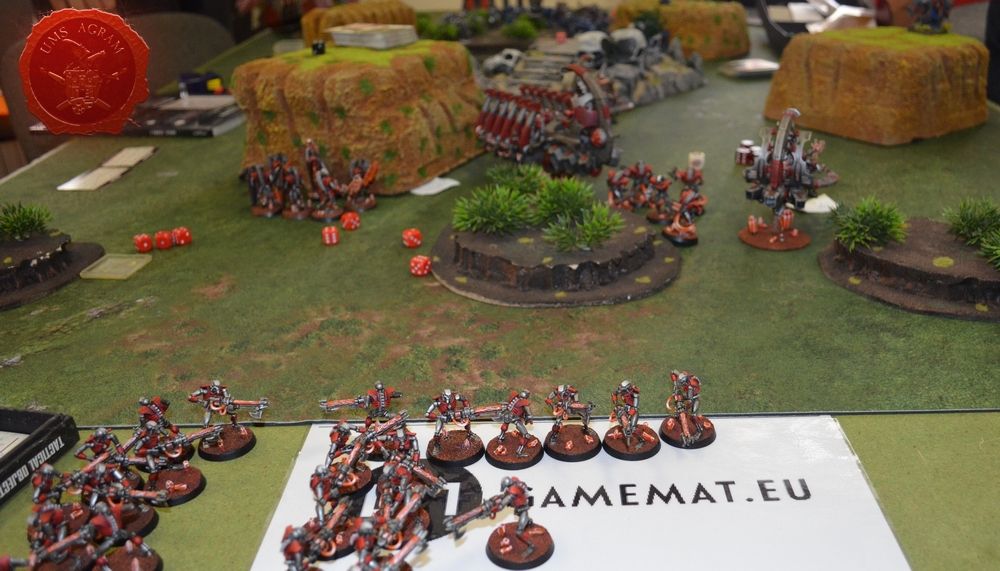
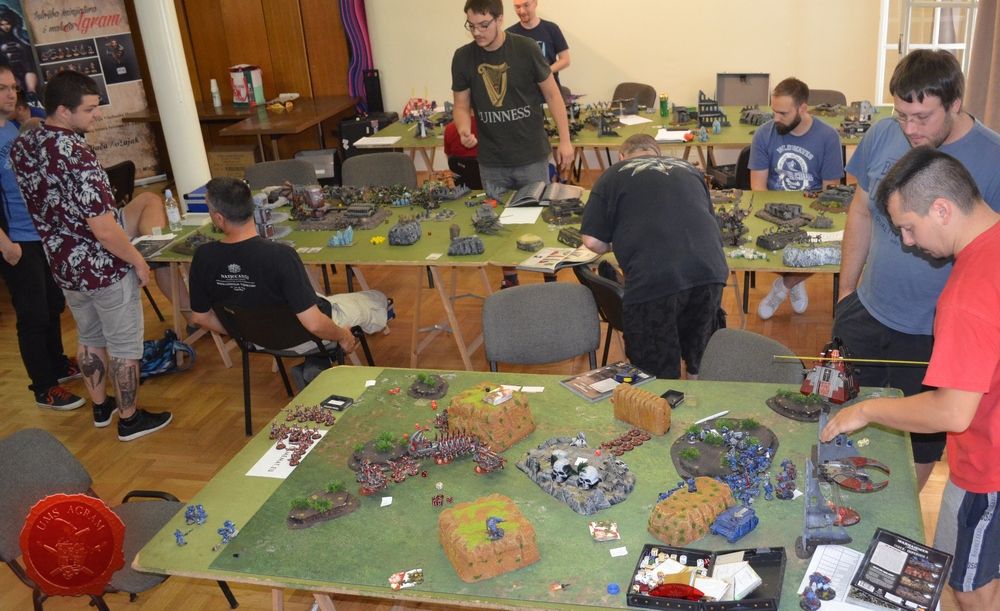
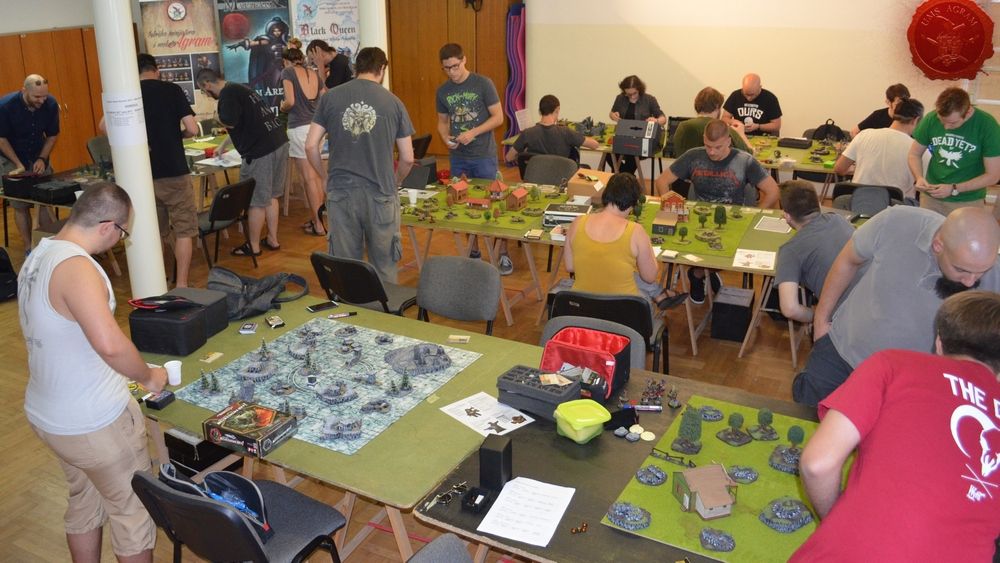
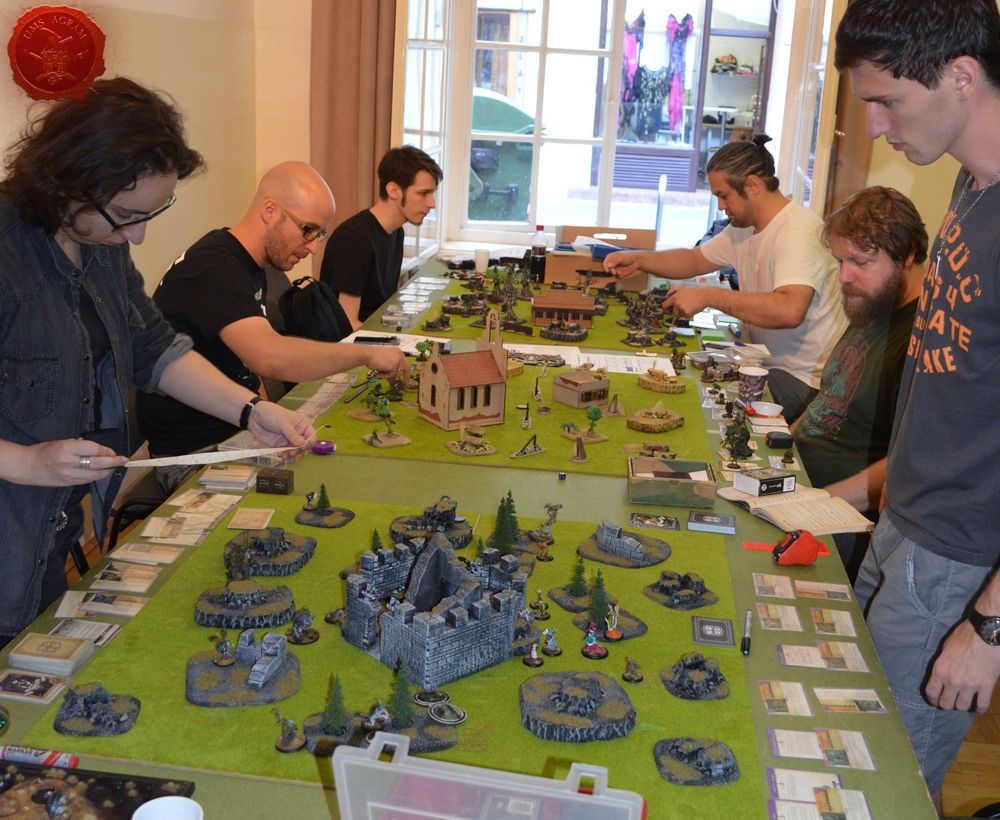
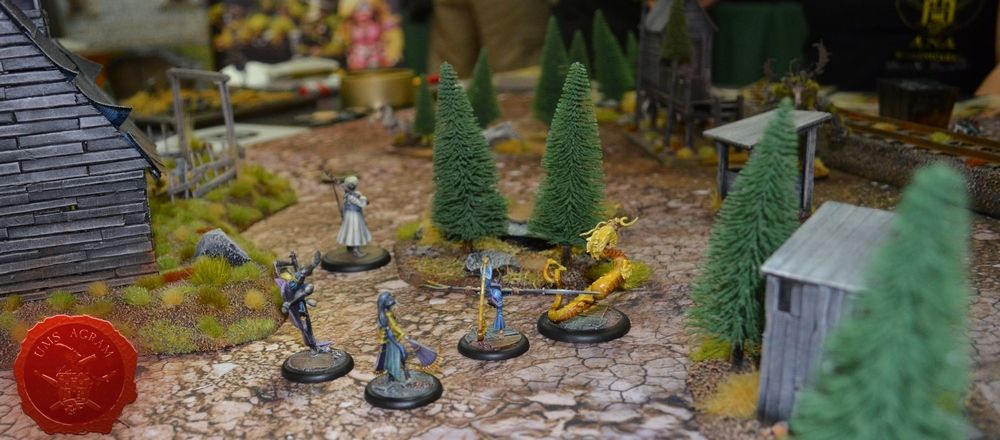
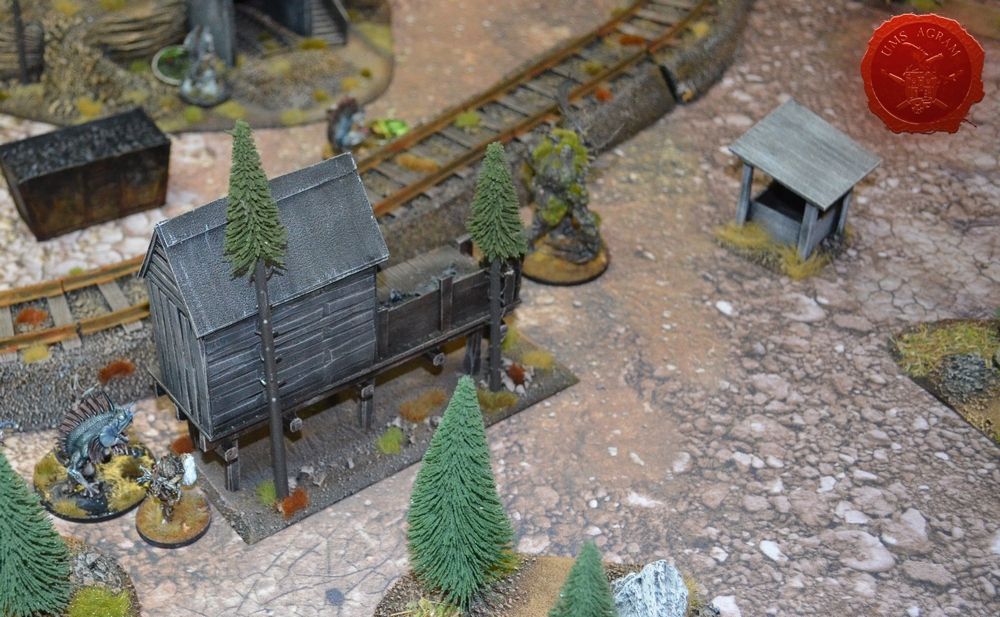
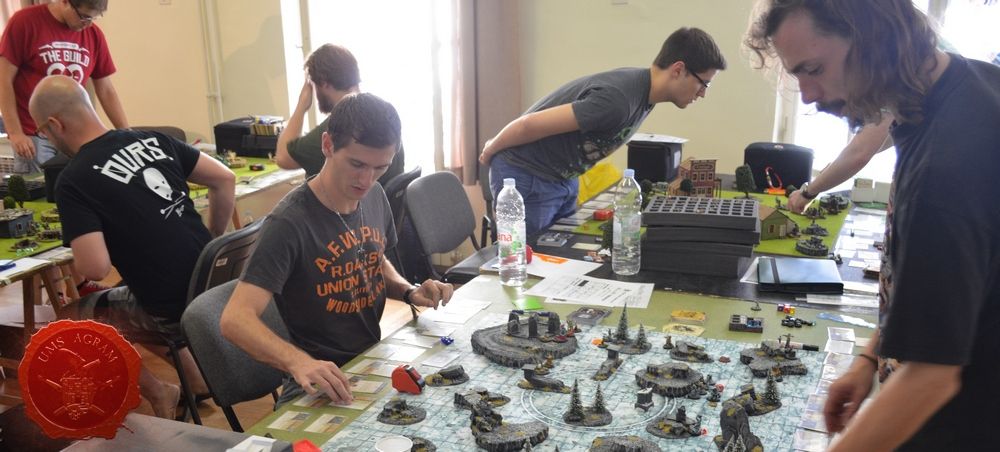
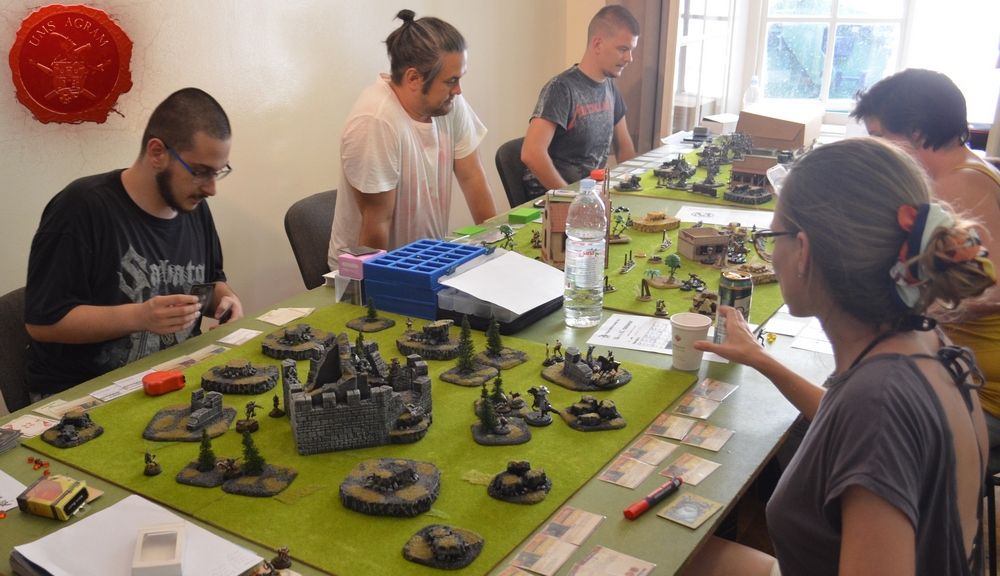
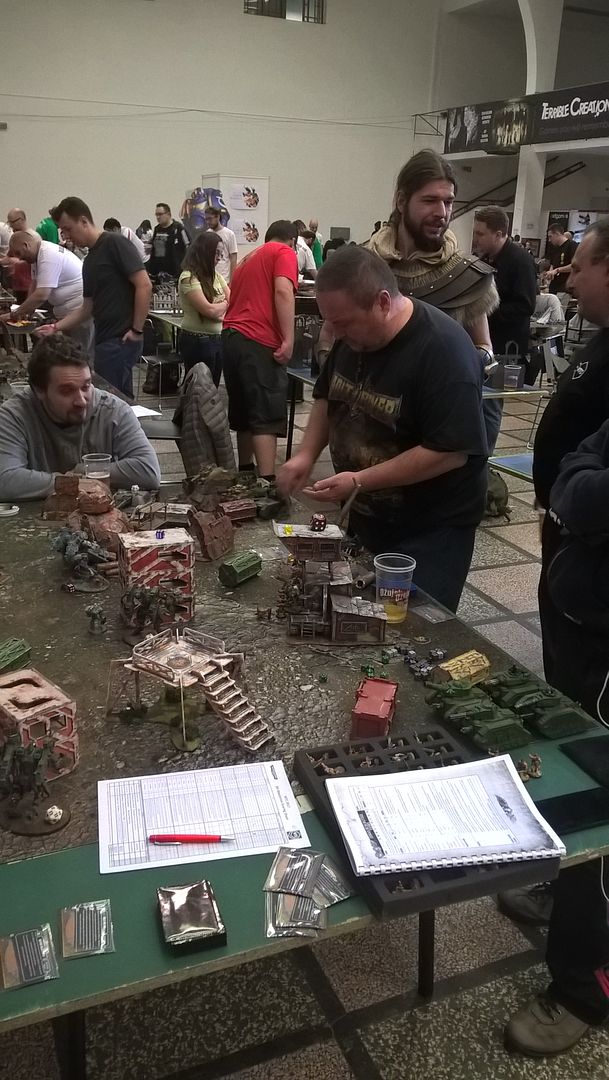
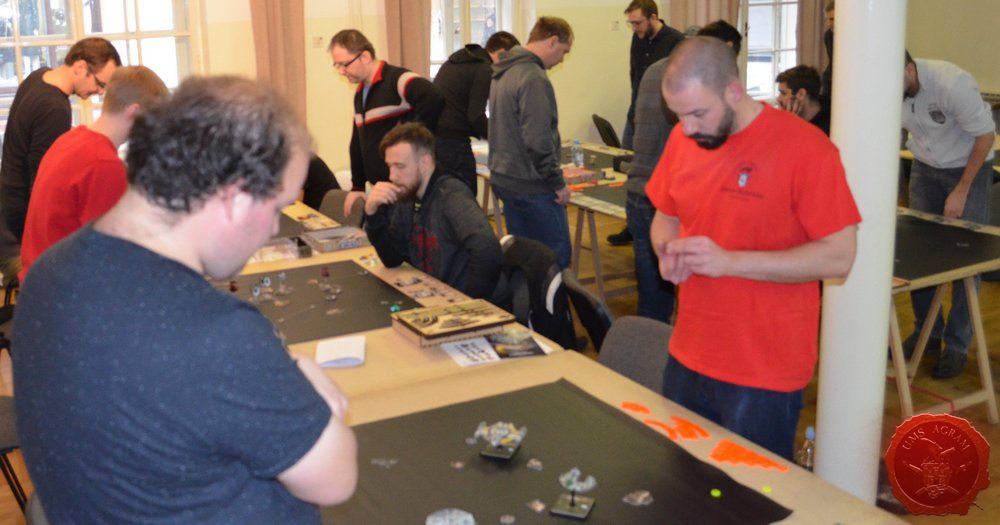
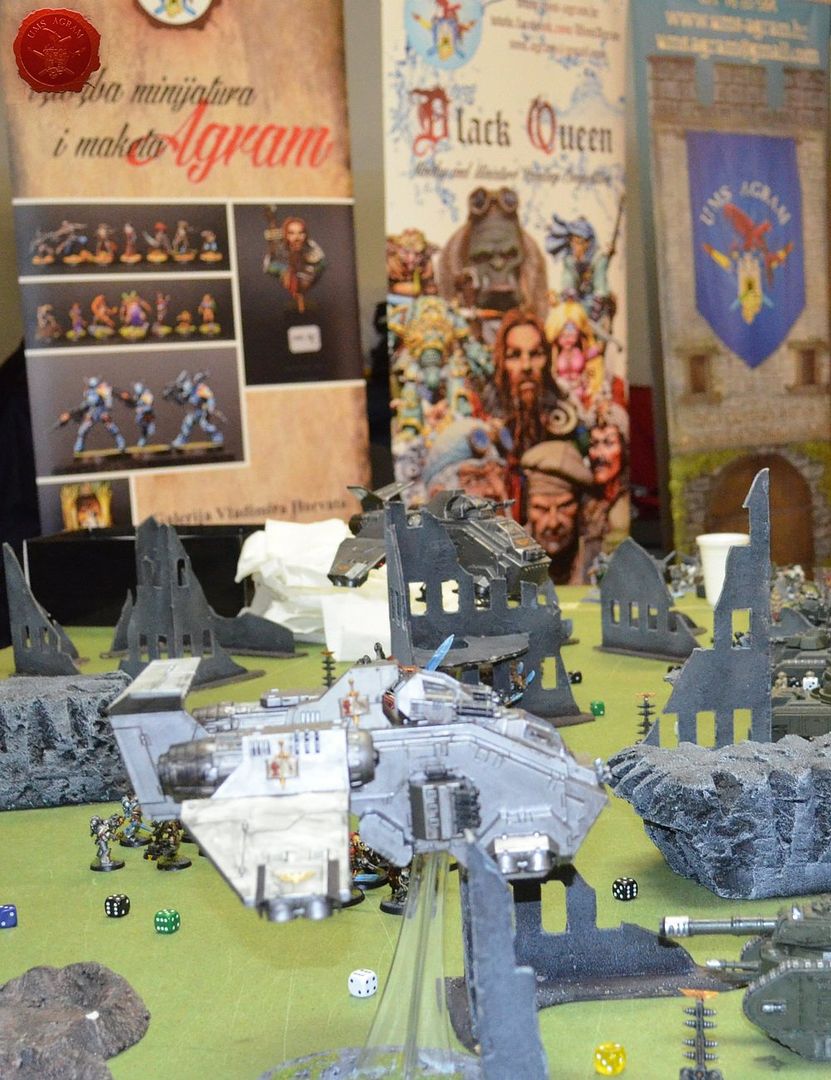
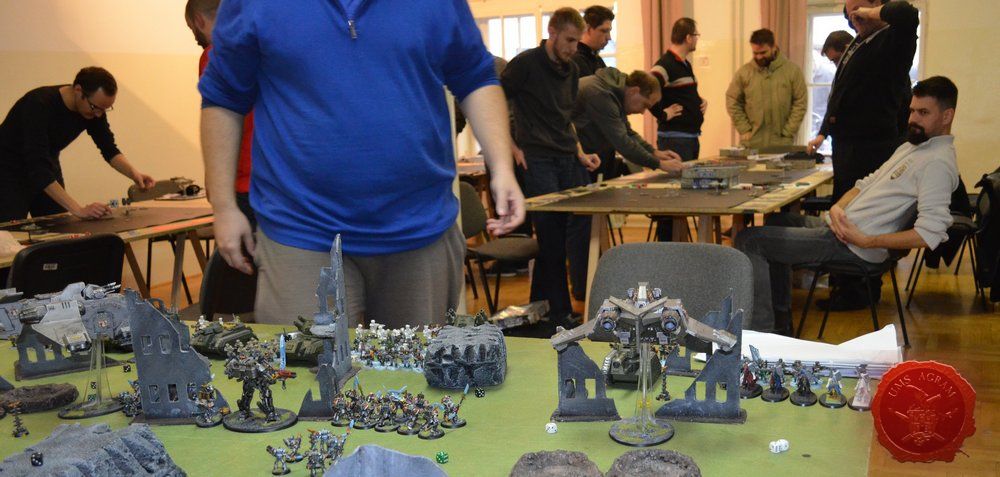
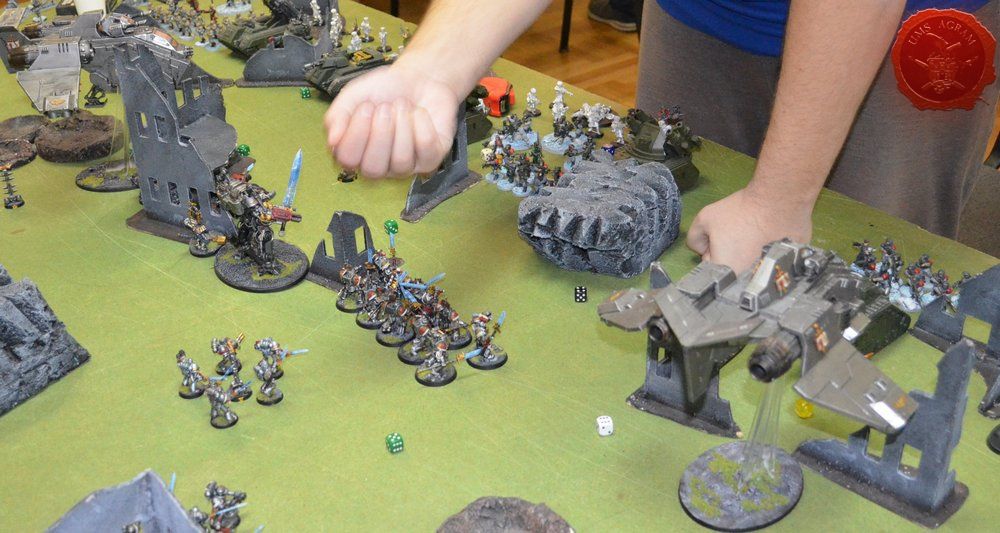
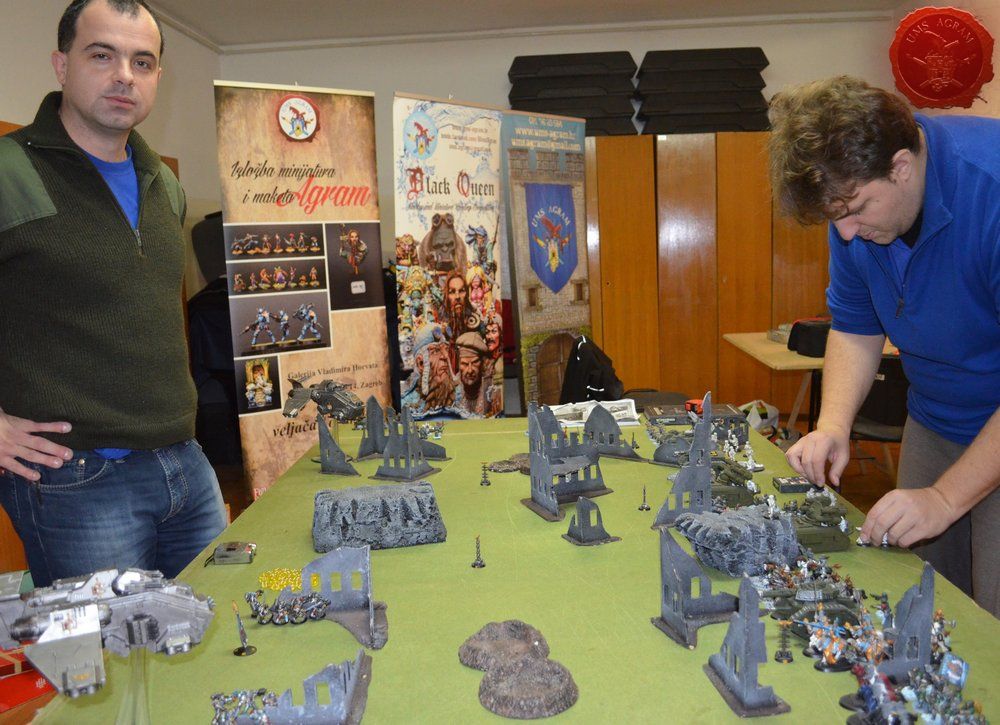
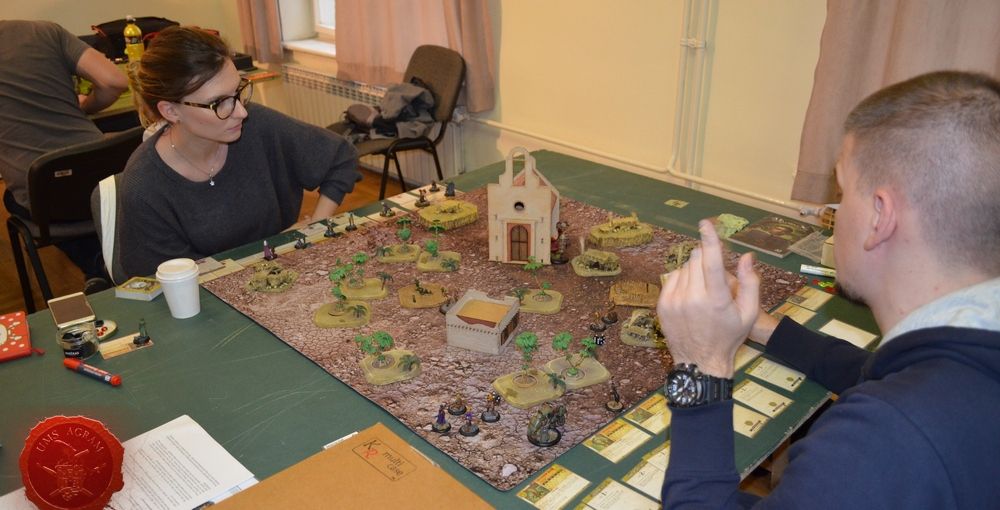
For any Warhammer hobbyist, a visit to Warhammer World in Nottingham is a pilgrimage of sorts. It is the epicenter of the entire Games Workshop culture - a combination of global corporate headquarters, visitor center, exhibition space, gaming hall, specialty store and themed bar, all gathered in one location. It should also be taken into account that the large gaming hall hosts Grand Tournaments for all games published by Games Workshop, and since our Ivan found himself in WHW on 18.4.2026. there was a WH40k tournament on the schedule, so the experience of the exhibition, Bugman Bar, WHW store, workshops, and gaming hall was also enhanced by the grand tournament that took place that day. This series follows his adventures…
1. Historical Context
1.1. The Founding of Games Workshop
Games Workshop was founded in 1975 in London, at 15 Bolingbroke Road. The founders were John Peake, Ian Livingstone and Steve Jackson (not to be confused with the American game designer of the same name). Initially, the company was not at all related to miniatures - they produced wooden boards for traditional games such as backgammon, manchala, mill and go. The same year, the Owl and Weasel newsletter was launched, which would later, in June 1977, evolve into the now legendary White Dwarf magazine. During the second half of the 1970s, Games Workshop became the main European distributor of the American role-playing game Dungeons & Dragons, and by the end of the decade it had also started publishing its own titles. A key turning point came in 1978/1979, when Games Workshop financed the establishment of Citadel Miniatures in Newark-on-Trent (Nottinghamshire). Citadel produced metal figurines used in GW's games, and the "Citadel" brand remains synonymous with Games Workshop miniatures to this day.
1.2. The Move to Nottingham and "Lead Belt"
The move of Games Workshop from London to Nottingham was not a one-off, but a gradual process linked to the person of Bryan Ansell. Ansell became director of Games Workshop in 1985, bought the company from Jackson and Livingstone in the late 1980s, and refocused it from role-playing games to tabletop strategy products. It was he who physically moved the company from London to Nottinghamshire to bring it closer to Citadel Miniatures. The final consolidation took place in October 1997, when all of Games Workshop's UK operations were moved to their current headquarters in Lenton, a suburb of Nottingham. This location still houses the corporate headquarters, design studio, White Dwarf magazine editorial office, European distribution centre and online sales centre. The concentration of miniatures manufacturers in the wider Nottinghamshire area has led to the area now being referred to in hobby circles as the "Lead Belt". Most of the companies that make up that belt today - Warlord Games, Mantic Games, Perry Miniatures, Wargames Foundry and others - were founded by former Games Workshop employees, which speaks of an ecosystem that has developed around one company for decades.
1.3. Warhammer as a product
Warhammer Fantasy Battle was first published in 1983 by Bryan Ansell, Rick Priestley and Richard Halliwell. The game literally saved Citadel from stagnation and launched the expansion of ranges of fantasy miniatures.
Warhammer 40,000 (40k) was launched in 1987 under the original title Rogue Trader, with Rick Priestley as the main author. Over six generations of rules, the game has become the leading sci-fi wargaming franchise in the world and is now the core product of Games Workshop. The 10th edition of the rules is currently in circulation.
You can find more photos on our social networks.
"
["content_hrv"]=>
string(7416) "
Za svakog hobista koji se bavi Warhammerom, posjet Warhammer Worldu u Nottinghamu predstavlja svojevrsno hodočašće. Riječ je o središnjem mjestu cjelokupne Games Workshop kulture - kombinaciji globalnog korporativnog sjedišta, posjetiteljskog centra, izložbenog prostora, igračke dvorane, specijalizirane trgovine i tematskog bara, sve okupljeno na jednoj lokaciji. Također treba uzeti u obzir da se u velikoj igraćoj dvorani održavaju Grand Turniri za sve igre koje izdaje Games Workshop, a budući da se naš Ivan našao u WHW 18.4.2026. na rasporedu je bio WH40k turnir, pa je samom doživljaju izložbe, Bugman Bara, WHW dućana, radionica, i igraće hale doprinio i veliki turnir koji se odvijao taj dan. Ovaj serijal prati njegove dogodovštine…
1. Povijesni kontekst
1.1. Osnutak Games Workshopa
Games Workshop osnovan je 1975. godine u Londonu, na adresi 15 Bolingbroke Road. Osnivači su bili John Peake, Ian Livingstone i Steve Jackson (ne treba ga miješati s istoimenim američkim game dizajnerom). U početku tvrtka uopće nije bila vezana uz minijature - proizvodili su drvene ploče za tradicionalne igre poput backgammona, manchale, mlina i goa. Iste godine pokrenut je i newsletter Owl and Weasel, koji će kasnije, u lipnju 1977., evoluirati u danas legendarni časopis White Dwarf. Tijekom druge polovice 1970-ih Games Workshop postaje glavni europski distributer američke role-playing igre Dungeons & Dragons, da bi krajem desetljeća počeo izdavati i vlastite naslove. Ključna prekretnica dogodila se 1978./1979. godine, kada Games Workshop financira osnivanje Citadel Miniatures u mjestu Newark-on-Trent (Nottinghamshire). Citadel je proizvodio metalne figurice koje su se koristile u GW-ovim igrama, a brand "Citadel" do danas je ostao sinonim za Games Workshop minijature.
1.2. Preseljenje u Nottingham i "Lead Belt"
Preseljenje Games Workshopa iz Londona u Nottingham nije bilo jednokratno, već postupan proces vezan uz osobu Bryana Ansella. Ansell je 1985. godine postao direktor Games Workshopa, otkupio je tvrtku od Jacksona i Livingstonea krajem 1980-ih, te je preusmjerio s role-playing igara prema proizvodima za stolne strateške igre. Upravo on je tvrtku fizički preselio iz Londona u Nottinghamshire kako bi je približio Citadel Miniatures. Konačna konsolidacija dogodila se u listopadu 1997. godine, kada su sve britanske operacije Games Workshopa premještene u današnje sjedište u Lentonu, predgrađu Nottinghama. Na toj se lokaciji i danas nalaze korporativno sjedište, dizajn studio, redakcija časopisa White Dwarf, distribucijski centar za Europu te online prodajni centar. Koncentracija proizvođača minijatura u širem području Nottinghamshirea dovela je do toga da se čitav kraj danas u hobi krugovima naziva "Lead Belt" (Olovni pojas). Većina tvrtki koje danas čine taj pojas - Warlord Games, Mantic Games, Perry Miniatures, Wargames Foundry i druge - osnovana je od strane bivših zaposlenika Games Workshopa, što govori o ekosustavu koji se desetljećima razvijao oko jedne tvrtke.
1.3. Warhammer kao proizvod
Warhammer Fantasy Battle prvi je put objavljen 1983. godine, a autori su Bryan Ansell, Rick Priestley i Richard Halliwell. Igra je doslovno spasila Citadel od stagnacije i pokrenula širenje fantasy linija figurica.
Warhammer 40,000 (40k) lansiran je 1987. godine pod izvornim nazivom Rogue Trader, a glavni autor bio je Rick Priestley. Tijekom šest generacija pravila, igra je postala vodeća sci-fi wargaming franchise na svijetu i danas predstavlja središnji proizvod Games Workshopa. Trenutno je u opticaju 10. izdanje pravila.
Više fotografija možete naći na našim socijalnim mrežama.
"
["created"]=>
string(19) "2026-04-27 11:05:27"
["modified"]=>
string(19) "2026-04-27 11:05:27"
}
["Member"]=>
array(10) {
["id"]=>
string(2) "35"
["group_id"]=>
string(1) "1"
["first_name"]=>
string(5) "Marko"
["last_name"]=>
string(9) "Paunović"
["first_name_mask"]=>
string(5) "marko"
["last_name_mask"]=>
string(8) "paunovic"
["username"]=>
string(5) "marko"
["password"]=>
string(40) "3bd37b326d19d1880d3b93a4b32e8fb3a90fa122"
["born"]=>
string(19) "2033-03-07 20:35:00"
["created"]=>
string(19) "2009-06-02 20:37:03"
}
}
Marko Paunović, 27.04.2026.