Agram 2021 – A Year In Review
This year, 2021, has come to an end. The year we celebrated our 18th birthday, we came of age and faced various post-earthquake and pandemic challenges. The impossibility of using our main space, but also the epidemiological limitations of the number of people in the space of the ZZTK cinema hall that we use on Wednesday evenings, followed us for the second year in a row. Consequently, the gaming part suffered greatly, while the hobby part flourished.
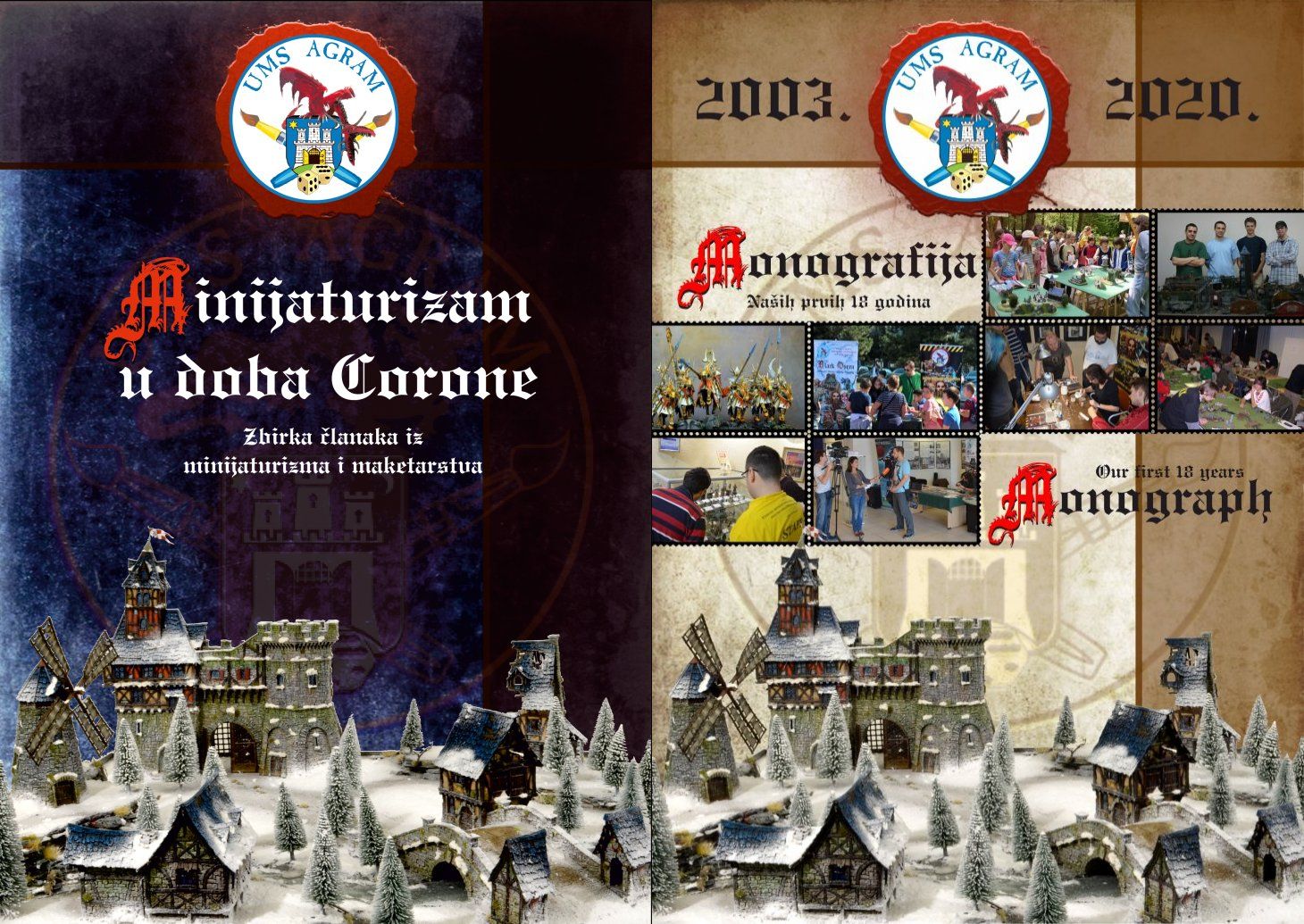
We started the year at a fast pace, publishing not one but two publications. The first was Miniaturism in the Corona era - Collection of articles from miniaturism and model making, and the second was a monograph on the occasion of the 18th birthday of the Association - Our first 18 years, 2003. -2020.
EXHIBITION OF MINIATURES AND TABLETOP SCENERY AGRAM 2021
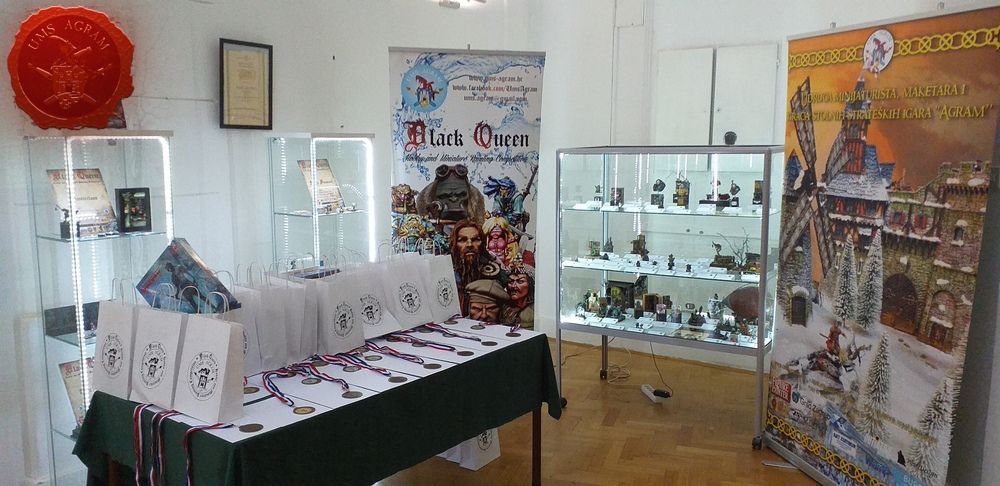
In parallel with the publication of books, we prepared our annual Exhibition of Miniatures and Tabletop Scenery, during which we organized a weekend miniature painting workshop and for the second time in this period our international Black Queen Hobby and Miniature Painting Competition. As always, the exhibition showed a cross-section of the work of the Association, its members, participants in its courses and workshops and members of the FB group Miniature Painters Croatia. Numerous miniatures for table strategy games, board games were found in a large number of showcases, and the entire showcase is dedicated to award-winning exhibits from previous miniature competitions. Several showcases were dedicated to projects that the Association has been implementing for 18 years, such as the Library and Reading Room UMS "Agram", the Workshop for making spatial models and the Workshop for coloring miniatures.
The opening of the Exhibition took place on Thursday, February 18, 2021, starting at 6 p.m. The exhibition was organized on the occasion of the eighteenth birthday of the Association, and during the opening there was a promotion of books:
- Miniaturism in the Corona era (Collection of articles from miniaturism and model making), authors: Marko Paunović, Ana Polanšćak, Goran Krunić, Jure Cukar, Matija Koružnjak, Dalibor Čavić i Krunoslav Belinić
- MONOGRAPH: Our First 18 Years, authors: Marko Paunović, Ana Polanšćak i Goran Krunić
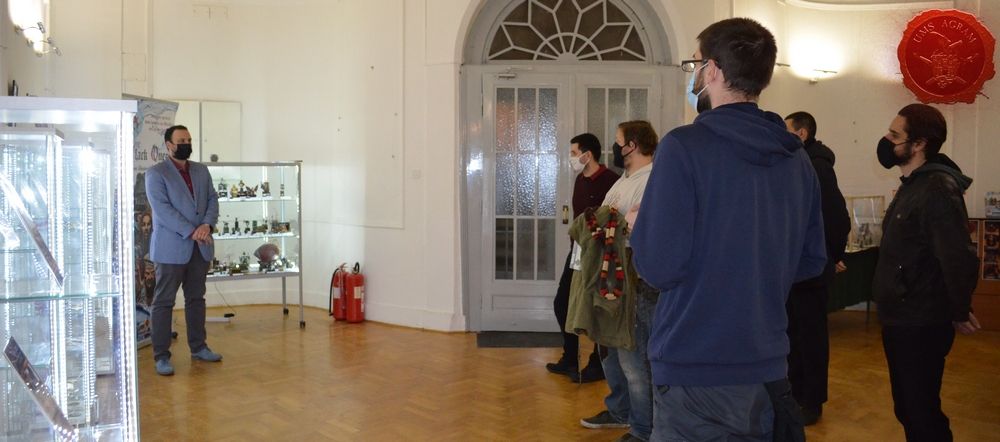
In addition, during the Exhibition, we held an election session of the Assembly of UMS "Agram", where we amended the Statute and elected a new leadership of the Association.
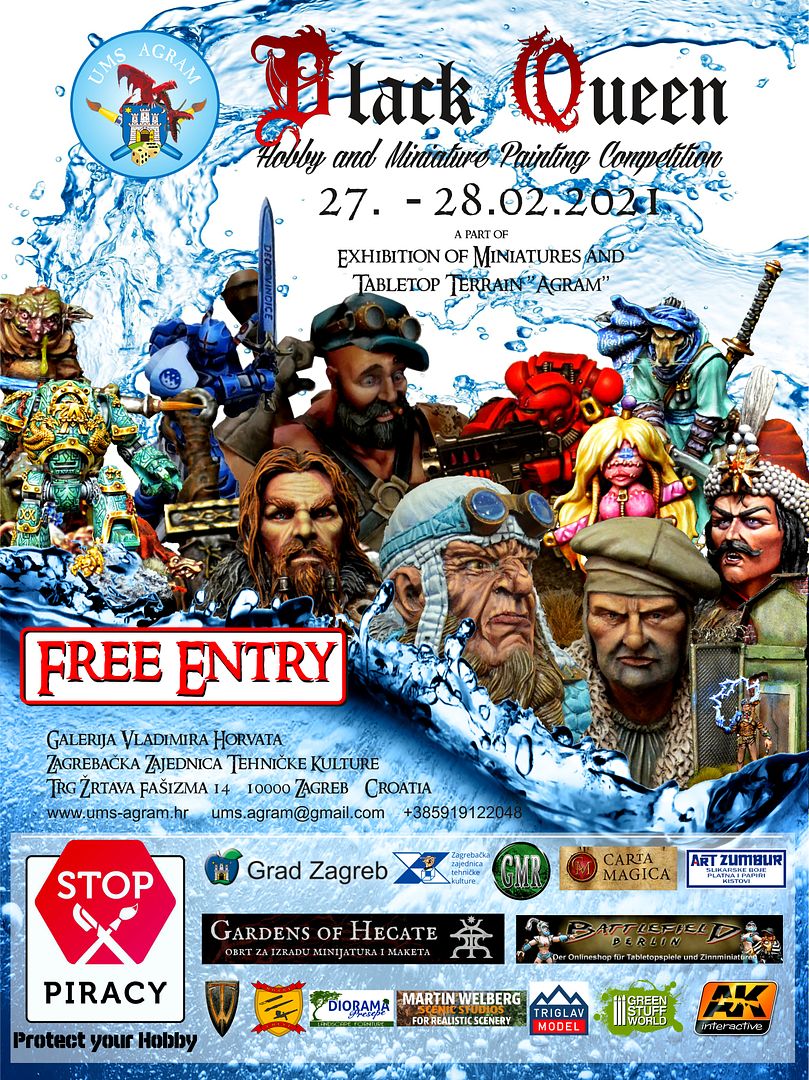
BLACK QUEEN HOBBY AND MINIATURE PAINTING COMPETITION 2021
Posljednji vikend u veljači bio je rezerviran za naš Black Queen Hobby and Miniature Painting Competition. I tu smo, zbog epidemije Covid-19, imali neke promjene u formatu natjecanja.
The biggest change in format was the registration process. For the first time, contestants had to register via email. Then they were given the exact time when they should come to check in (Saturday from 8:30 to 11:00). This limited the number of people at the scene at the same time.
MINIATURE PAINTING WORKSHOPS
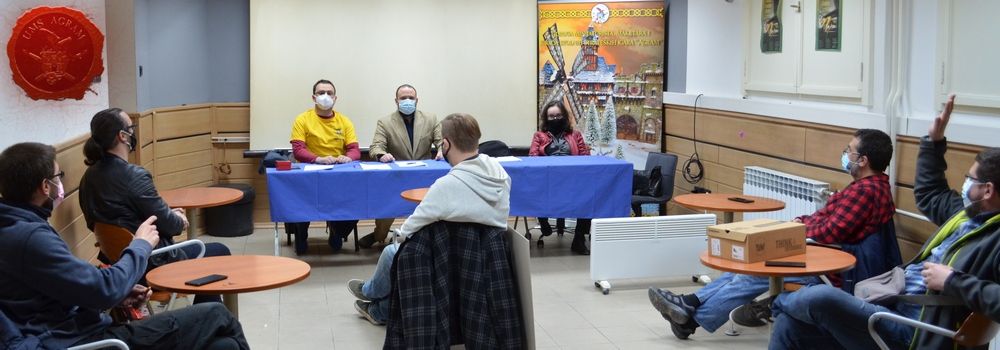
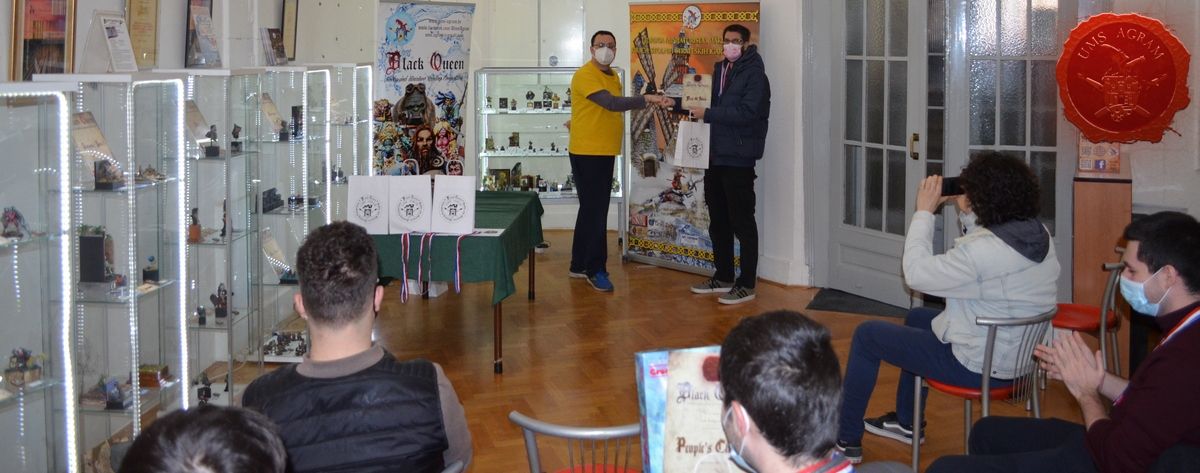
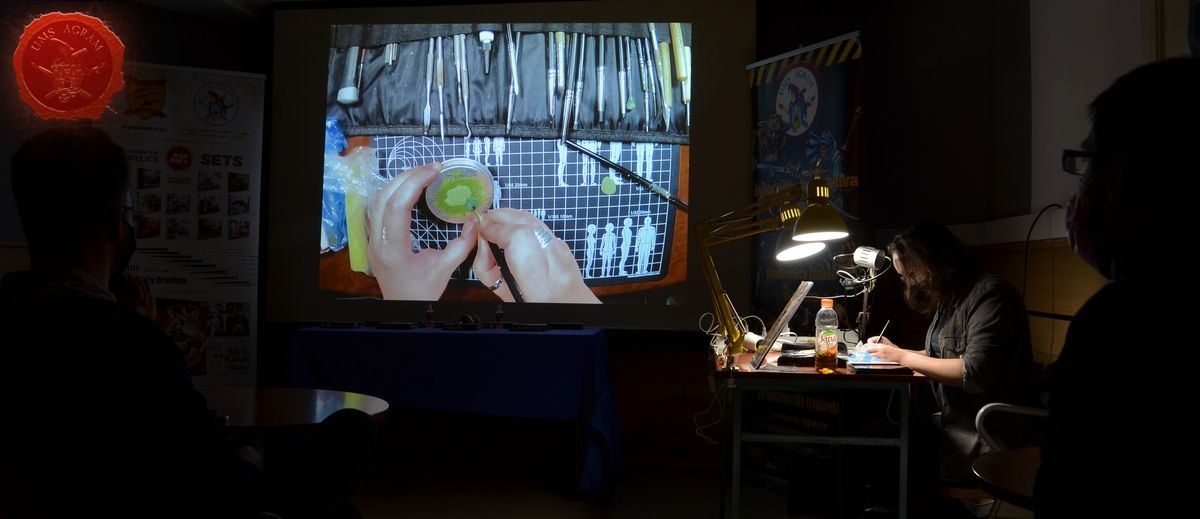
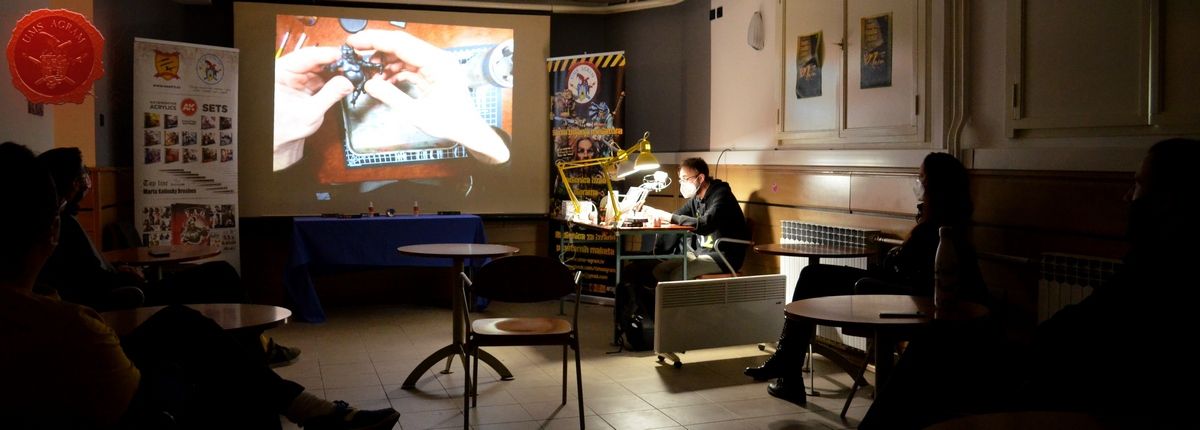
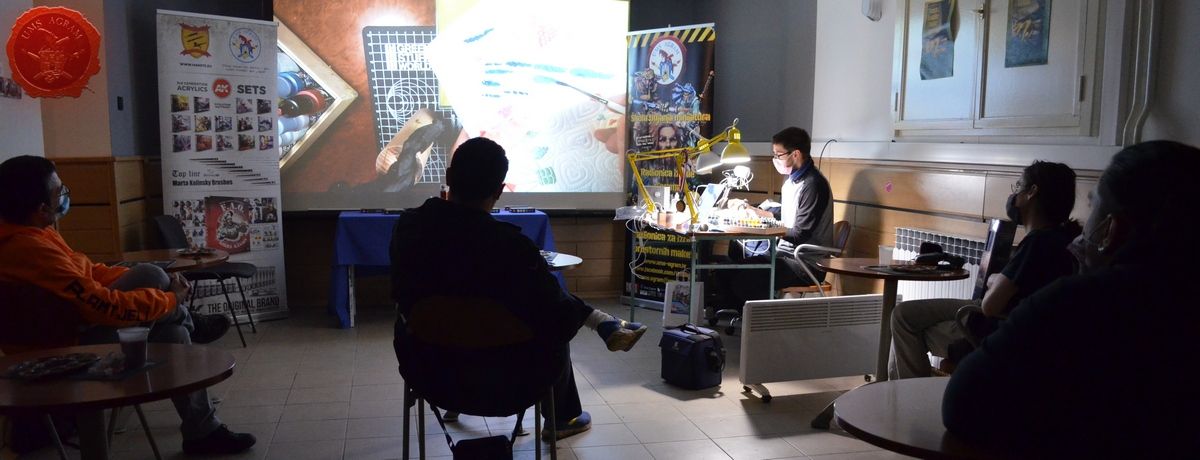
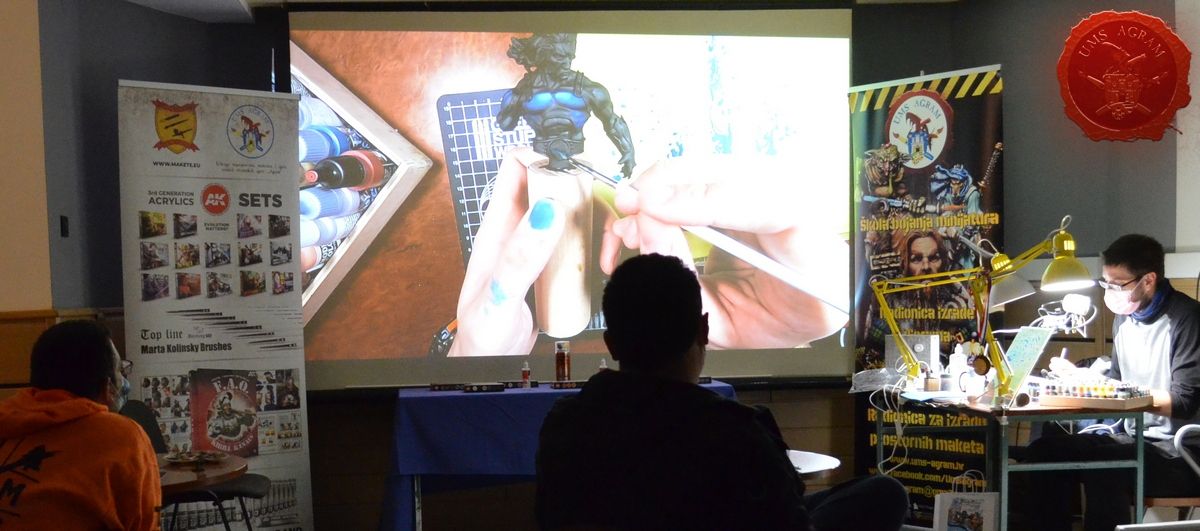
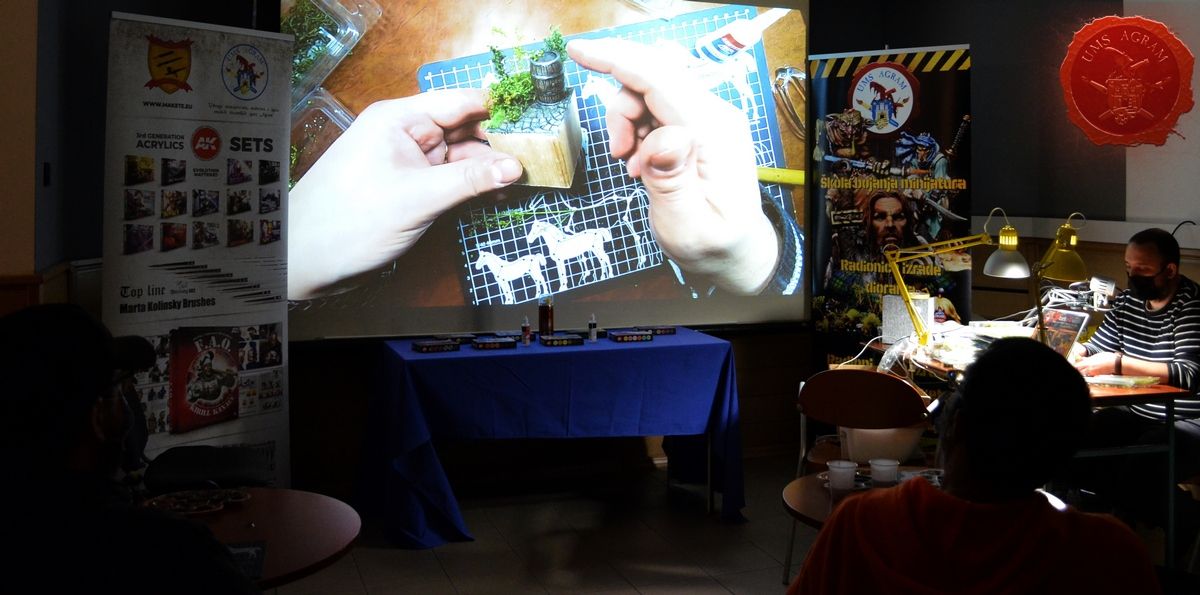
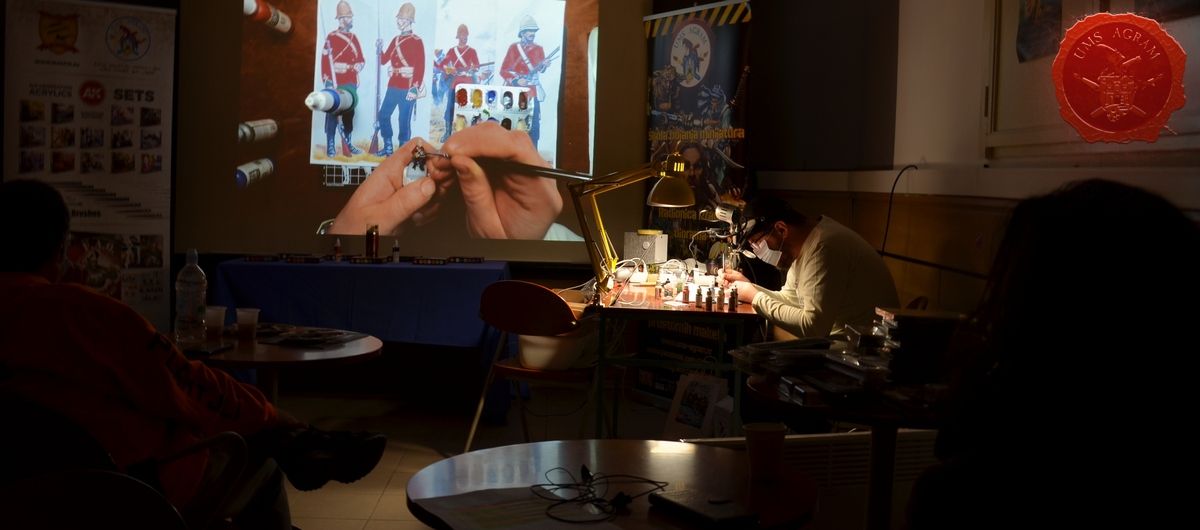
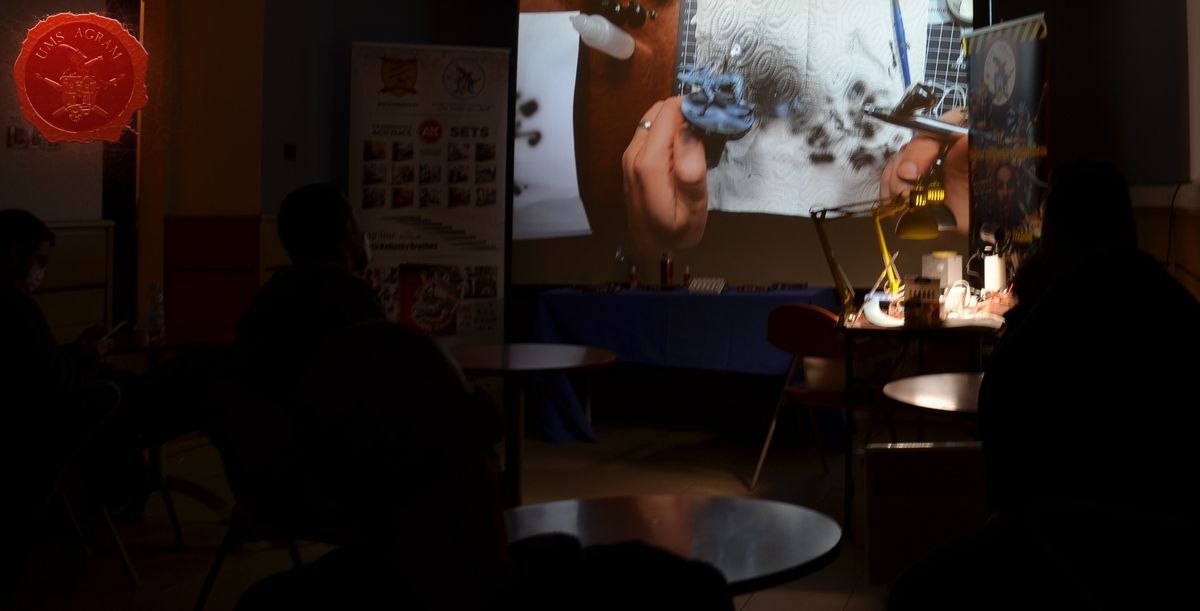
The layout of the Vladimir Horvat Gallery allows for workshops during the weekend. Therefore, on Saturday after the official opening of the competition, three one-hour demonstration workshops were organized and three on the Sunday before the awards ceremony. This year the workshops were held in the cinema hall. The lecturers' work was filmed with a camera and projected on a projection screen in the hall. In this way, social distancing was maintained. Also, this setting meant that the workshops were limited to 10 participants, so registration for the workshops via e-mail was mandatory.
SCULPTING 101 WORKSHOP
Date and time: Saturday 27. February 2021, 12:30-13:30
TUTOR:Ana Polanšćak
CONTENT:
The Workshop will cover modelling of three separate textures:chainmailfurscalesThose three textures are the most common when converting or even assembling your fantasy, SF and historical miniatures. Ana will show her method using two-component epoxies (like Green Stuff, Miliput etc.).
USING COLOURS TO CREATE ATMOSPHERE
Date and time: Saturday 27. February 2021, 14:00-15:00
TUTOR: @Matija Koružnjak
CONTENT:
The workshop deals with the process of selecting, mixing and using colour in order to create an ambient atmosphere using miniatures in 28-32mm scale. The theoretical part covers the reasoning behind the selection of a specific palette with regard to the colour theory, the concept of saturation and ambient lighting as the main postulates of practical application, while through the practical part of the sketching process we show how to turn an idea into realisation.
DILUTING PAINT 101
Date and time: Saturday 27. February 2021, 17:00-18:00
TUTOR: Jure Cukar (aka @John Alton)
CONTENT:
This workshop will cover the basic ways to manipulate paint. How to prepare out-of-the-bottle acrylic paint, using various diluting ratios, to be used for layering, washing and glazing techniques as well as how to properly use those techniques on your miniatures. The tutor will use the Lord of the Cats bust by Michael Kontraros Collectibles.
VEGETATION 101 WORKSHOP
Date and time: Sunday 28. February 2021, 10:00-11:00
TUTOR: @Marko Paunovic
CONTENT:
The workshop will cover the process of making a simple base/terrain. The focus will be on recreating life-like vegetation where the tutor will show how to use various types of vegetation. The vegetation used will be from @Martin Welberg Scenic Studios and @Diorama Presepe.
HISTORIC MINIATURES 101 WORKSHOP
Date and time: Sunday 28. February 2021, 11:30-12:30
TUTOR: @Dalibor Čavić
CONTENT:
This workshop will cover the process of painting 28mm historical miniatures. The tutor has chosen British colonial infantry from Anglo-Zulu wars (1879) by Perry Miniatures to explain the theory behind finding historic sources for uniforms as well as practical application using various techniques like basecoating, washing, highlighting and detailing with acrylic paints.
AIRBRUSHING 101
Date and time:Sunday 28. February 2021, 14:30-15:30
TUTOR: Mario Ogrizek-Tomaš (aka @Cuvar Boja)
CONTENT:
The workshop will cover the basic techniques for working with an airbrush. Topics we will address: • myths and legends about miniature painting with an airbrush (mythbusting) • airbrush anatomy, • which compressor settings to use, • basics of using dual action airbrush (trigger control), • colour consistency and troubleshooting, • zenithal undercoat, • precision spraying, • cleaning, • safety at work.
Speed Painting Contests
There was a speed painting contest organised on Saturday. Participants (up to 10) had an hour to paint a single miniature. Thanks to our sponsor Hobby Chest who secured a huge donation of painting materials by AK Interactive, we were able to hold a Speed Painting Contest with the following rules: - contestants had an hour to paint a miniature - all contestants painted the same (type of) miniature - we provided the paints by AK Interactive - we provided the brushes by AK Interactive
WEEKEND MINIATURE PAINTING WORKSHOPS
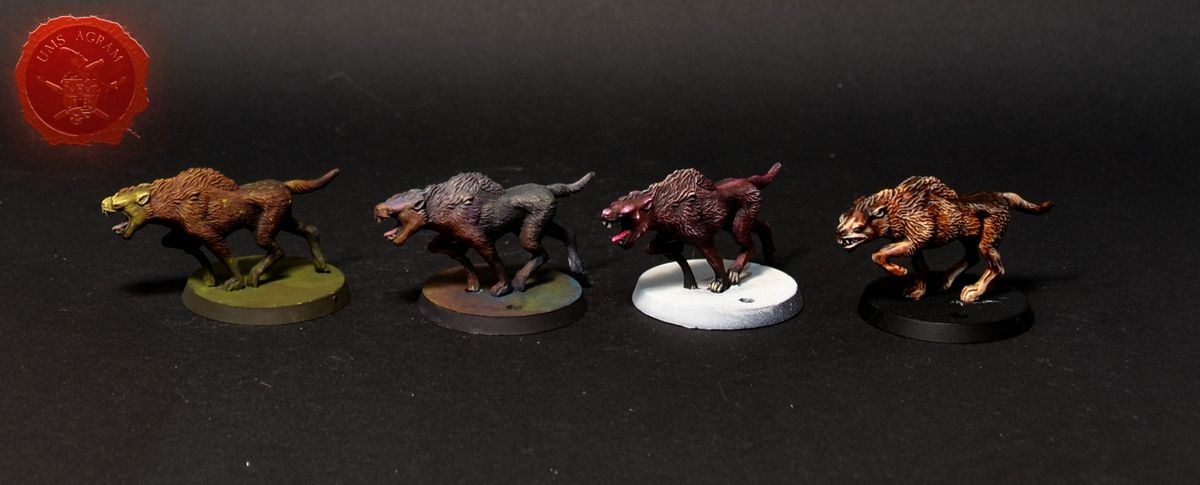
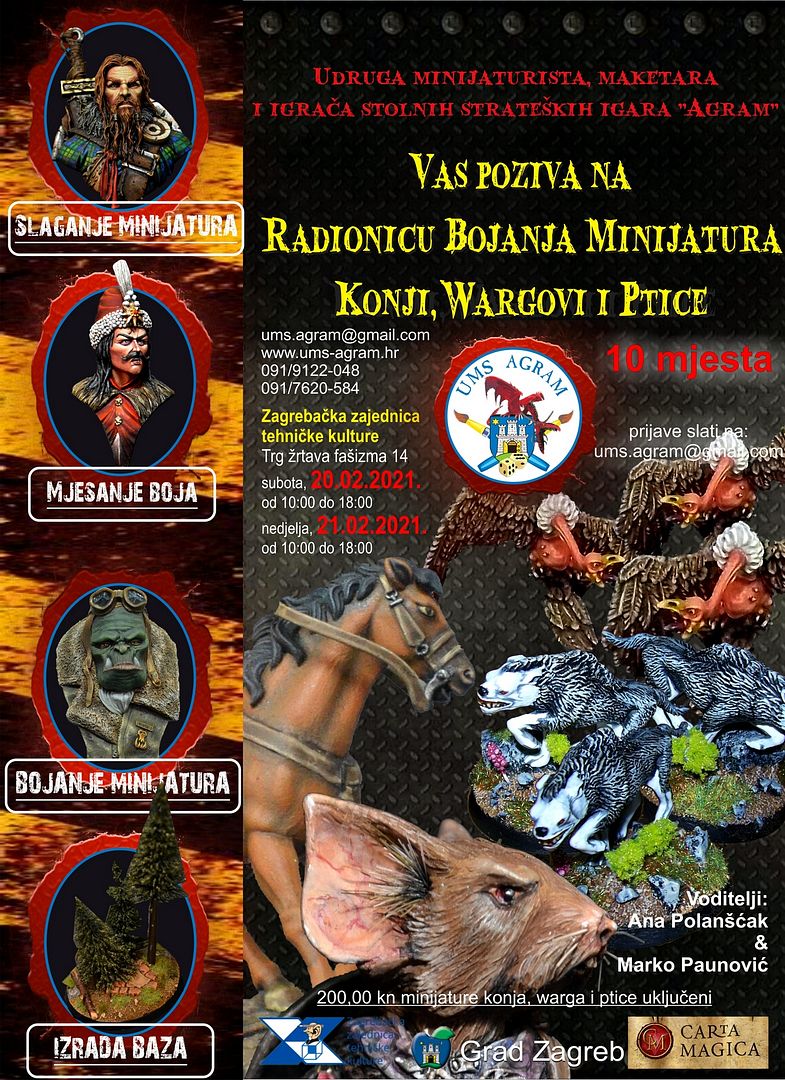
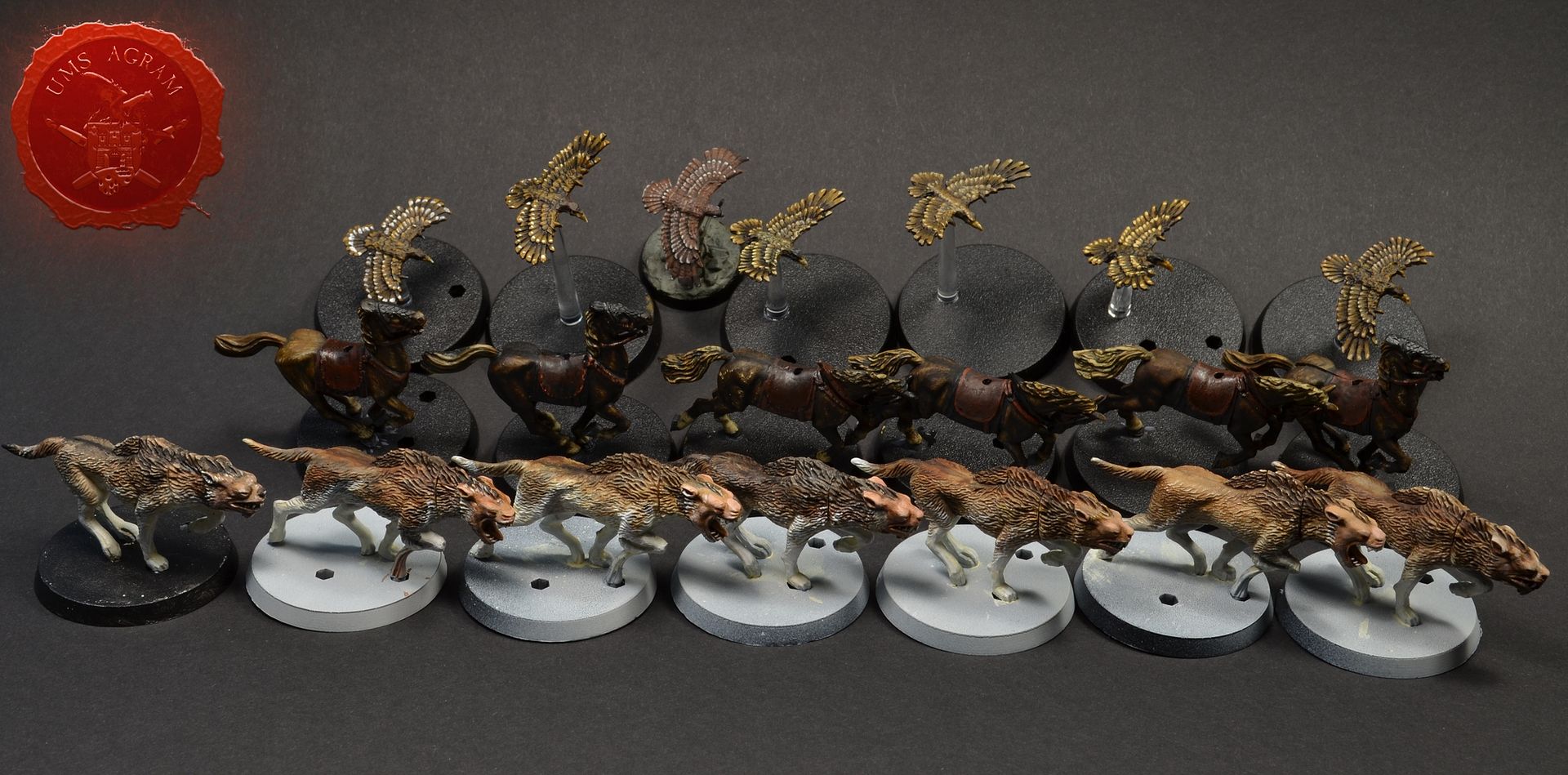
On 20.-21.2., we organised a MINIATURE PAINTING WORKSHOP – Horses, Wargs and Birds.
The weekend workshop covered the basics of painting three kinds of animals. The main focus of the workshop was painting of the fur textrue, long and short animal hair as well as feathers. For this, the tutors chose some appropriate miniatures of horses, wargs and birds for the attendees to paint with acrylic paints. The lectures were addapted so the tutors could spend equal ammount of time on each participant and therefore could addapt to all categories of miniature painters (beginer or advanced).
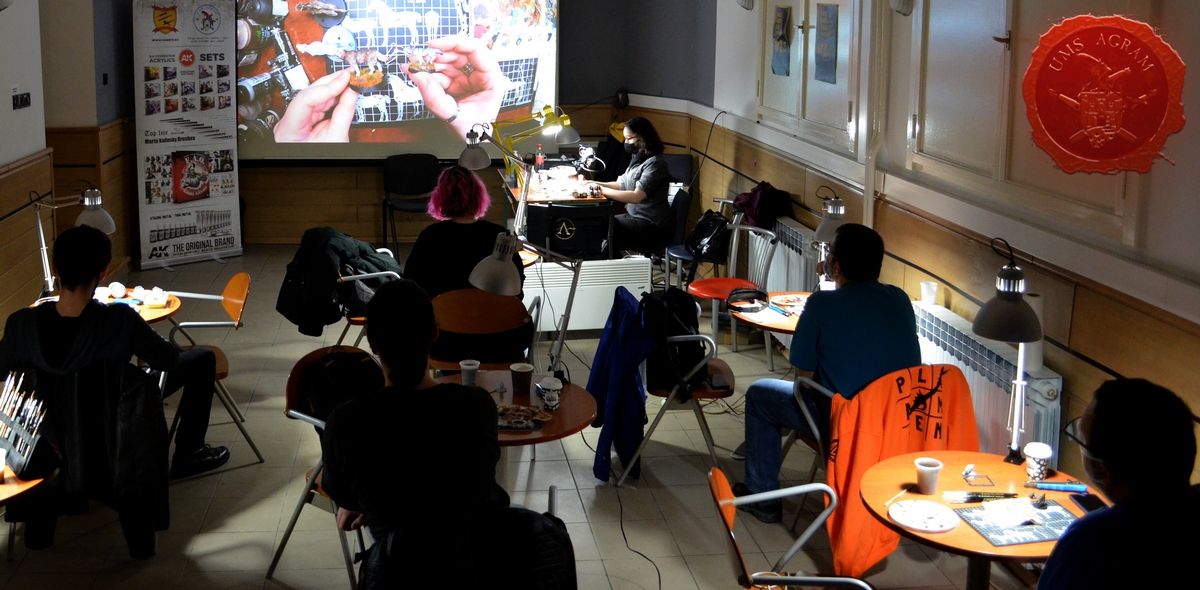
First the tutor sitting behind his desk explained and demonstrated each step of the painting on his example. His work was transmitted over a camera and a digital projector onto a screen in the cinema hall. The pupils watched and listened to the tutor but could also stop him/her and ask questions. Then, the pupils paint their own miniatures copying what they have learned while the tutors walk among them and check their progress. The following themes were covered:
1. Horses – short hair and long hair
2. Wargovi – fur and snout
3. Birds – feathers, beak and claws
The club provided all with the necessary equipment, paints, tools, brushes, lighting, glue as well as a set of paints.
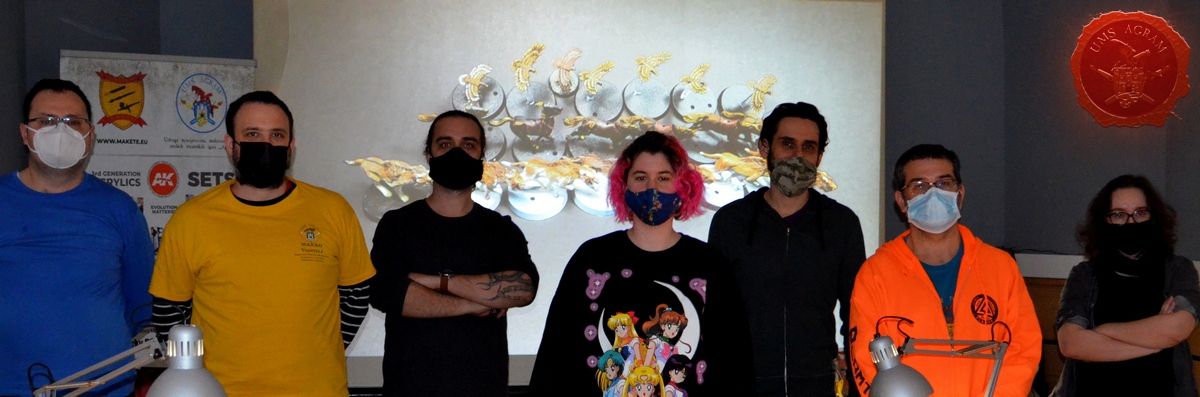
Due to the pandemic, the following epidemiologic measures were enforced:
Correct wearing of masks was obligatory. The Disinfectant was at hand for all to use freely. Camera nad projection screen was used to ensure the social distancing while lecturing and separate tables for all the participants moved 2m apart to ensure the social distancing while the pupils paint.
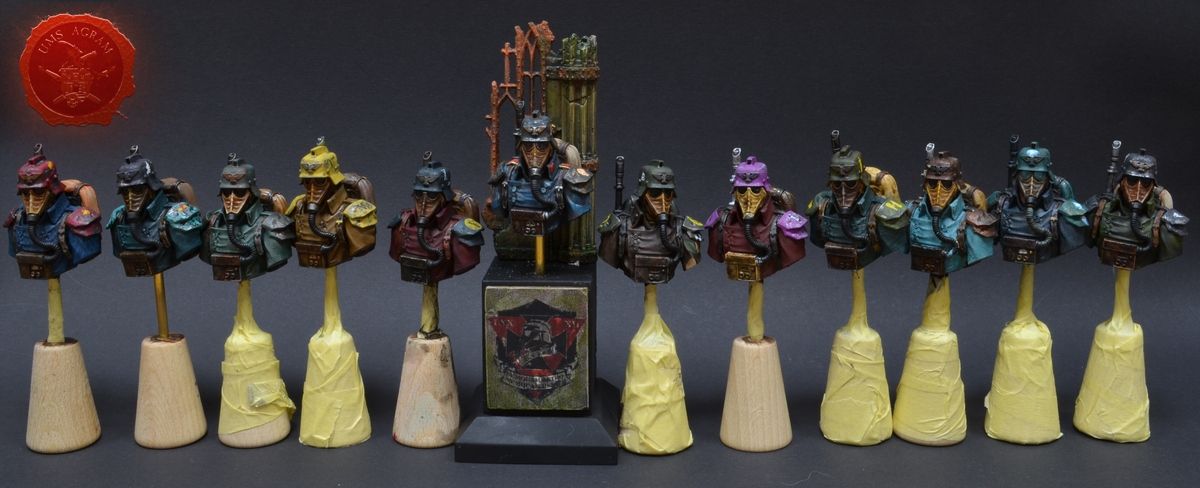
Miniature painting workshop - bust of Krieger was held over the weekend of 22-23.05.2021. in the cinema hall of the Zagreb Association of Technical Culture on Trg žrtava fašizma 14. Both days the workshop lasted from 10 am to 6 pm and there were a total of 10 participants who painted the bust of Death Guard of Krieg.
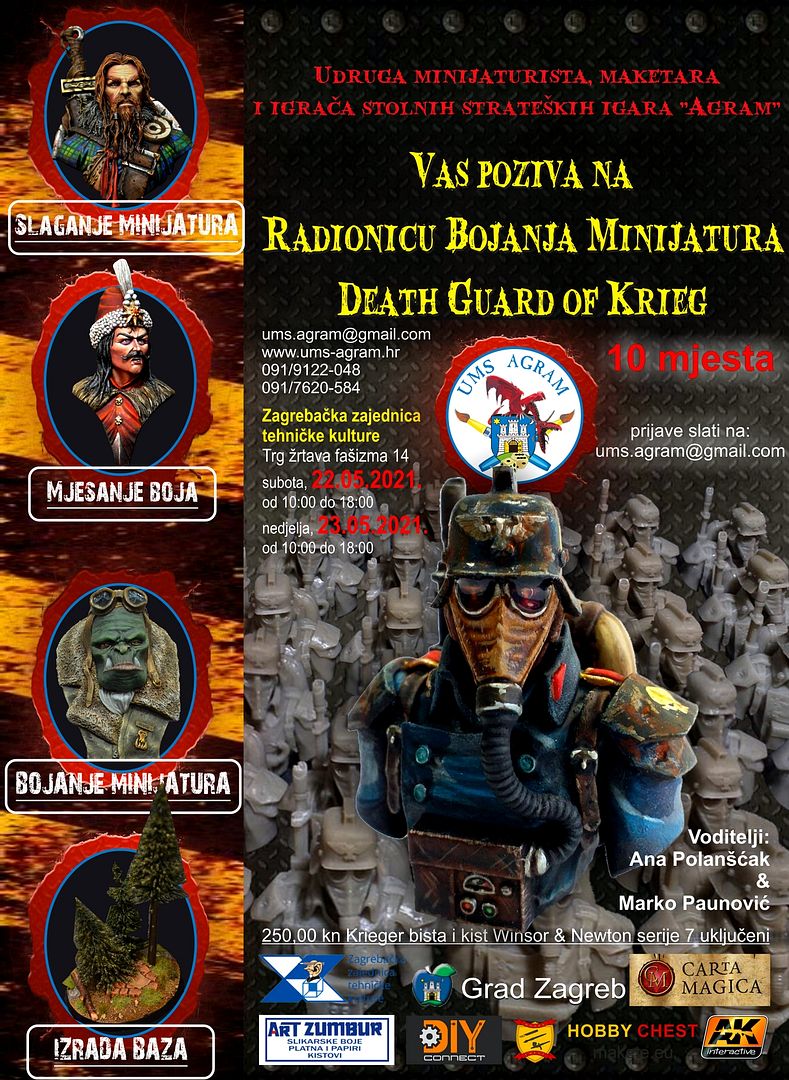
The main focus of these lectures was the coloring of camouflage, textures of rough textiles, leather textures, metals and weathering. Guided by this, the leaders chose a suitable post-apocalyptic bust that all participants were afraid of. As part of the workshop, acrylic paints and oil effects were used.
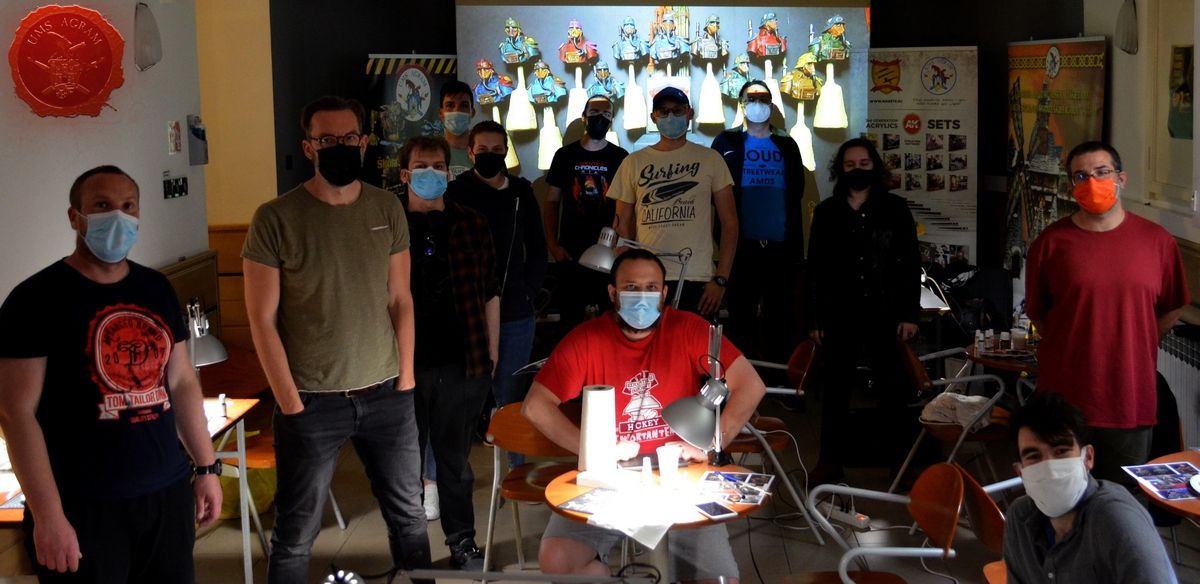
The workshop included the following thematic units:
1. Setting up the bust at the base
2. Preparatory work on the bust and the base color
3. Textile dyeing and subsequent camouflage
4. Metal parts and weathering
5. Leather belts and holsters
6. Glasses with glare
7. Decals
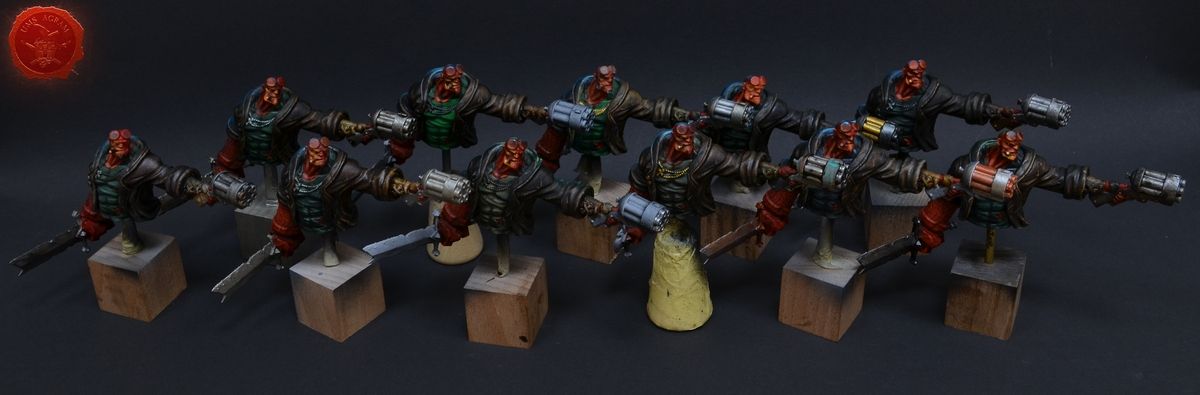
Miniature painting workshop - bust of Hellboy was held over the weekend of 18-19.09.2021. in the cinema hall of the Zagreb Association of Technical Culture on Trg žrtava fašizma 14. Both days the workshop lasted from 10 am to 6 pm and there were a total of 10 participants who painted the bust of Hellboy.
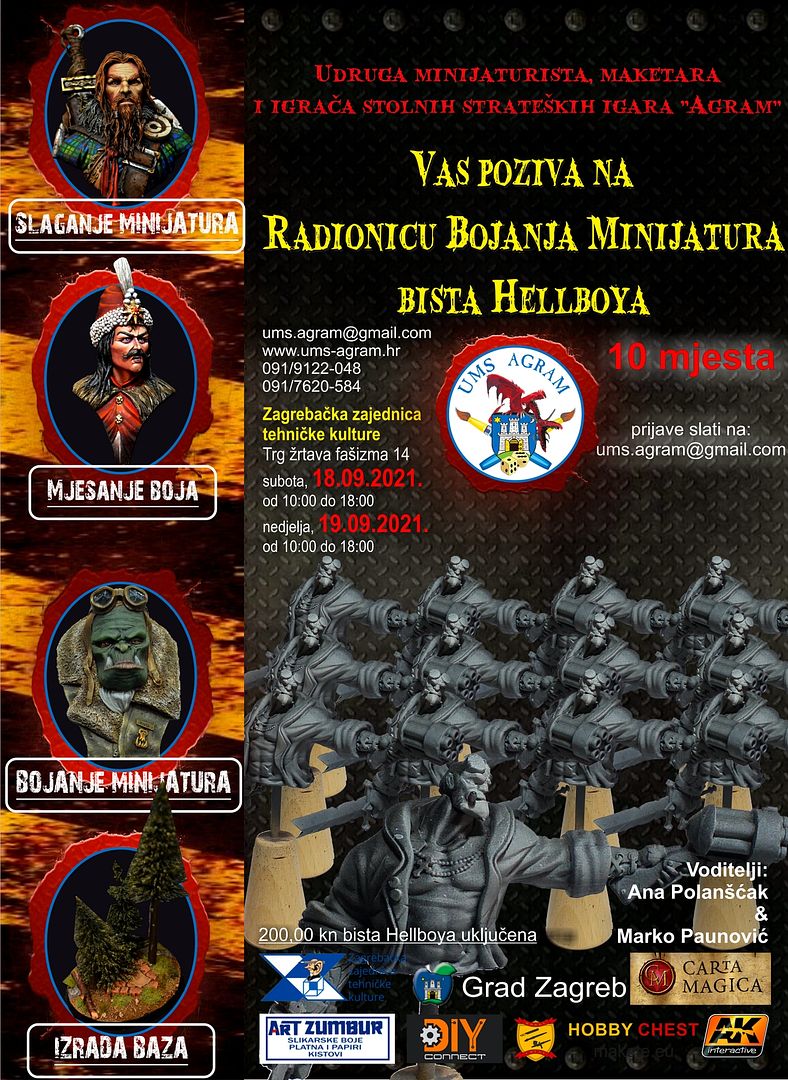
The main focus of these lectures was the coloring of demon skin, the texture of rough textiles or leather parts and special effects such as OSL. Guided by this, the leaders chose a suitable bust of Hellboy. As part of the workshop, acrylic paints as well as oil effects were used.
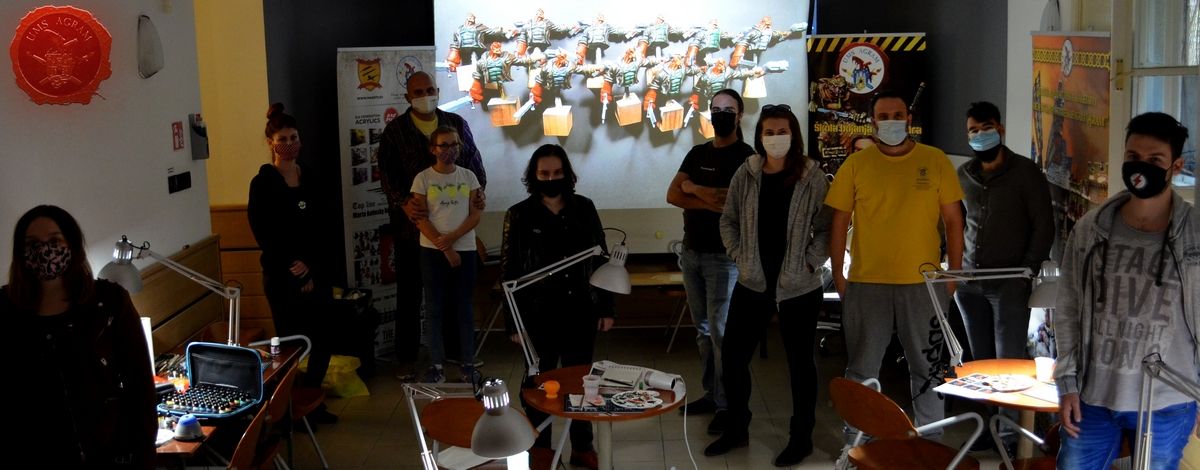
The workshop included the following thematic units:
1. Setting up the bust at the base
2. Preparatory work on the bust and the base color
3. Painting demon skin
4. Leather / textile coat surfaces
5. Special effects: OSL acrylics
MINIATURE PAINTERS CROATIA – FB group
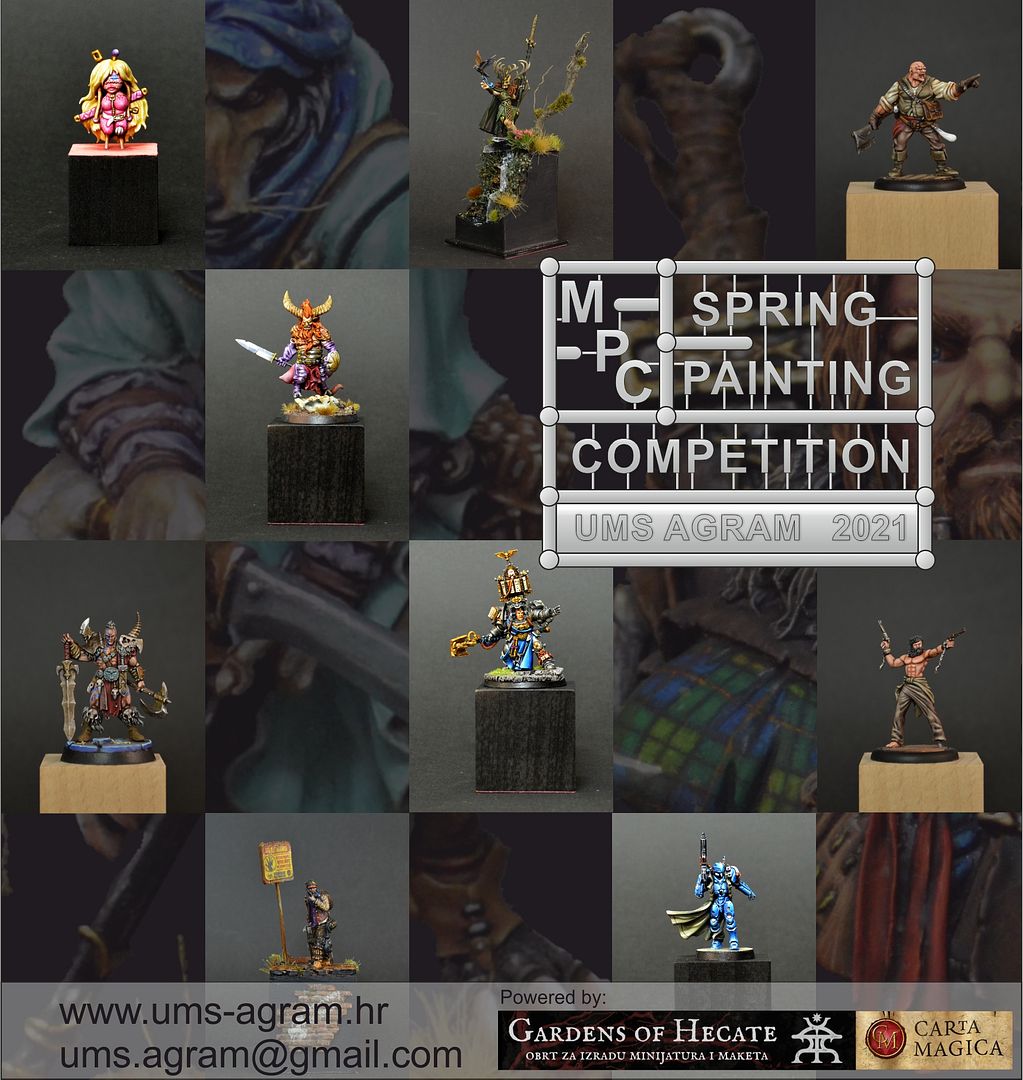
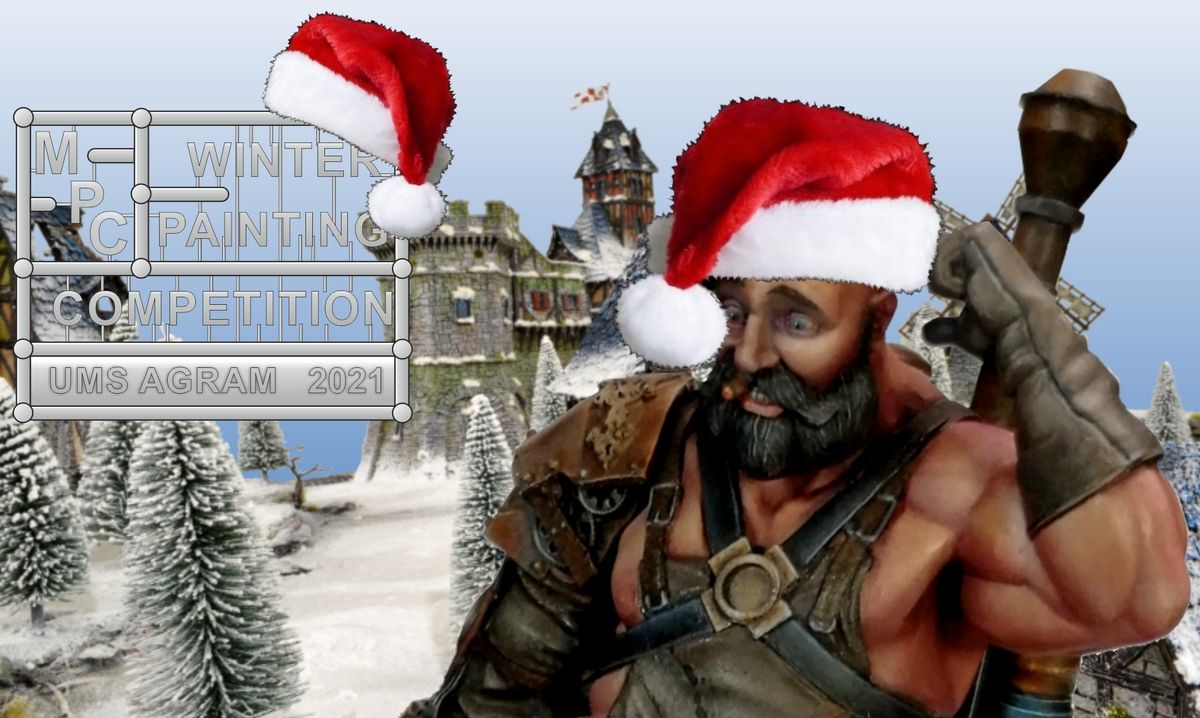
At our FB group Miniature Painters Croatia, we organized two online competitions in coloring miniatures: Summer Painting Competition and Winter Painting Competition.
WEDNESDAY HOBBY CORNER
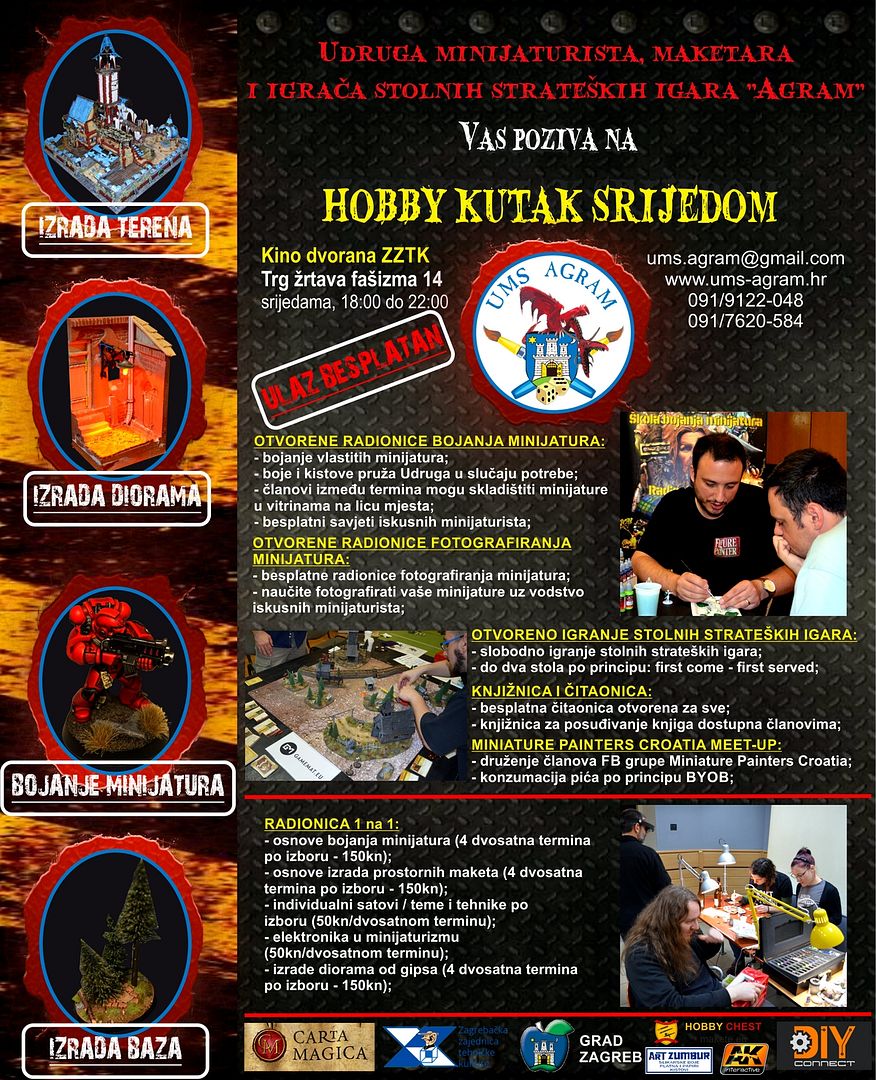
Wednesday Hobby Corner is conceived as a sum of free activities in the space used by UMS "Agram" on Wednesday night. Most of the activities are open to everyone, with some benefits for members of UMS "Agram" such as storing miniatures in display cases between appointments or borrowing books from our rich Library. All activities were available in each of the terms to the extent permitted by the current epidemiological situation.
1 on 1 Workshop
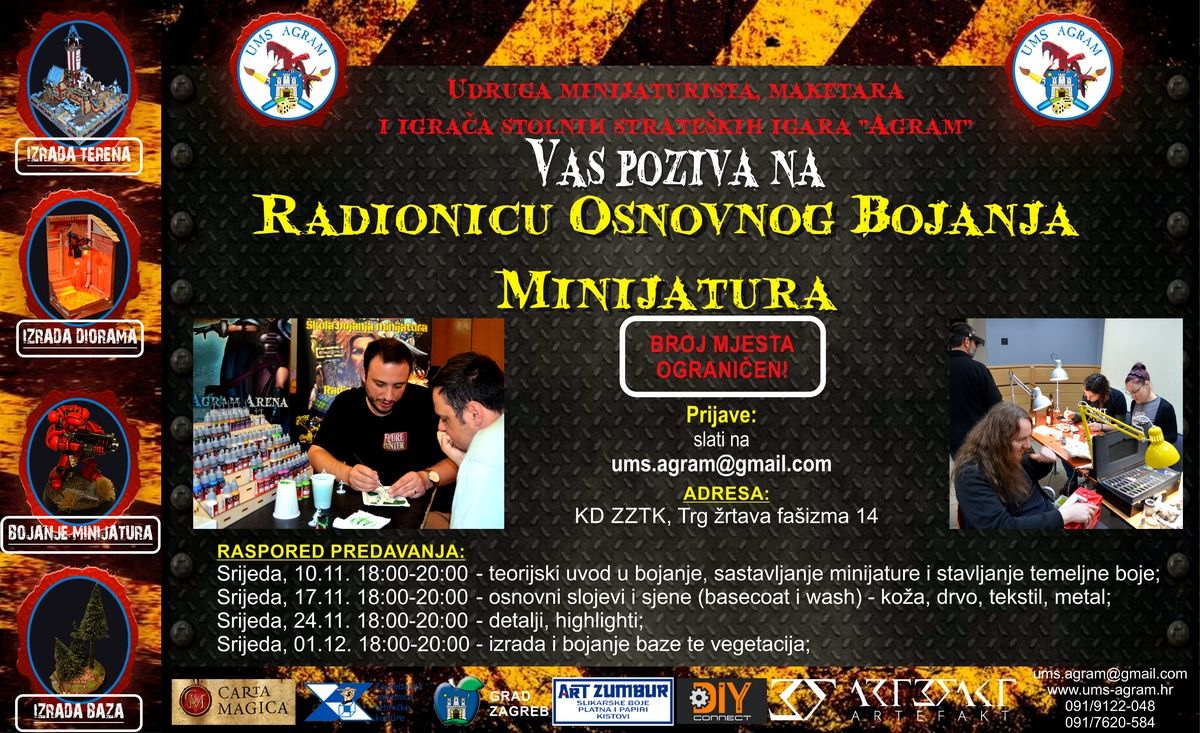
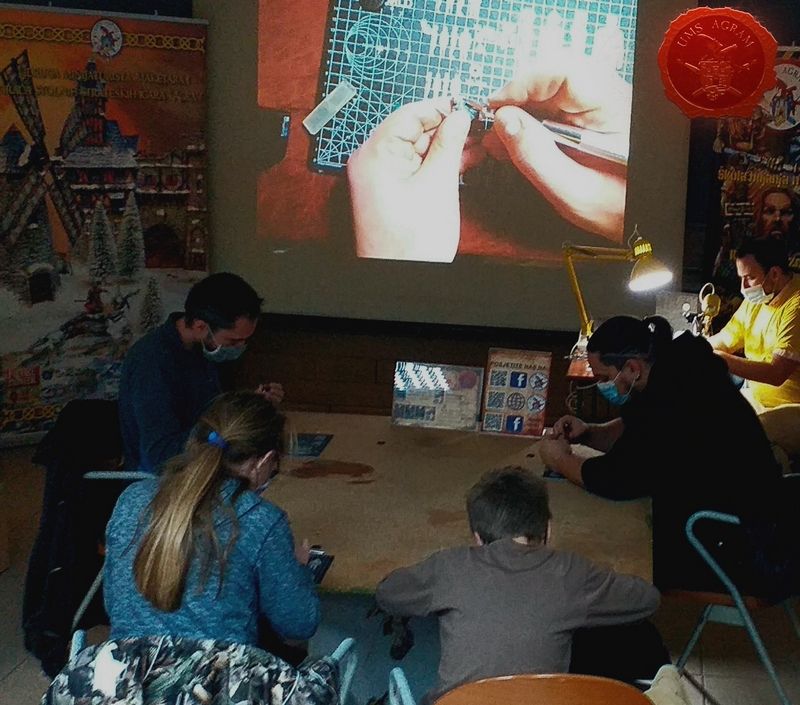
For all those who wanted to learn how to paint miniatures in structured and carefully designed workshops, as part of the Hobby Corner, we organized One on One Workshops. The One on One workshop has several modules designed to introduce beginners to every aspect of this hobby as soon as possible, but also to enable more experienced miniaturists to learn / practice more advanced techniques in agreement with the leaders. Work programme: 1st term - introduction to paints, glues and brushes, composing miniatures and primers 2nd term - basic layers and shades (basecoat and wash): leather, textile, metal, wood 3rd term - details and highlights 4th term - making and painting the base and vegetation
Terrain Workshop
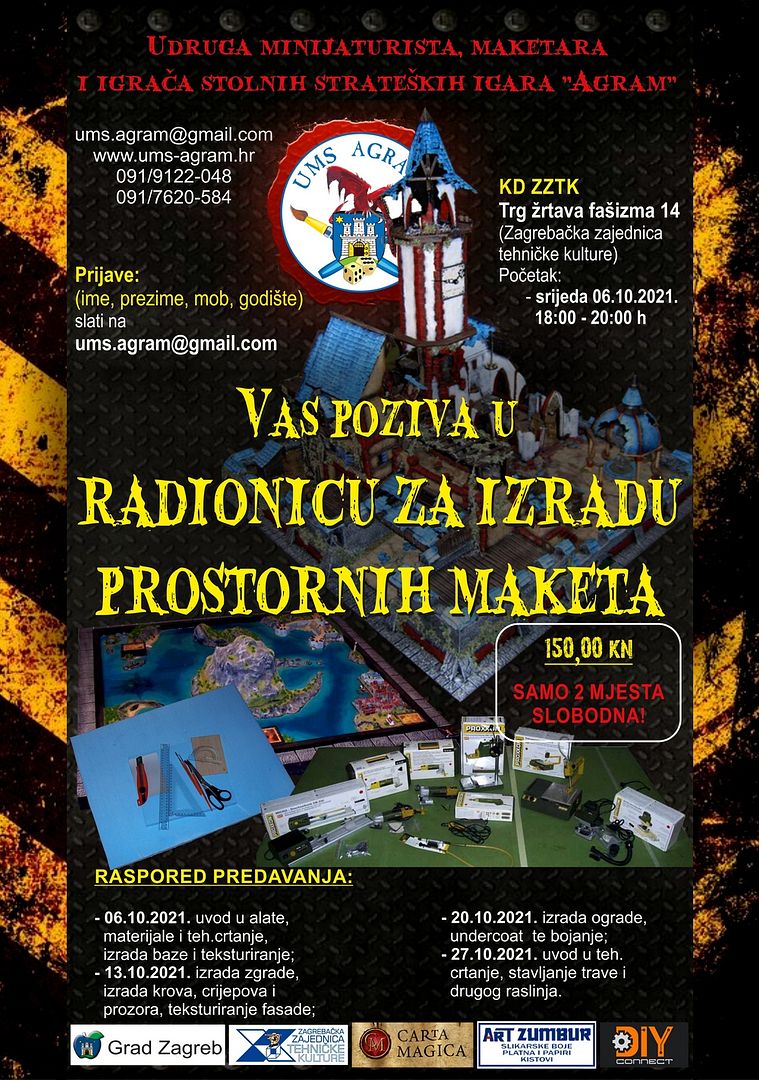
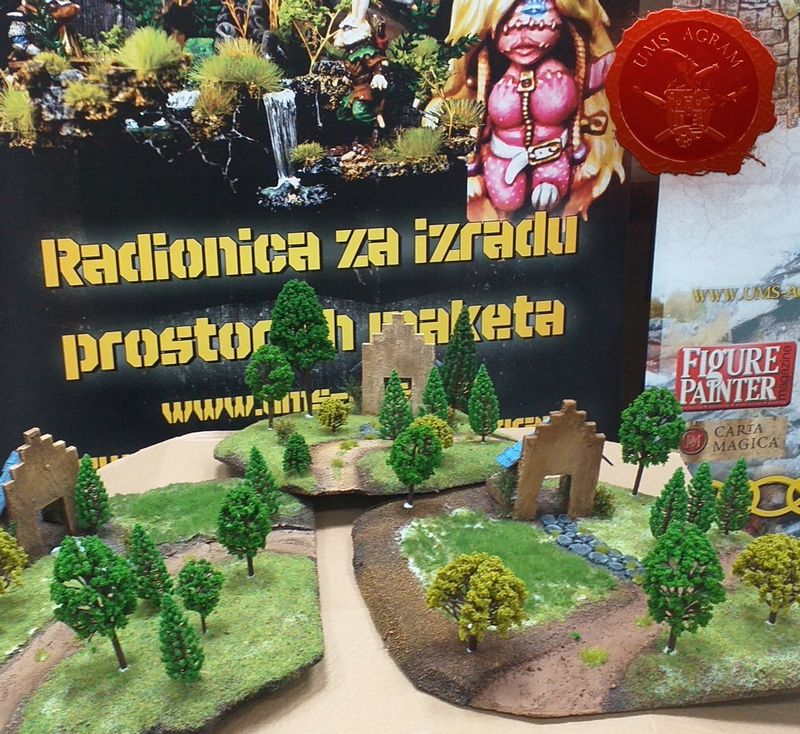
As part of the Wednesday Hobby Corner, a terrain workshop was held, in which our youngest participants learned to make terrain scenery this year. Work programme: 1. term - introduction to tools, materials and technical drawing; base making and texturing 2. term - construction of the building, roof, tiles and windows; facade texturing 3rd term - making a fence, undercoat, painting 4th term - introduction to technical drawing, placing grass and other plants
The Bust Saga
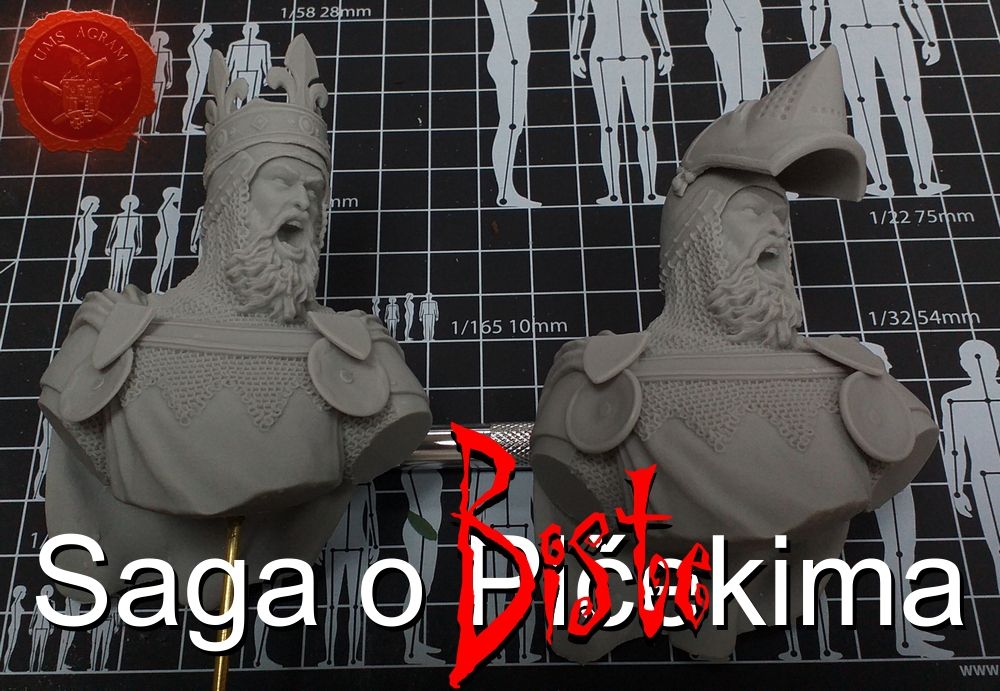
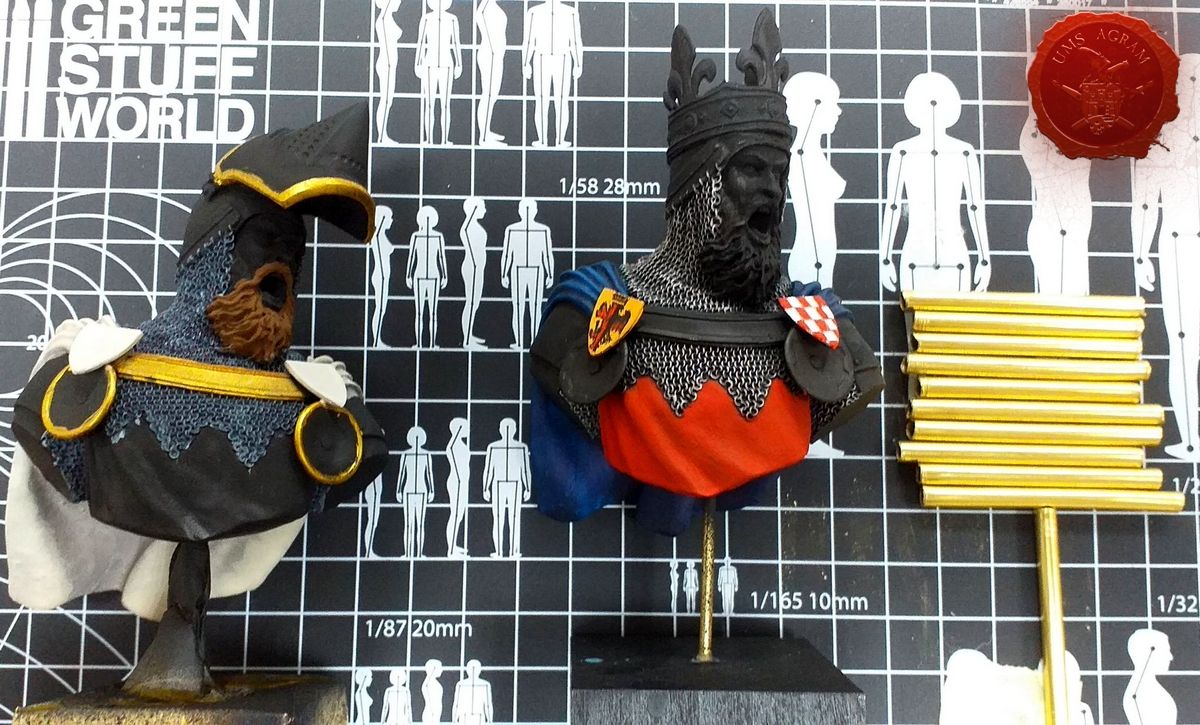
The Bust Saga is the forerunner of a program called Agram Group Build. Our Goran and Marko started making and painting two of the same busts. They painted exclusively on Wednesdays during the Wednesday Hobby Corner, and we followed their work in articles on the UMS "Agram" page.
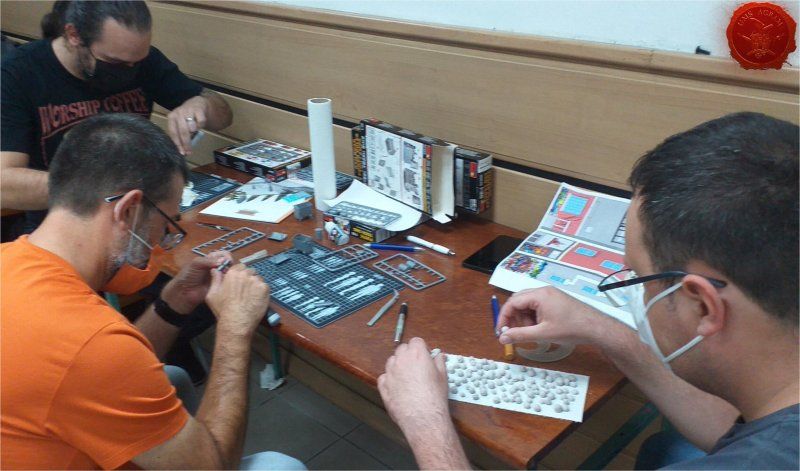
AGRAM GROUP BUILD
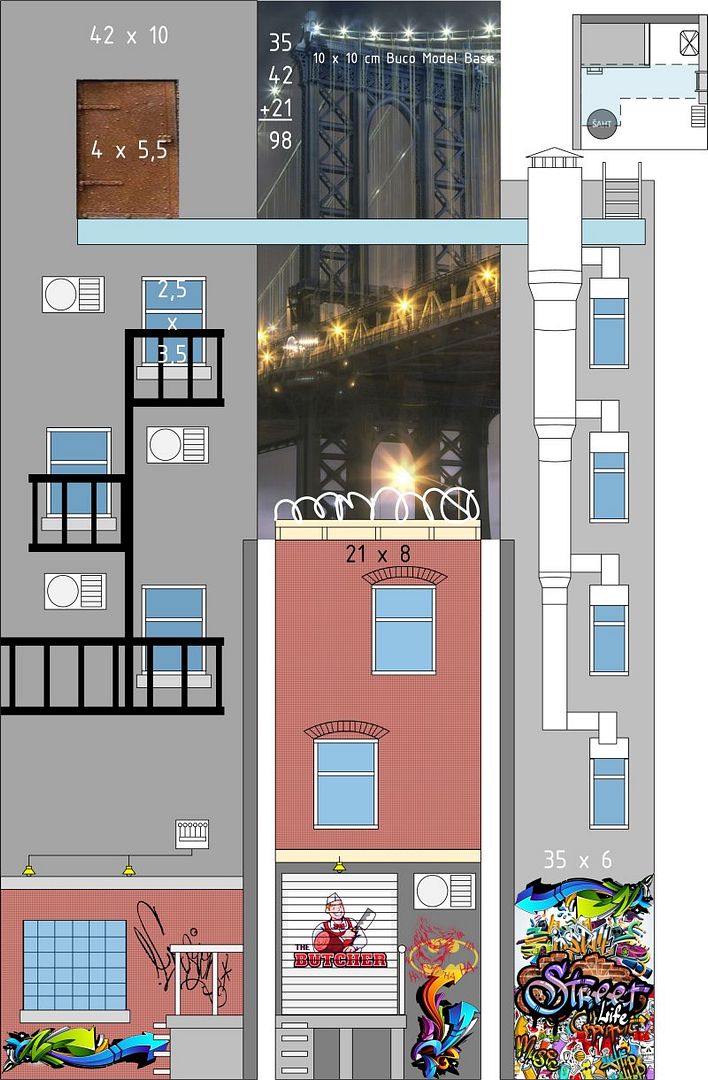
As part of the new UMS "Agram" project called Agram Group Build, which was created after Goran, Kruno and Marko discussed joint projects on Wednesdays and how cool it would be to gather more people on Wednesdays to work on something together… This gave birth to the idea of Group Builds. In 2021, the NY / Gotham diorama from the 1980s was launched. And two more group builds are in preparation - dieselpunk flying island and coloring 4 busts on the theme of the Three Musketeers.
AGRAM ATMOSPHERE
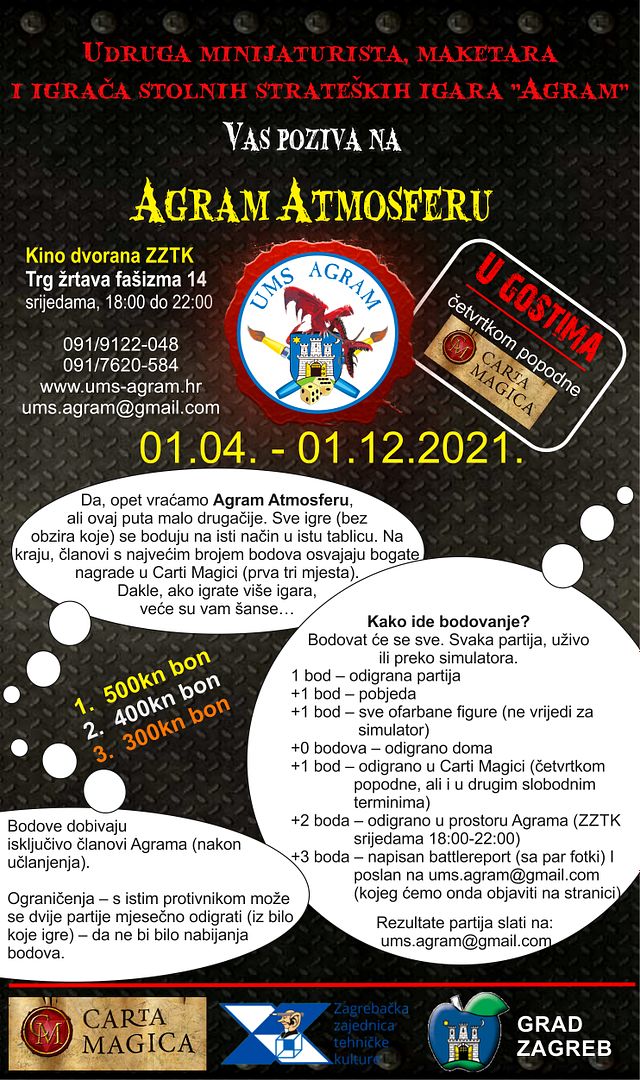
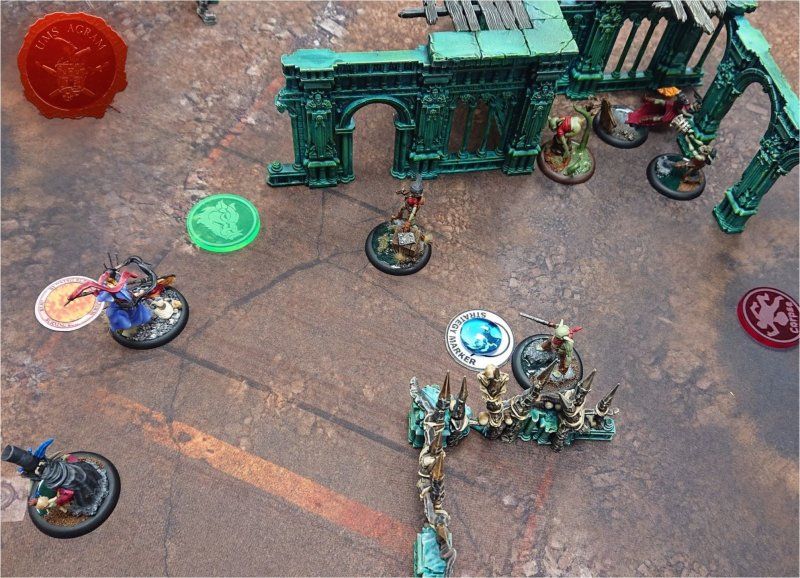
Hoping to bring the gaming part of the population back to the Association, we started the Agram Atmosphere program earlier this year. Unfortunately, the program was shut down by the leader's decision to leave the Association. However, even the limited maintenance of the program brought us a handful of good battle reports that were published on our site!
Domagoj's Slow Grow League
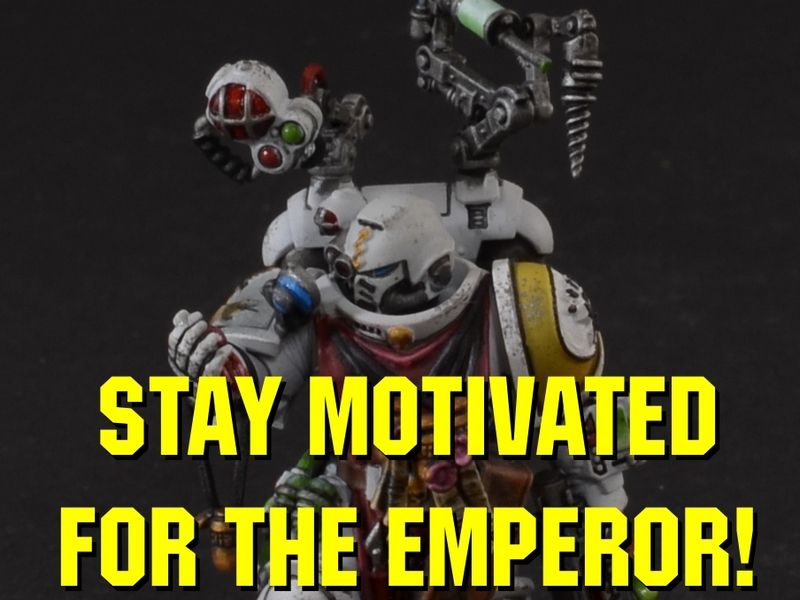
And just when we thought gaming was unfortunately over, our Domagoj appeared with the idea, will and enthusiasm to start something casual, uncompetitive and suitable for beginners, something that eventually crystallized in Domagoj's Slow Grow League in 40k. The boys play with small armies and are rewarded with points for newly painted figures. In this way, fast, short games are played, but also the coloring of the figures is stimulated for the general enjoyment of both the player and the rest of us who are watching from the sidelines!
PERFORMANCES OF OUR MEMBERS IN COMPETITIONS
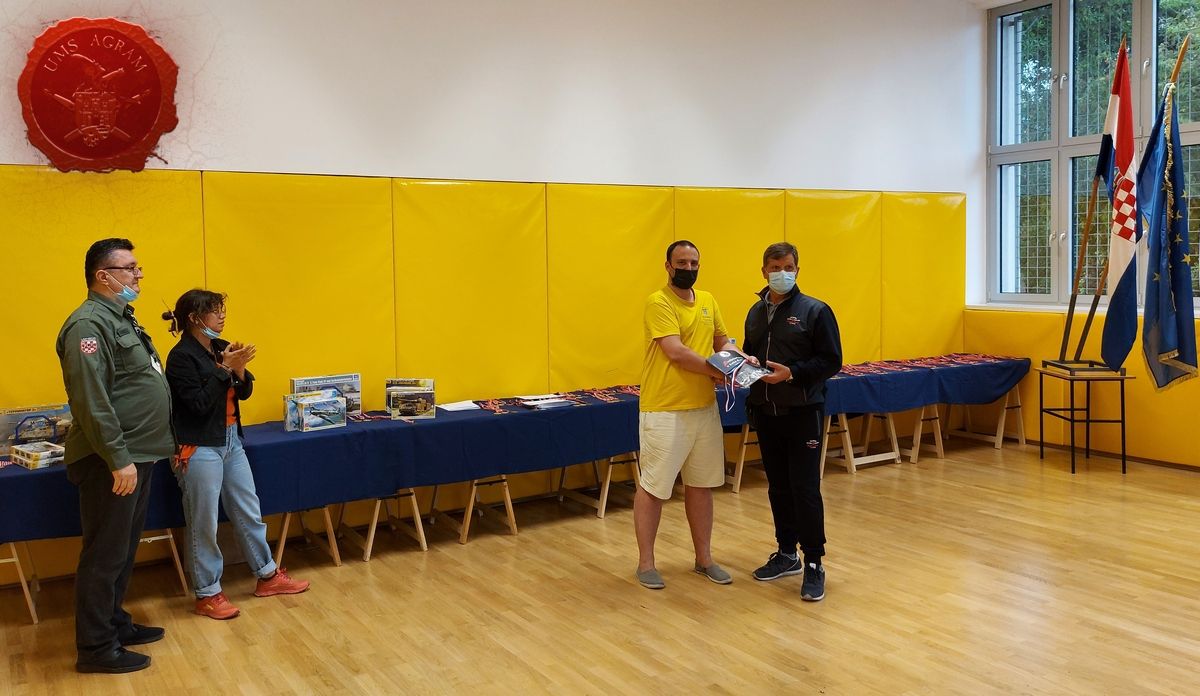
On Saturday, August 28, 2021 organized by ZMMS, the 16th Model Making Cup Zagreb was held at the Electrical Engineering School in Zagreb. The organizers allowed us to award the Best of Show by UMS Agram. The award was in the form of a medal and our collection of articles from miniaturism and modeling Miniaturism in the Corona era and went to Mr. Roland Vlahović.
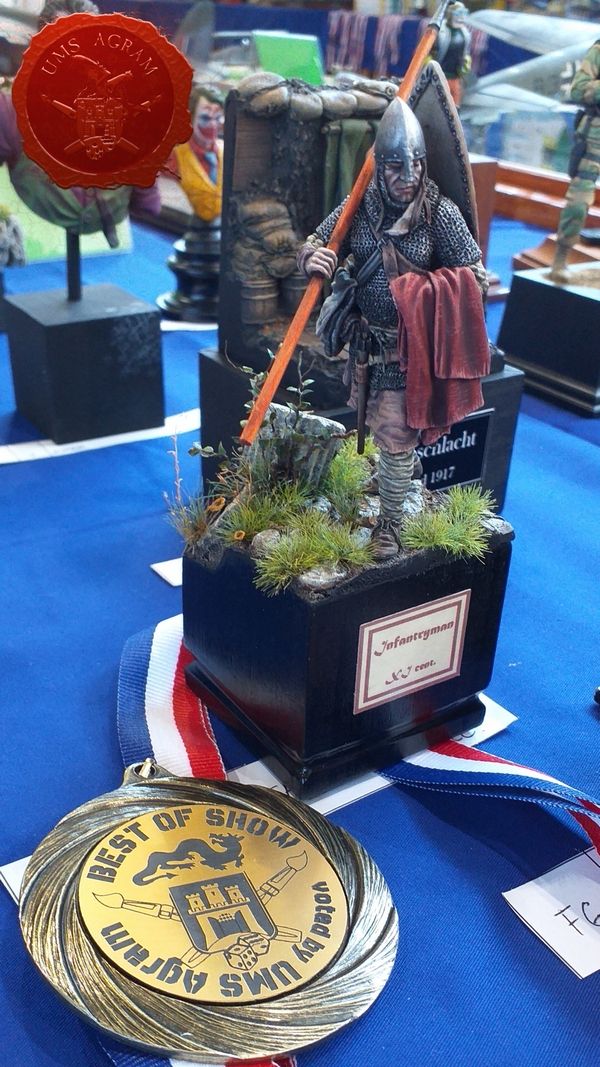
On Saturday, September 11, 2021 organized by HUVM, the 16th Modeling Cup CK2021 was held at the Gračani Elementary School in Zagreb. Highlight of the day is certainly the stand of Miniatures.si, which, in addition to sales, also organized the only workshop at this year's competition led by Luka Jančić on their bust of firefighters. This was the first “place” where that bust could be purchased. In addition to the bust, in a metal box, there is a USB with about 5 hours of video material with instructions for coloring the same bust. A real hit for beginners and those who want to learn more. BEST OF SHOW chosen by members of UMS Agram: Mr. Angelo Milella
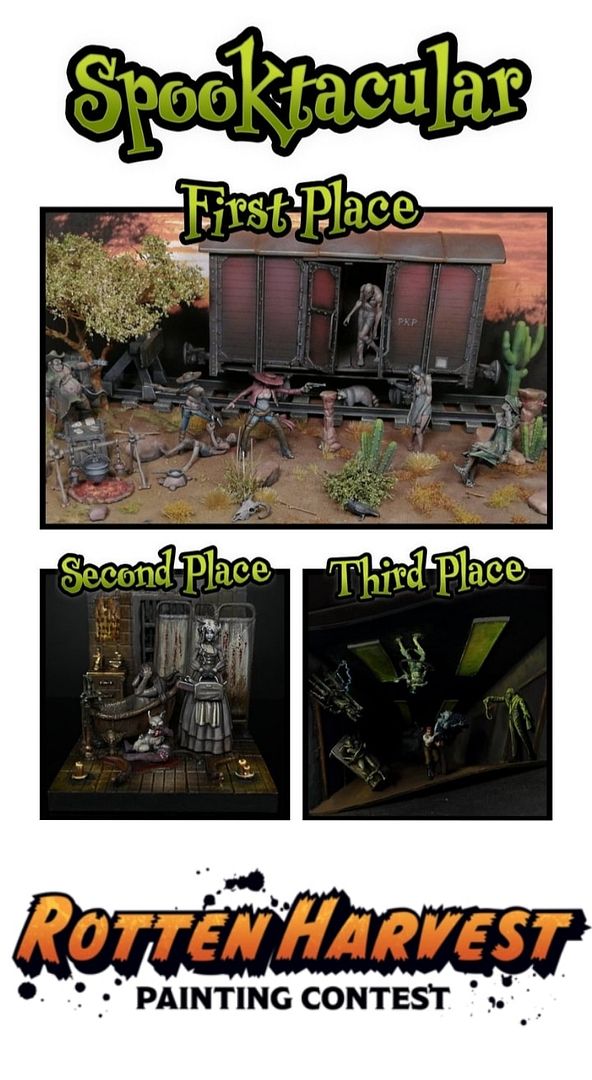
At the end of October and the beginning of November, our Matija Koružnjak participated in the Rotten Harvest competition of the company Wyrd Miniatures, where he won first place in the Spooktacular category. CONGRATULATIONS ONCE AGAIN!
VISITS TO MODELLING EXHIBITIONS
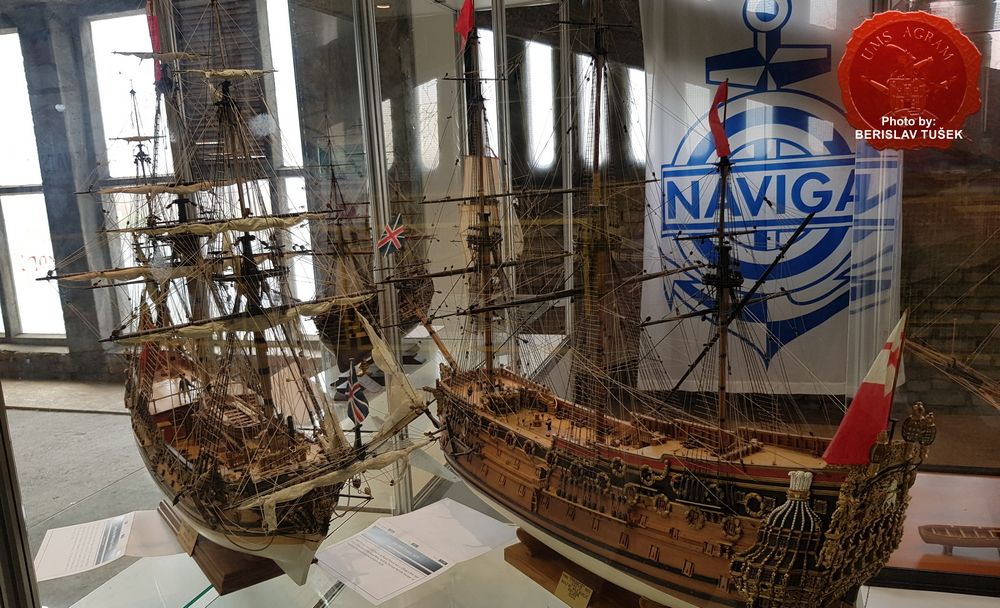
Our members also visited two model exhibitions during 2021. The first was the World Competition of Ship Modellers in 2021 and the exhibition "Rijeka 2021" which was held from 12 to 19 September at the Exportdrva in Rijeka. Our longtime member and one of the founders, Berislav Tušek, visited the competition.
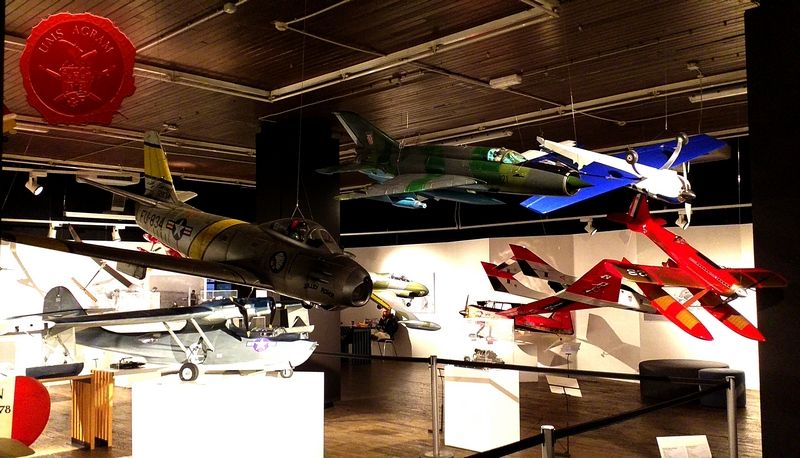
The second exhibition entitled Fly with us was organized by the Trešnjevka Model Aeroclub in cooperation with the Zagreb Aviation Technical Association Rudolf Perešin, Zagreb Technical Museum Nikola Tesla and the City of Zagreb - City Office of Education from 11 to 23 October 2021.
COOPERATIONS AND APPEARANCES OF THE ASSOCIATION IN 2021
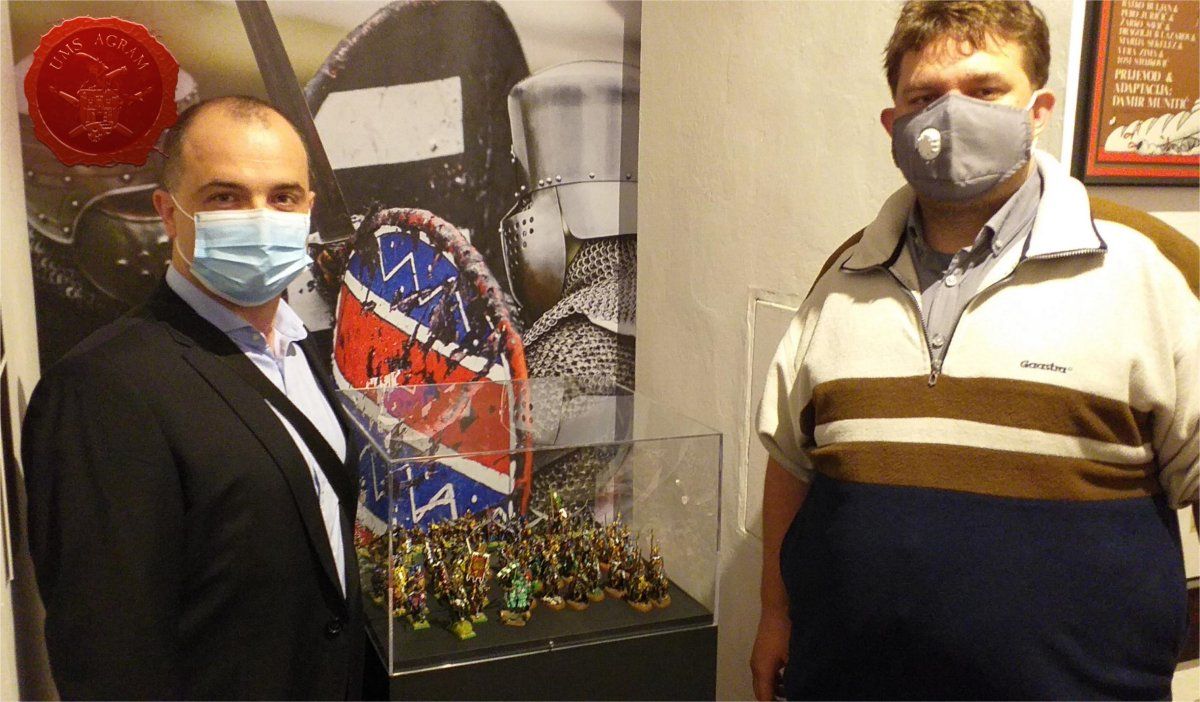
Our members Nino Marasović and Mislav Gorupec had the honor to lend their miniatures of their respective Breton Armies for the exhibition Sword Once Upon a Time ... "directed" by the Croatian History Museum in the Klovićevi dvori Gallery. The exhibition was open from 19.05.2021. to 07/18/2021
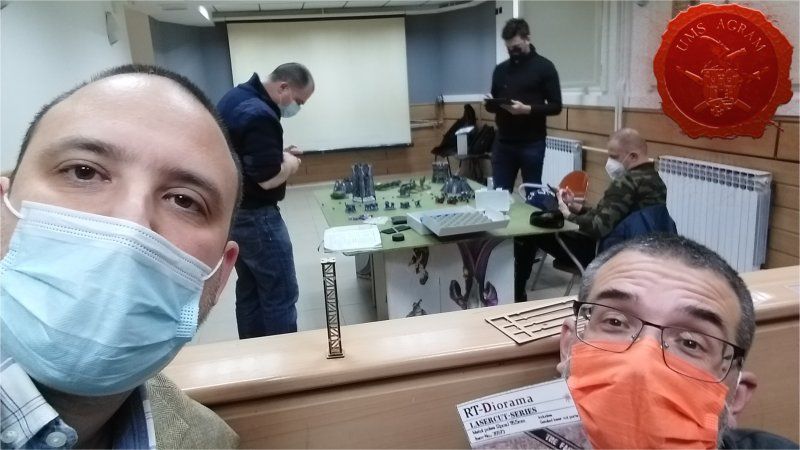
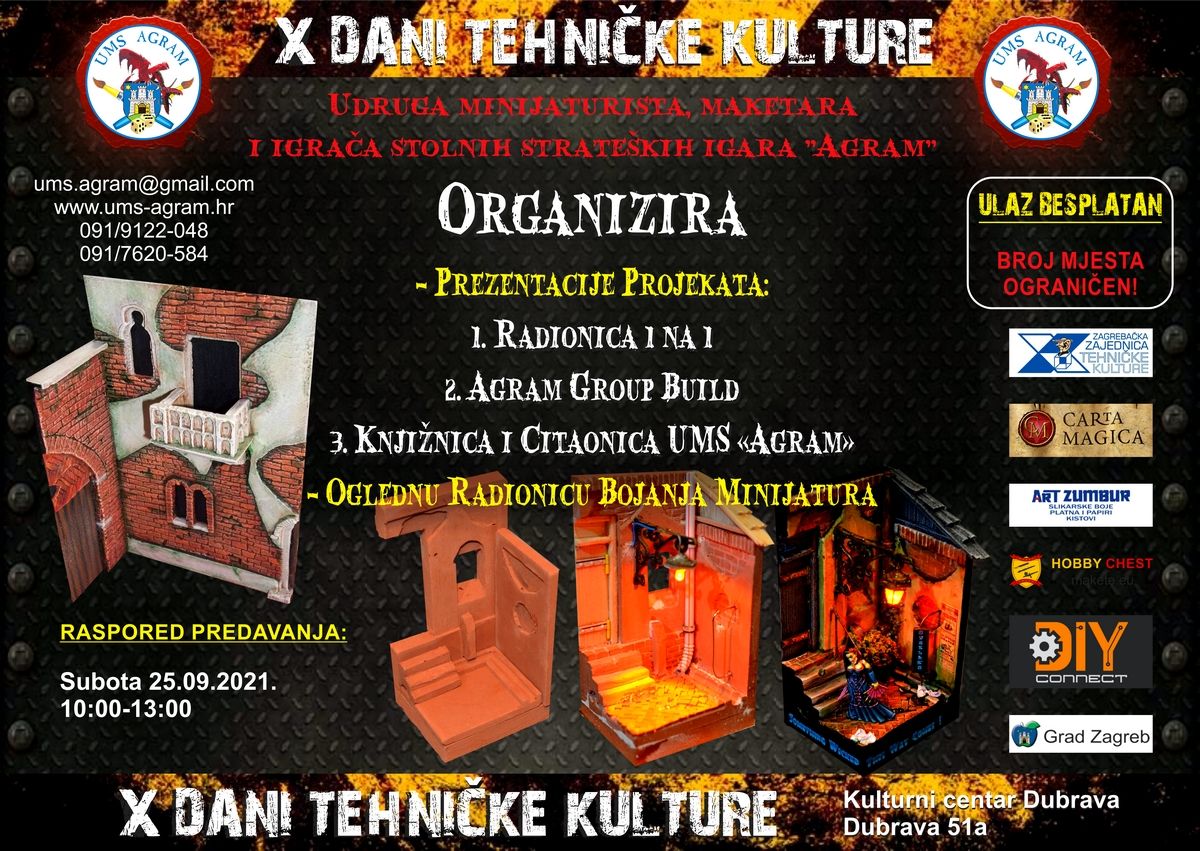
On Saturday, September 25, 2021 organized by the Zagreb Association of Technical Culture, the 10th Days of Technical Culture were held at the Cultural Center Dubrava, Dubrava 51a. UMS "Agram" performed with a presentation of the work of our various programs such as 1 on 1 Workshop, Agram Group Build and Library and Reading Room UMS "Agram".
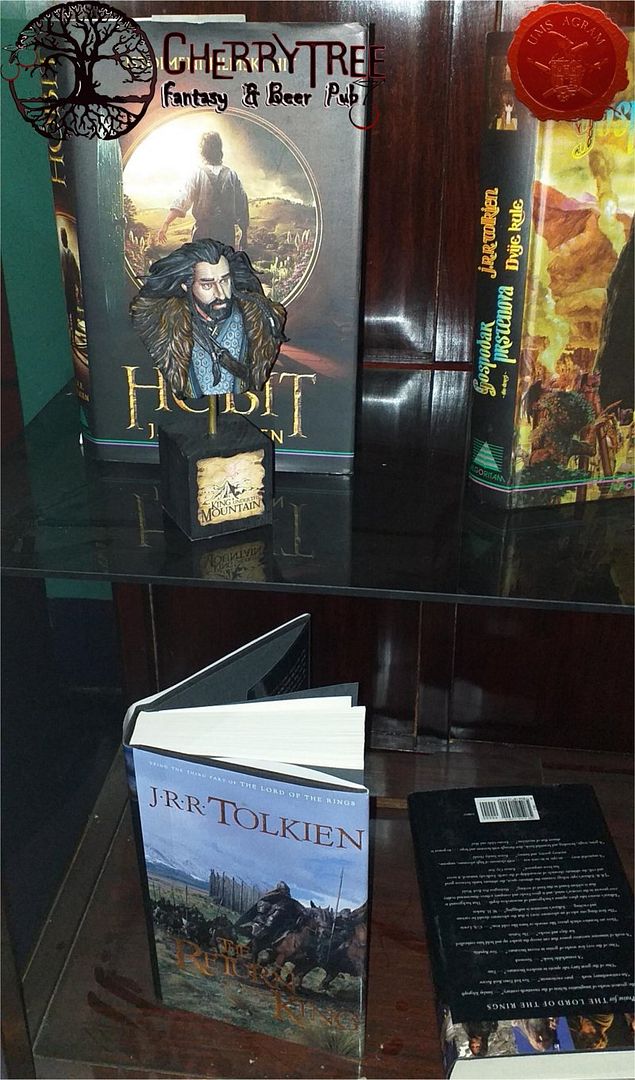
UMS "Agram" has established cooperation with the coffee bar Cherry Tree, where the works of our Marko Paunović have been permanently exhibited since October. In two, now illuminated, windows, you can see several multi-award winning works with the theme of The Lord of the Rings and Star Wars.
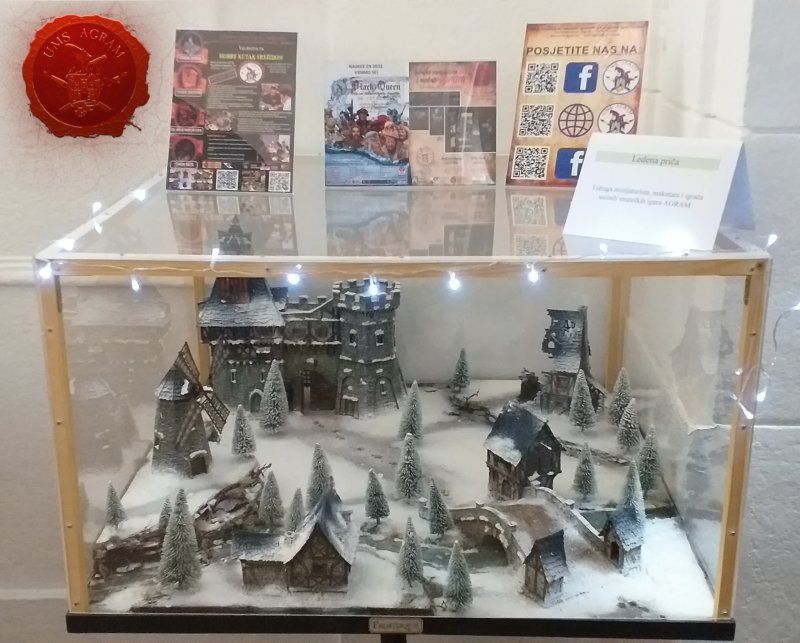
The traditional Christmas exhibition by ZZTK was held this year, from 14 to 23.12. at the Vladimir Horvat Gallery, Trg žrtava fašizma 14. At the invitation of the Community, we gladly responded to participate in the Exhibition with our model Frostgrave, which fit well with the theme of the Exhibition.
ARTICLES ON MINIATURISM AND MODELLING
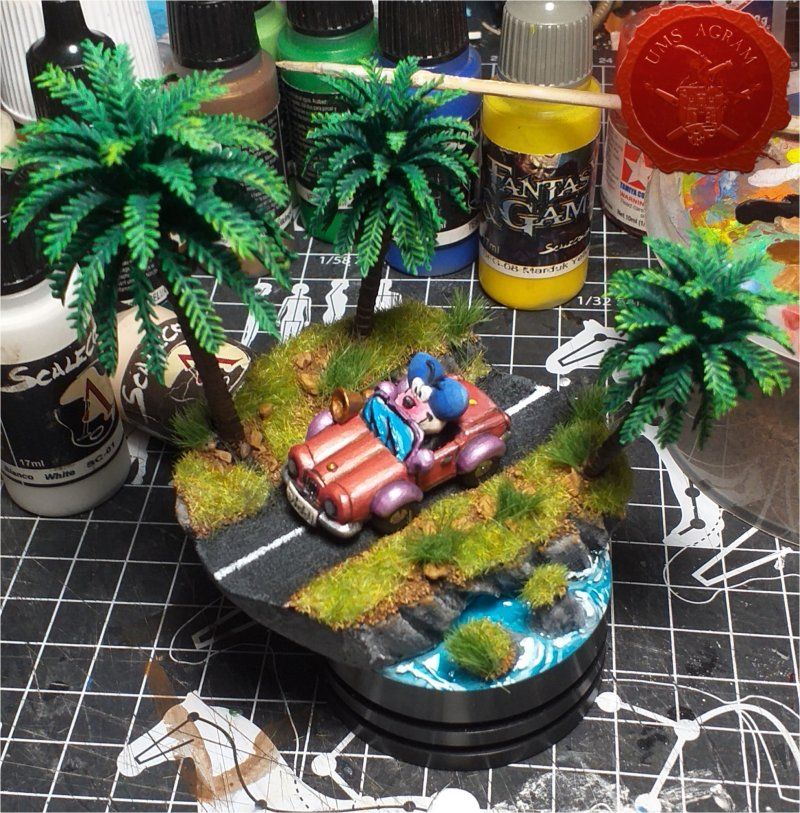
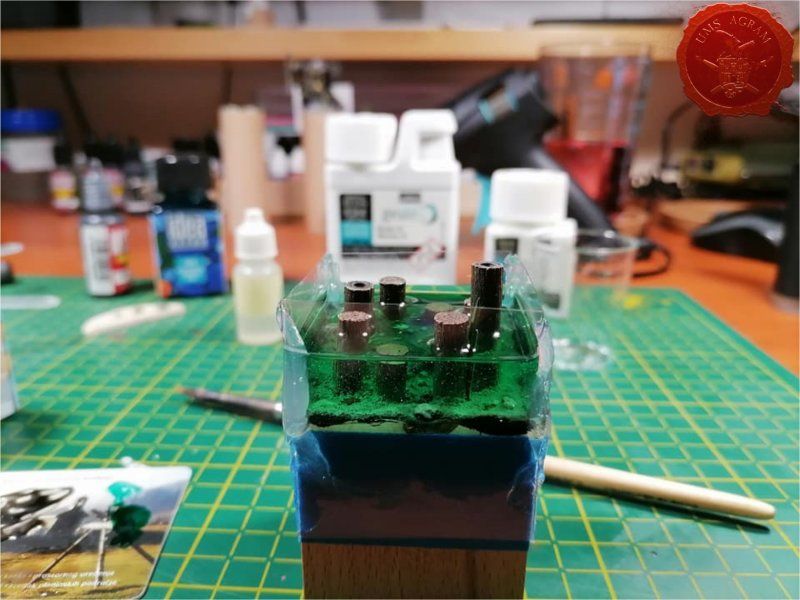
Finally, our most comprehensive program should be mentioned. Online publishing of articles from miniaturism and modeling started in 2020 and continued in 2021 with over 60 published articles this year. We would like to thank all the members for their work and commitment in making miniatures and models, but especially in taking the time to photograph the work in progress and write articles for our site.
Latest articles
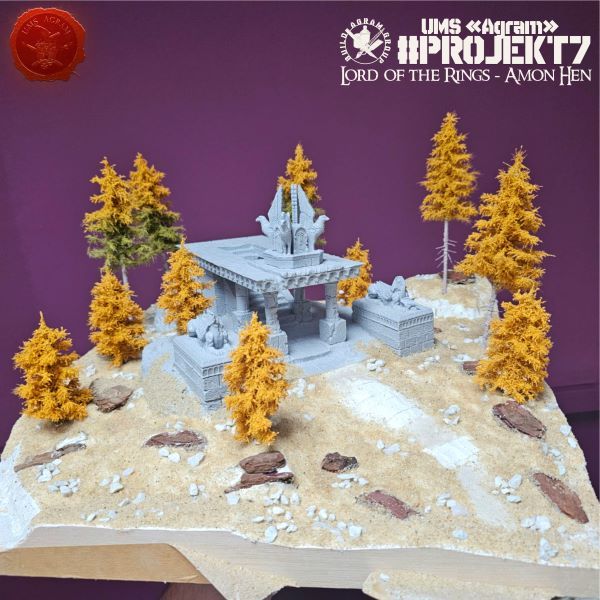
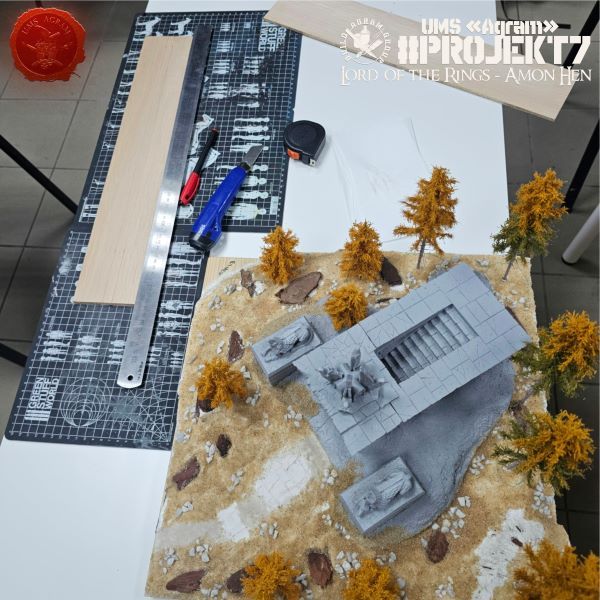
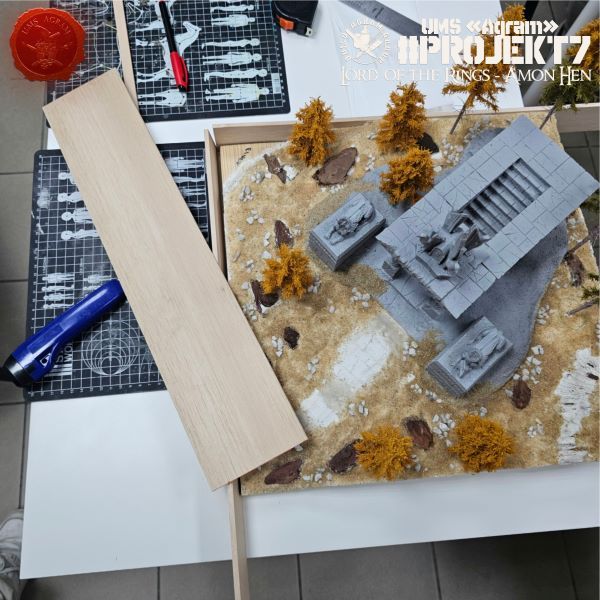
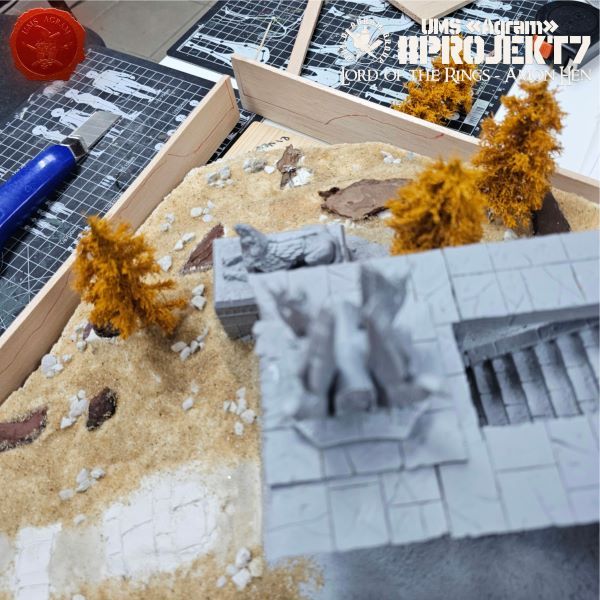
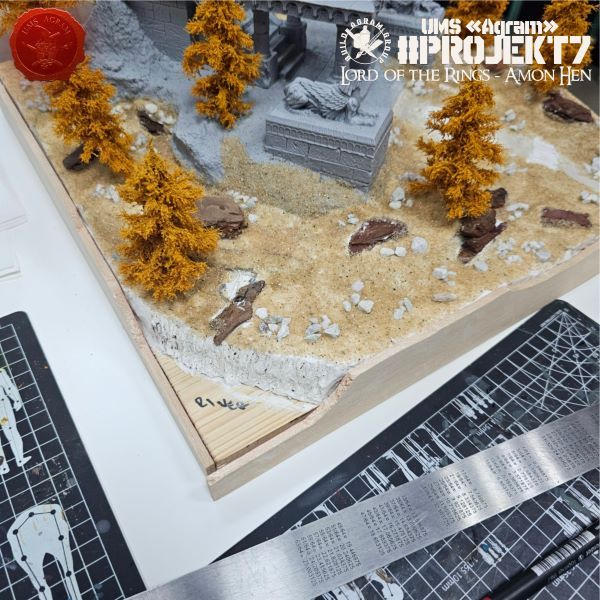
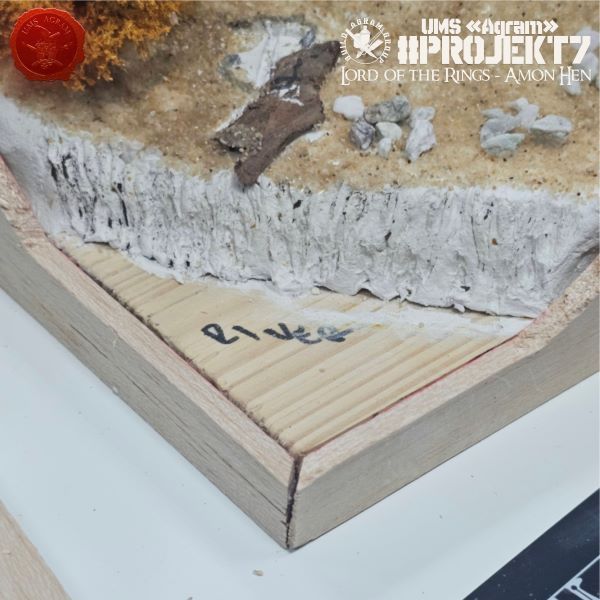
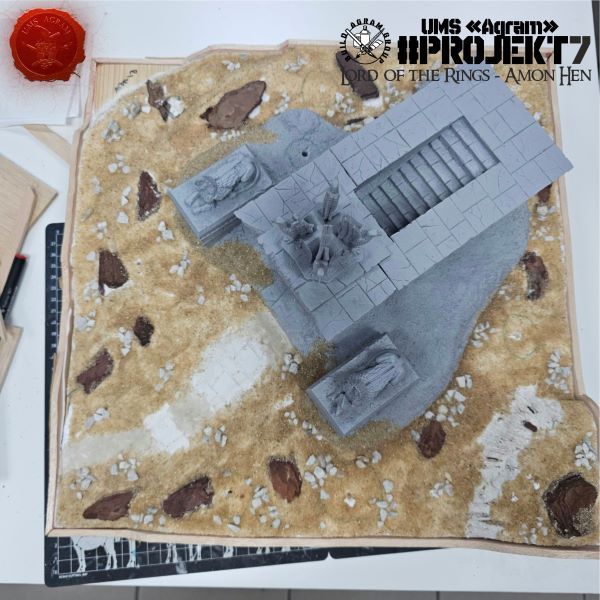
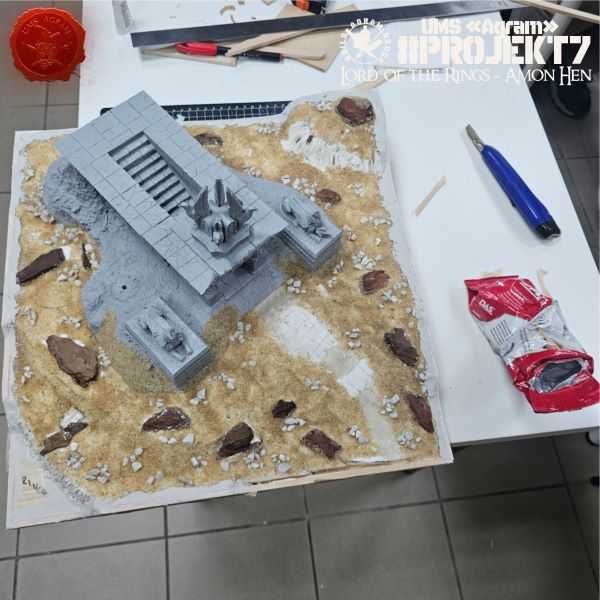
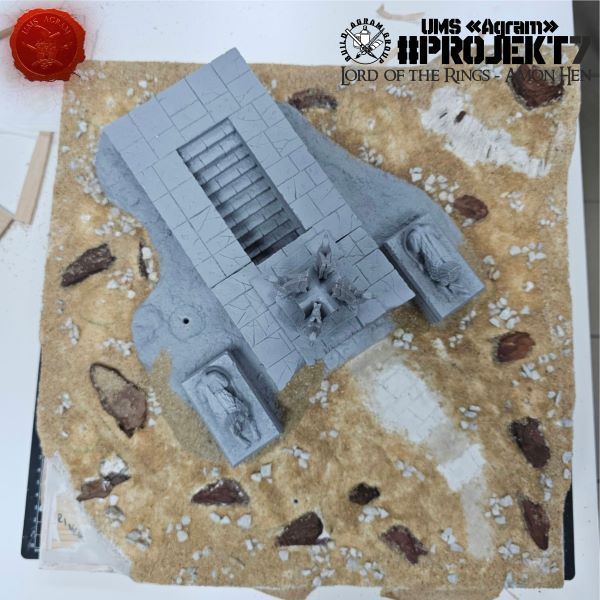
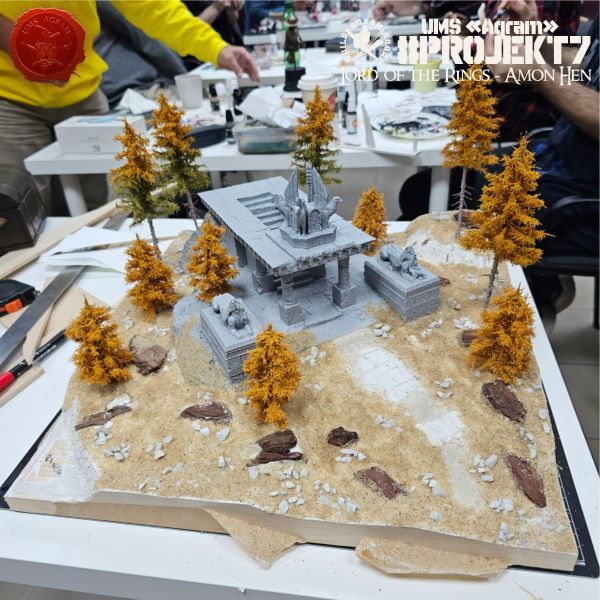
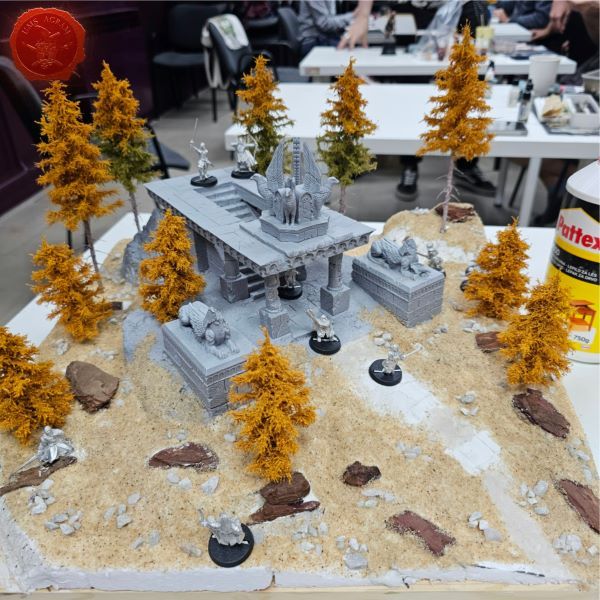
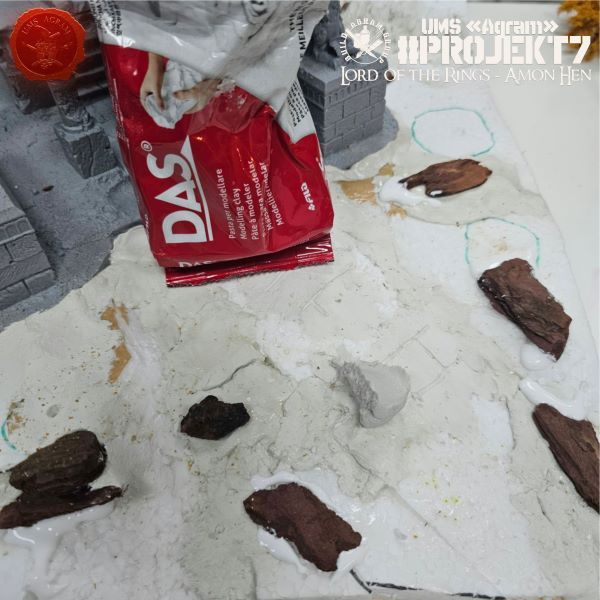
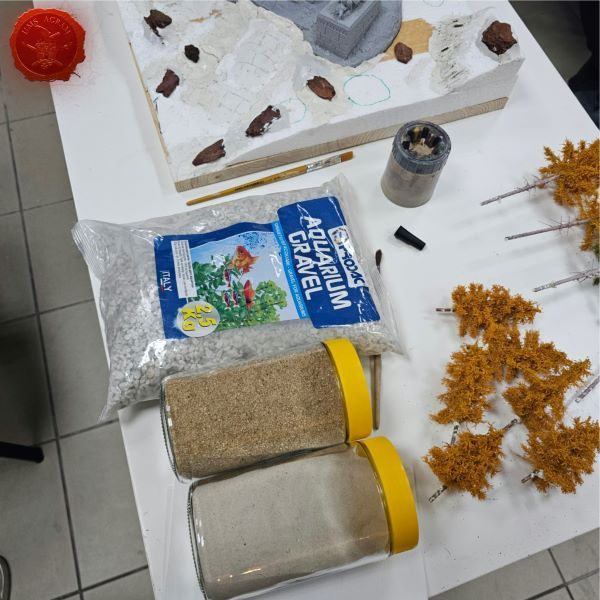
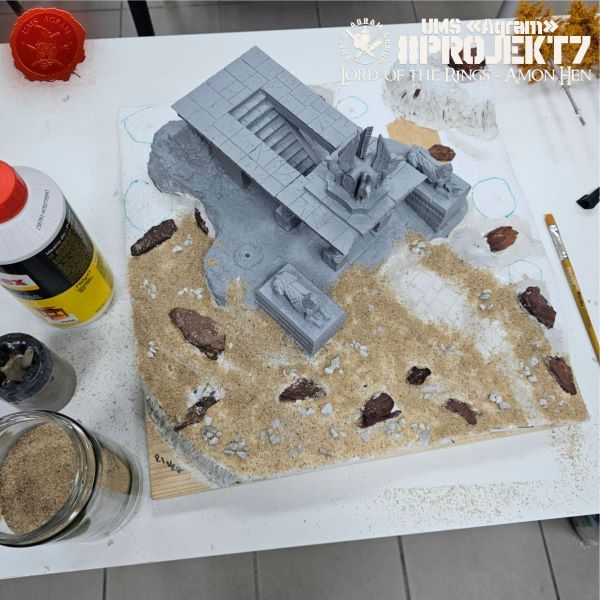
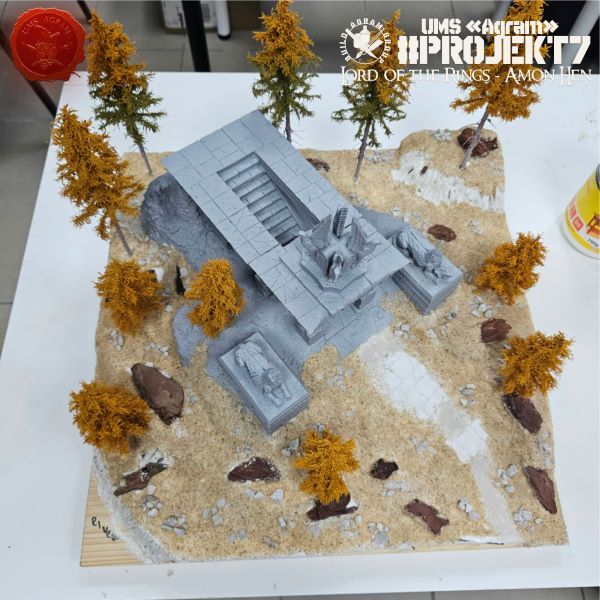
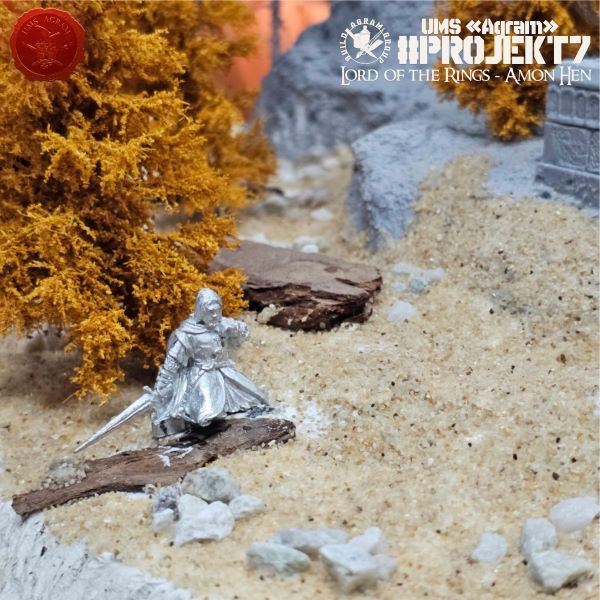
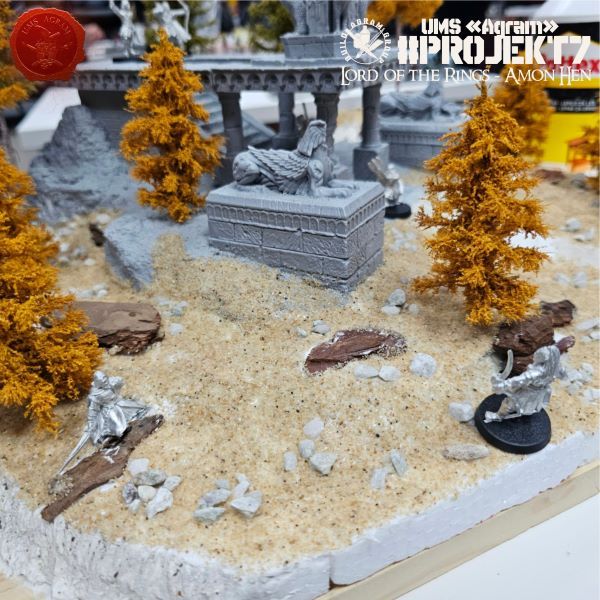
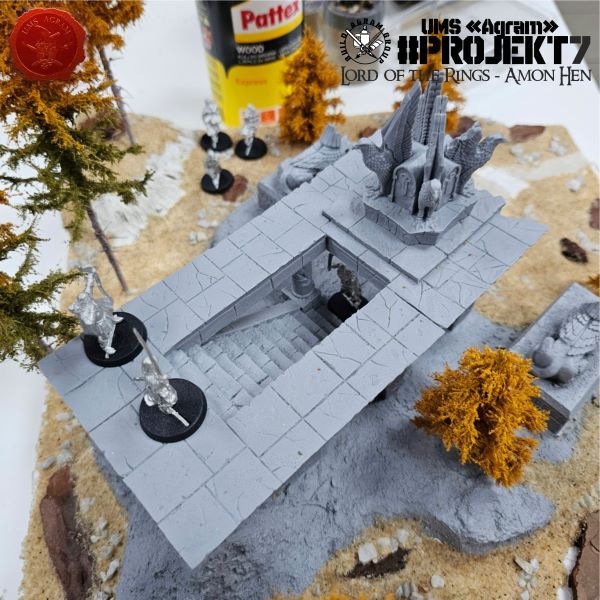
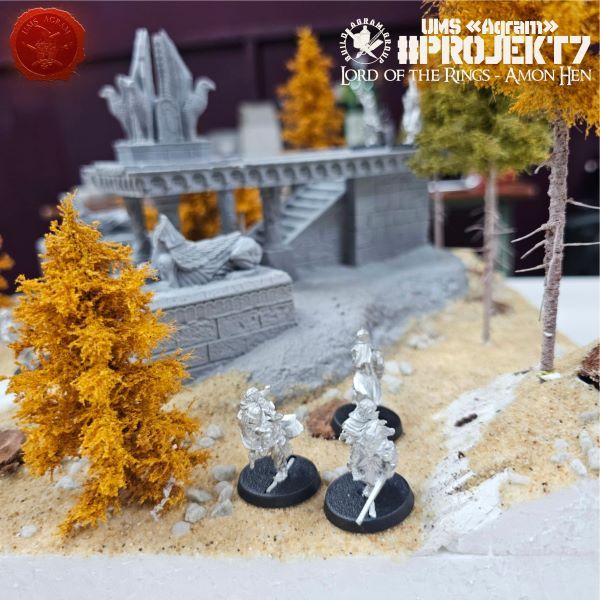
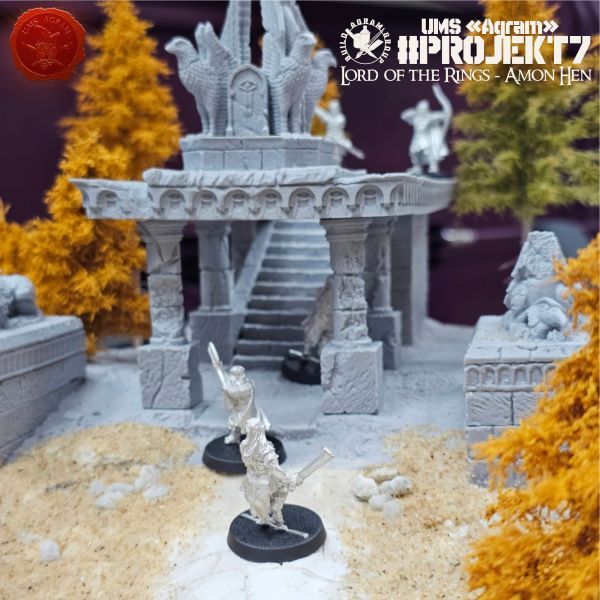
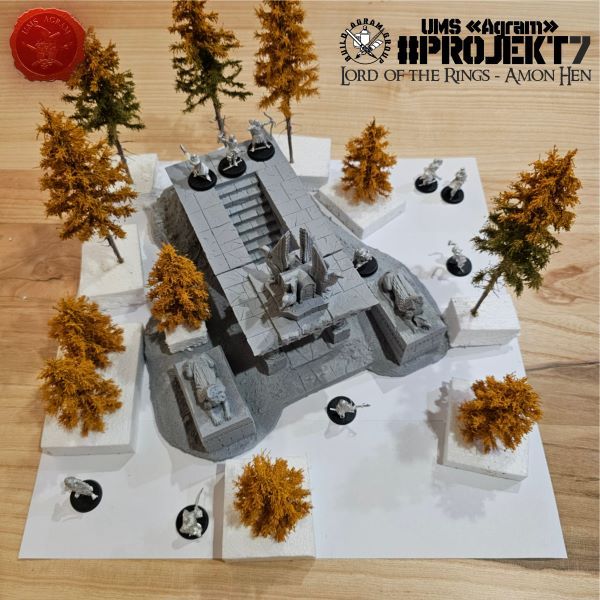
- Agram Group Build #7 – Amon Hen, pt.5 Krunoslav Belinić, 15th October 2026
- Agram Group Build #7 – Amon Hen, pt.4 Marko Paunović, 8th October 2026
- Agram Group Build #7 – Amon Hen, pt.3 Krunoslav Belinić, 1nd October 2026
- Agram Group Build #7 – Amon Hen, pt.2 Marko Paunović, 24th September 2026
- Signs for your plinths Marko Paunović, 24th September 2026




Latest battle-reports
- Kill Team - Blooded vs. Vespid Stingwings 28th February 2025, GW - Warhammer 40.000, and Antoni Pastuović (Imperial Guard)
- 22nd April 2022, GW - Warhammer 40.000, Borna Pleše (Space Marines) and Kristijan Kliska (Tau Empire)
- 17th November 2021, GW - Warhammer 40.000, and Nino Marasović (Space Marines)