
Science behind Acrylic Paints
In this article, our Dunja takes us behind the science of acrylic paints!
Acrylic paints – high pigment content and good coverage. If they are well formulated, they stay where you apply them, don't leave "brush marks" and dry slowly enough to do what you want on the miniature, yet still fast enough.
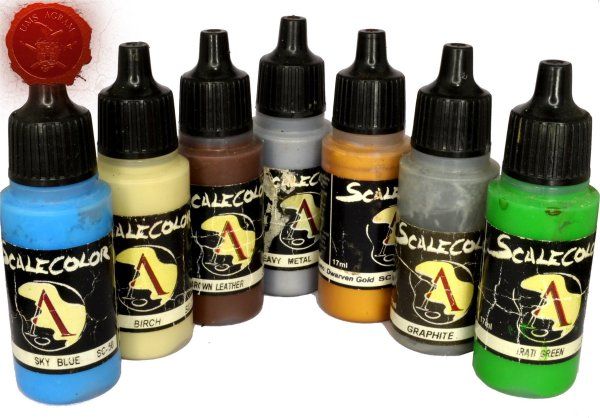
Composition:
- Binders (eng. resin) – form a film – in our case probably pure acrylates, I suspect they are styrene acrylates.
- Fillers – in addition to adding volume to the paint, they also affect the viscosity, coverage and appearance of the dry film
- Pigments – the main division is into organic pigments and inorganic pigments. Inorganic ones are more covering but have less vivid shades, while organic ones are often quite poorly covering (yellow for example) but their shades are vivid and bright
Additives:
- Anti-foam
- Rheological modifiers – affect the behavior of wet paint on the substrate (e.g. spillage) and the behavior of the paint when a force is applied to it (brush, roller, spray, airbrush). Rheological modifiers also include thickeners that affect the viscosity of the paint.
- Dispersants – envelop pigment and filler particles and prevent their agglomeration during standing. Good dispersion of pigment and filler affects the coverage and uniform appearance of the dry film. There are a bunch more but I won't go into too much detail
- Solvent – in this case water.
Contrast paints and speed paints – high pigment content, but not so much that it causes high coverage. They are formulated to spread, not to stay where you put them. The result of spreading is that the paint collects in the recesses, where a thicker film of paint remains than on the protruding parts of the miniature. Where the film of paint is thicker (the recesses), the shade of the contrast paint is more pronounced, unlike on the protruding parts where the film is thinner, which is why the shade is then influenced by the color of the substrate.
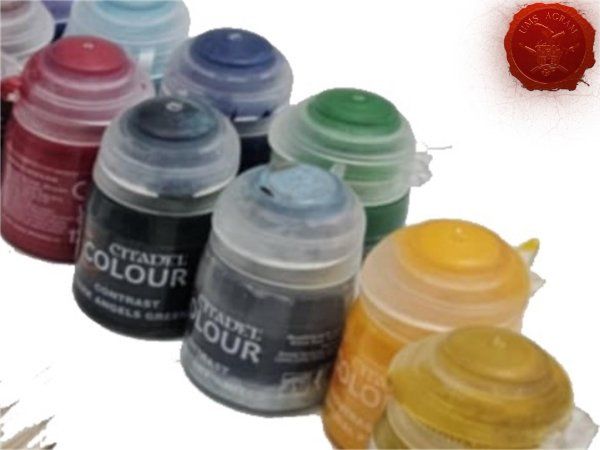
Composition:
- Binders
- Pigments
- Additives – all listed above + surfactants that reduce the surface tension of the wet paint film, which is why it flows
- solvent
- I would say they do not contain fillers, or contain very, very little of them
Washes – similar in formulation and behavior to contrast agents, only they have a much lower proportion of pigments, certainly no fillers, a higher proportion of surfactants, lower viscosity, and probably less binders.
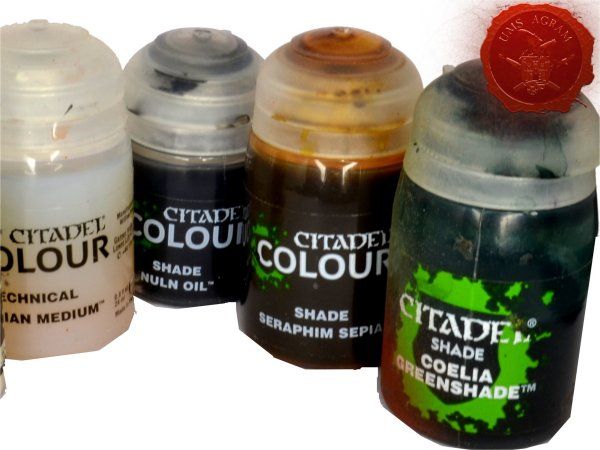
If we want to greatly dilute acrylic paint or contrast, it is better to use a product intended for this purpose from the manufacturer of that paint rather than water, because it contains all the necessary amount of binders and additives for that paint to retain its properties.
Latest articles
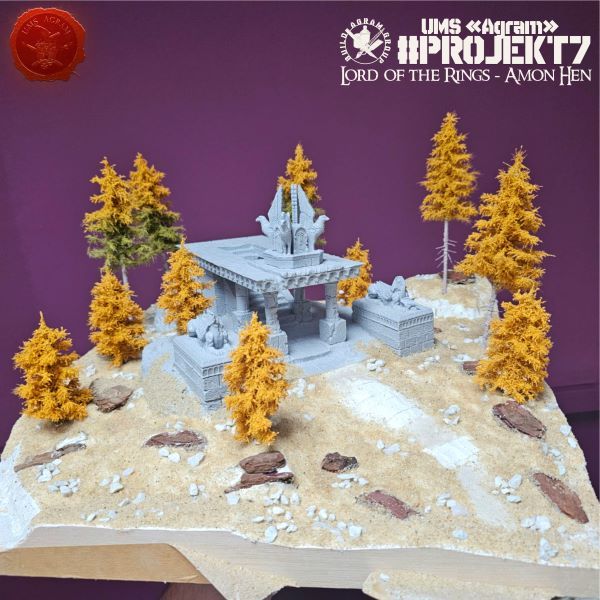
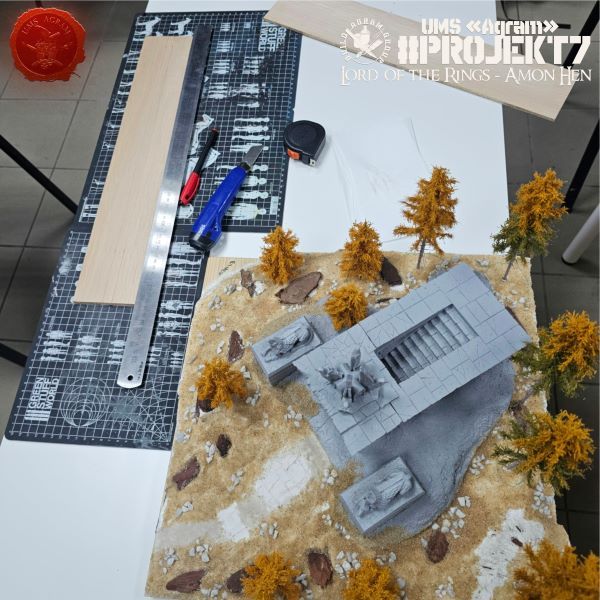
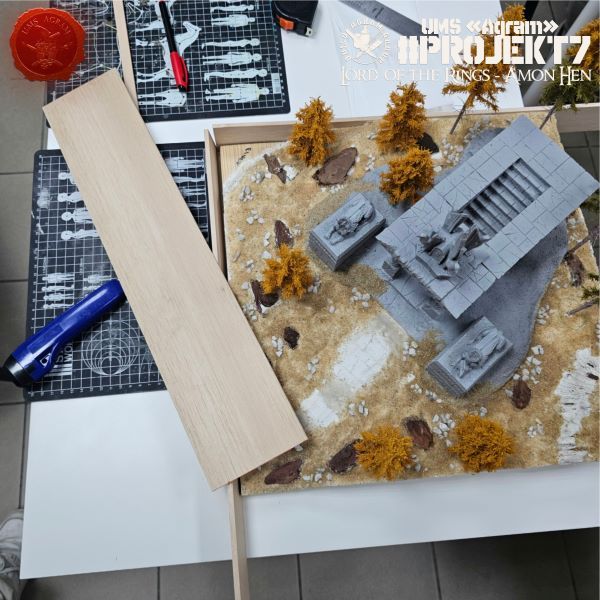
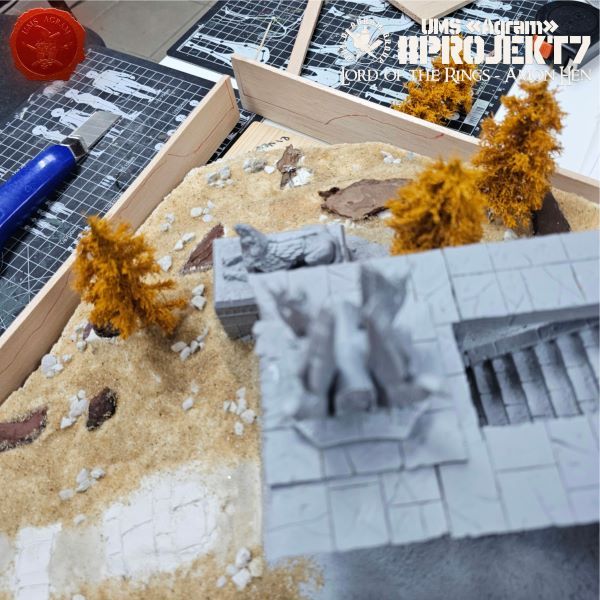
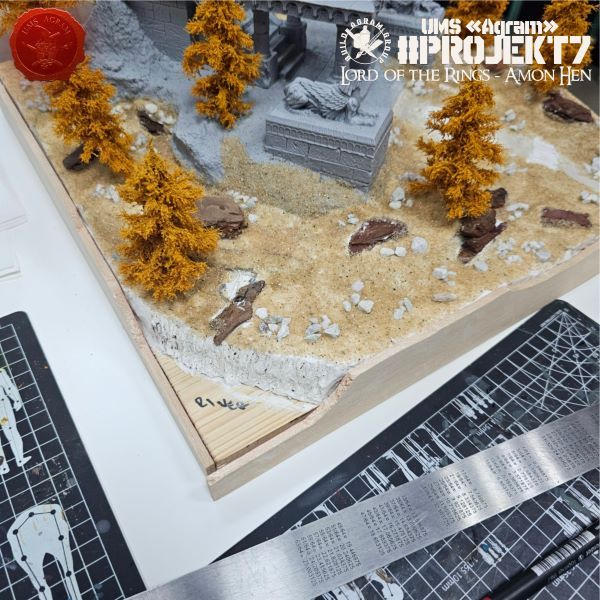
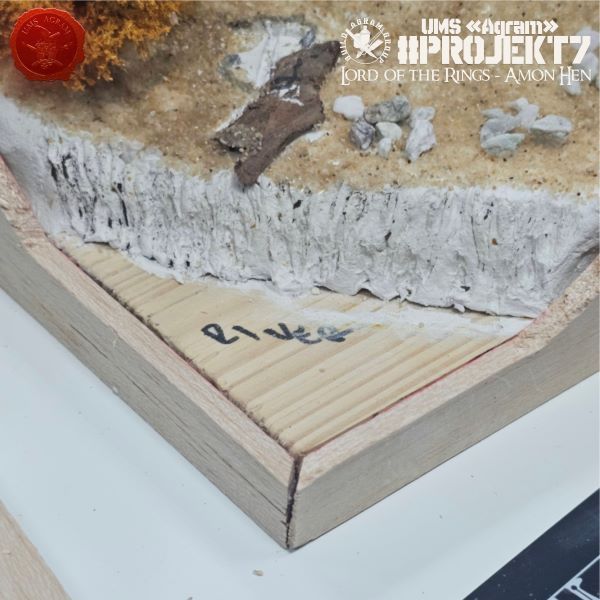
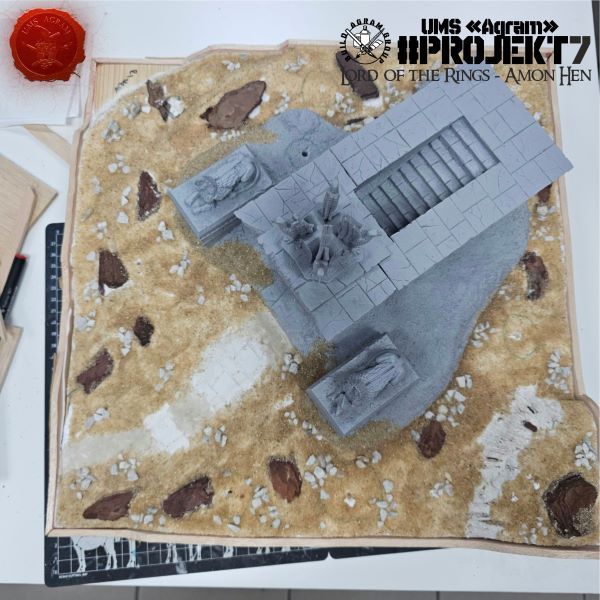
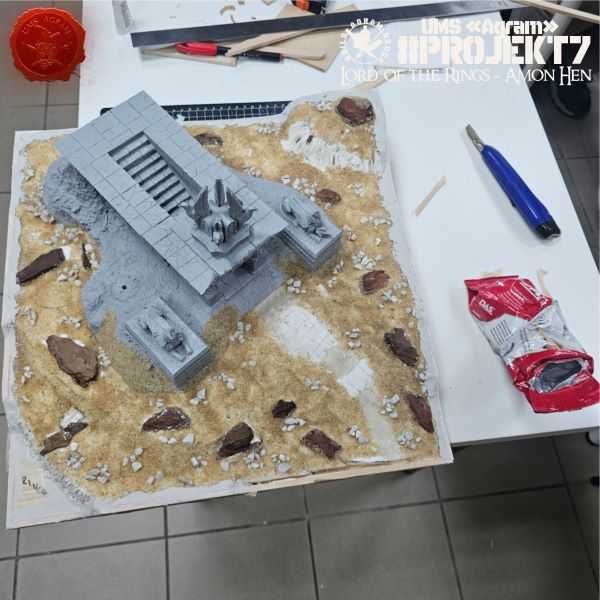
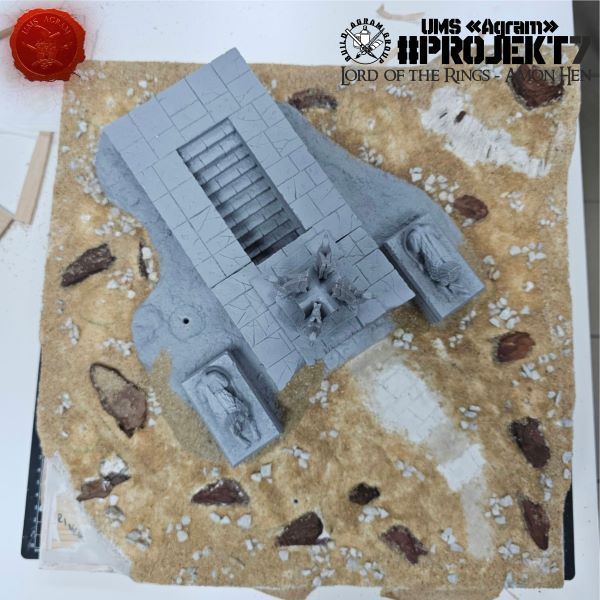
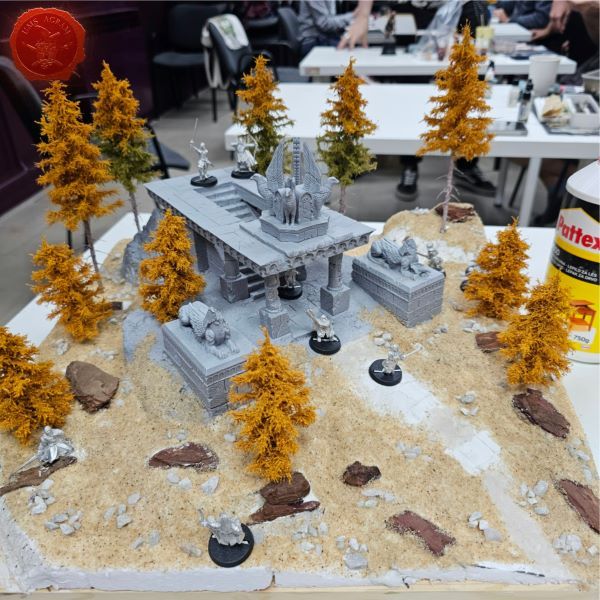
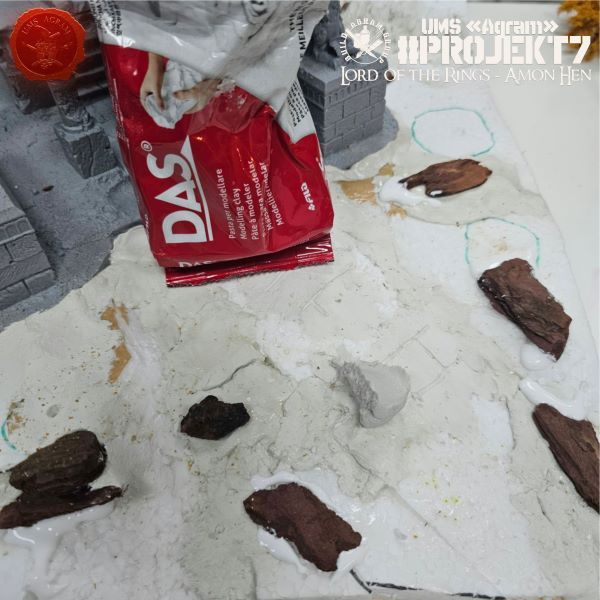
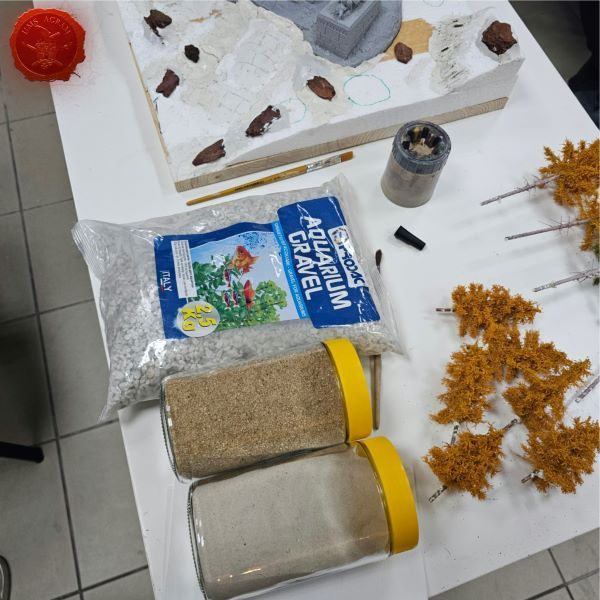
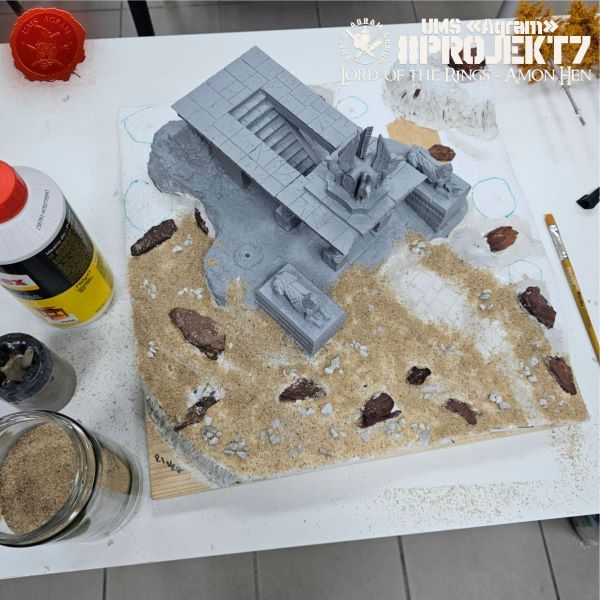
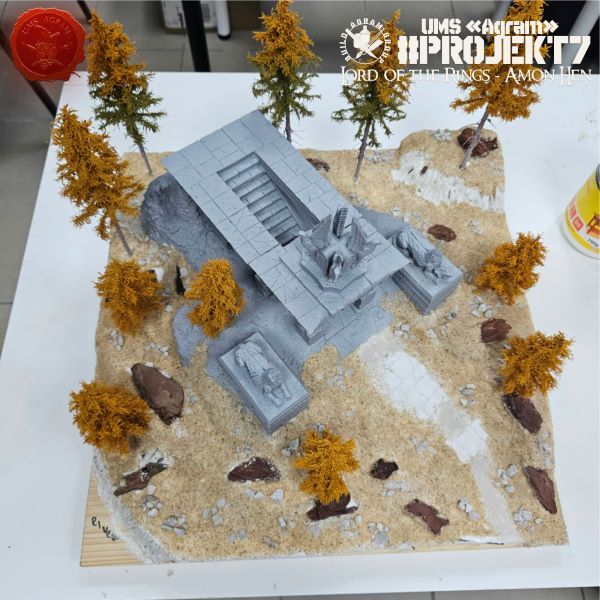
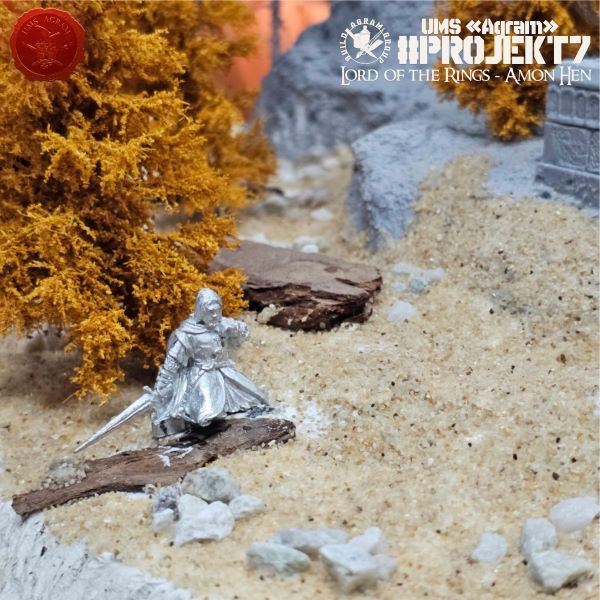
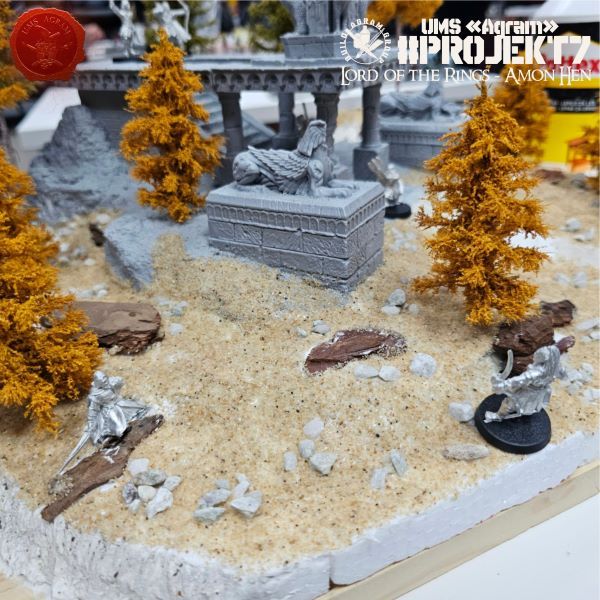
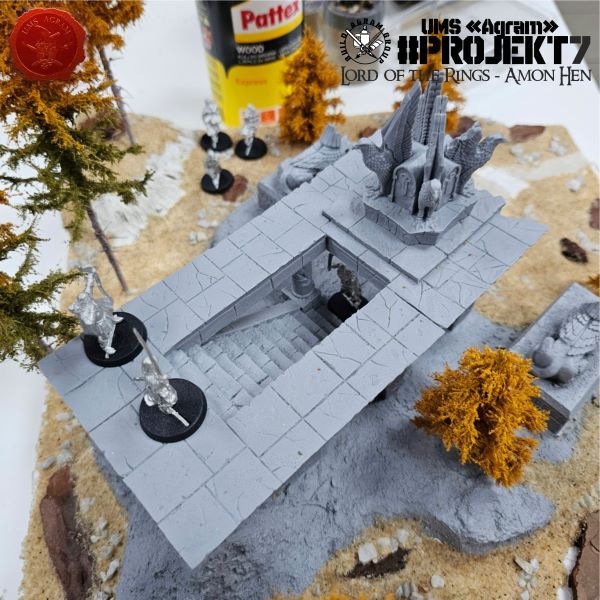
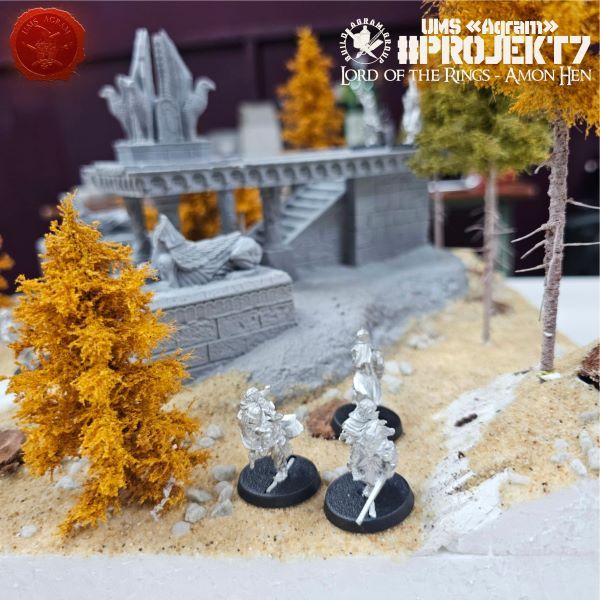
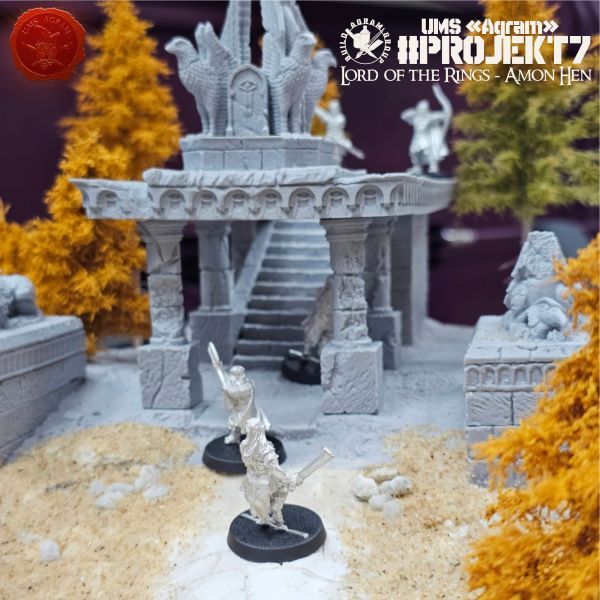
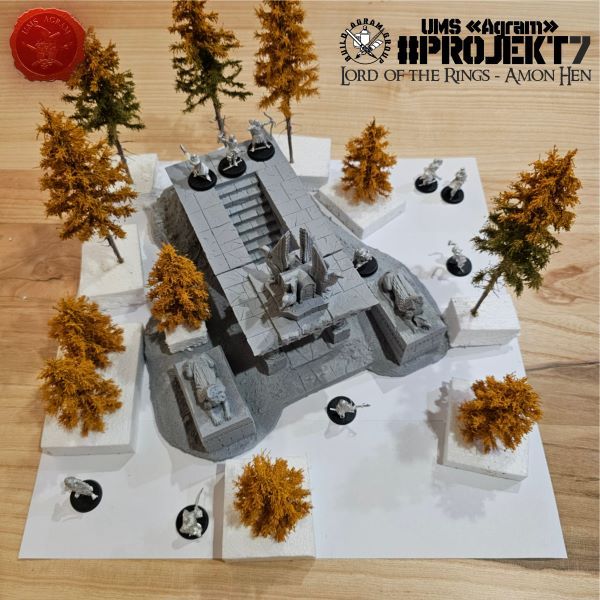
- Agram Group Build #7 – Amon Hen, pt.5 Krunoslav Belinić, 15th October 2026
- Agram Group Build #7 – Amon Hen, pt.4 Marko Paunović, 8th October 2026
- Agram Group Build #7 – Amon Hen, pt.3 Krunoslav Belinić, 1nd October 2026
- Agram Group Build #7 – Amon Hen, pt.2 Marko Paunović, 24th September 2026
- Signs for your plinths Marko Paunović, 24th September 2026





Latest battle-reports
- Kill Team - Blooded vs. Vespid Stingwings 28th February 2025, GW - Warhammer 40.000, and Antoni Pastuović (Imperial Guard)
- 22nd April 2022, GW - Warhammer 40.000, Borna Pleše (Space Marines) and Kristijan Kliska (Tau Empire)
- 17th November 2021, GW - Warhammer 40.000, and Nino Marasović (Space Marines)