Agram 2025 – A Year In Review
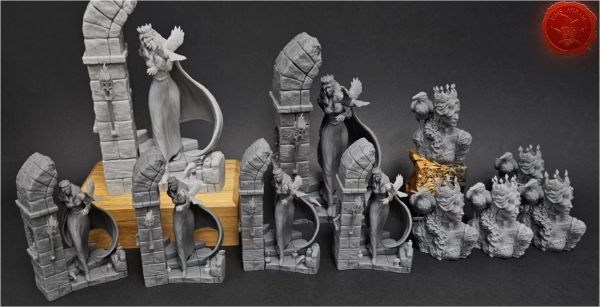
The year 2025 has also come to an end, in which, in addition to the traditional programs, we created a series of our own miniatures for the first time, published the first book in English, and also made our own miniatures for awards for our Black Queen in 2026! In cooperation with Algebra Bernays University, two of their students, Jana Pahel and Monika Bešenić, designed Agramer figures according to our design, which we already used this year in our Back to Basics workshops. In addition to these miniatures, for the needs of our miniature painting competition, Black Queen H&MPC also created a bust and a 75mm and 120mm miniature of Barbara Celjska, known in these parts as the Black Queen. Read about all that below.
A G R A M E R S
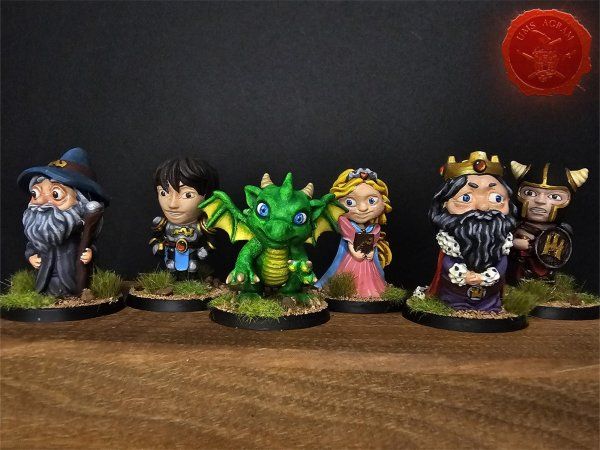
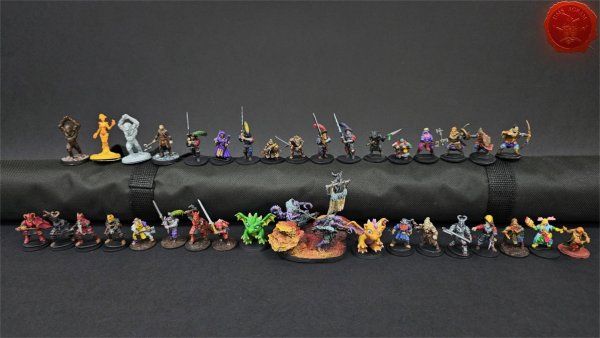
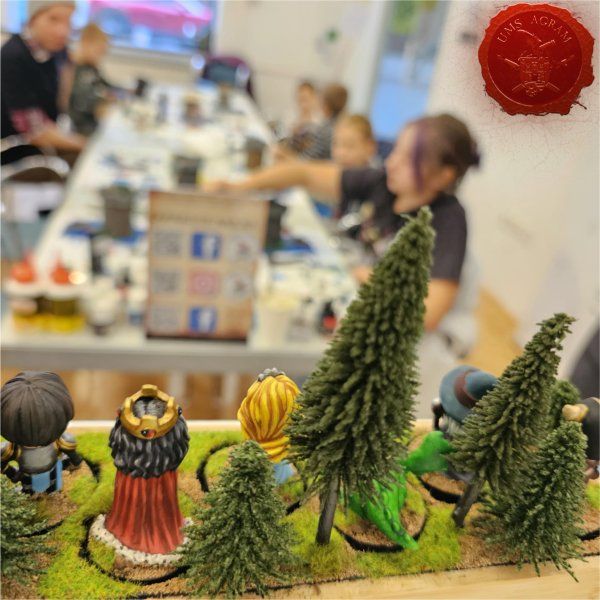
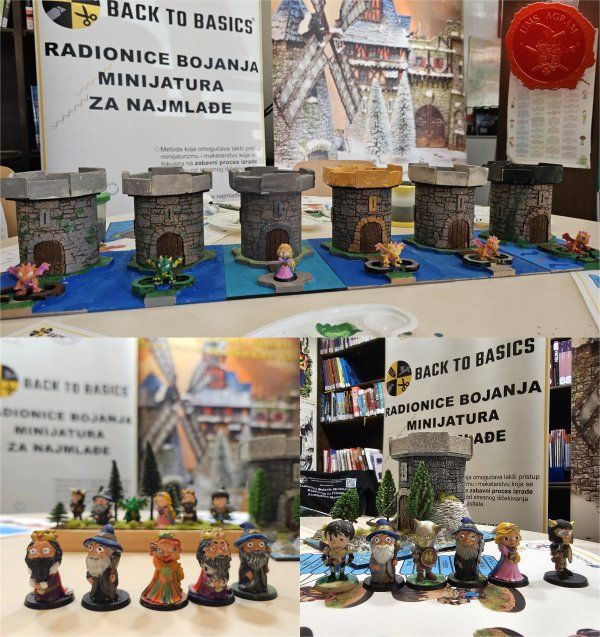
In September, at the Days of Technical Culture, we presented our Agrameri miniature line for the first time. It consists of six miniatures depicting a dragon, a knight, a barbarian, a princess, a king and a wizard..
But let's go back to the beginning of the year, which, like every year, began with our traditional Exhibition...
E X H I B I T I O N O F M I N I A T U R E S A N D T A B L E T O P S C E N E R Y A G R A M 2 0 2 5
We started the year with preparations for our annual Exhibition of Miniatures and Tabletop Scenery, during which we also organized a weekend miniature painting workshop and, for the fifth time this term, our international miniature painting competition, the Black Queen Hobby and Miniature Painting Competition..
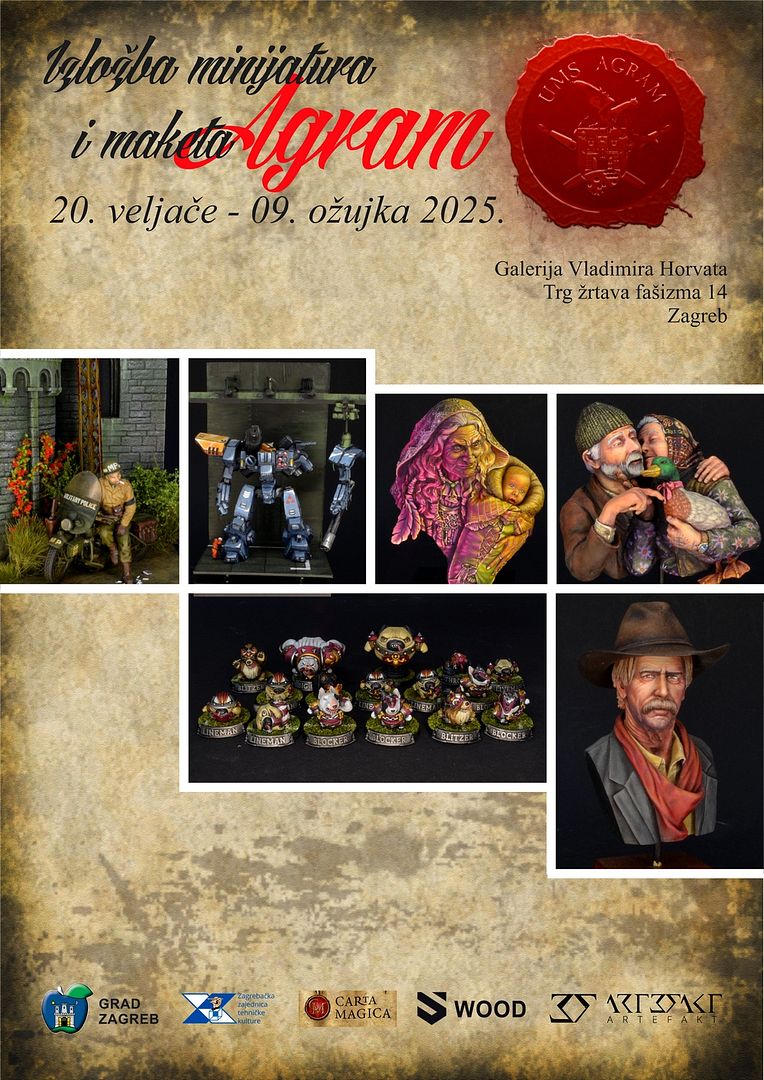
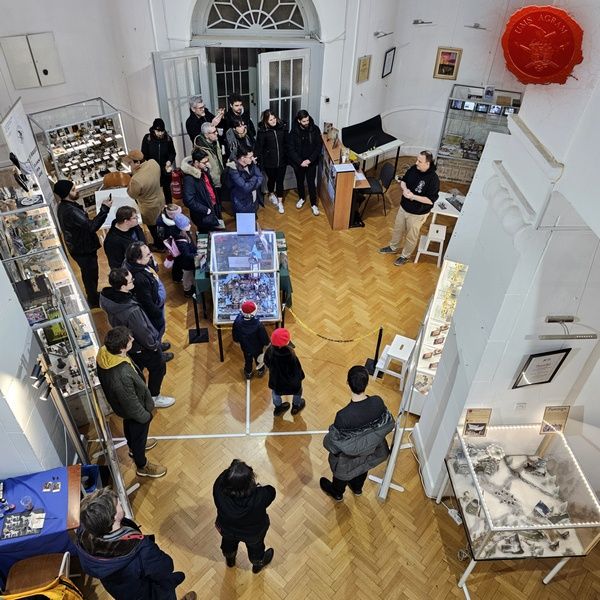
The Exhibition of Miniatures and Tabletop Scenery "Agram 2025" took place this year from 20.2. to 9.03. The exhibition was set up on Wednesday 19.2. in the afternoon and was attended by a large number of members and friends of the Association who exhibited their works.
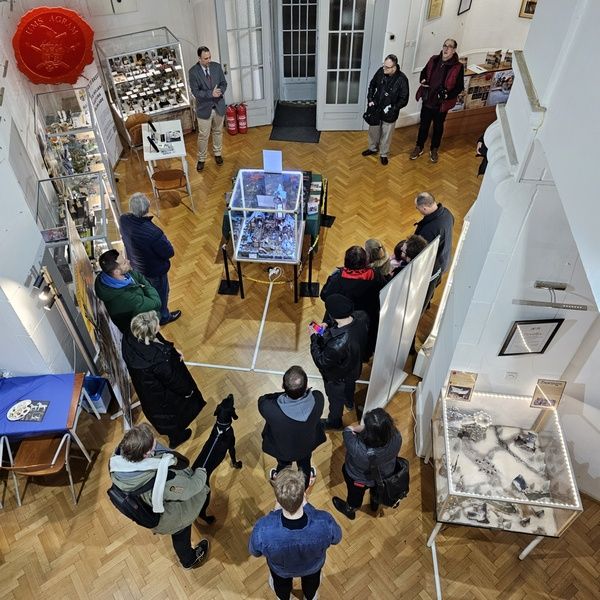
As always, the Exhibition presented a cross-section of the work of the Association, its members, participants of its courses and workshops, and members of the Miniature Painters Croatia FB group. A large number of showcases contained numerous miniatures for tabletop strategy games, board games, and an entire showcase was dedicated to award-winning exhibits from previous miniature competitions. Several showcases were dedicated to projects that the Association has been implementing for 21 years, such as the UMS “Agram” Library and Reading Room, the Workshop for Making Spatial Models, and the Miniature Painting Workshop.
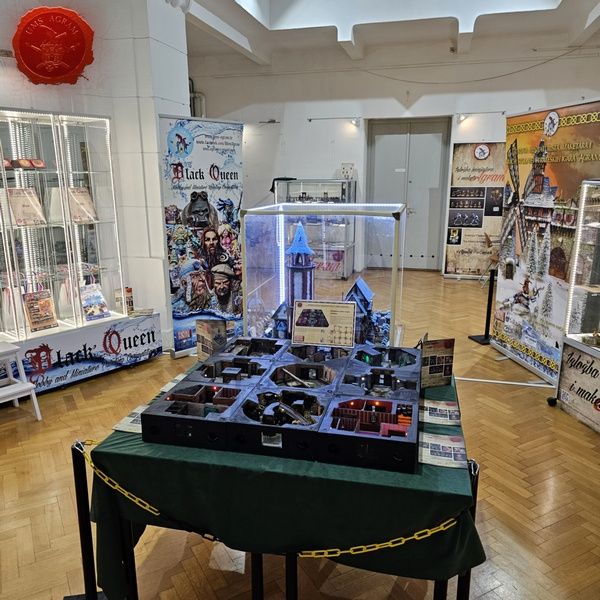
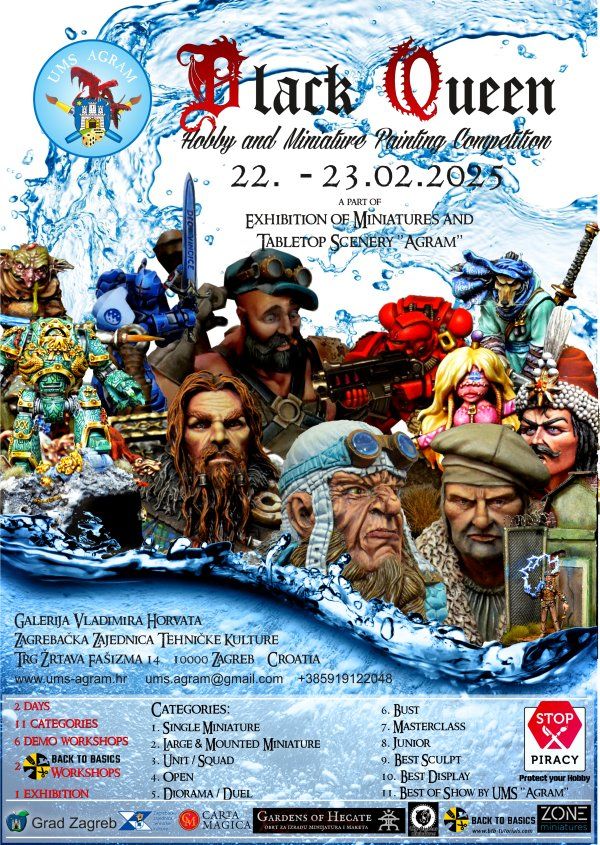
During the first weekend of the Exhibition, 22-23 February, we held the 19th annual international miniature painting competition, the Black Queen Hobby and Miniature Painting Competition. !
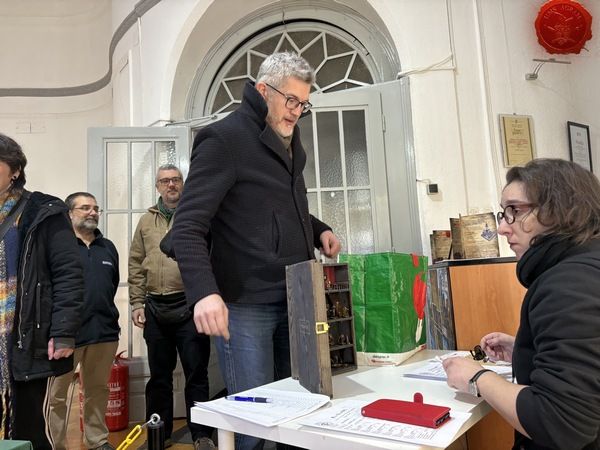
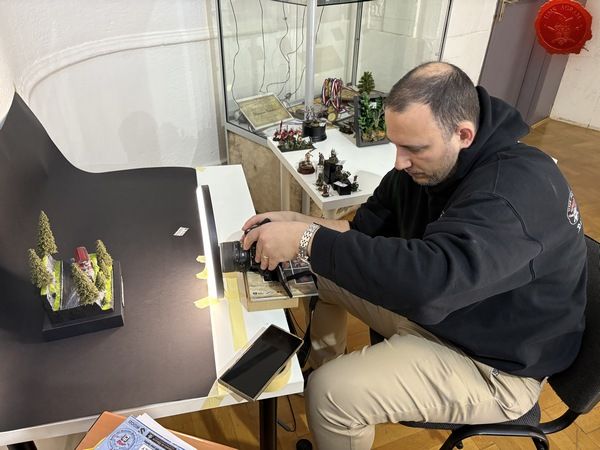
As contestants arrived and registered for the competition, our hardworking staff photographed all the exhibits before sorting them into categories and carefully placing them in glass cases.
WARGAMING DEMO GAMES
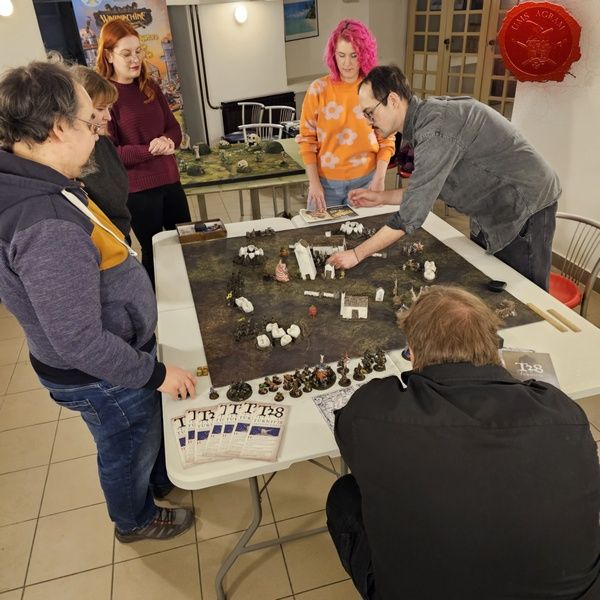
This year, organized by our friends from Slovenia from the Amulet D20 club, demonstrations of the tabletop strategy game Turnip28 were held. Over the course of both days, a handful of games were played on beautiful terrain!
SALE CORNER
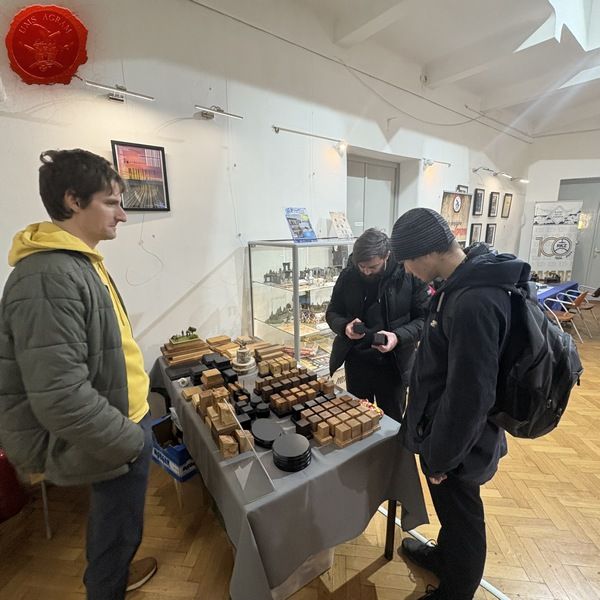
During the weekend we hosted our sponsors with their sales stands: Swood.si and Carta Magica.
MINIATURE PAINTING DEMONSTRATIONS
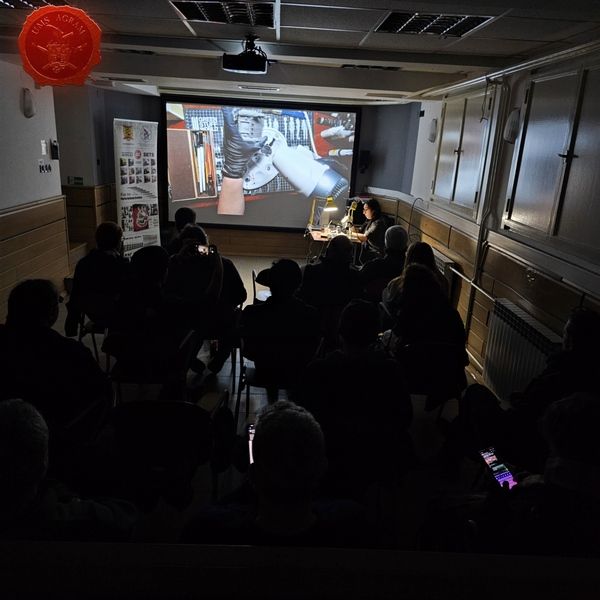
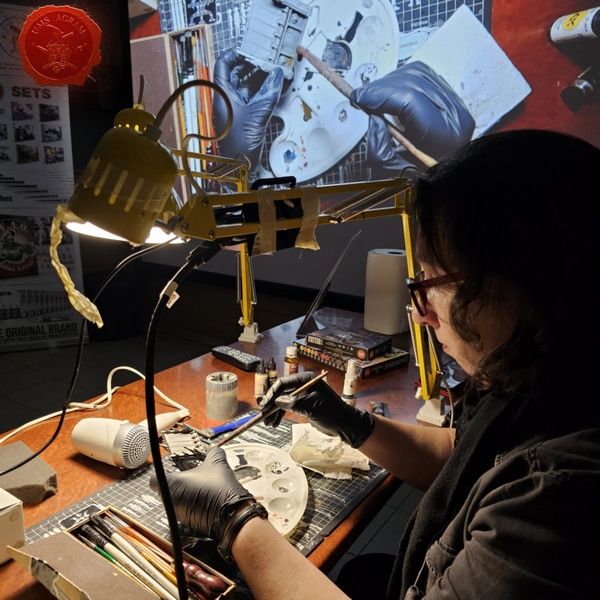
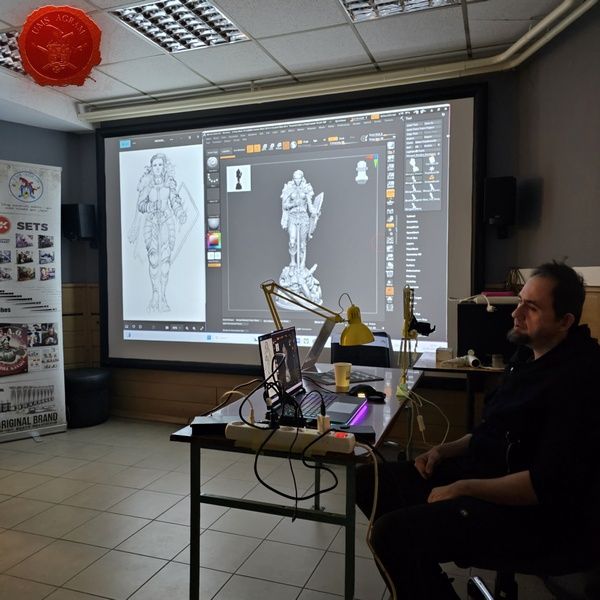
The ZZTK space allows workshops to be held during the weekend in the cinema hall in the basement, so we also organized demonstration workshops during the weekend. The work of the lecturers was recorded with a camera and projected onto the projection screen in the hall. Many thanks to our domestic and foreign lecturers: Ana Polanšćak (CRO), Vladimir Matić-Kuriljev (SRB), Luka Jaret and Vanet Dolenc (SLO), doc.dr.sc. Winton Afrić (CRO) and Marcello Rizza (I).
SPEED PAINTING CONTEST
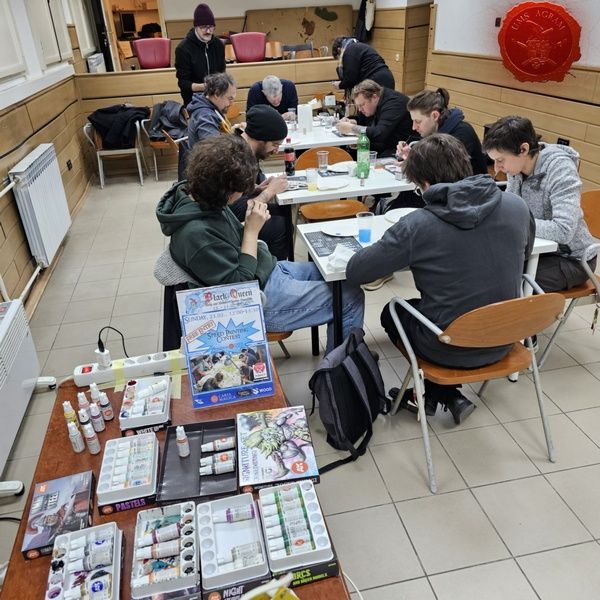
On Sunday afternoon, a miniature speed painting competition was held. Participants had 90 minutes to paint one miniature. Thanks to our sponsor Hobby Chest, who provided us with a large donation of painting materials from AK Interactive, we organized a miniature speed painting competition according to the following rules:
- competitors have 90 minutes to paint a miniature
- all competitors paint the same (same type) miniature
- we provided paints from AK Interactive
- we provided brushes from AK Interactive.
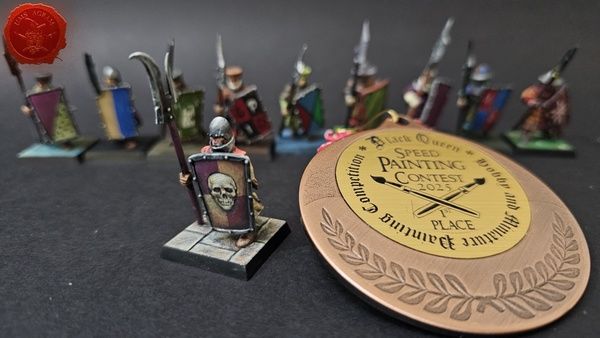
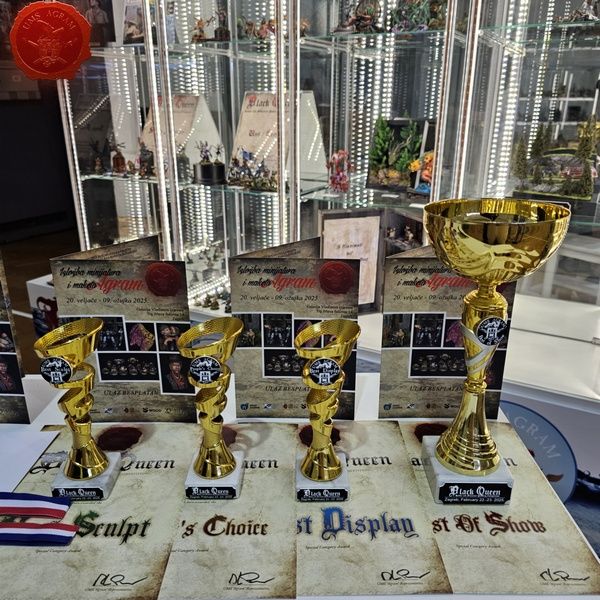
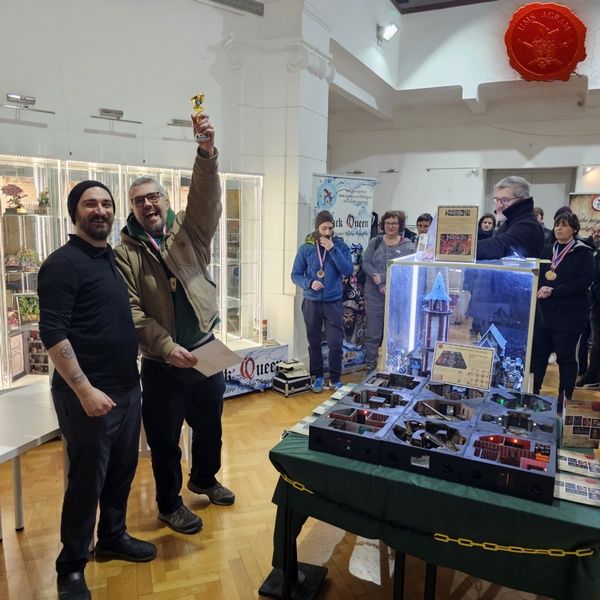
With that, we came to the very end of this wonderful weekend and all that remained was the distribution of prizes and awards to the winners.
BACK TO BASICS WORKSHOPS FOR KIDS
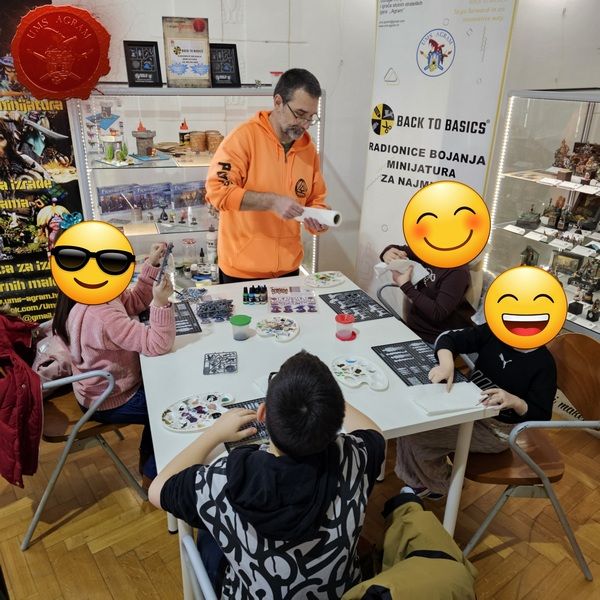
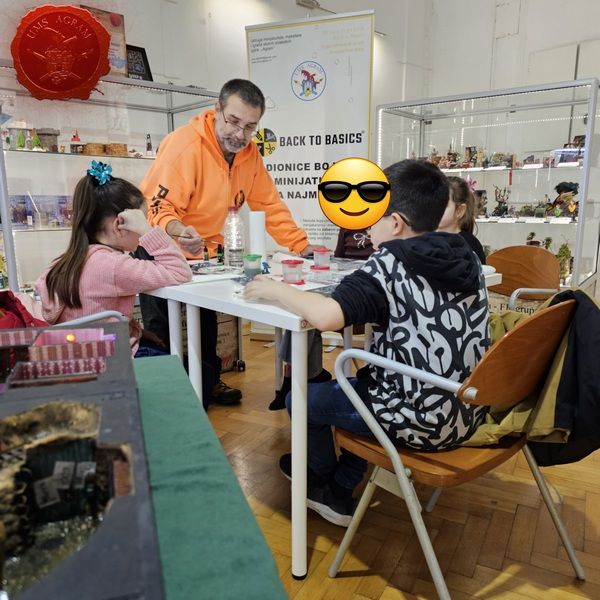
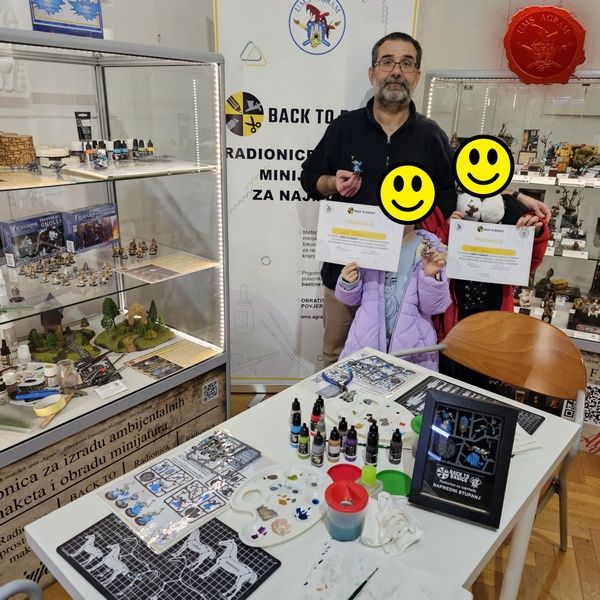
On weekdays from 17:00 to 18:00 we held our new workshops for the youngest, in which our youngest participants painted their first miniatures..
OPEN MINIATURE PAINTING WORKSHOPS
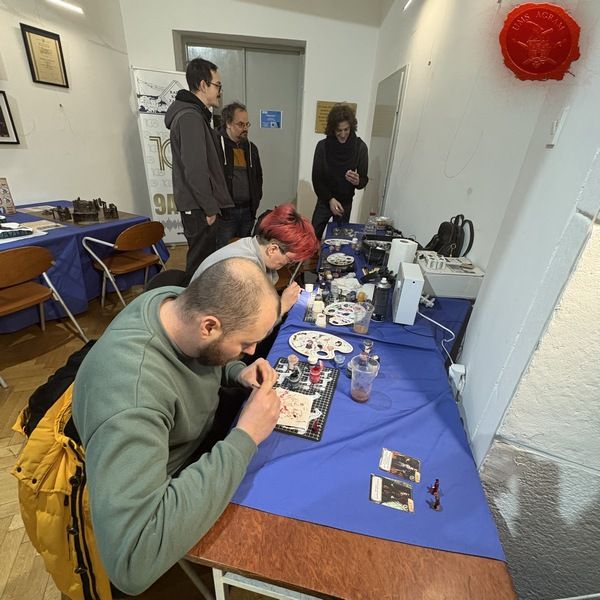
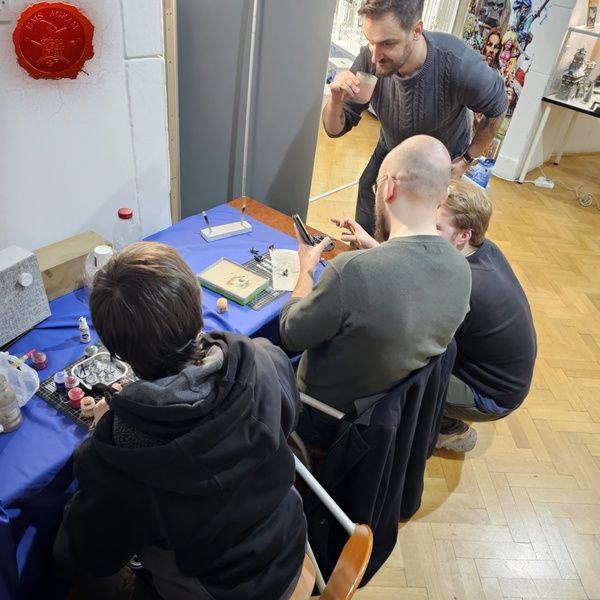
Over the next two weeks, our volunteers held open miniature painting workshops on weekdays from 4:00 PM to 8:00 PM. Miniature painting workstations were set up where our visitors could paint miniatures we had prepared (or their own if they had brought them) using our materials and tools.
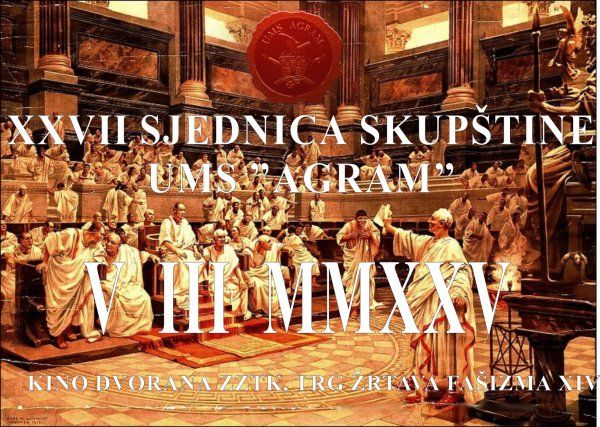
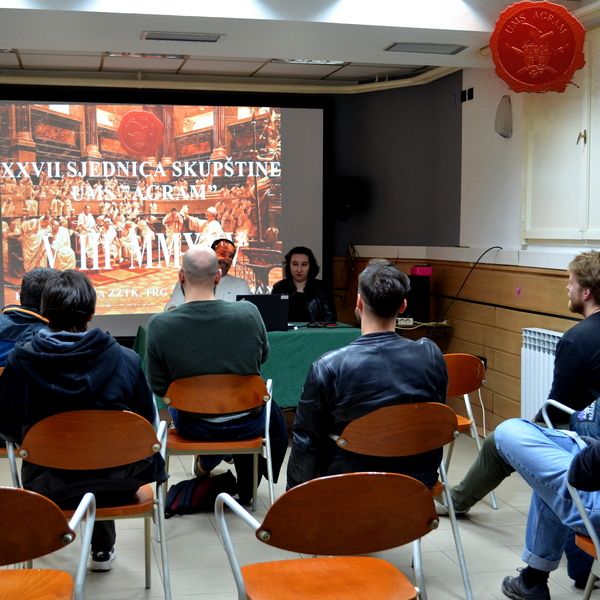
U srijedu 05.03.2025. održana je godišnja sjednica Skupštine na kojoj smo odredili smjernice rada u 2025..
W E E K E N D M I N I A T U R E P A I N T I N G W O R K S H O P S
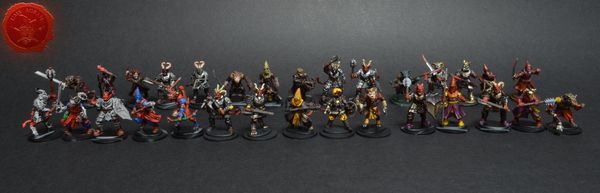
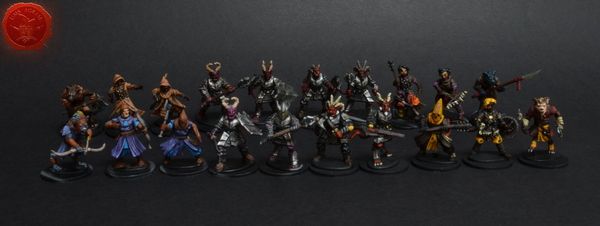
During the second weekend of the Exhibition, March 1-2, we organized a MINITURE PAINTING WORKSHOP – Frostgrave.
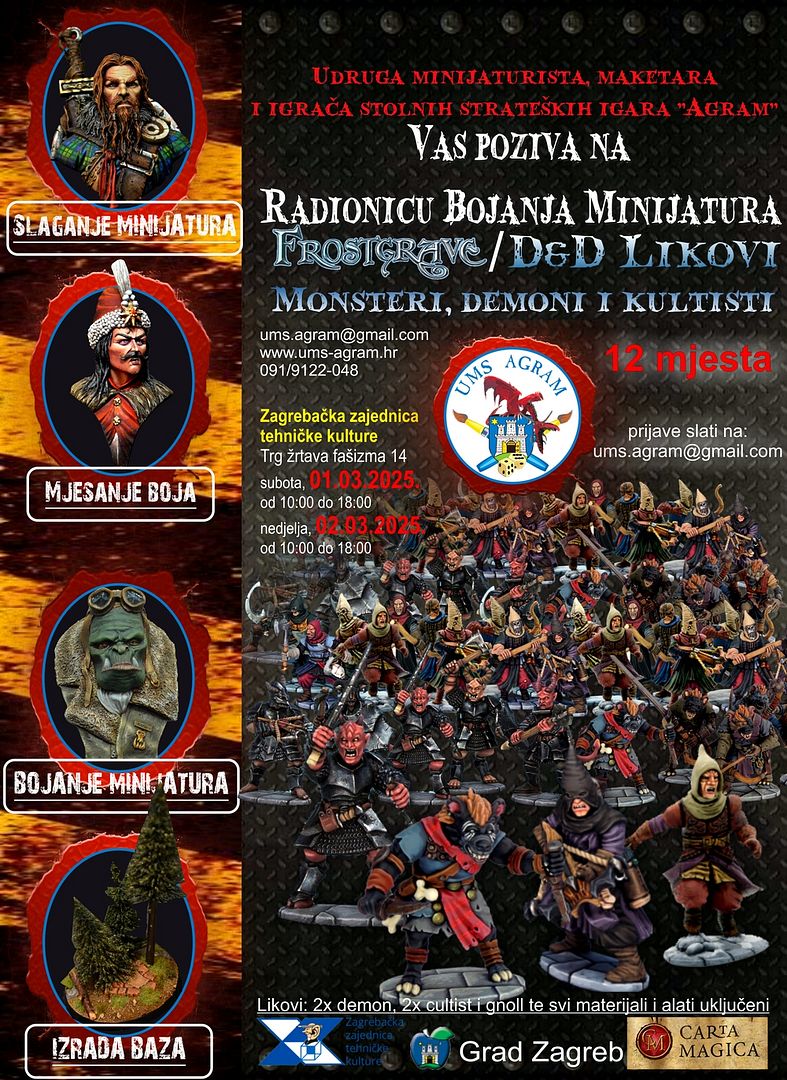
The workshop was held over two days (the whole weekend) and participants painted five different figures for the Frostgrave game, which can also be used for DND sessions. The focus of these lectures was painting several miniatures at once, but the knowledge from the workshop is equally applicable to painting armies for boardgames and a collection of figures for pen&paper rpgs. The workshop presented paints and accessories, preparation of figures, several techniques for coloring miniatures from basic to more advanced, and techniques and tricks for quickly and efficiently coloring large quantities of figures at once. As part of the workshop, water-based acrylic paints were used.
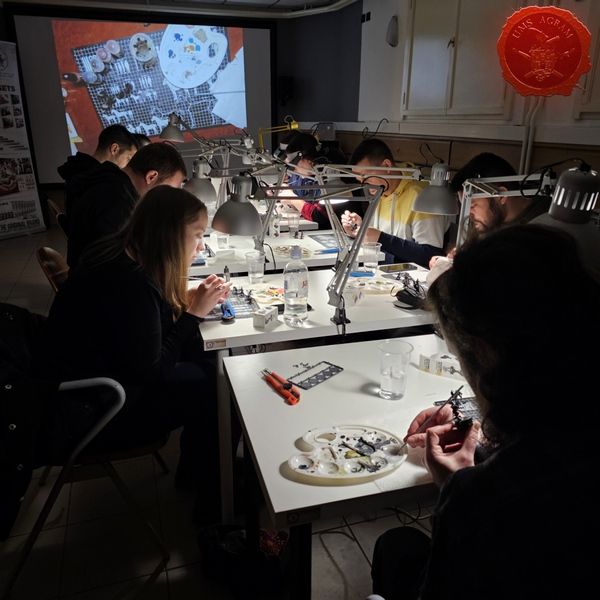
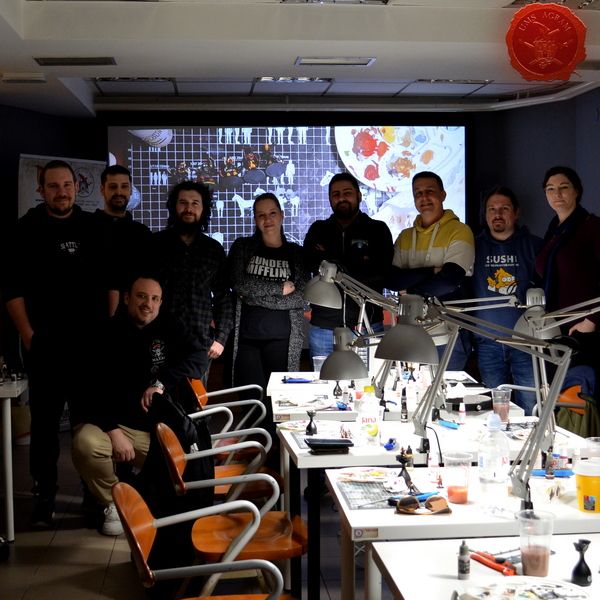
During the weekend, 17-18.05., we organized a MINITURE PAINTING WORKSHOP – Kitbashing and Converting.
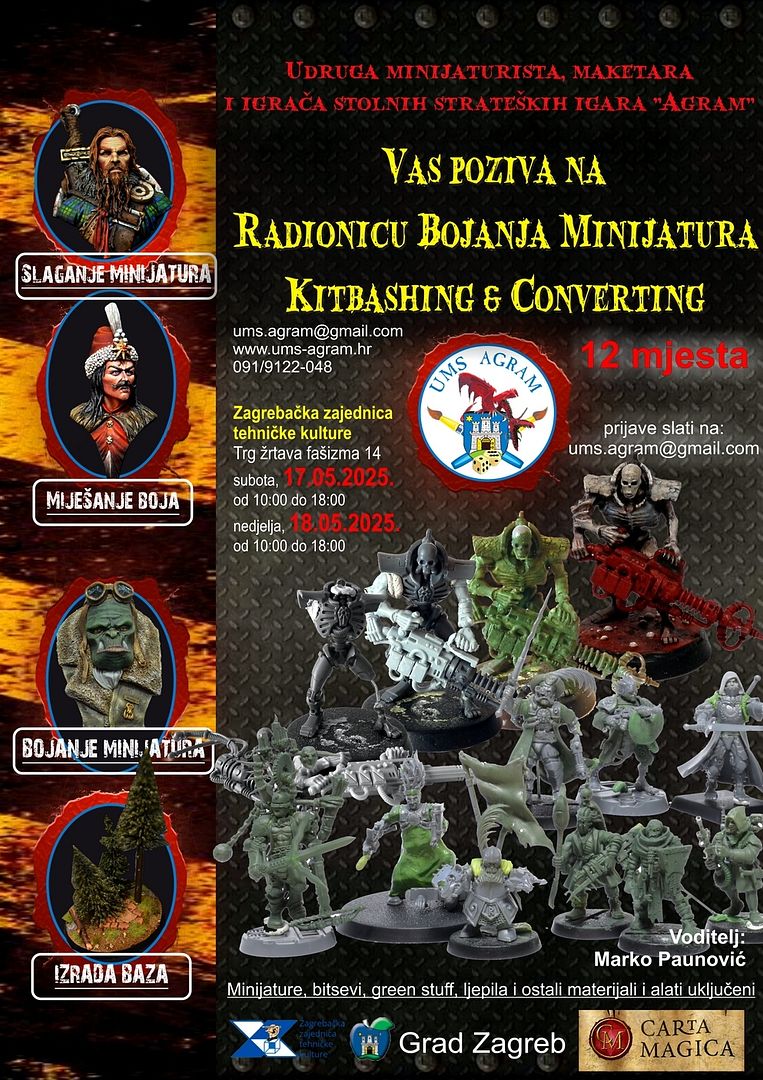
The workshop was conducted over two days (a whole weekend) and focused on making two (up to three) of their own miniatures from various parts (several different miniatures) with the addition of modeling the parts using modeling clay (Green Stuff). It consisted of two parts, a theoretical and a practical part. During the workshop, participants were introduced to tools, materials and techniques for performing simple and complex conversions, including the use of modeling putties.
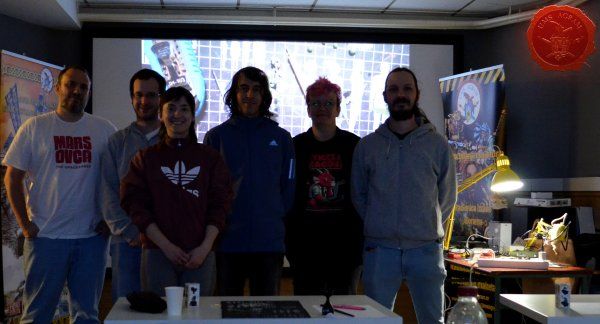
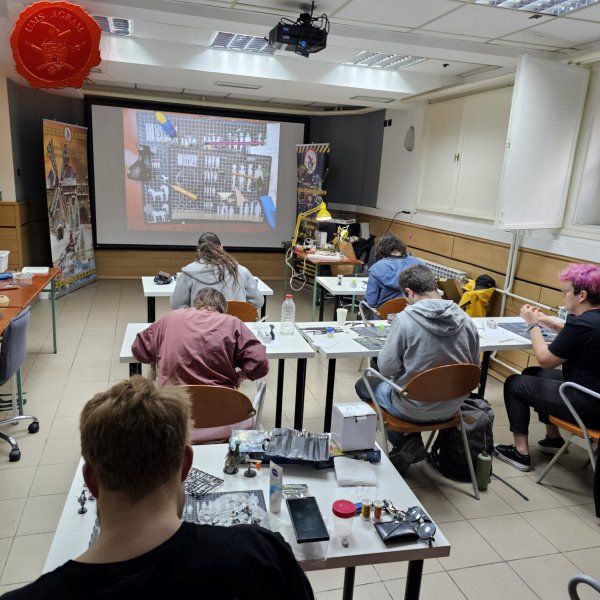

Over the weekend, September 13-14, 2025, we held a new weekend miniature painting workshop called Contrast paints.

The workshop was held over two days (the whole weekend) and participants colored several (2-3) different figures using Contrast colors for quick coloring of miniatures. The focus of these lectures was coloring several miniatures at once, but the knowledge from the workshop is equally applicable to coloring armies for boardgames and a collection of figures for pen&paper rpgs. Each participant put together two to three figures from our collection, but for the first time they were also able to bring their own figures to work on. The workshop presented paints and accessories, preparation of figures, several techniques for coloring miniatures from basic to more advanced, and techniques and tricks for quickly and efficiently coloring large quantities of figures at once. As part of the workshop, water-based acrylic paints were used, with special attention paid to Contrast paints. The lectures were adjusted so that the presenters could devote equal time to all participants and could be adapted to all categories of miniaturists (from beginners to slightly advanced).
B A C K T O B A S I C S Miniature painting workshops for kids

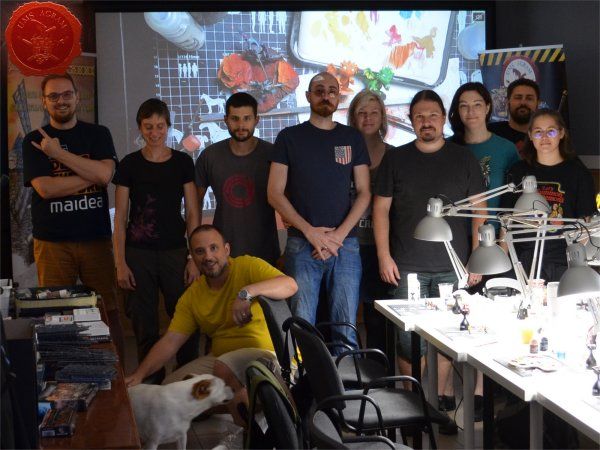
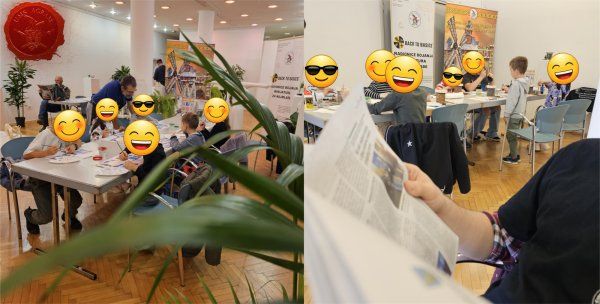
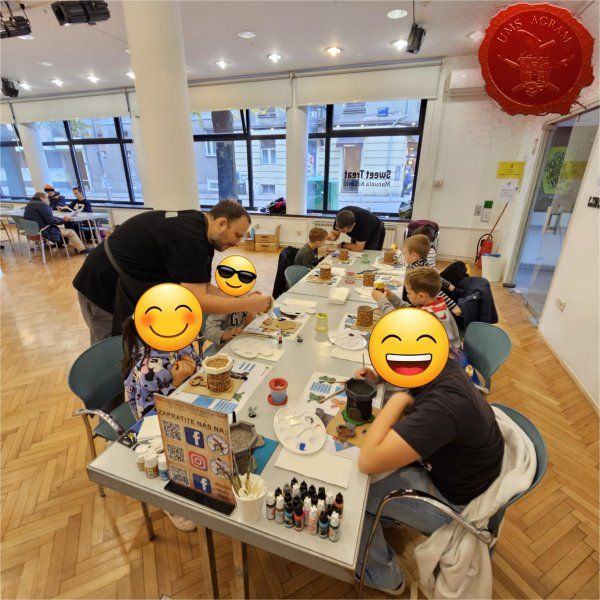
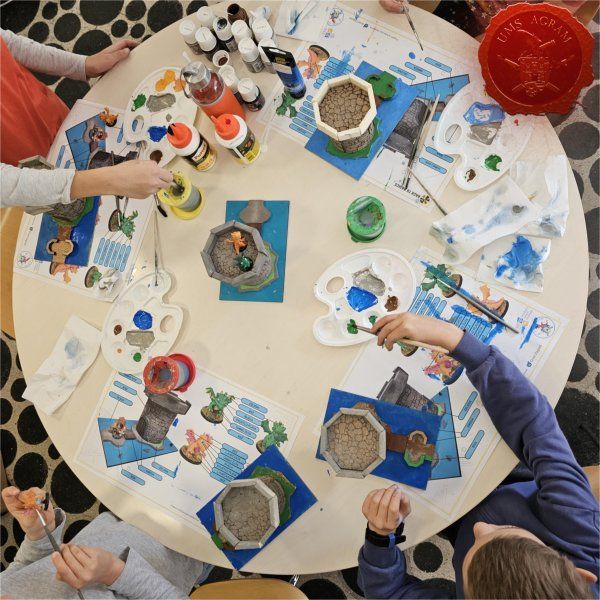
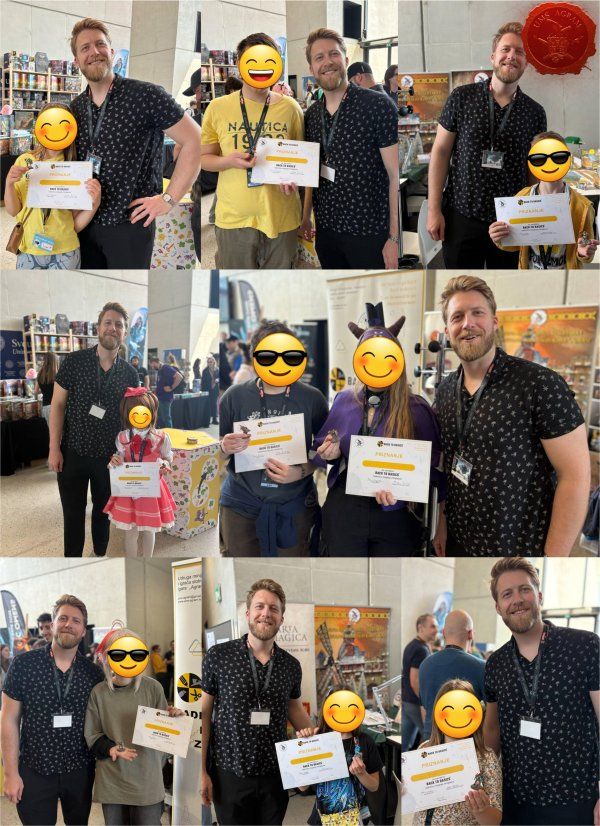
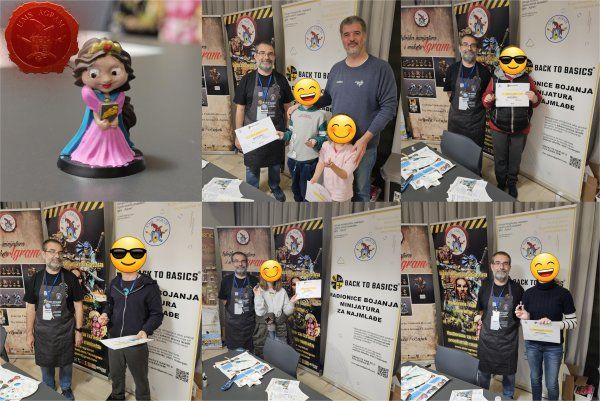
During October and November, we held our Back to Basics miniature painting workshops for the youngest at the Zagreb City Libraries. We held a total of six workshops during October and November. And in combination with the Association's appearances at various events throughout 2025, a total of 100 participants, our youngest fellow citizens, went through the B2B workshop program..

A G R A M L E G O S E C T I O N
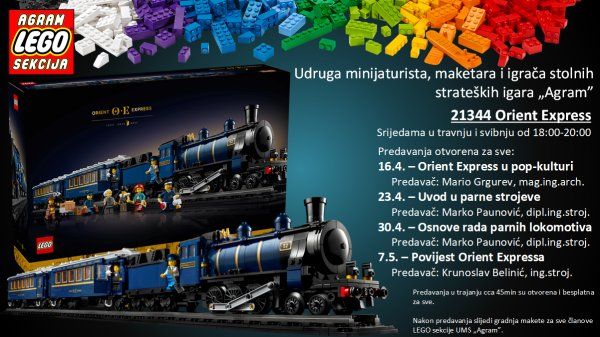
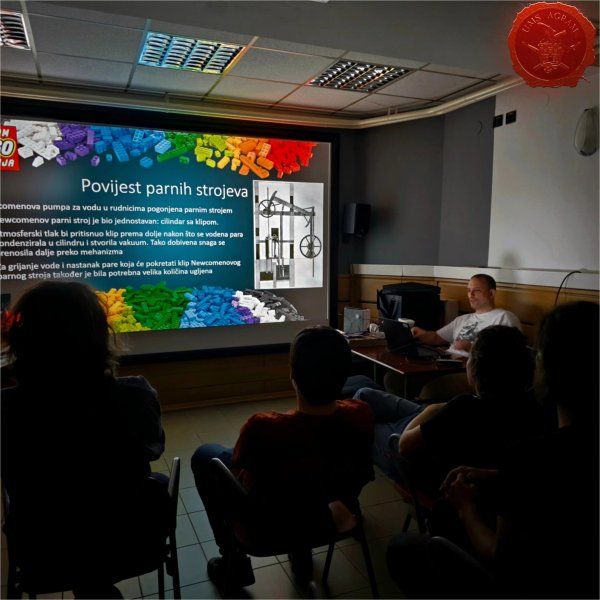
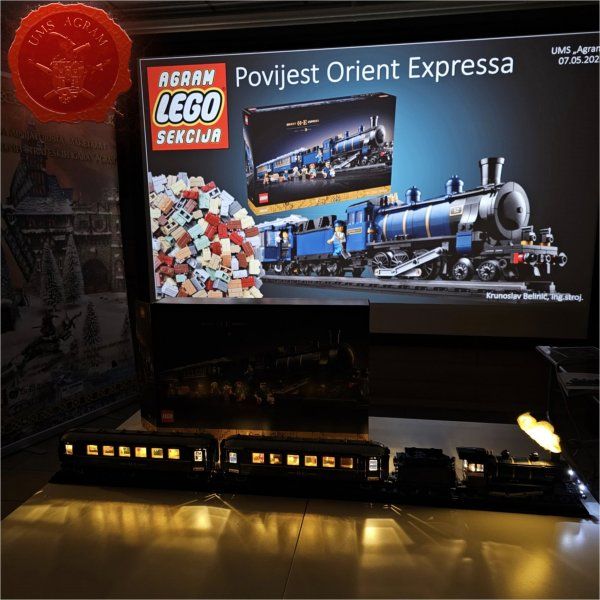
As part of our Agram Lego Section, we have been organizing a series of expert lectures related to our current group LEGO project since 2024. Our experts lead lectures in various fields such as architecture, mechanical engineering, naval architecture, sculpture, etc. In 2025, we covered two topics: Leonardo da Vinci – the inventor and the Orient Express.
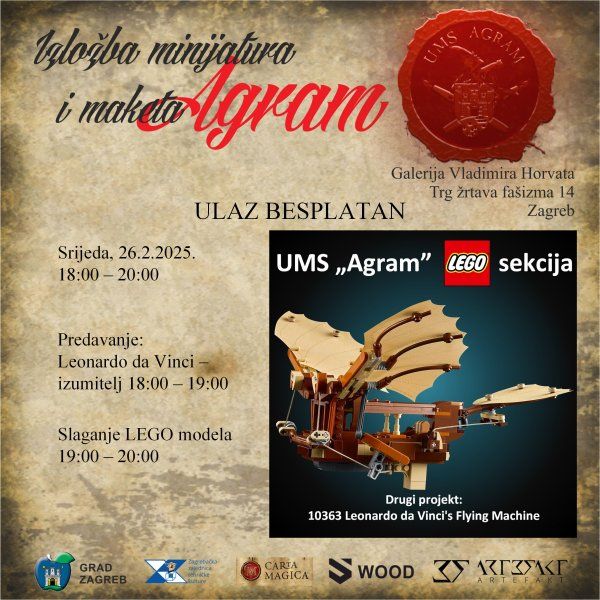
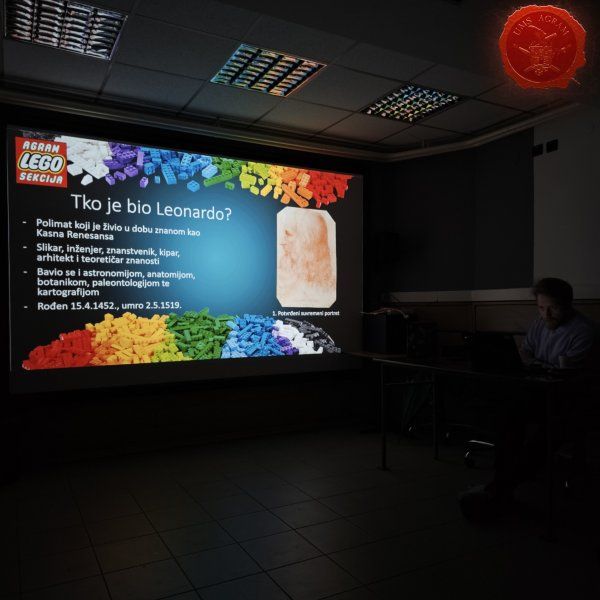
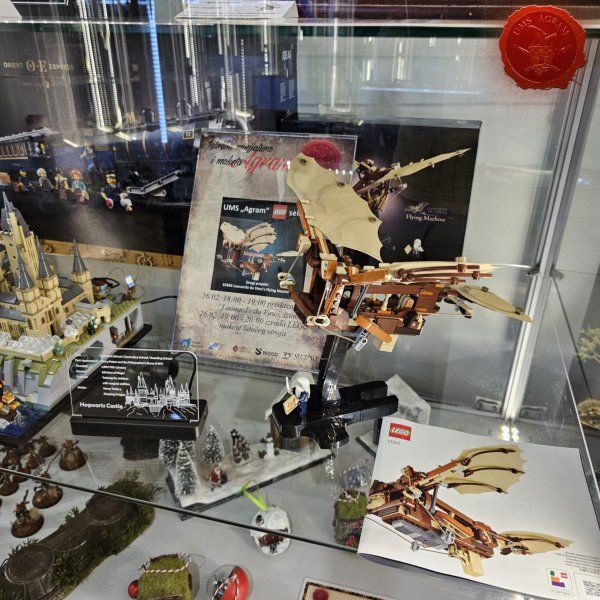
In February, our Mario Grgurev covered the topic of inventor Leonardo da Vinci as part of the construction of his flying machine.
In April, our engineers held a series of lectures about the Orient Express, steam engines and locomotives as part of the construction of a model of this most famous train in the world.
A G R A M G R O U P B U I L D
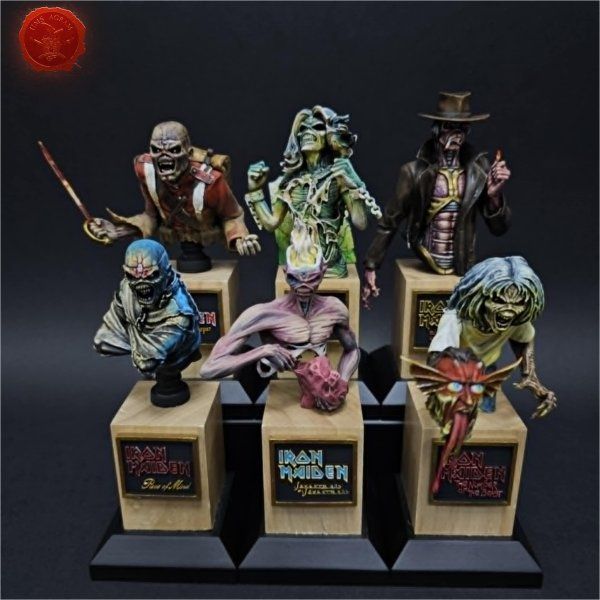
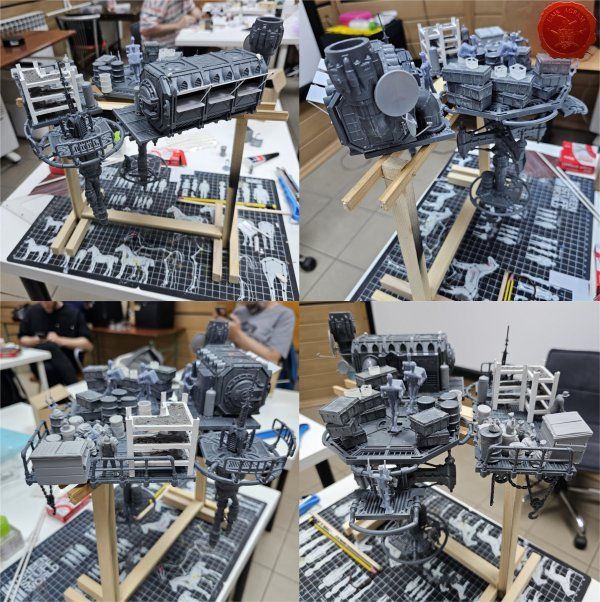
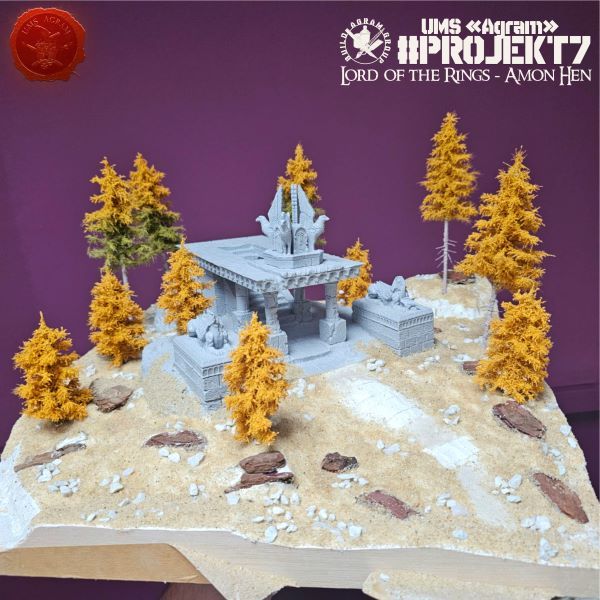
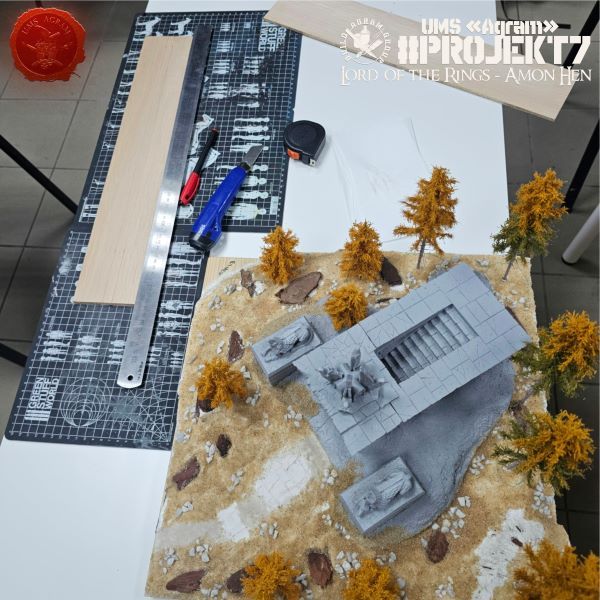
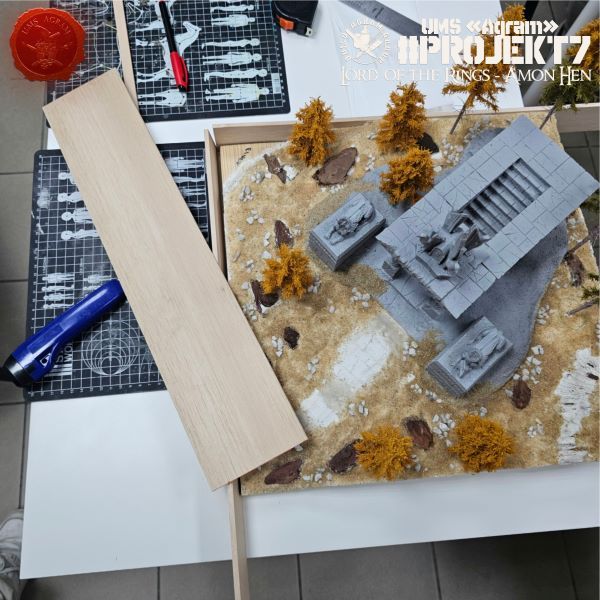
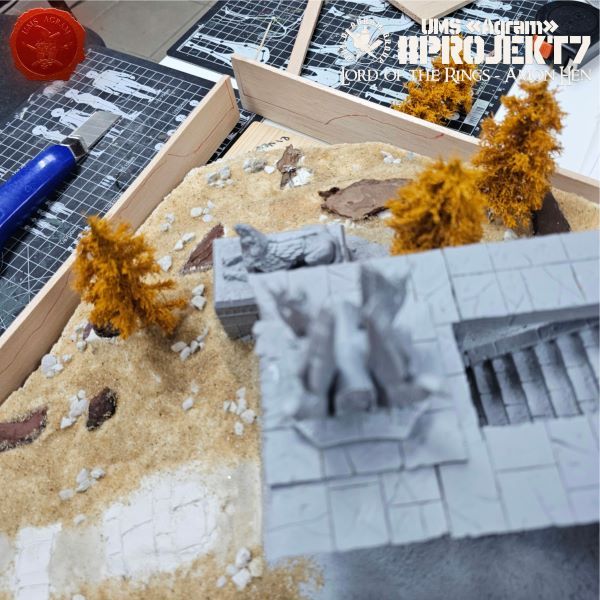
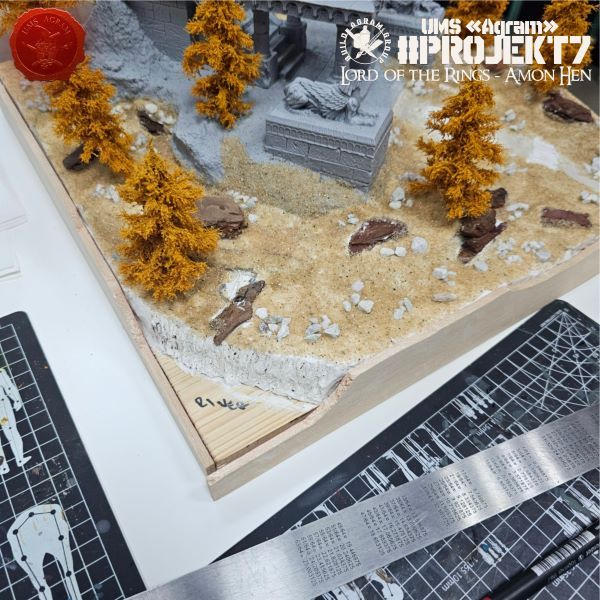
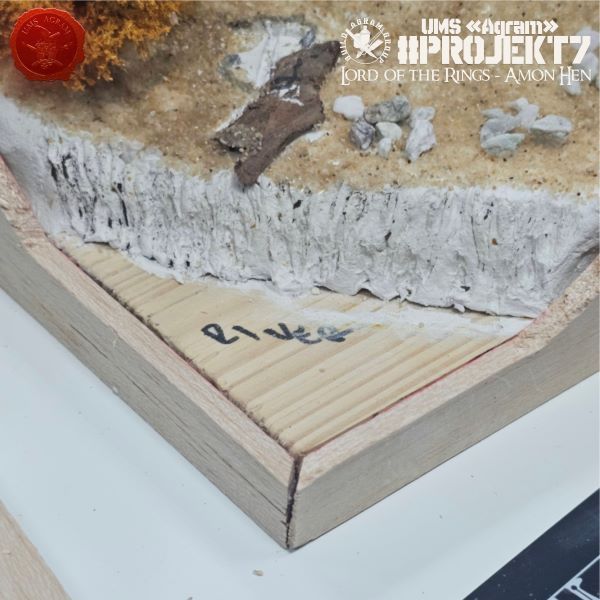
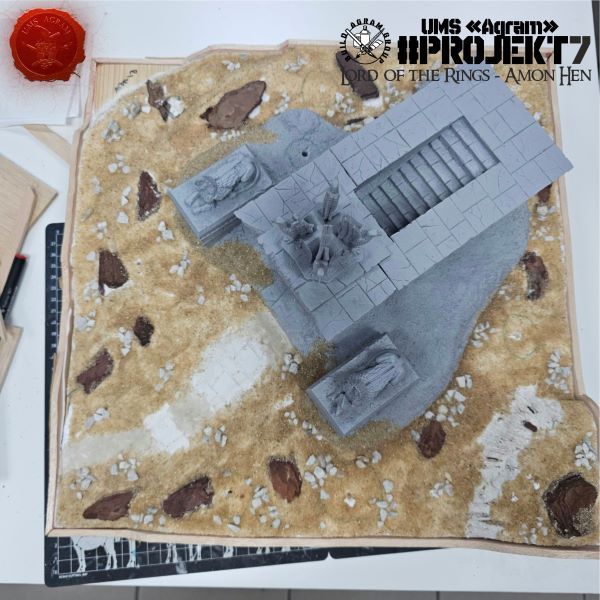
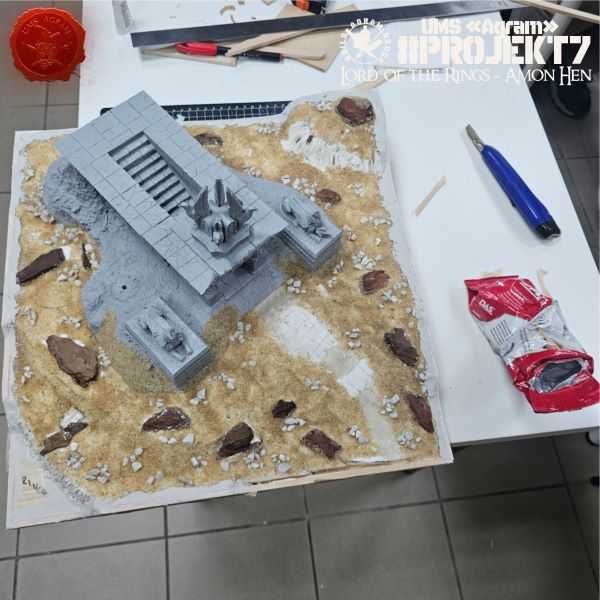
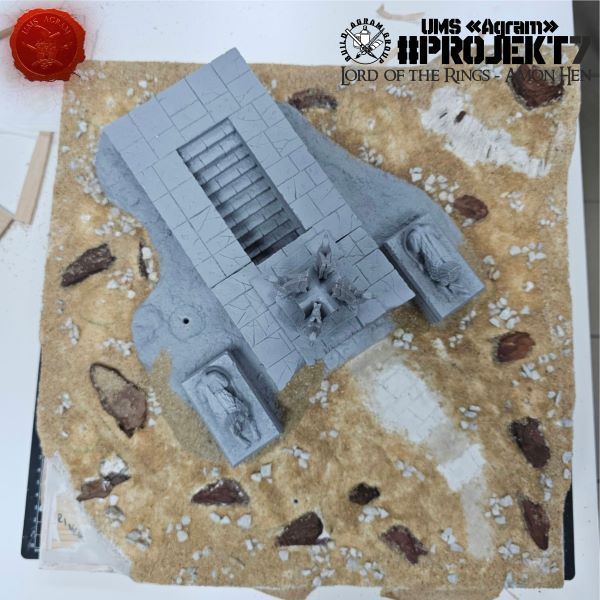
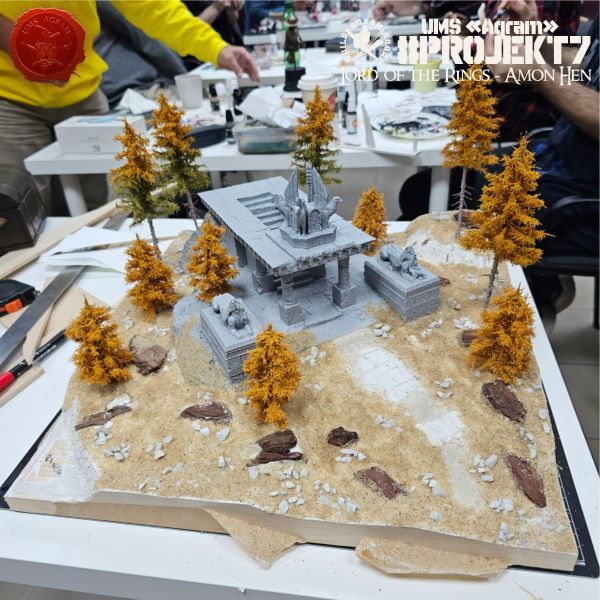
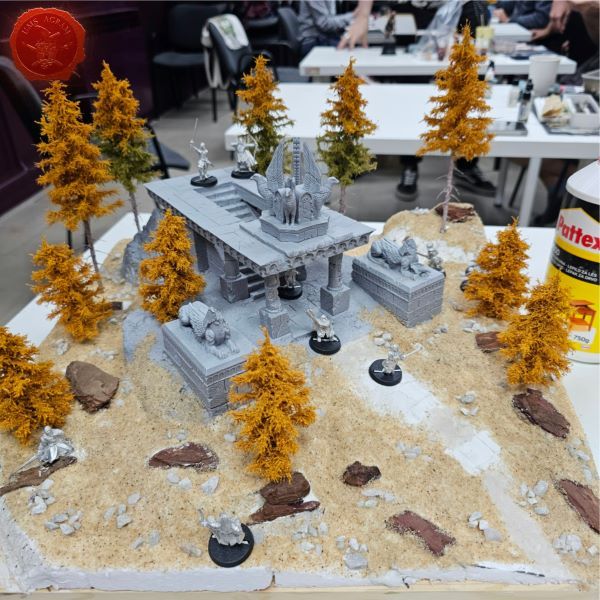
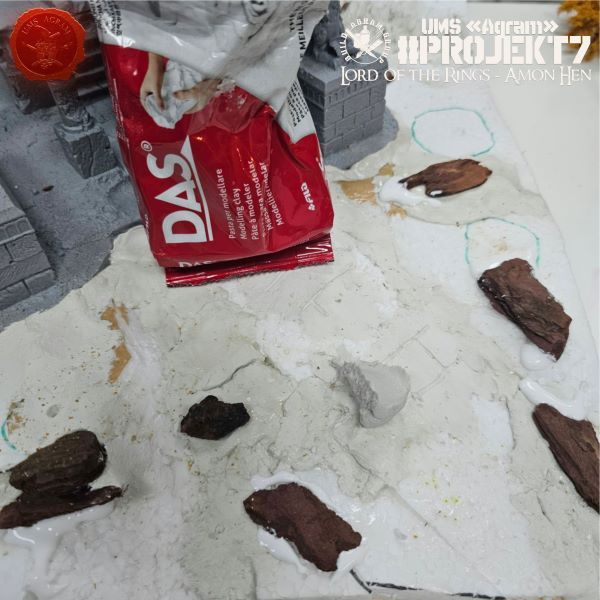
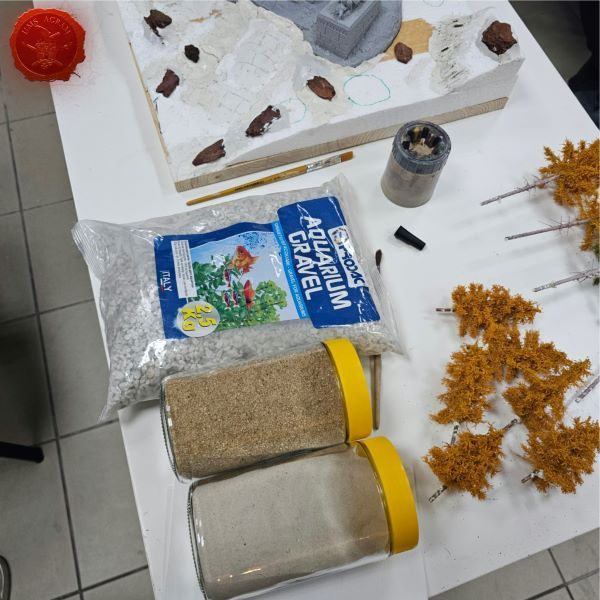
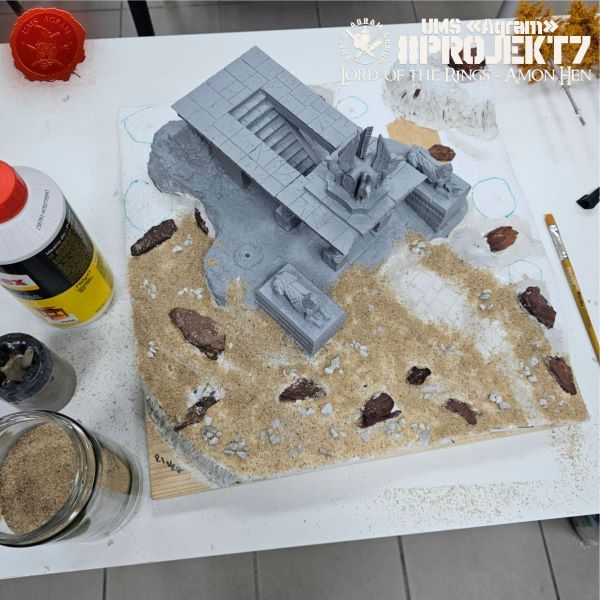
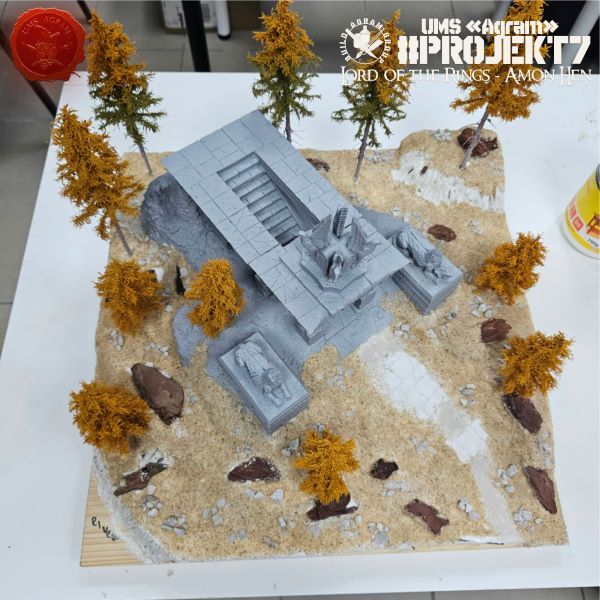
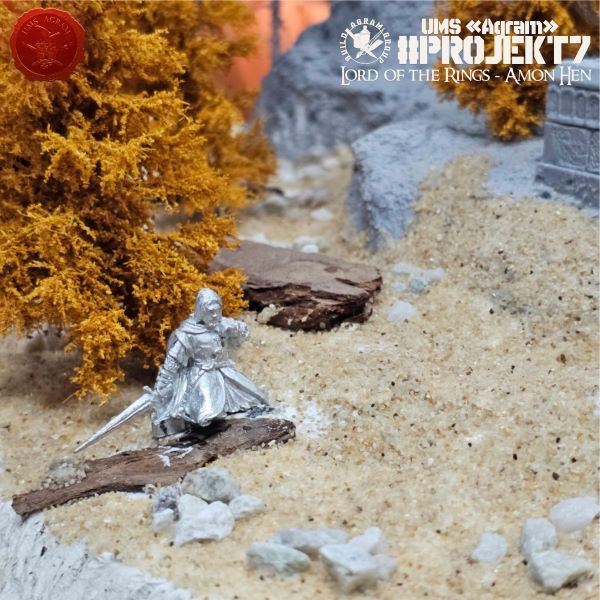
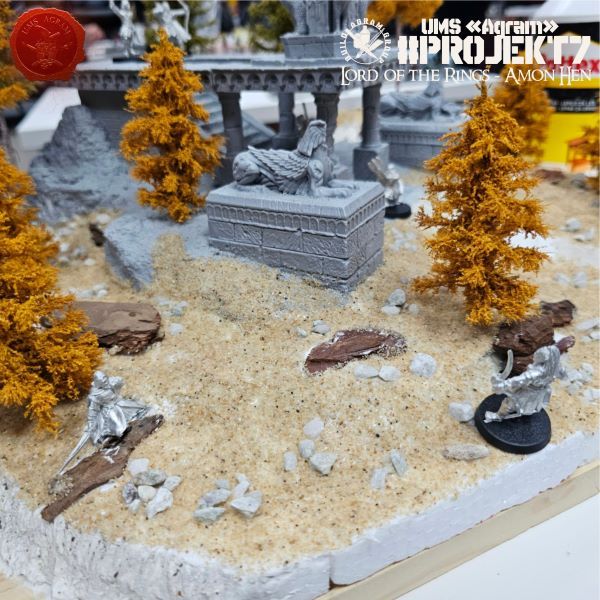
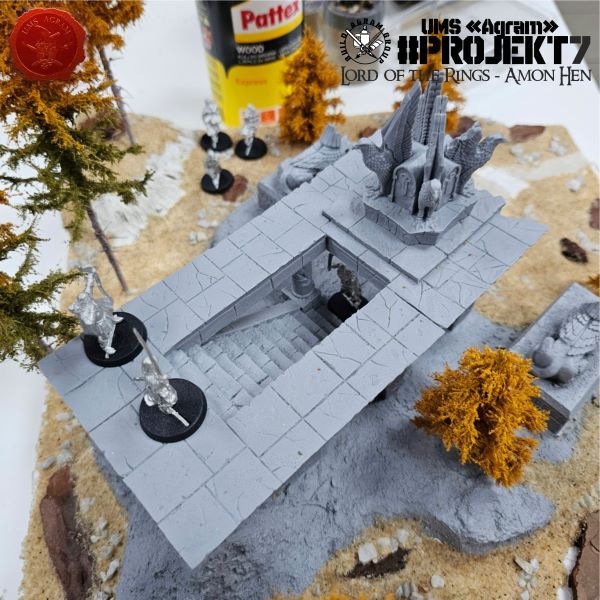
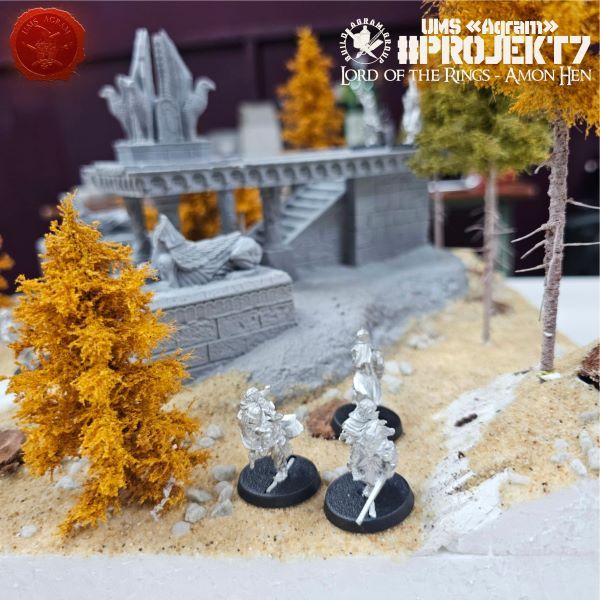
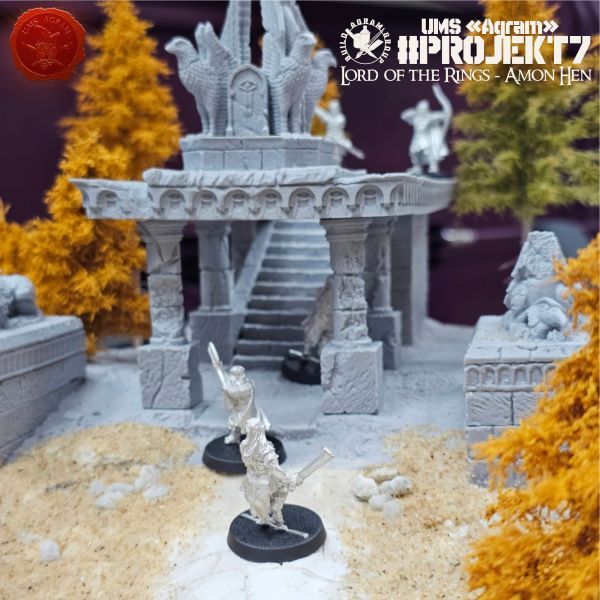
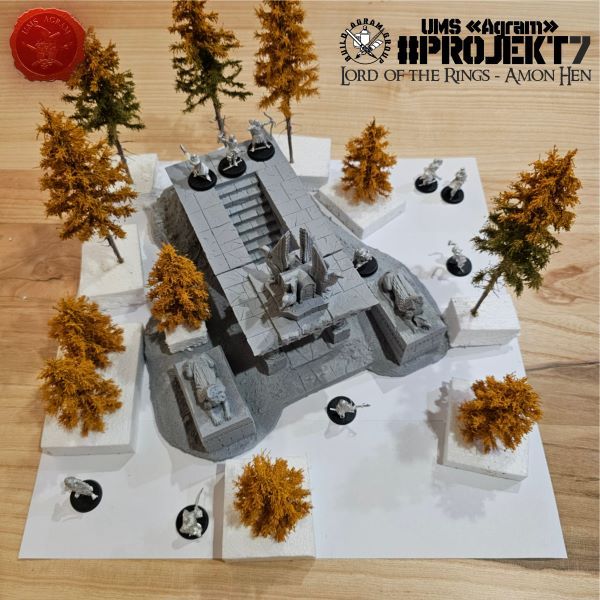
As part of this UMS "Agram" project called Agram Group Build, which was created after Kruno and Marko discussed joint projects on Wednesdays and how it would be cool to gather more people on Wednesdays to work on something together. From this, the idea of Group Builds was born. In 2025, we worked on a series of busts on the theme of Iron Maiden and on the creation of a dieselpunk diorama of a flying island.

H O B B Y C O R N E R O N W E D N E S D A Y S
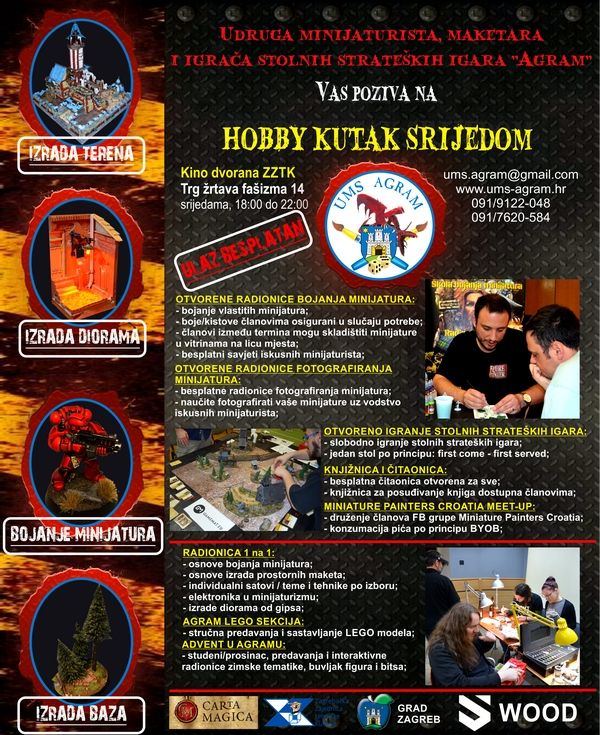
Hobby Corner on Wednesdays is conceived as a collection of free activities in the space used by UMS "Agram" during Wednesday evening sessions. Most activities are open to everyone, with some benefits for UMS "Agram" members, such as storing miniatures in display cases between sessions or borrowing books from our extensive Library.
A D V E N T I N A G R A M
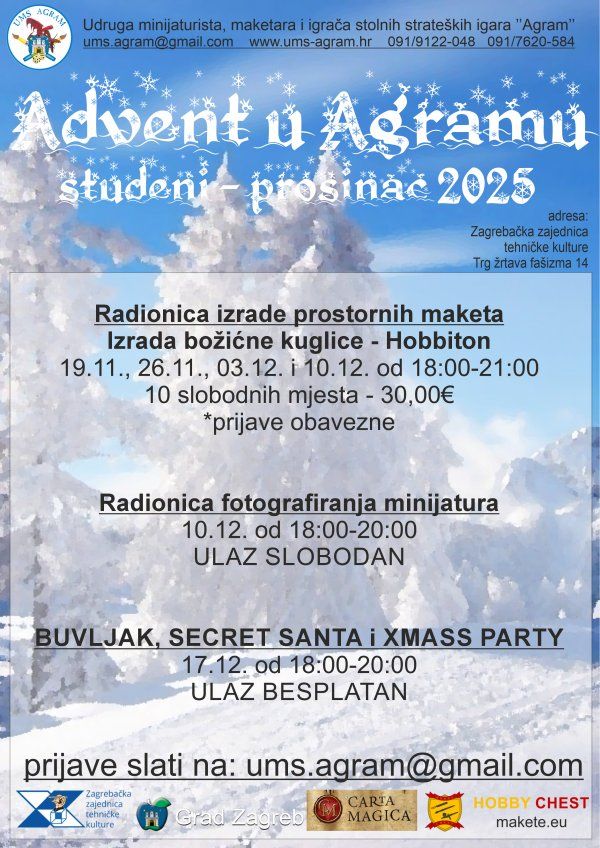
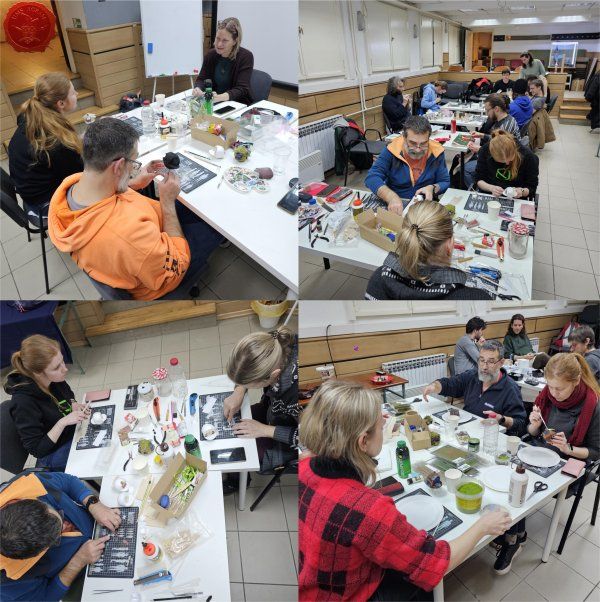
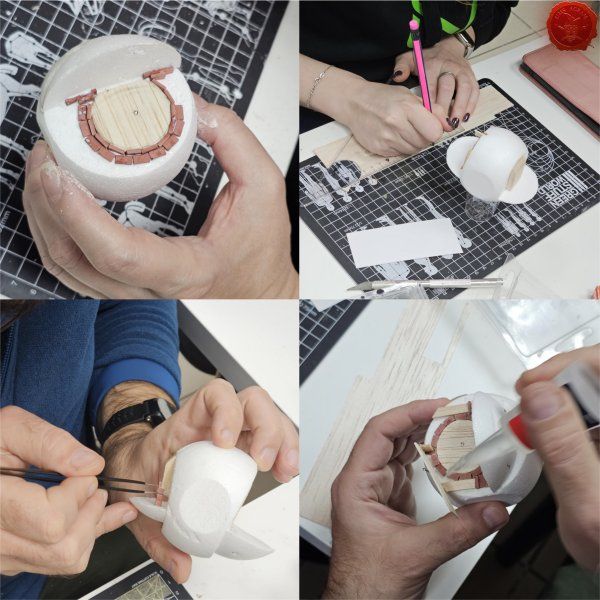
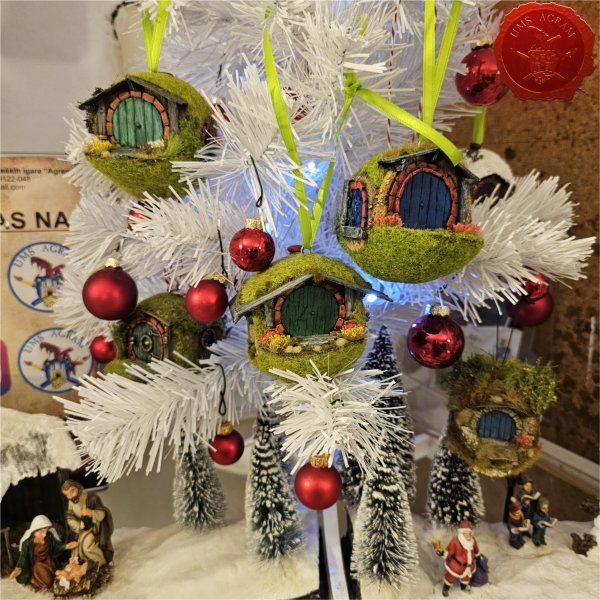
During November and December, we organized a program called Advent in Agram, which consisted of interactive workshops on making Christmas balls and shorter demonstration workshops during December. Interactive workshops involve participants making their own models according to instructions and under the supervision of a leader. No registration is required for the demonstration workshops in December, and they consist of a series of separate topics that cover model-making methods, effects, and materials related to the winter period, such as making snow, ice, and the like, which the lecturer demonstrates from behind the desk.
Miniature photography course
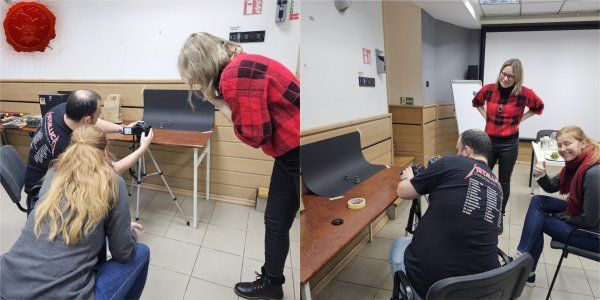
10.12. as part of Advent in Agram, a miniature photography course was held, in which the lecturer showed how to photograph miniatures and how to make all miniatures sharp.
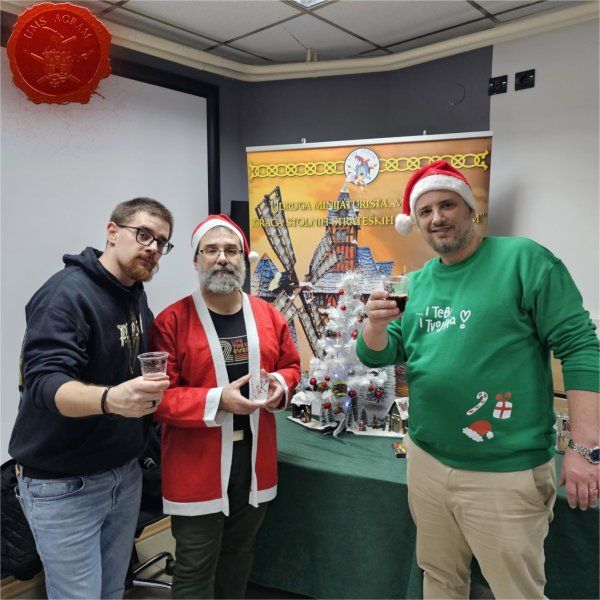
Secret Santa
Miniatures Fleamarket
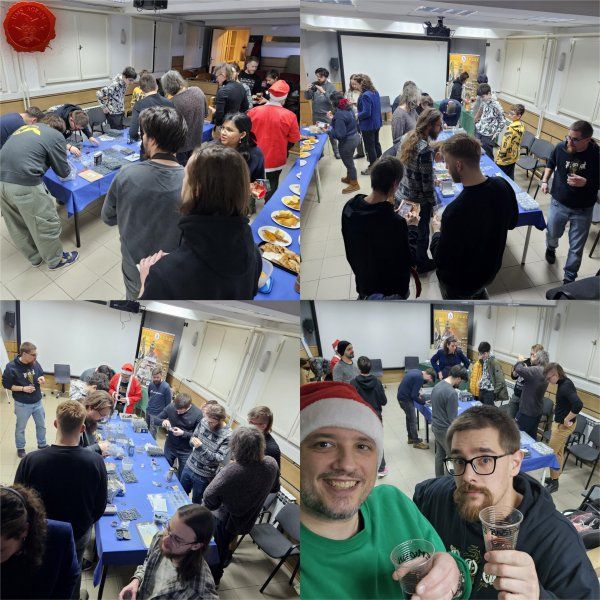
P E R F O R M A N C E S AT C O M P E T I T I O N S, C O N V E N T I O N S, E X H I B I T I O N S A N D O T H E R E V E N T S
All A Bord, Nedelišće
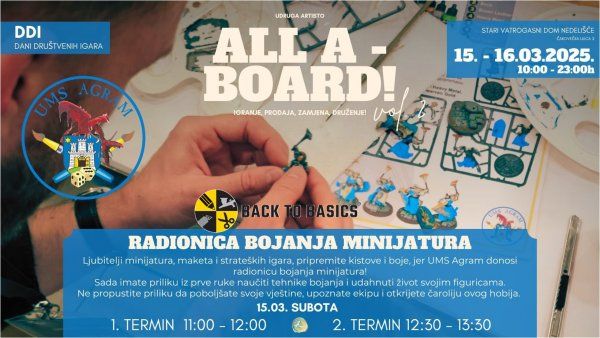
Our Mario, a veteran of the battlefields of Međimurje, led another Back to Basics coloring workshop. This time, at All A-Board vol.2 DDI - Social Games Days in Nedelišće on Saturday, March 15th.
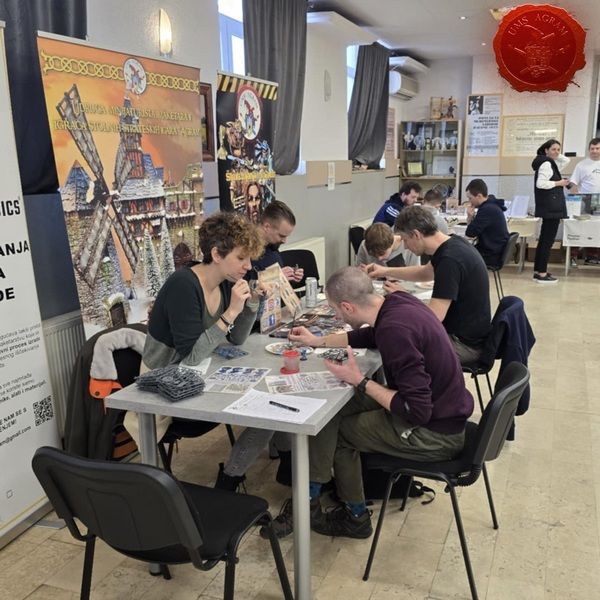
Sferakon, Zagreb

This year, UMS "Agram" organized interactive Back to Basics miniature painting workshops at its stand on Saturday, May 10th, adapted for all ages (from 8-99). The workshops for up to three participants last an hour..
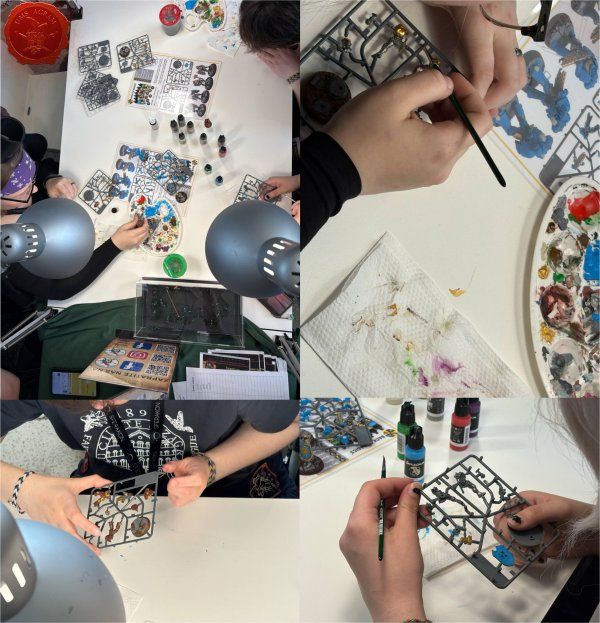
H.R.E.N.28, Medvode, Slovenia

Our delegation participated in the international invitational event H.r.e.n.28 organized by our friends from AmuletD20.

14. Days of Technical Culture, Zagreb

On September 19th and 20th, we performed at the 14th Days of Technical Culture at the Dubrava Cultural Center. The days were organized by the Zagreb Technical Culture Association..
As part of the performance, we organized: - introducing Agramer, a line of chibi miniatures - promotion of the book Tabletop Scenery for Beginners

And we are proud to announce that we received the Dr. Oton Kučera Annual Technical Culture Award for our work in 2024.

We also organized free: - demonstrations of miniaturist techniques - sculpting and painting miniatures on Friday - Back to Basics miniature painting workshops for the youngest on Saturday

Modelmania, Zagreb
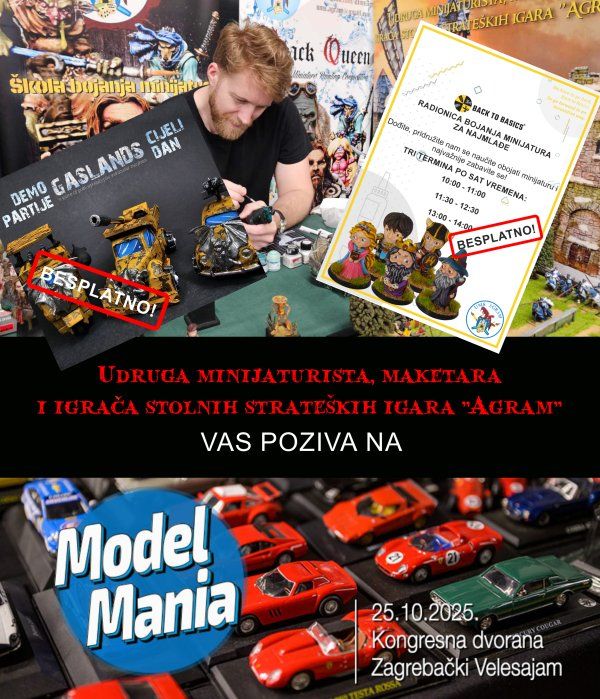
On Saturday, October 25, 2025, the Photo Video Show & ModelMania Zagreb took place in the Congress Hall at the Zagreb Fair. UMS Agram performed with a presentation of the work of our various programs such as Advent in Agram, Agram Group Build, Agram Lego Section and the UMS "Agram" Library and Reading Room.
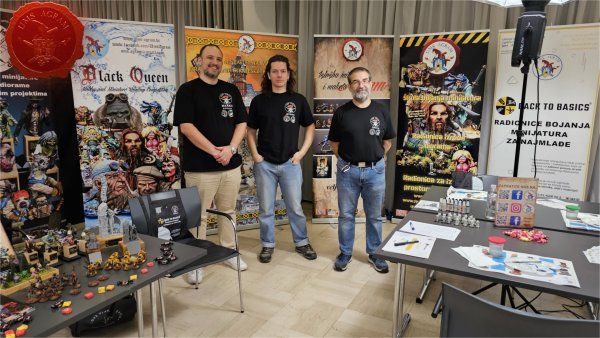
Our volunteers, Kruno and Marko were there from 10am answering questions about what we do. Antoni and Lav were in charge of demonstrating the tabletop strategy game Gaslands! Kruno held a Back to Basics miniature painting workshop!
State Championship of Slovenia in plastic modeling, Ljubljana, Slovenia
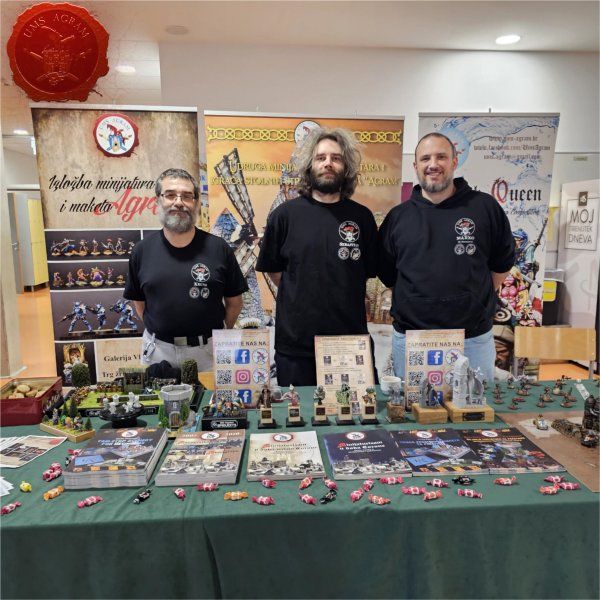
On Saturday, November 22, 2025. in Ljubljana, the National Championship of Slovenia in Plastic Modeling was held, jubilee, 30. On this occasion, our delegation performed in several categories, but also for the first time with a presentation stand.
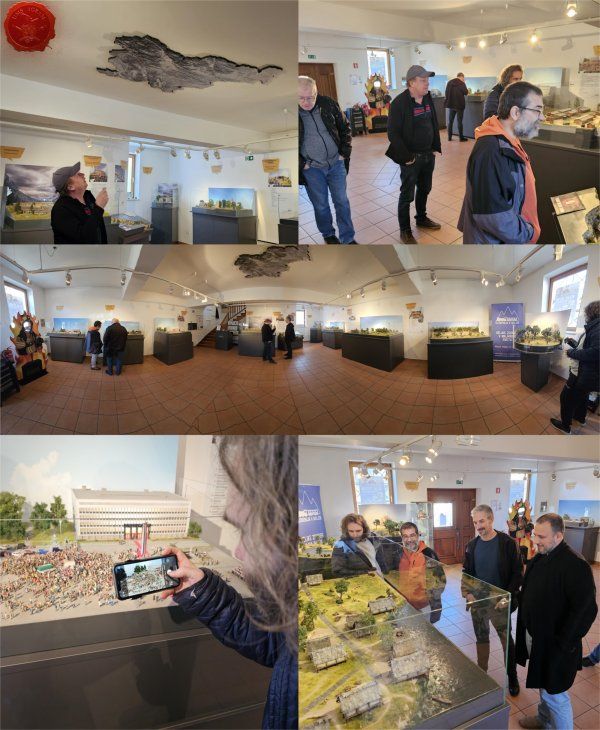
Museum Slovenija v Malem, Šenčur/Kranj, Slovenij
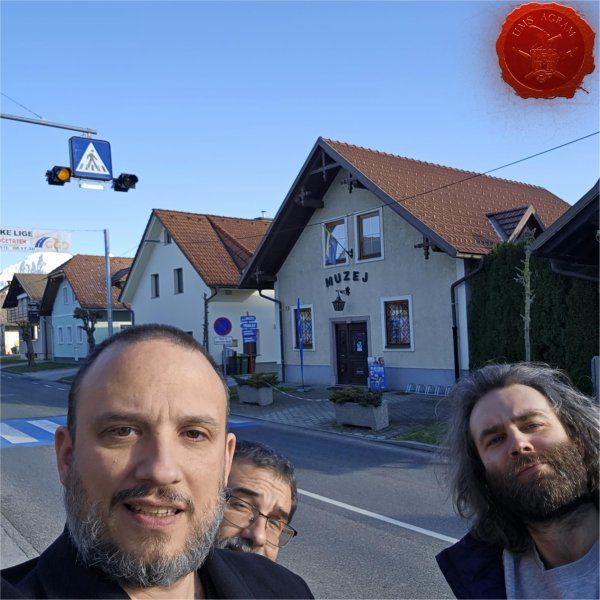
After the performance at the National Championship in Ljubljana, our team went on a trip to Kranj on Sunday morning at the invitation of our partners from Back to Basics! First we visited the Svet v Malem museum in Šenčur and then the headquarters of Back to Basics in Kranj.
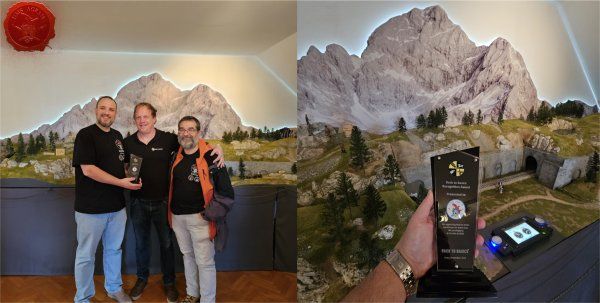
During the visit, we were presented with a commemorative plaque on the occasion of the hundredth participant in our Back to Basics workshops during 2025.
After that, we visited the B2B headquarters at the Kovačnica incubator in Kranj, where we discussed the state of technical culture in both Slovenia and Croatia over coffee.
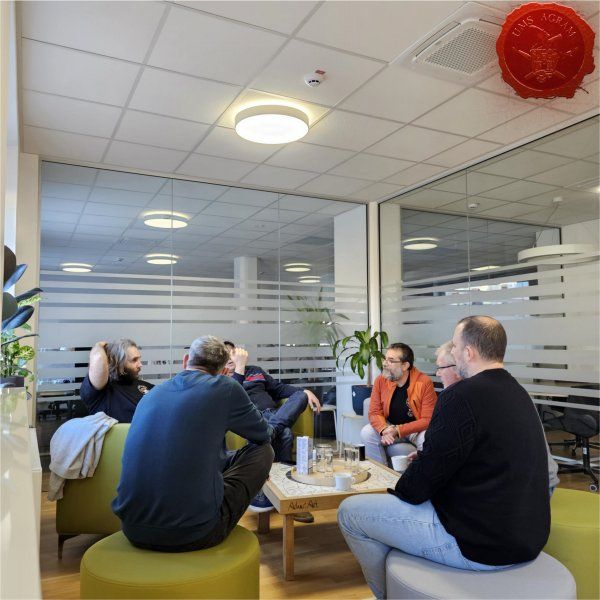
V I S I T S T O E X H I B I T I O N S, C O M P E T I T I O N S A N D O T H E R E V E N T S
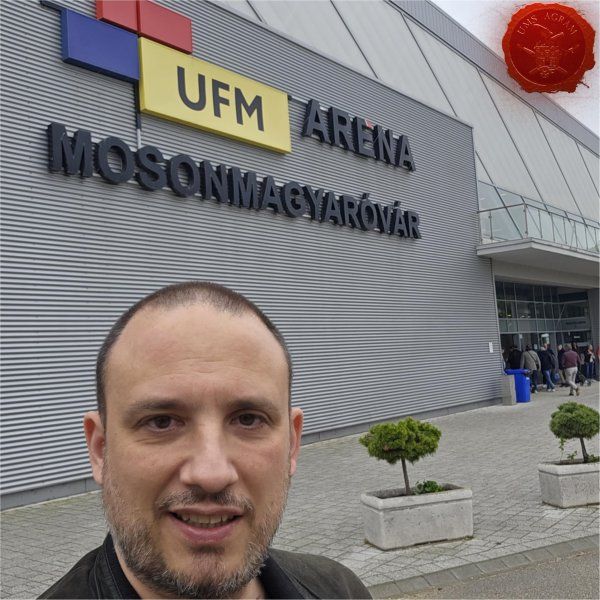
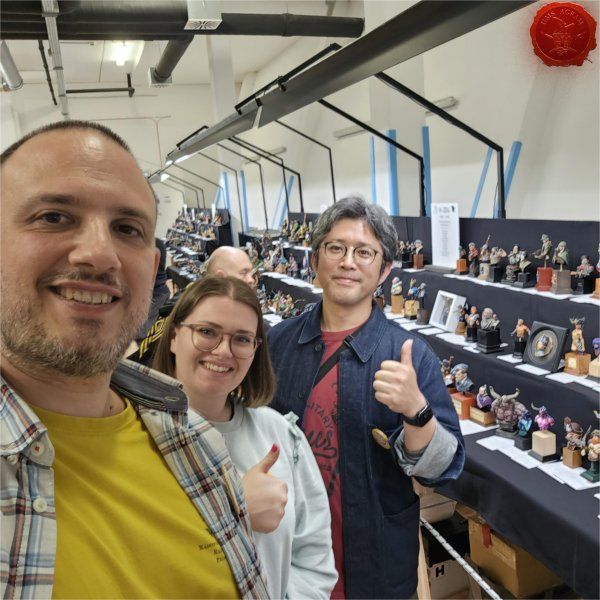
Mosonshow, Mosonmagyarovar, Hungary
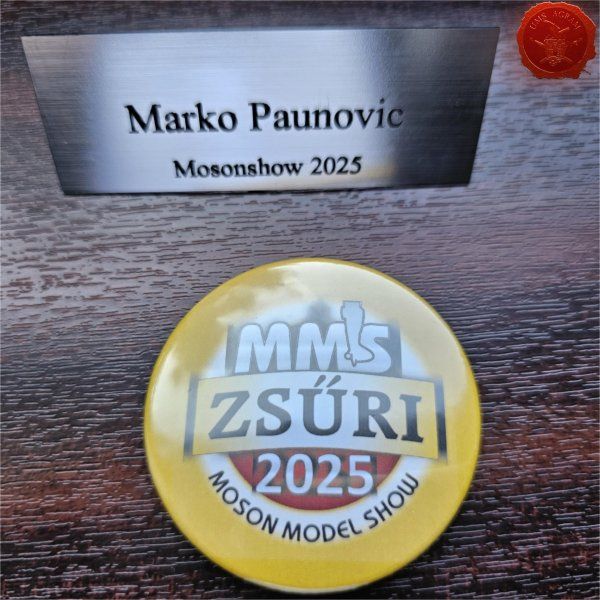
In April, our Marko Paunović, at the invitation of the organizers, was one of the judges at the prestigious international competition Mosonshow.
Eurotrack 2025, Zagreb
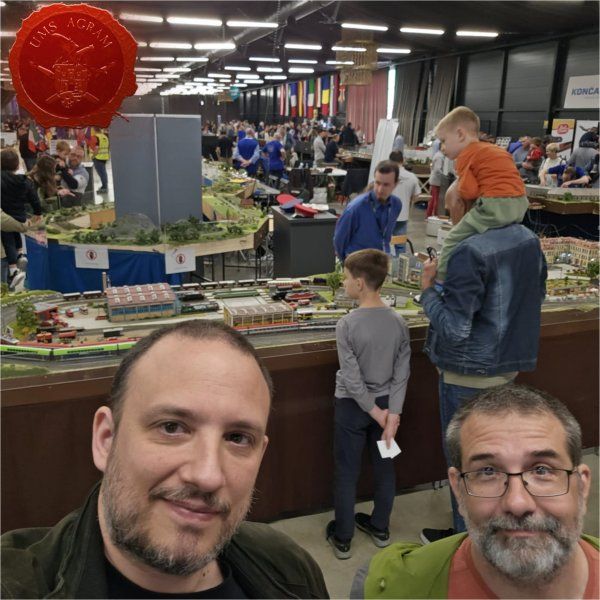
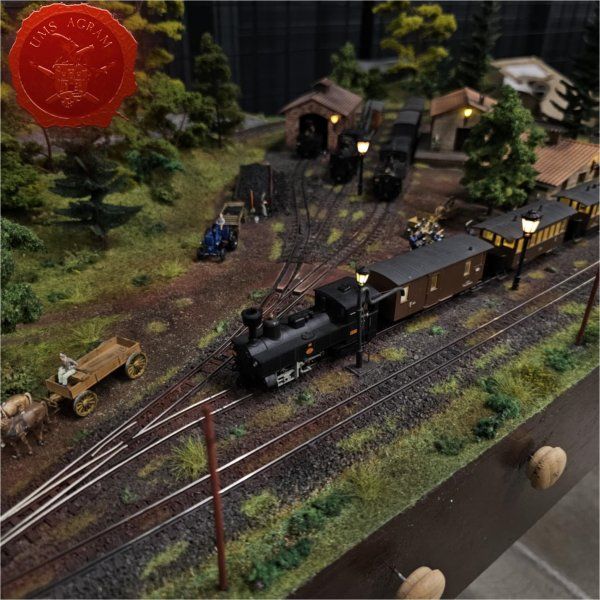
On Friday, May 10, our exhibition delegation visited the largest model train exhibition in Croatia, called Eurotrack 2025.
Kontrast, Warsaw, Poland
One of the largest miniature painting competitions in the world has been taking place in Warsaw since 2021. The Knezović clan visited Kontrast for the first time in 2023. The event was great and they enjoyed almost 1500 works, many of which were made by masters at the highest artistic level.
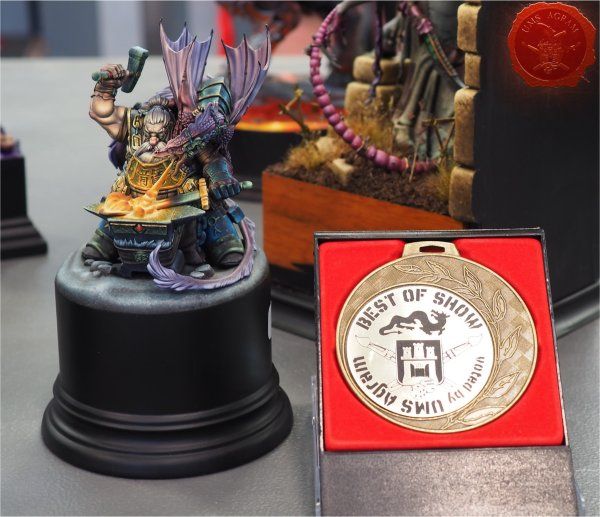
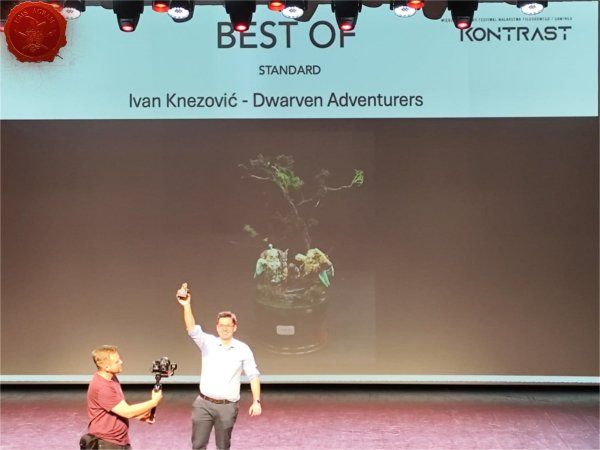
Our results were beyond expectations. Petar did not return with a medal, because for 2 years he worked mostly on orders. Jure Cukar, for whom we wore 3 models, won 1 silver in the Standard class. Filip won 2 silvers in the Standard class for his lizards (diorama) and for his environmental soldier (single model up to 54 mm). Ivan won gold in the Standard Historical and Realism category and the Alternity Miniatures award, silver in the Standard Storytelling category, gold in the Standard category for models larger than 54 millimeters and gold in the Standard Diorama category, the medal of Verko's Vault (miniature museum in Las Vegas) and what I really did not expect, the Best of Standard - award for the best work of all works in the Standard category. In addition, he also won a silver medal in the Master category.
Svet v Malem, Pivka, Slovenia
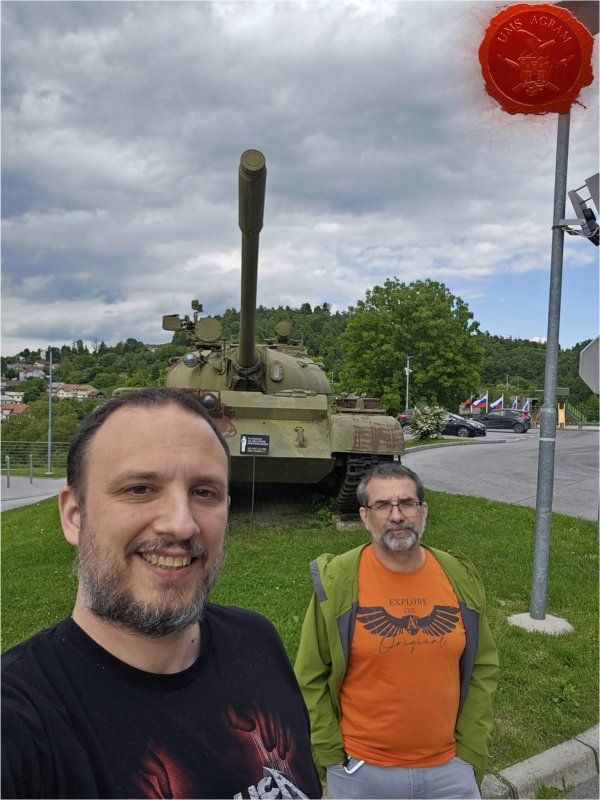
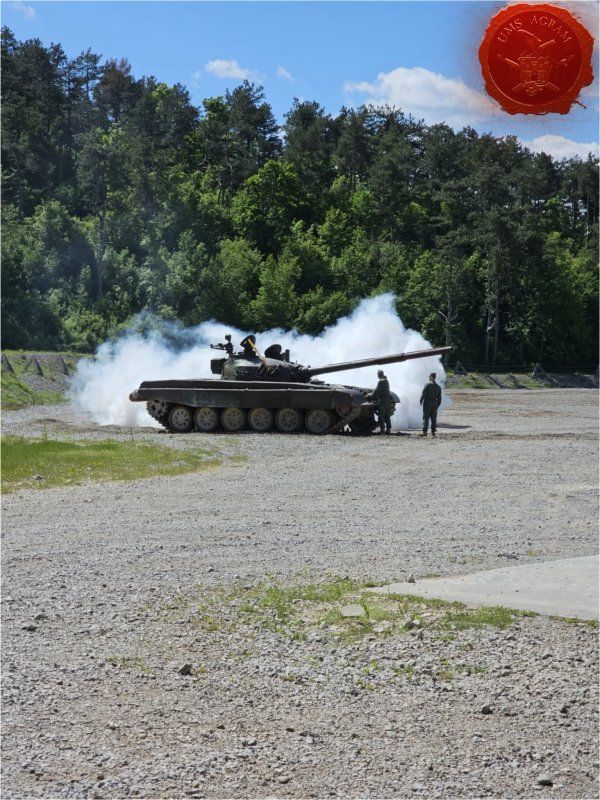
On Saturday, May 24, 2025, we headed to Pivka, Slovenia, for the traditional international competition Svet v Malem. As in previous years, this time it was held in the Military History Park in Pivka, located in a former military barracks.
Mastery in Scale, Samobor
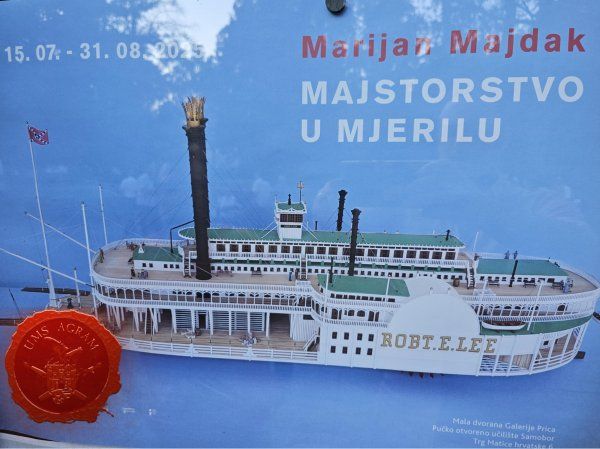
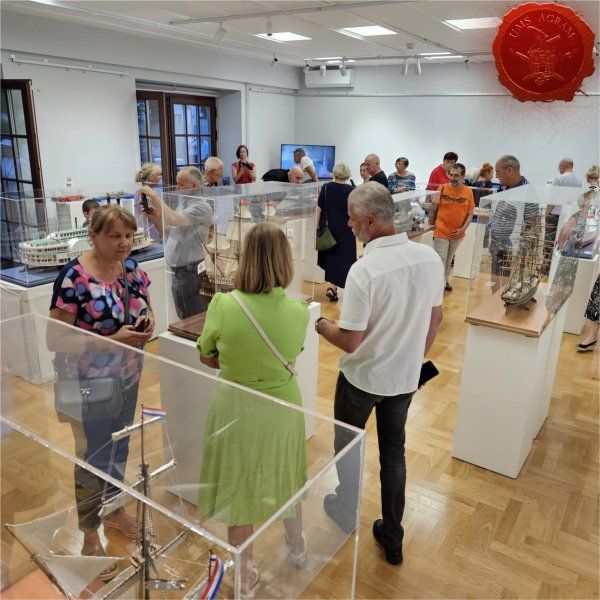
On Tuesday, July 15th, we visited the opening of the exhibition of ships and other models by Marijan Majdak, entitled Mastery in Scale.
CK 2025, Stubičke Toplice

On Saturday, September 27, 2025, our members performed at CK2025 in Stubičke Toplice.

Amulet D20 Grand Tournament, Ljubljana, Slovenia
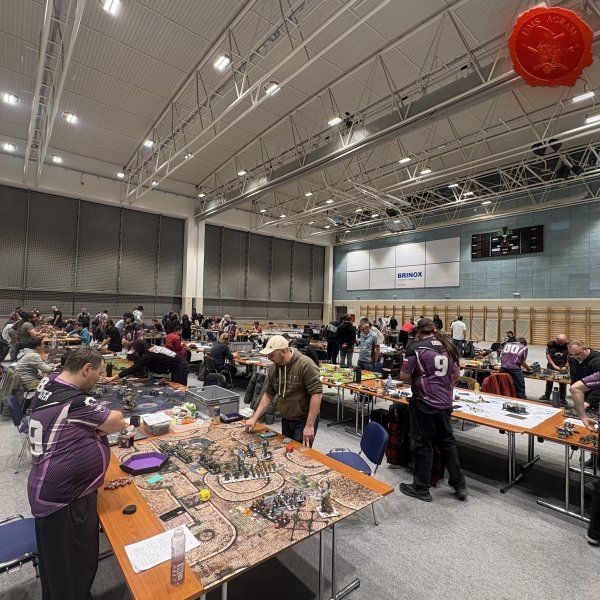
In early October, our Domagoj had the opportunity to visit his neighbors from the Amuletd20 association. This time it wasn't an artsy Turnip28 event, but a huge tournament in AOS and Conquest games.
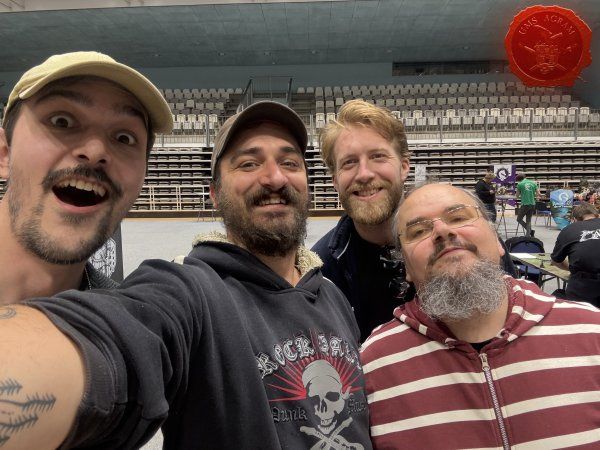
Monte San Savino Show, Monte San Savino, Italija
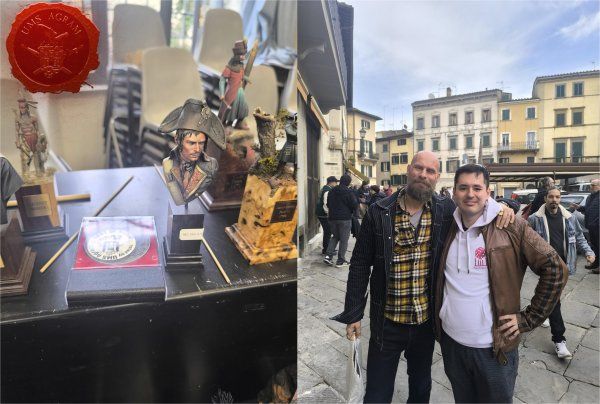
A small town in Italy has hosted one of the largest and most prestigious miniature exhibitions in the world every year since 2006, bringing together miniaturists from all over the world. The Knezović clan decided it was a shame that Croatians didn't come to the Monte San Savino Show, so after having a great time at Kontrast, a miniature exhibition in Warsaw, they decided to visit Italy as well.
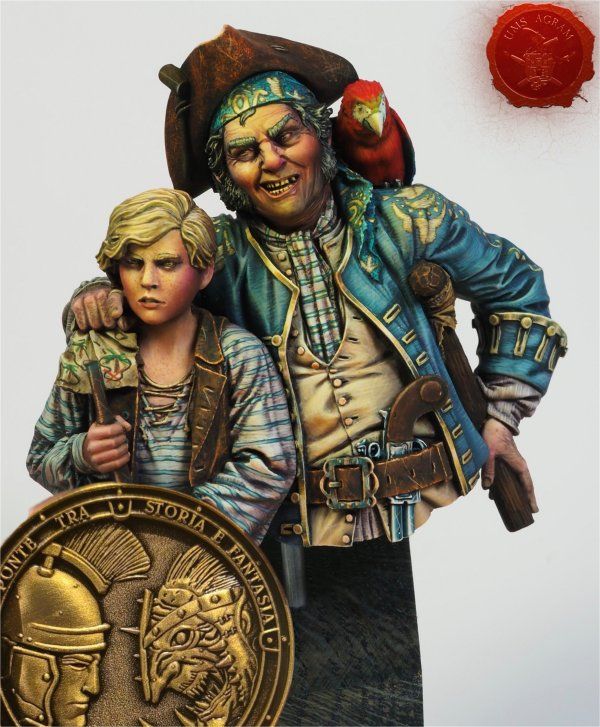
Kup Zagreb, Zagreb
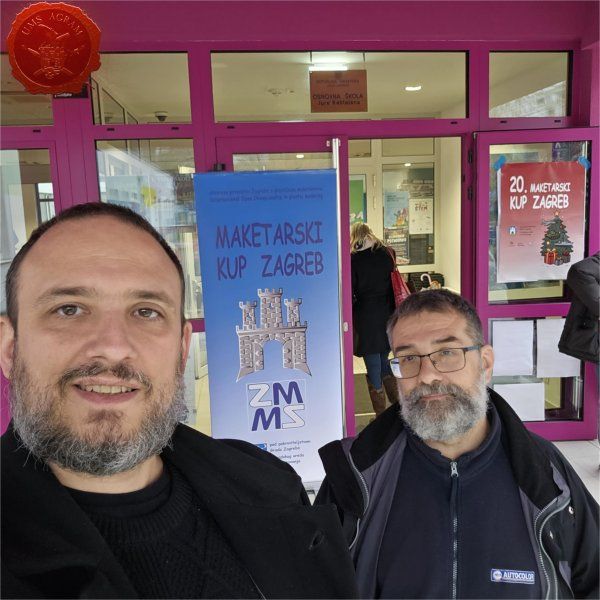
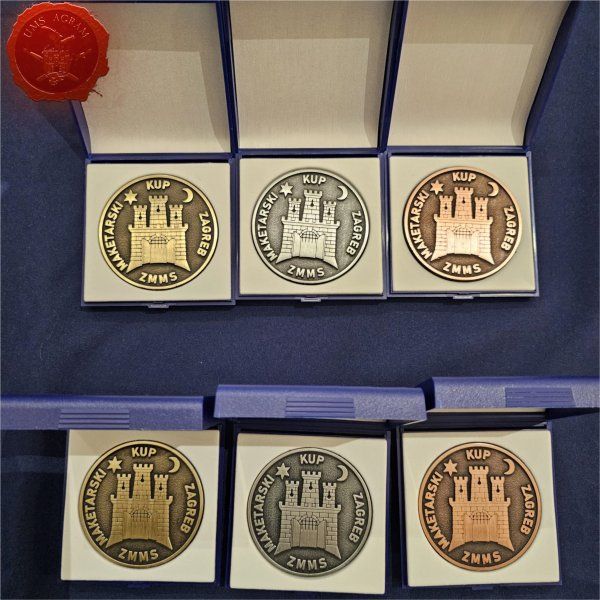
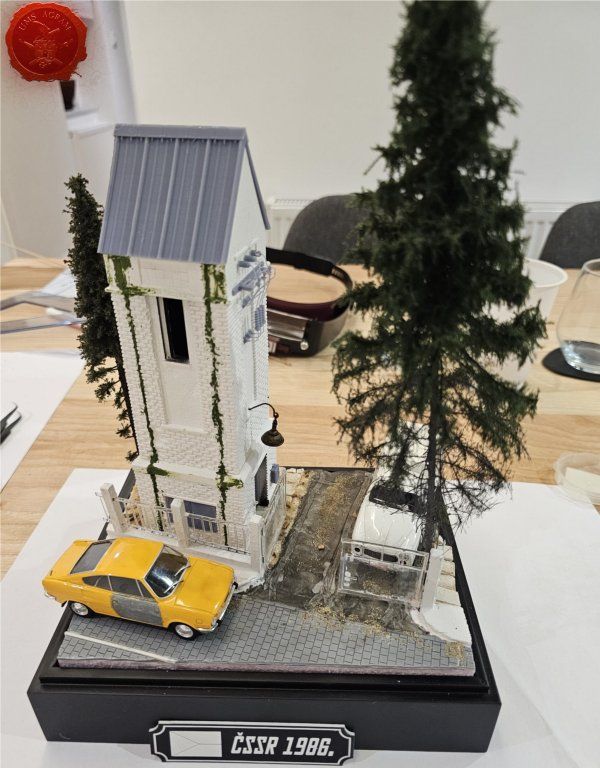
On Saturday, December 6th, our members competed in the 20th Zagreb Cup. The competition was held at the Juraj Kaštelan Elementary School in Zagreb.
Modelling Articles
And finally, our most comprehensive program should be mentioned. The online publication of articles from miniatures and model making that started in 2020 continued in the following years and even in 2025 with over 50 published articles this year. We would like to thank all members for their hard work and dedication in making miniatures and models, but especially for taking time to photograph work in progress and writing articles for our site.
A B O O K P U B L I S H E D B Y U M S „A G R A M“

In 2025, we published the first publication in English: Tabletop Scenery for Beginners by Marko Paunović.
UMS "Agram" wishes you all the best in the new year 2026! See you next year!
Latest articles
- Agram Group Build #7 – Amon Hen, pt.5 Krunoslav Belinić, 15th October 2026
- Agram Group Build #7 – Amon Hen, pt.4 Marko Paunović, 8th October 2026
- Agram Group Build #7 – Amon Hen, pt.3 Krunoslav Belinić, 1nd October 2026
- Agram Group Build #7 – Amon Hen, pt.2 Marko Paunović, 24th September 2026
- Signs for your plinths Marko Paunović, 24th September 2026




Latest battle-reports
- Kill Team - Blooded vs. Vespid Stingwings 28th February 2025, GW - Warhammer 40.000, and Antoni Pastuović (Imperial Guard)
- 22nd April 2022, GW - Warhammer 40.000, Borna Pleše (Space Marines) and Kristijan Kliska (Tau Empire)
- 17th November 2021, GW - Warhammer 40.000, and Nino Marasović (Space Marines)