Exhibition of Miniatures and Tabletop Scenery Agram 2021
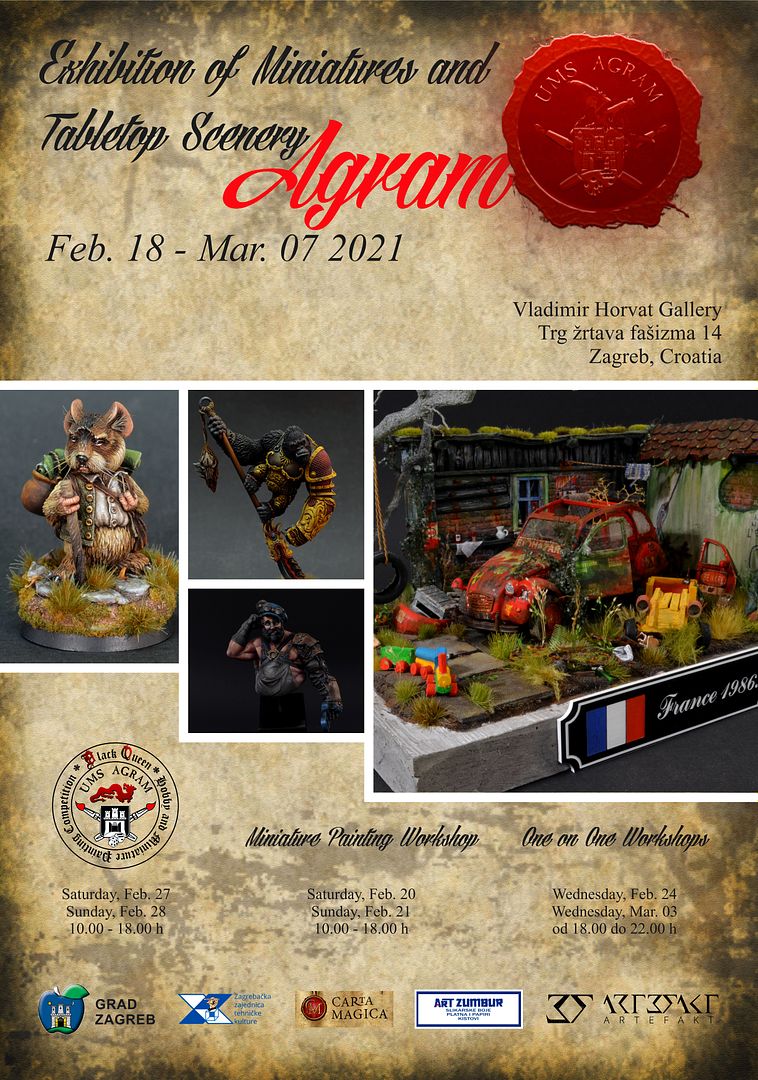
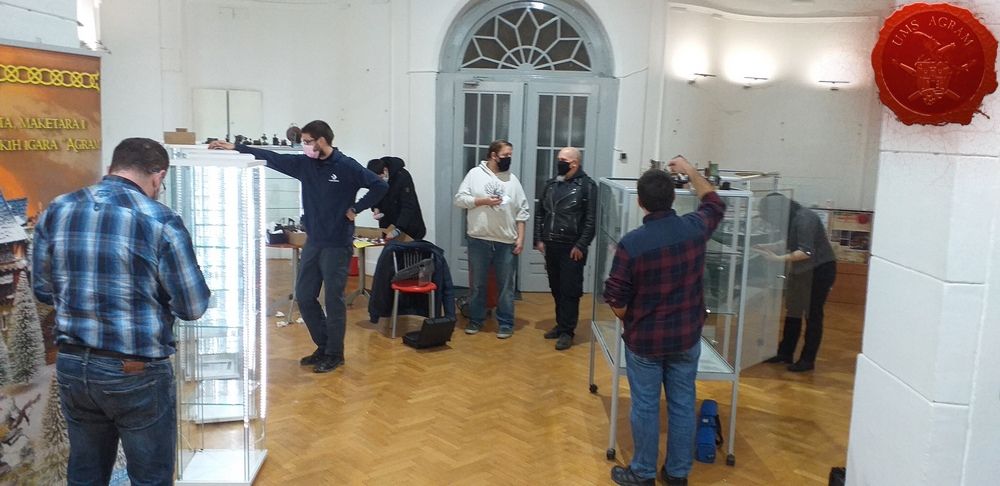
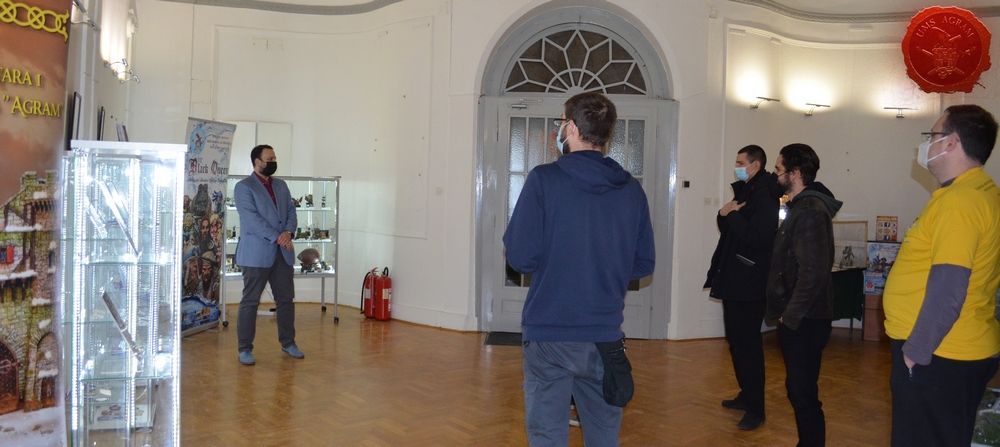
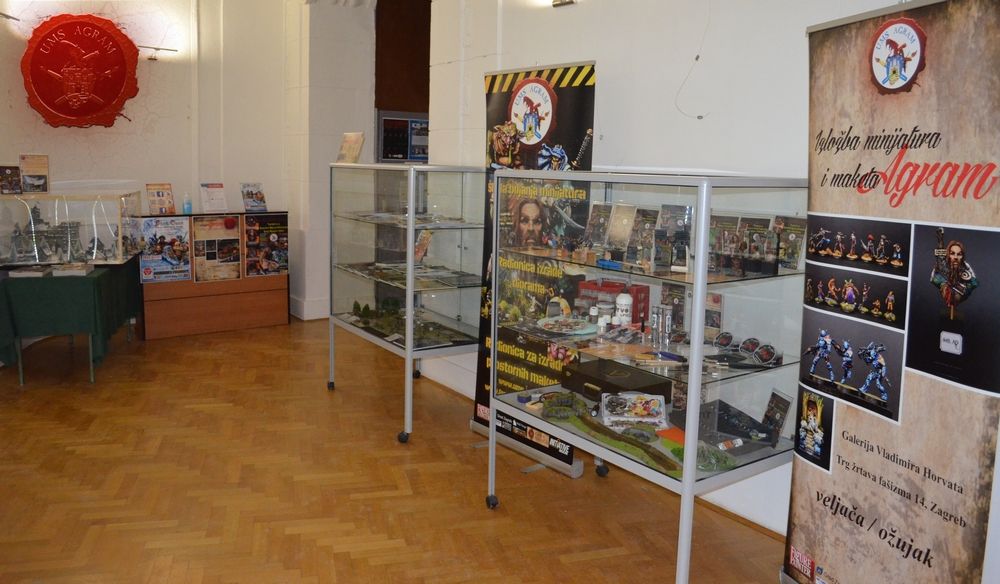
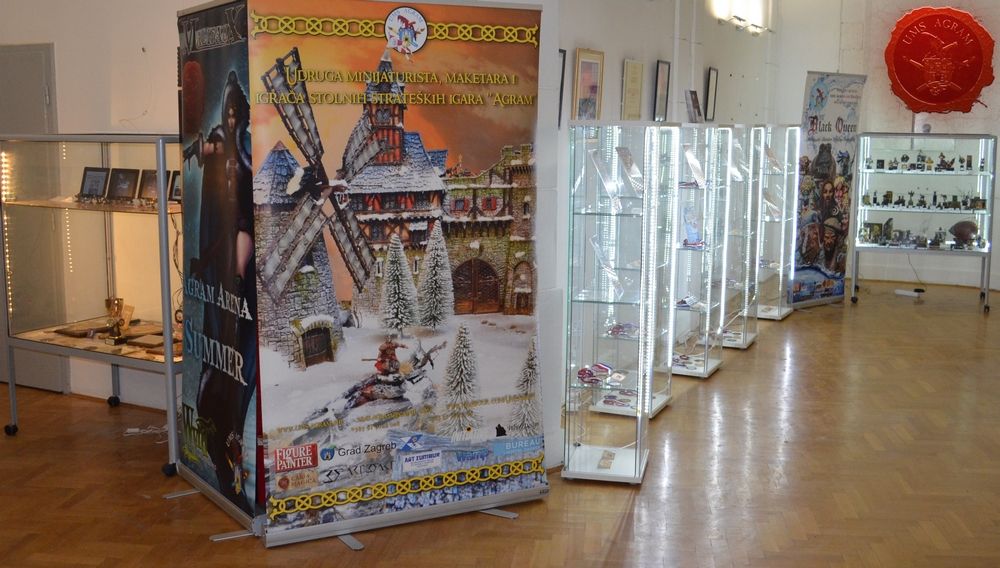
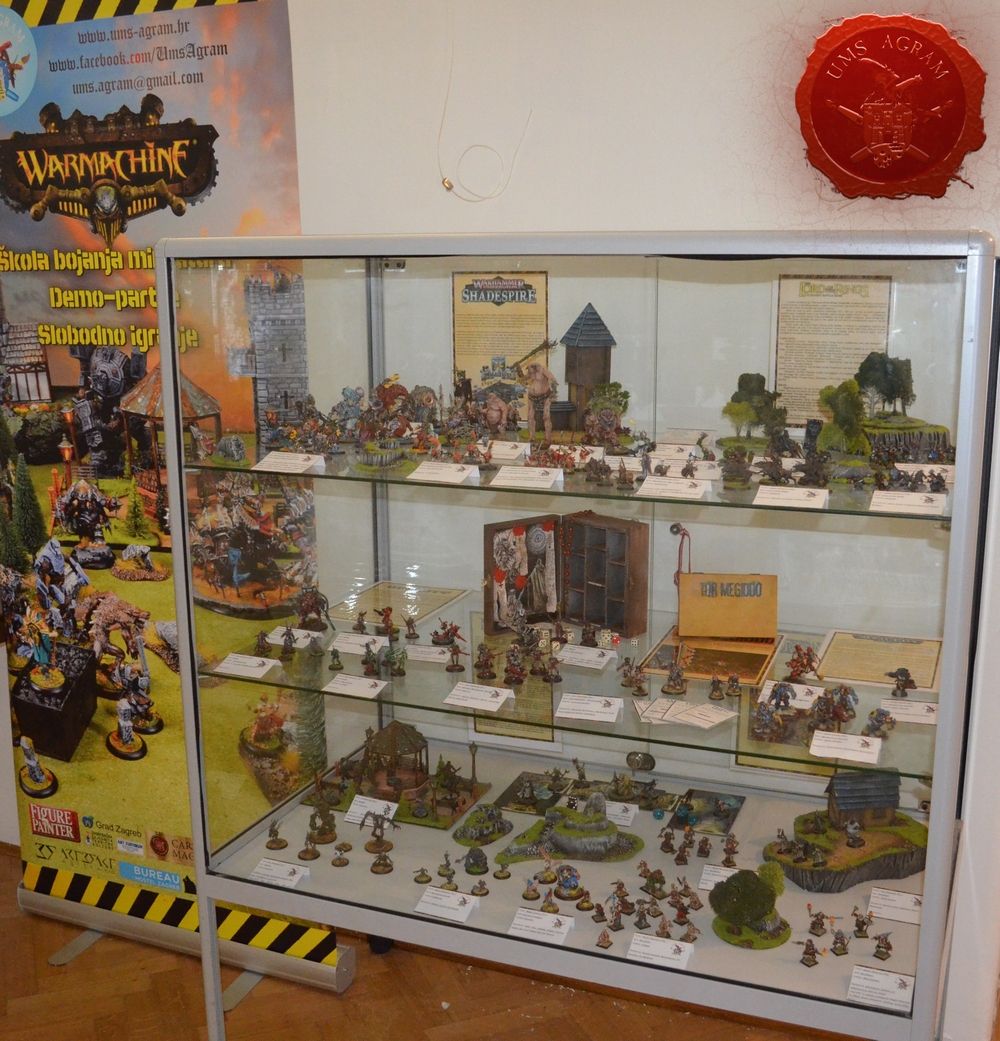
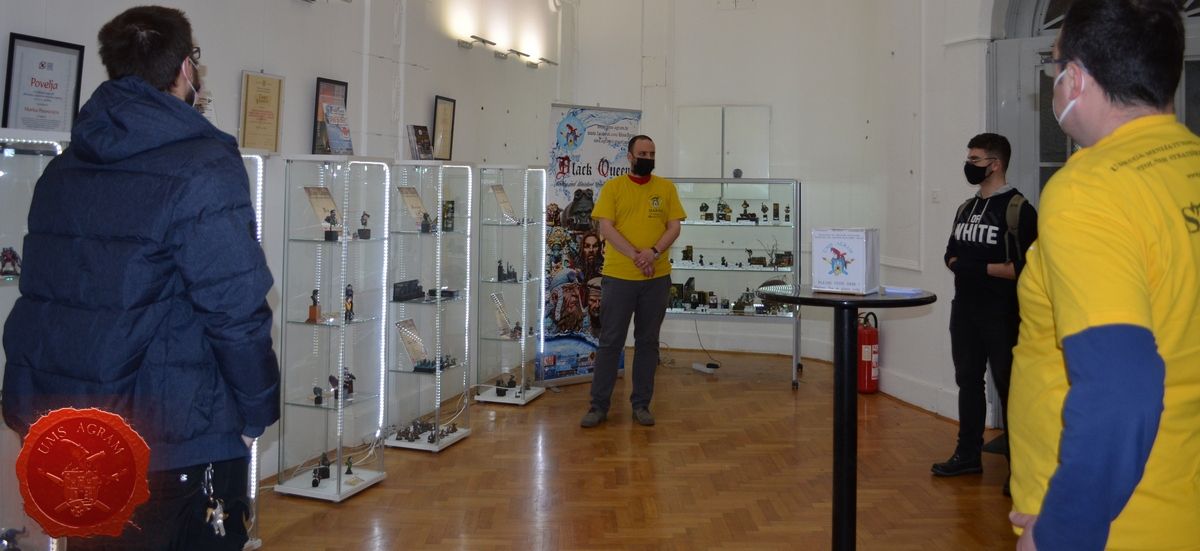
Our annual Exhibition of Miniatures and Tabletop Scenery Agram 2021 took place this year from 18.02.-07.03.2021. The setup was done on Wednesday 17.02.2021. in the afternoon. Many club members as well as some friends of the club and members of the local FB group Miniature Painters Croatia came by to help, provided their miniatures and helped with the setting up of the whole event.
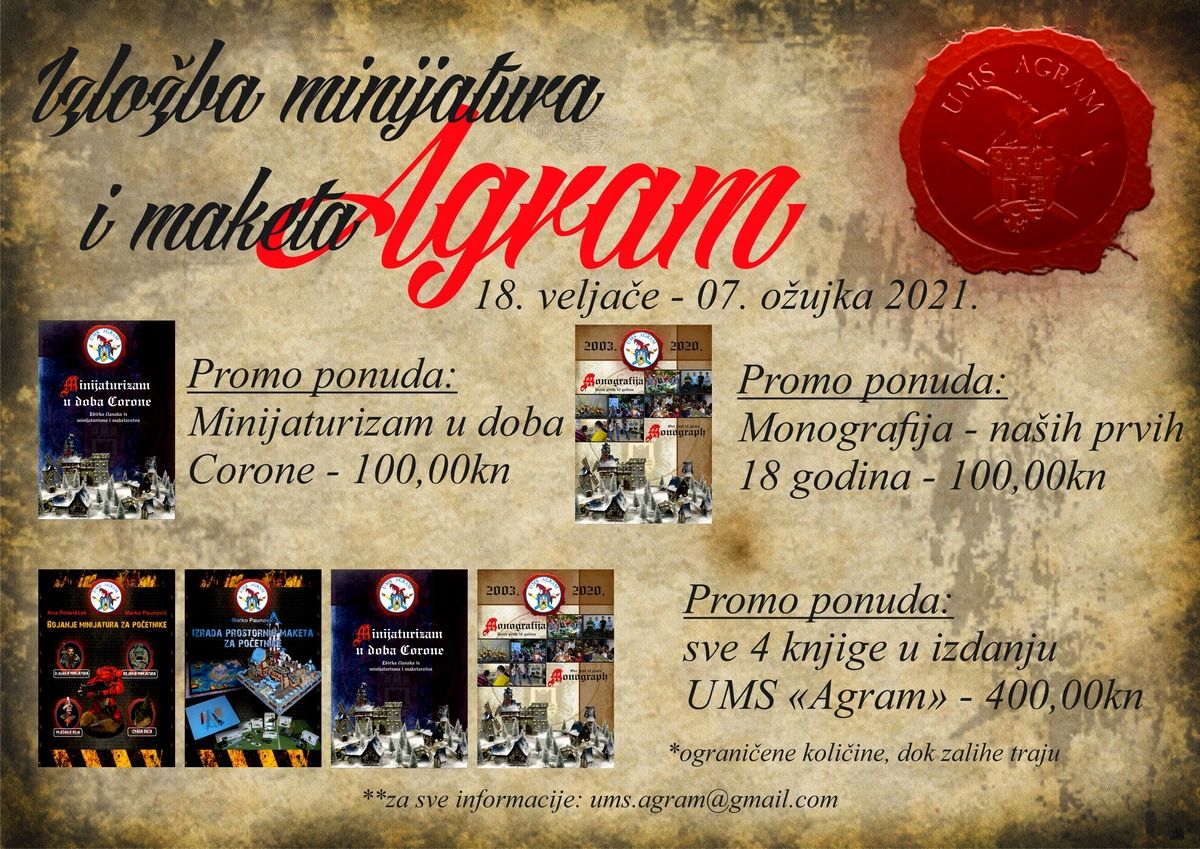
We held the grand opening on Thursday, 18.2.2021 starting at 18:00. The Exhibition was organised for our 18th birthday, and during the opening we also held the unveiling of our newest books:
- Miniaturism in the Age of Corona (Collection of Articles about Miniaturism and Modelling), Authors: Marko Paunović, Ana Polanšćak, Goran Krunić, Jure Cukar, Matija Koružnjak, Dalibor Čavić i Krunoslav Belinić
- MONOGRAPH: Our First 18 Years, Authors: Marko Paunović, Ana Polanšćak i Goran Krunić
During the entire Exhibition (up to Mar 7) people were able to get the books at a promotional price and financially help the club.
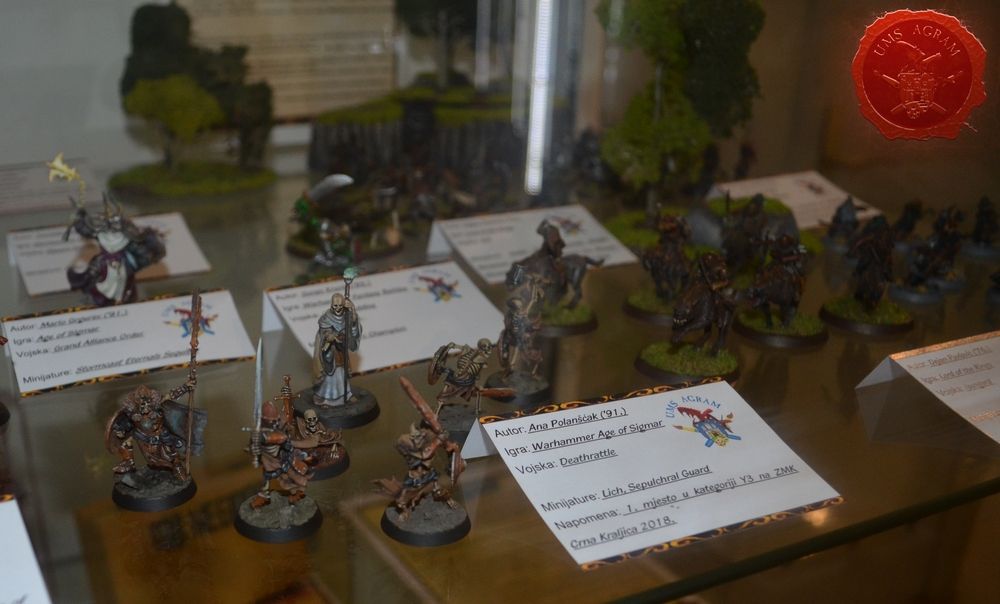
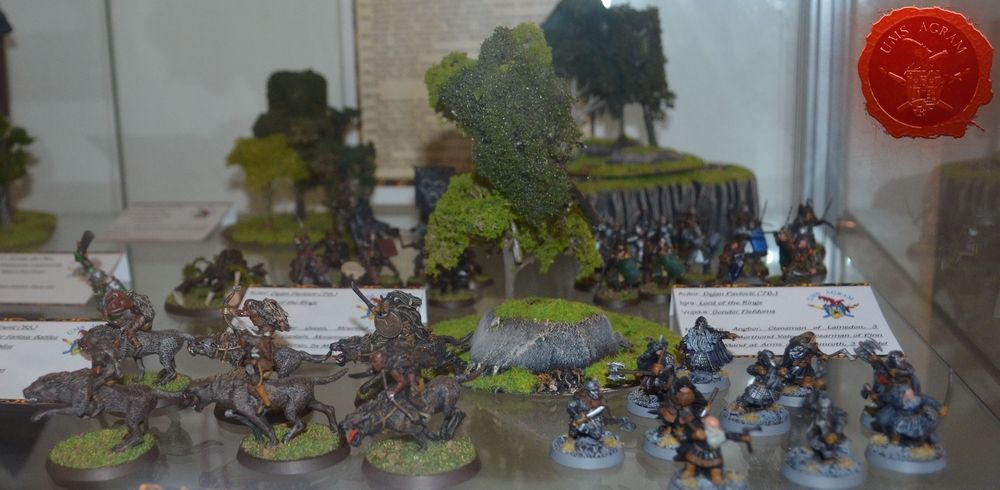
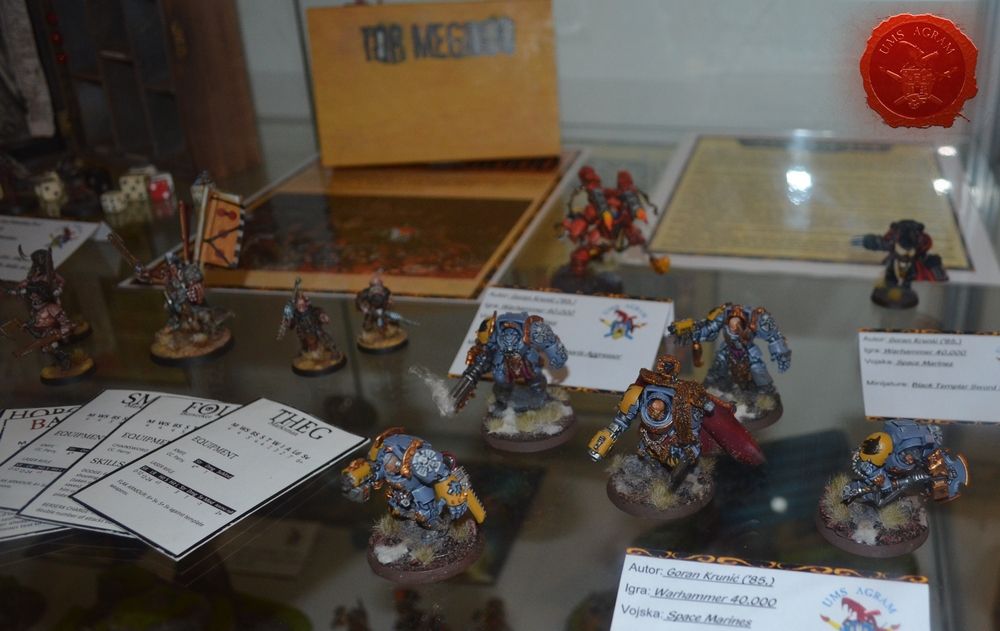
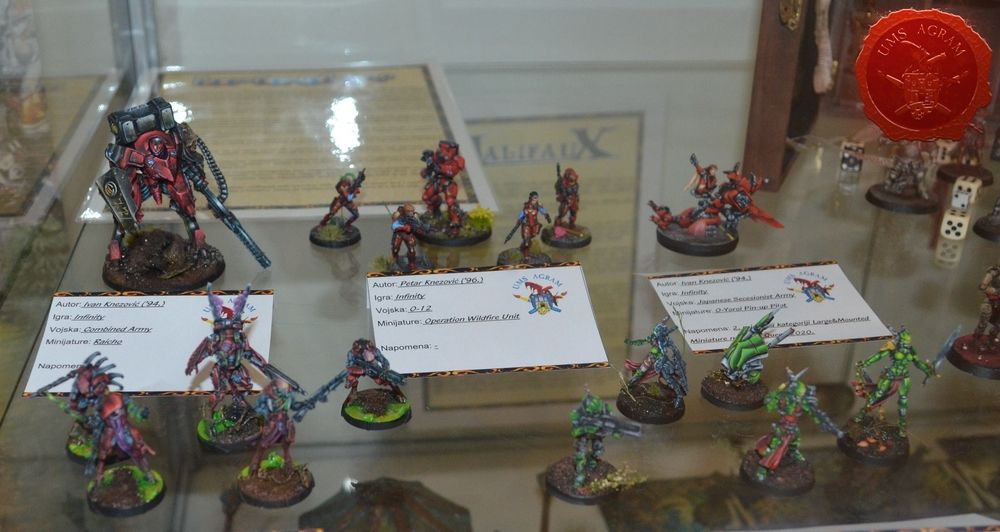
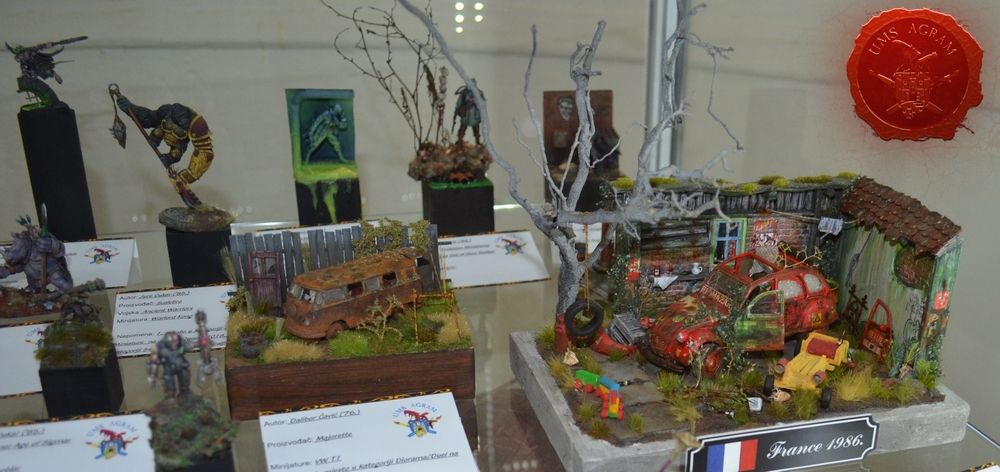
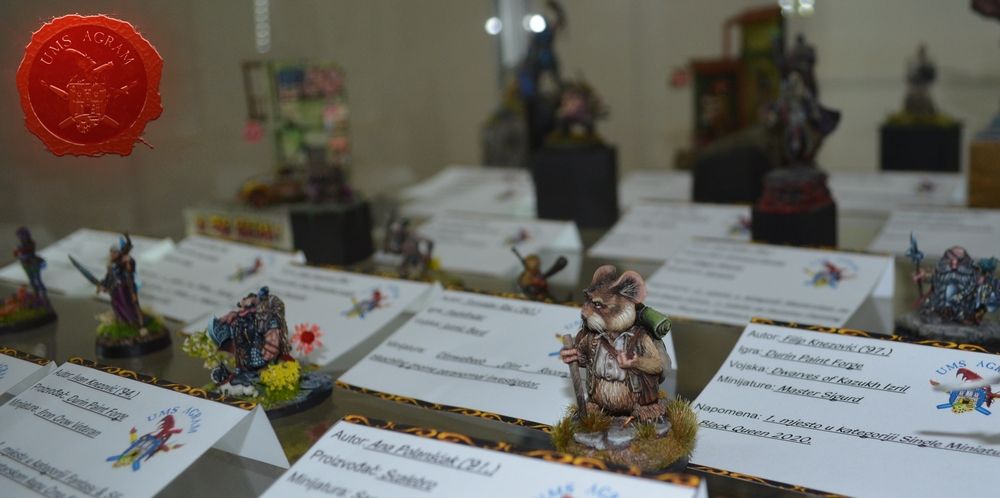
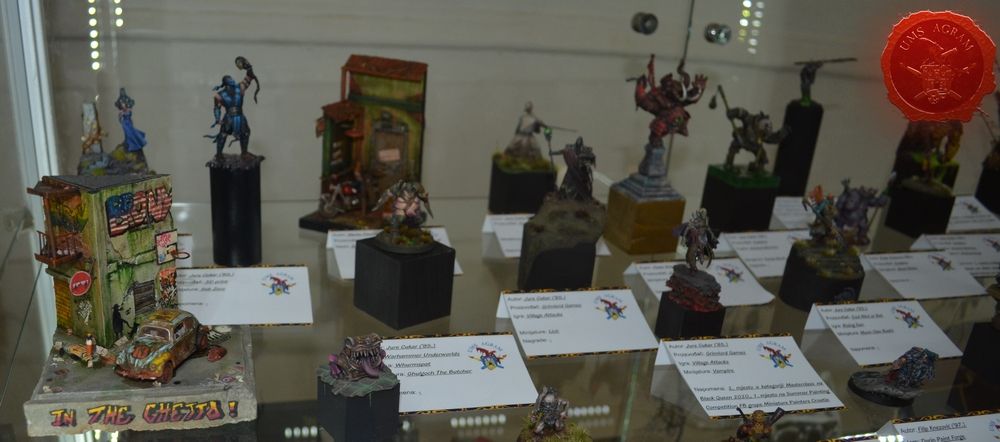
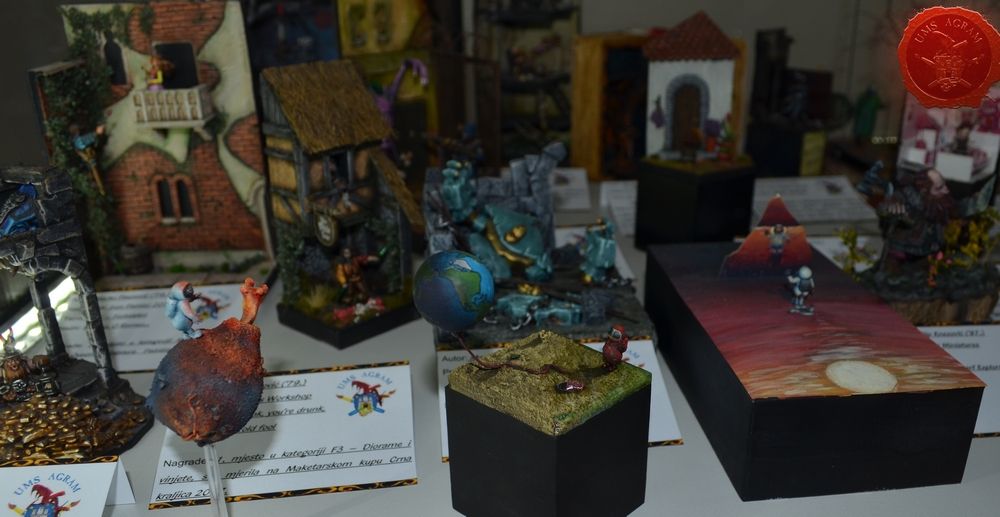
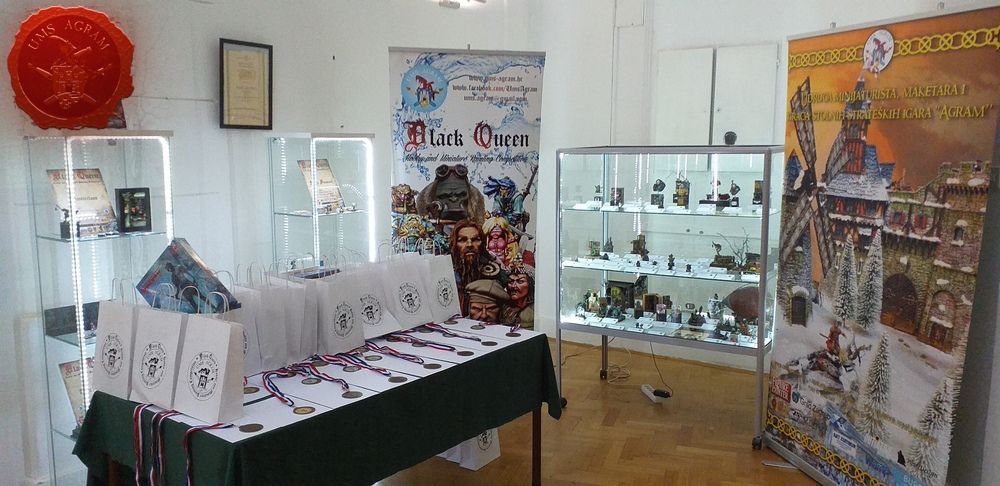
As always, the exhibition showed a cross-section of the work of the Association, its members, participants in its courses and workshops and members of the FB group Miniature Painters Croatia. In a large number of showcases, there were numerous miniatures for tabletop wargames, board games, and an entire showcase was dedicated to award-winning exhibits from previous miniaturist competitions. Several showcases were dedicated to the projects that the Association has been implementing for 18 years, such as the Library of UMS "Agram", the Terrain Workshop and the Miniature Painting Workshop.



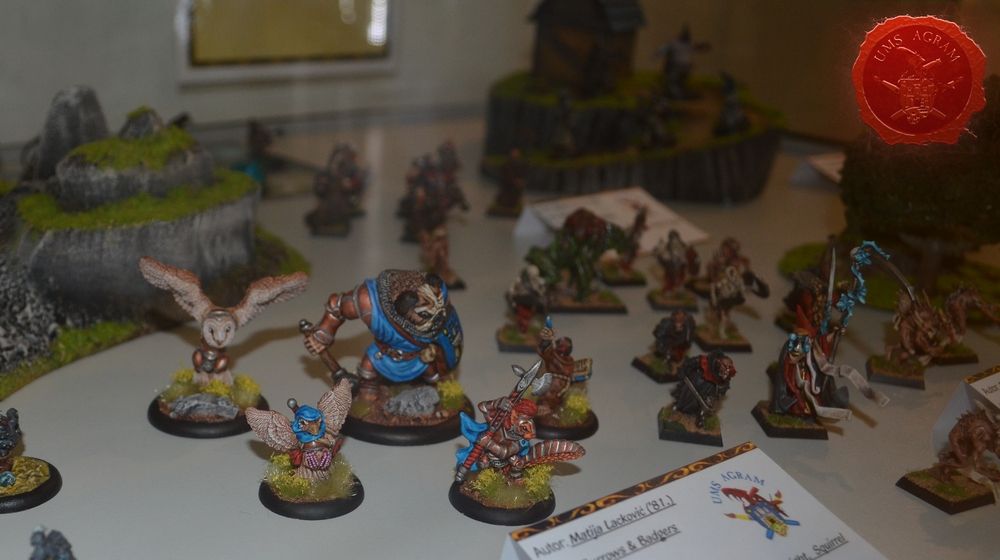
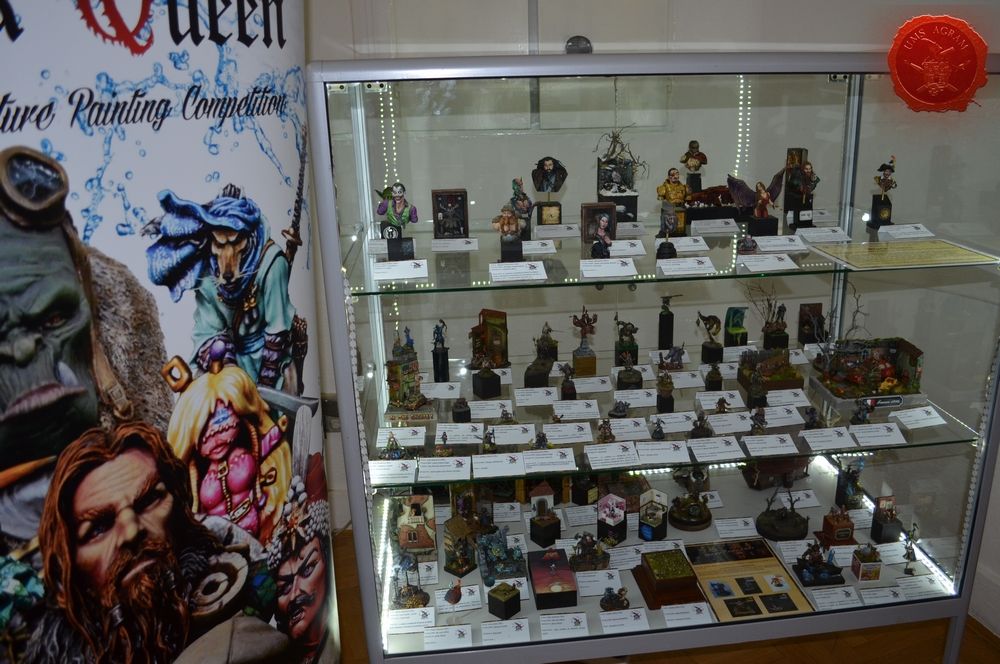
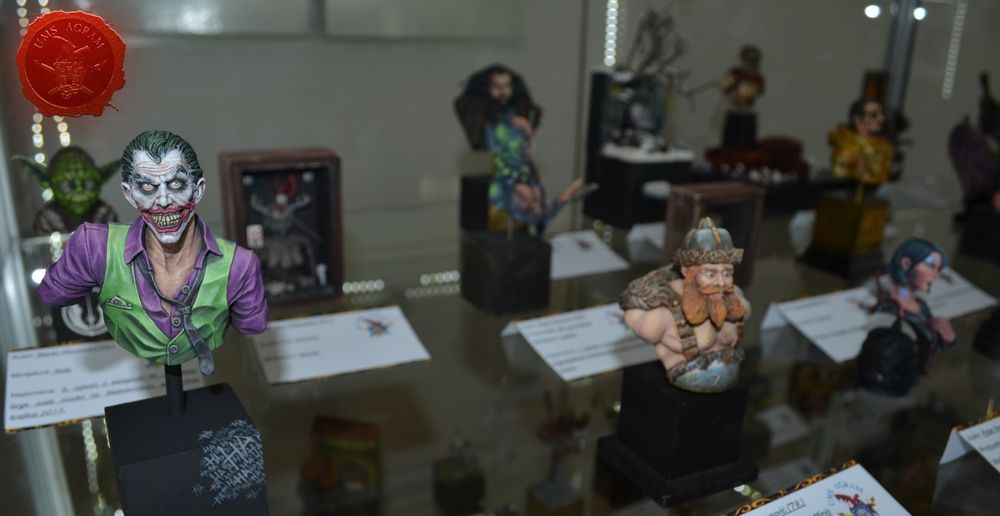
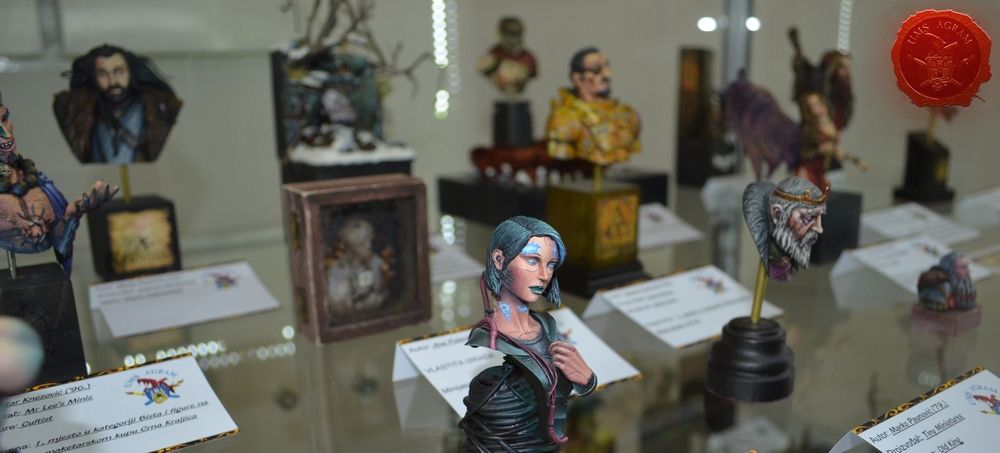

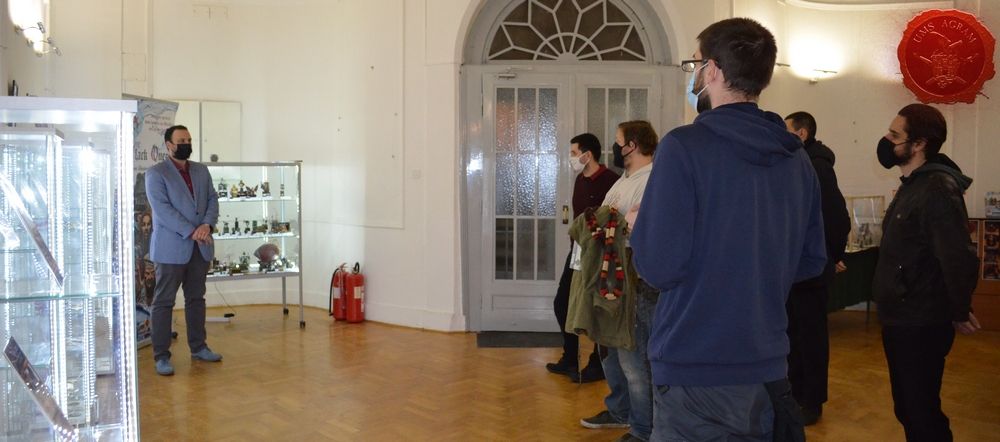
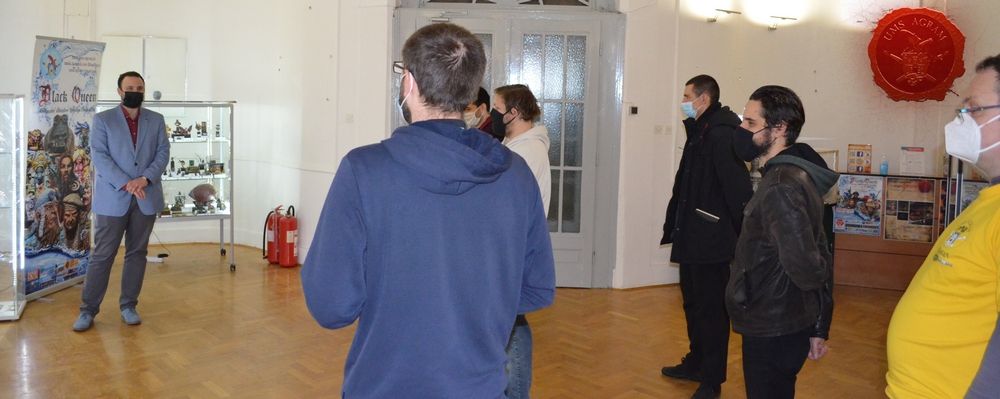

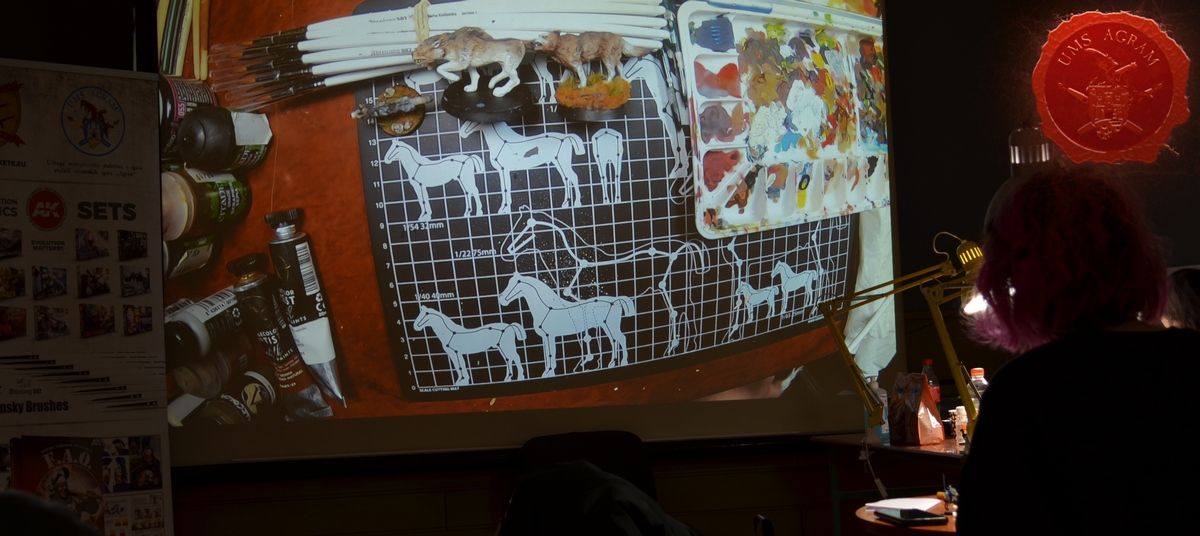
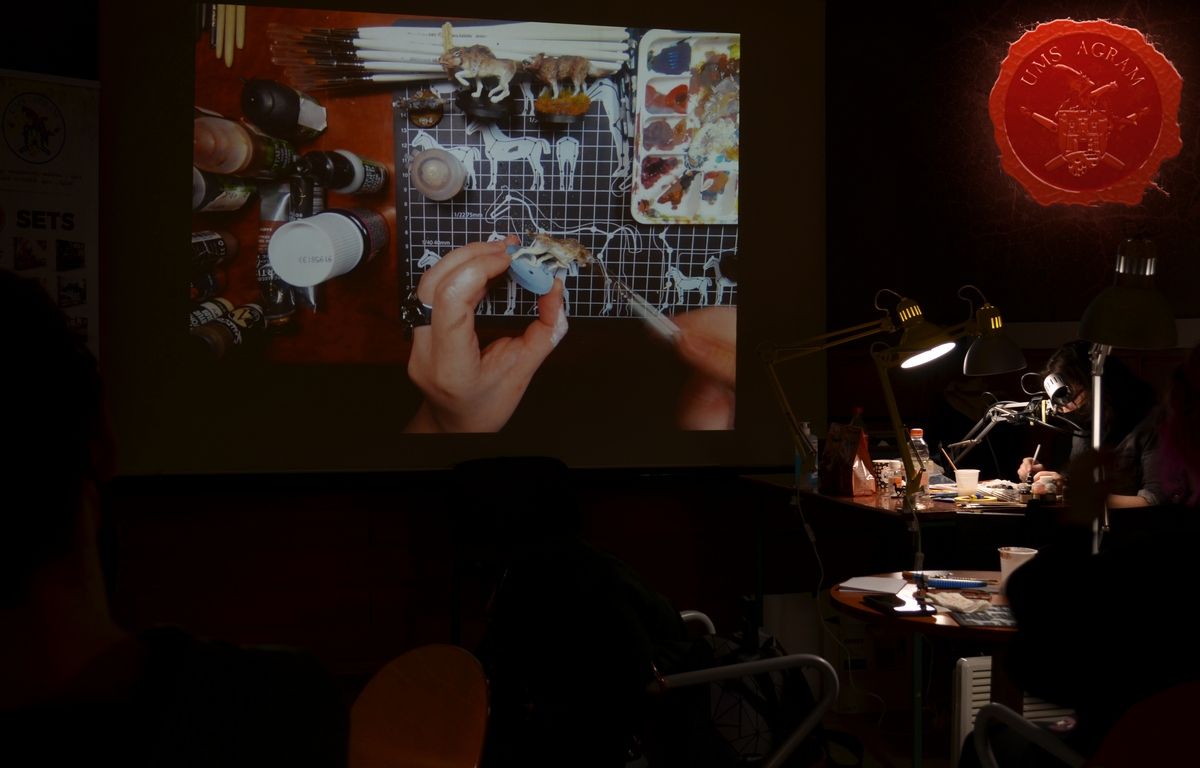
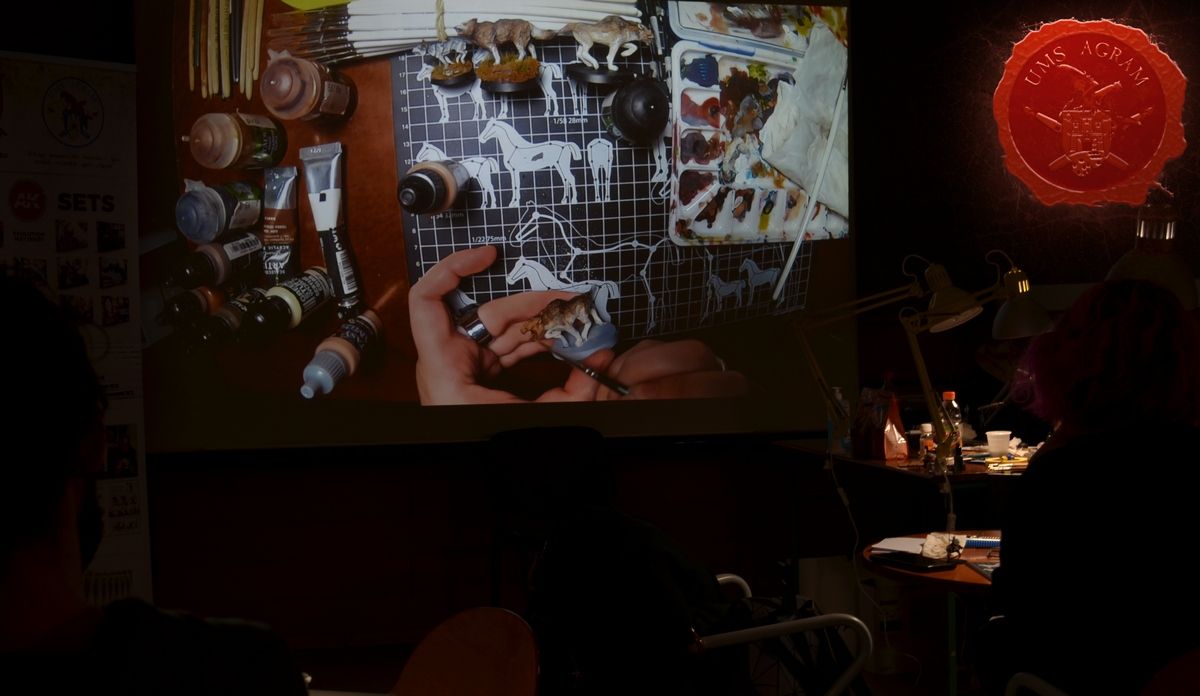
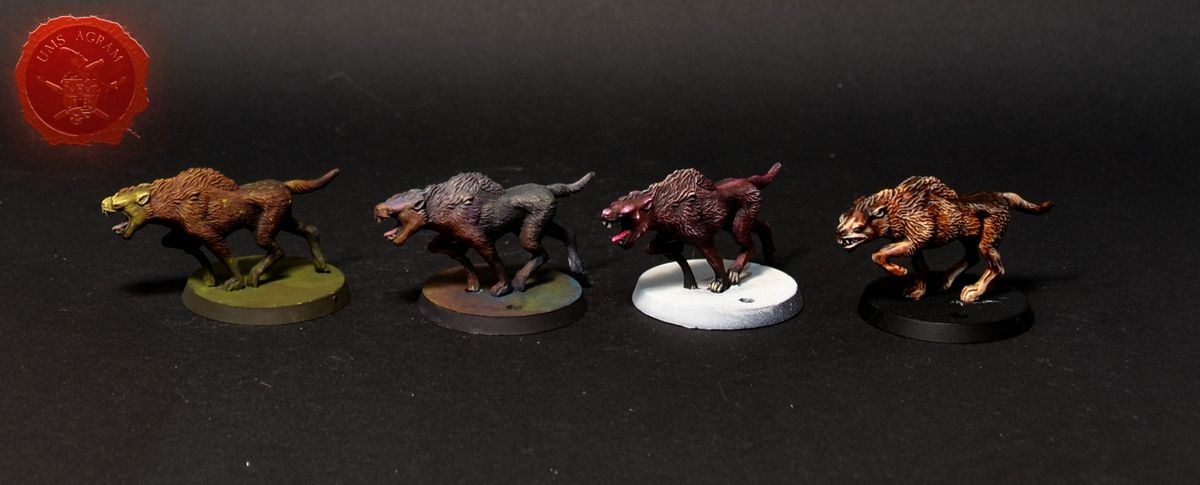
During the first weekend of the Exhibition, on 20.-21.2., we organised a MINIATURE PAINTING WORKSHOP – Horses, Wargs and Birds.
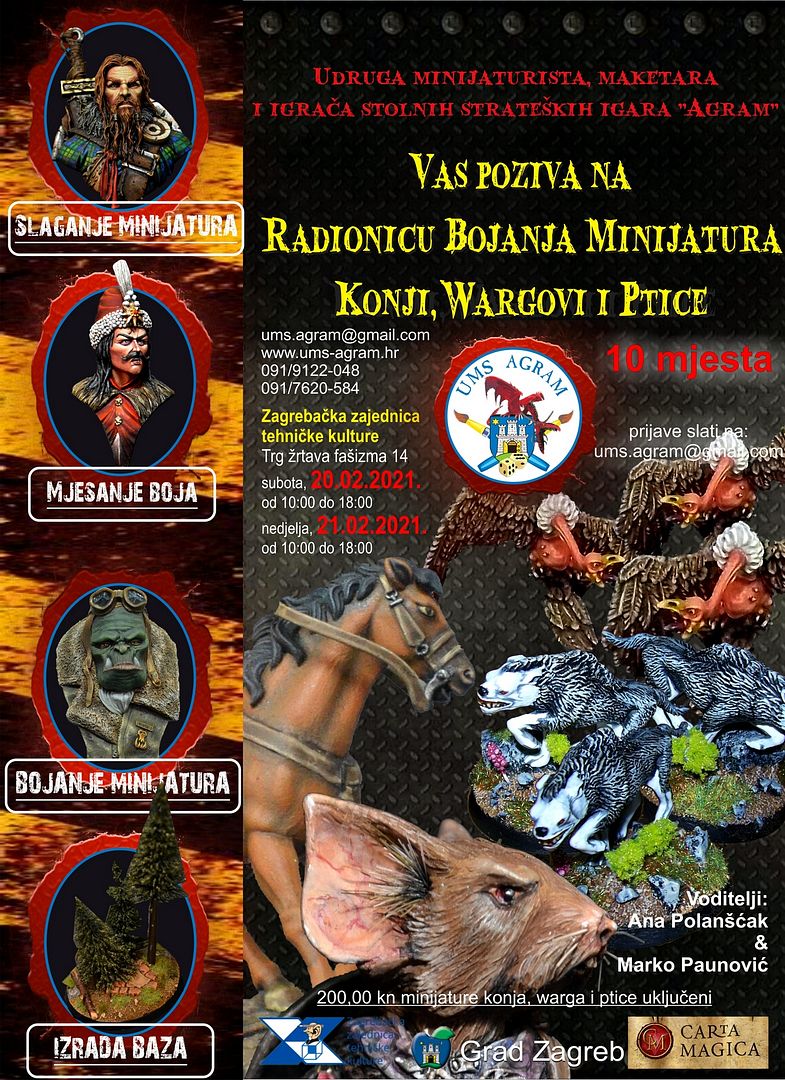
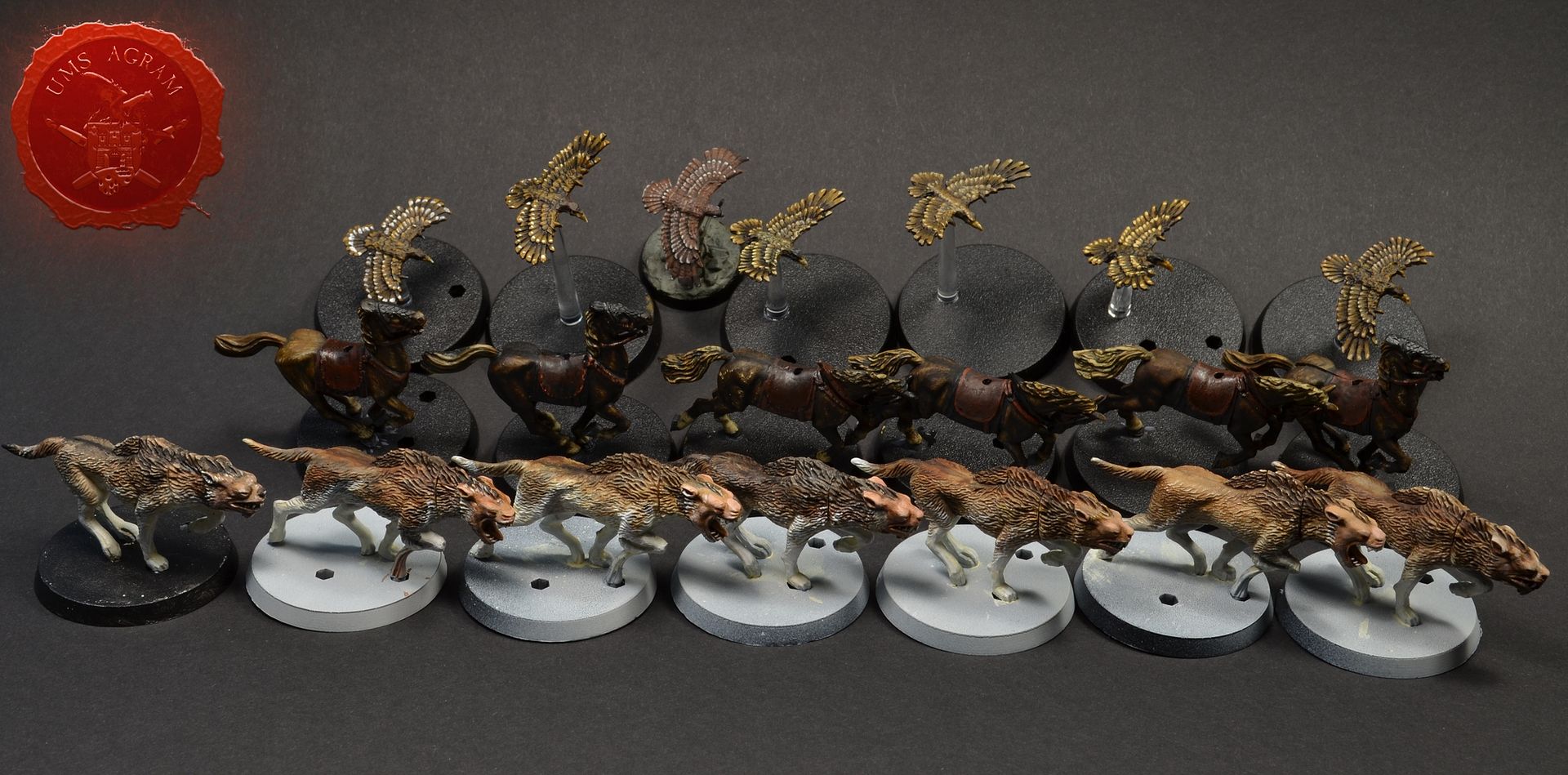
The weekend workshop covered the basics of painting three kinds of animals. The main focus of the workshop was painting of the fur textrue, long and short animal hair as well as feathers. For this, the tutors chose some appropriate miniatures of horses, wargs and birds for the attendees to paint with acrylic paints. The lectures were addapted so the tutors could spend equal ammount of time on each participant and therefore could addapt to all categories of miniature painters (beginer or advanced).


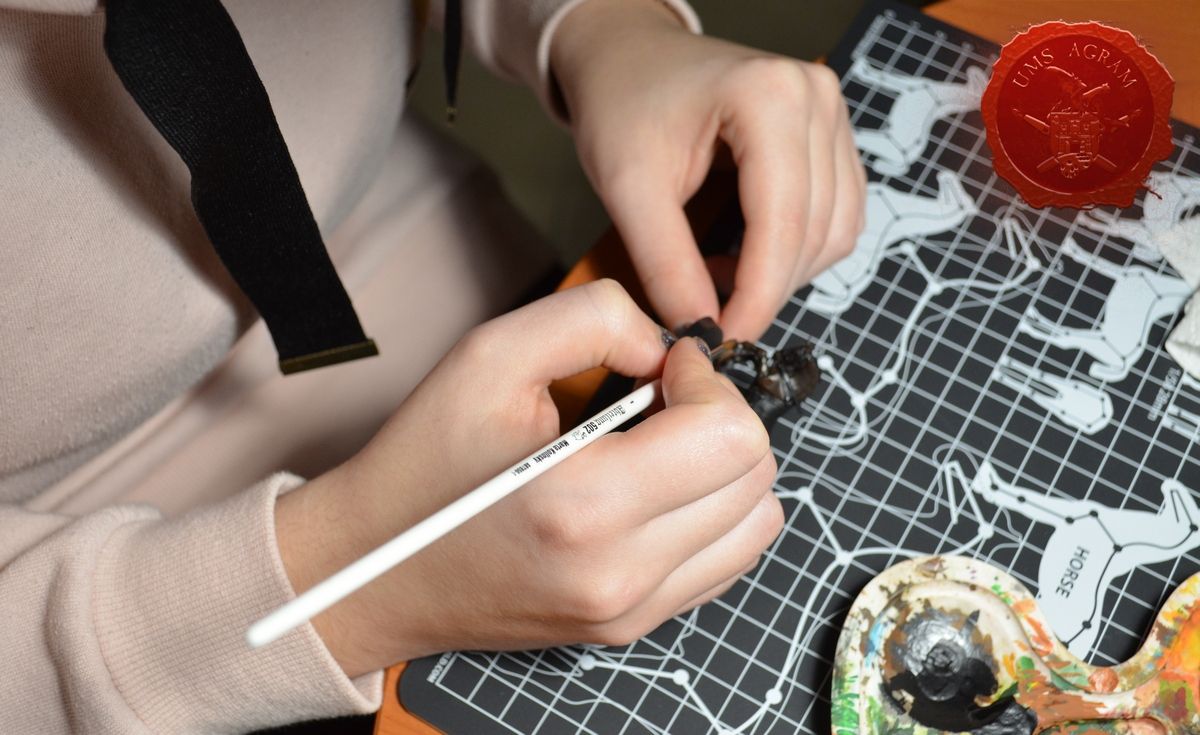
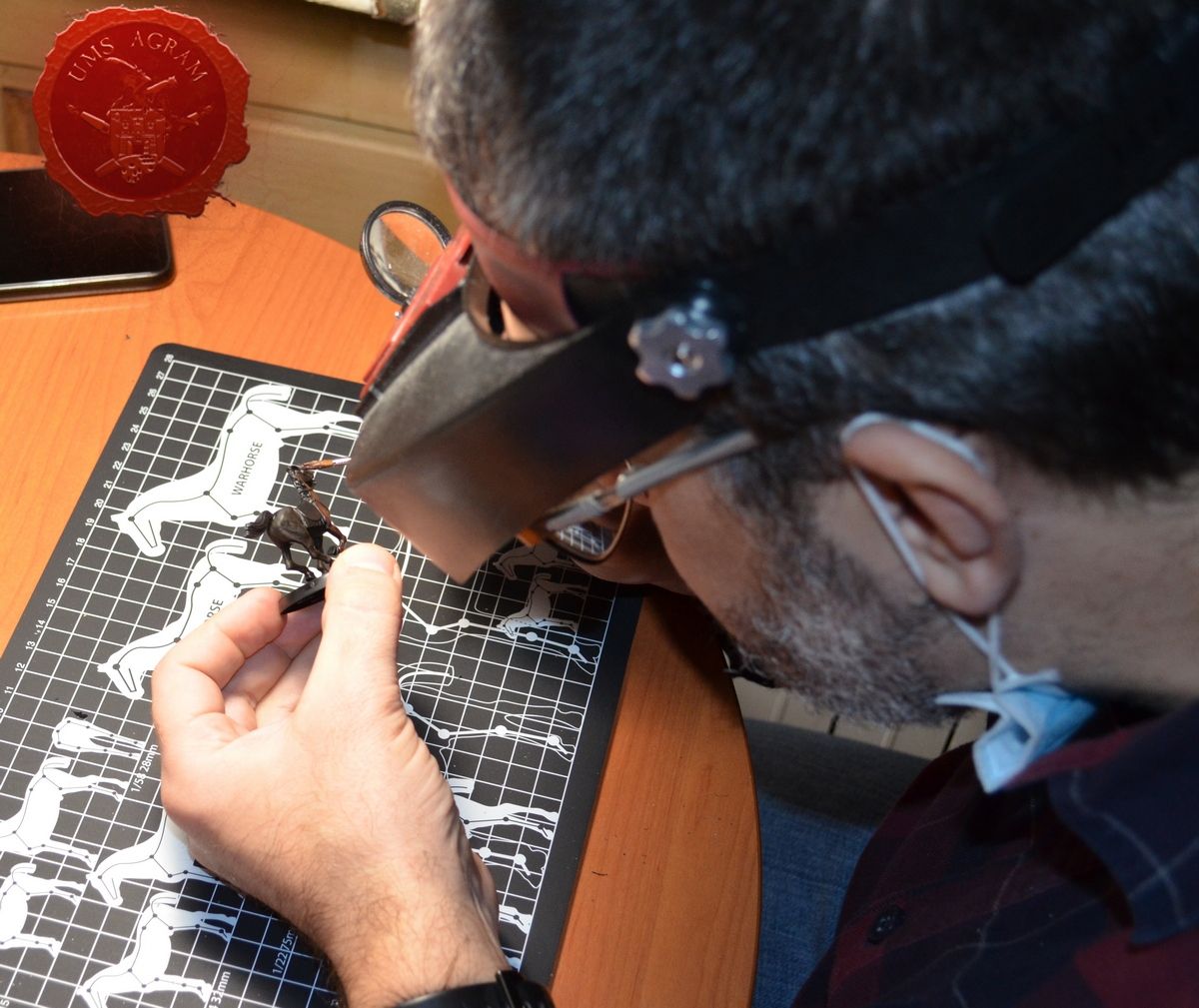

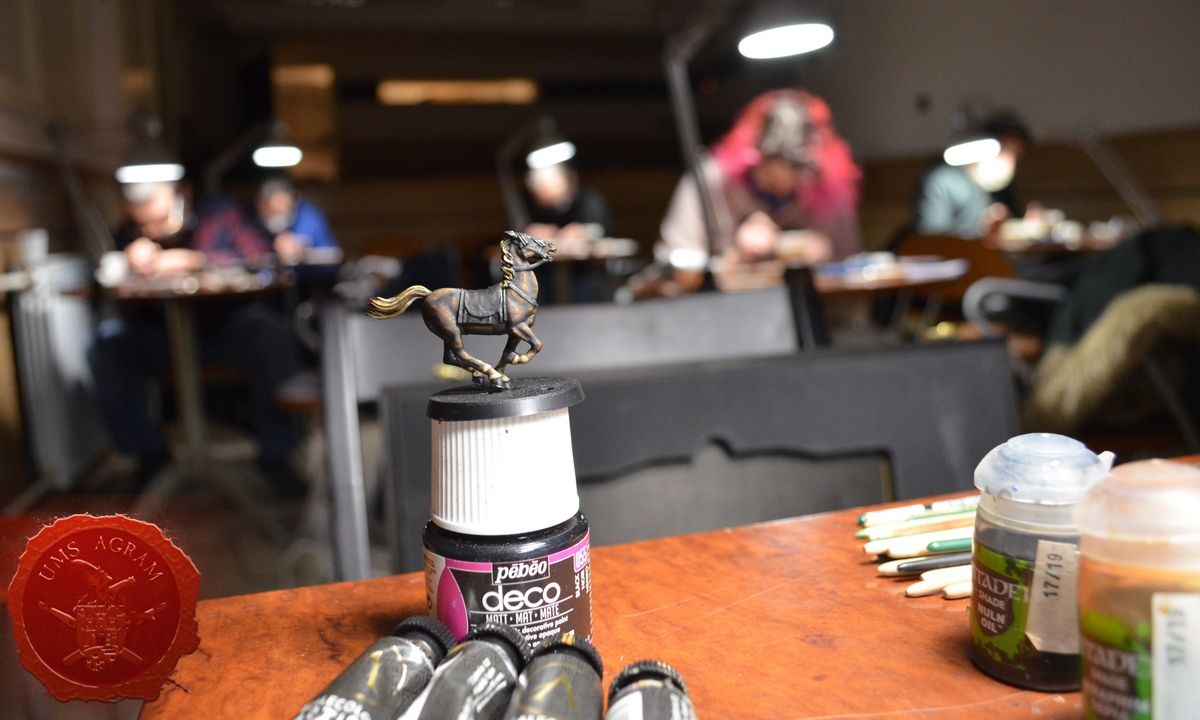
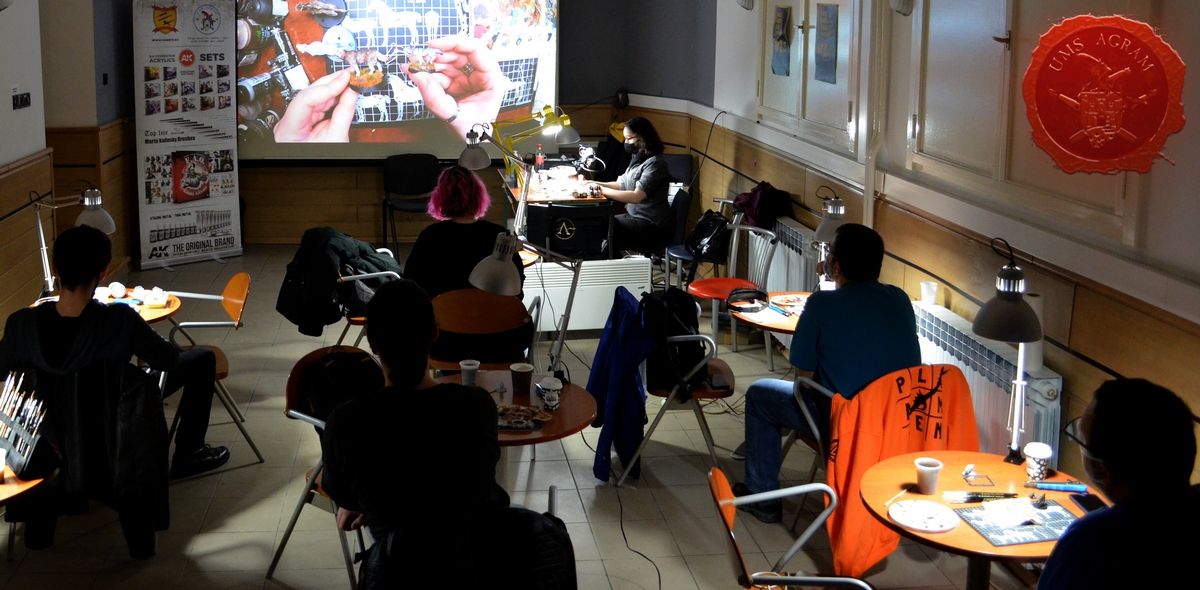
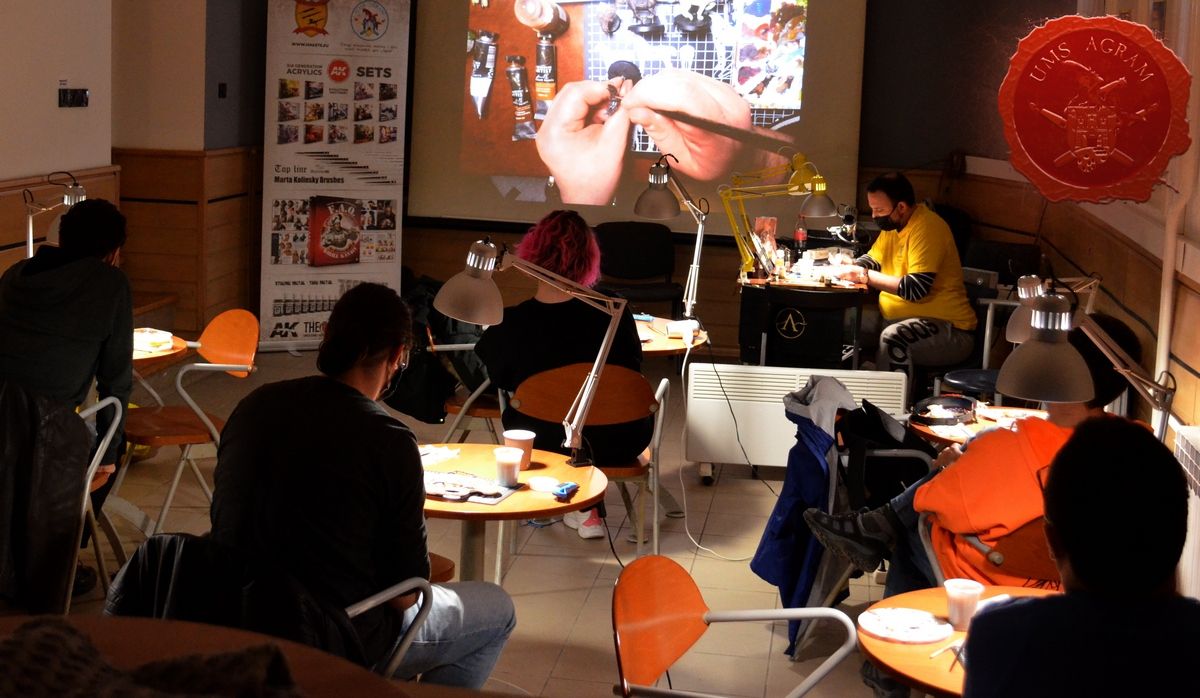
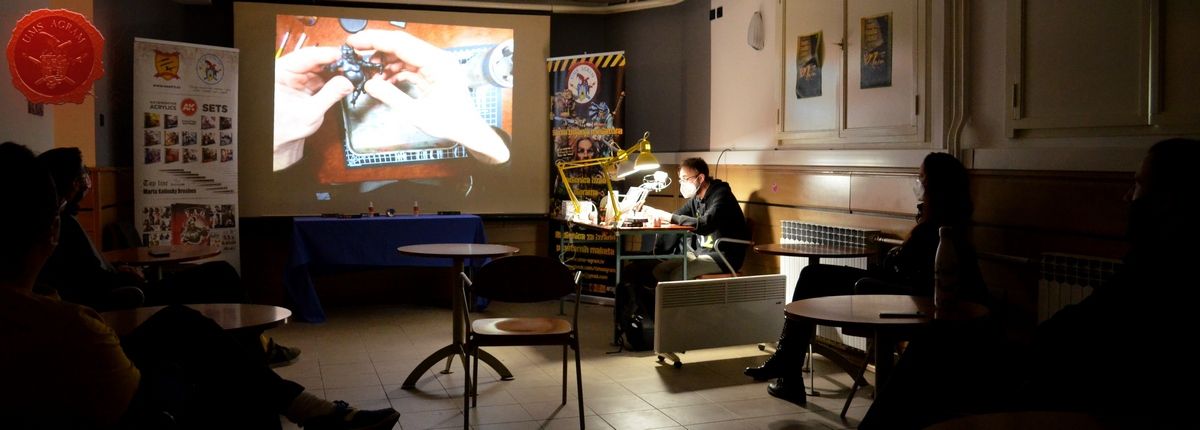
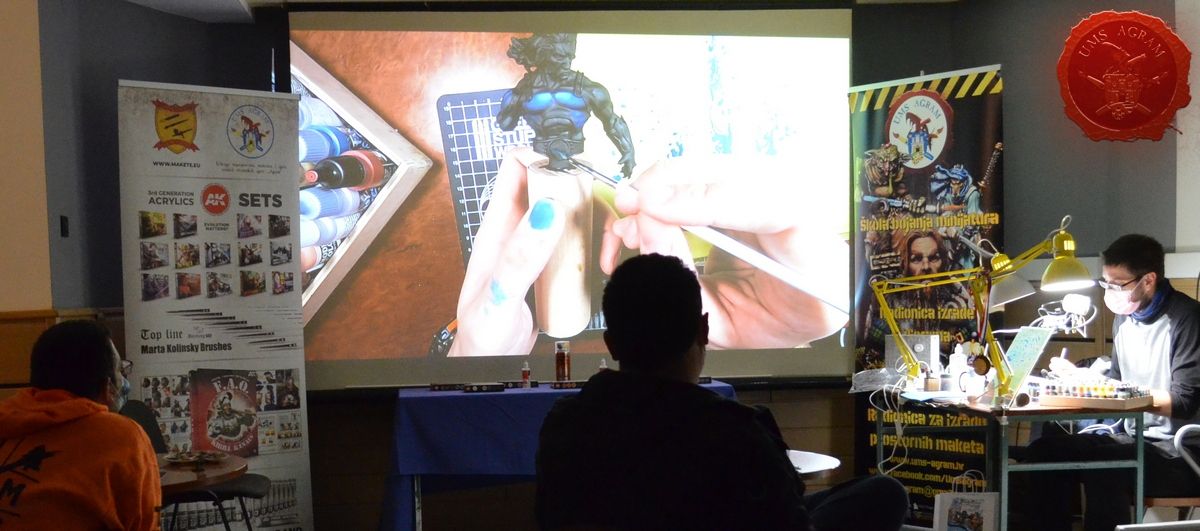
First the tutor sitting behind his desk explained and demonstrated each step of the painting on his example. His work was transmitted over a camera and a digital projector onto a screen in the cinema hall. The pupils watched and listened to the tutor but could also stop him/her and ask questions. Then, the pupils paint their own miniatures copying what they have learned while the tutors walk among them and check their progress. The following themes were covered:
1. Horses – short hair and long hair
2. Wargovi – fur and snout
3. Birds – feathers, beak and claws
The club provided all with the necessary equipment, paints, tools, brushes, lighting, glue as well as a set of paints.
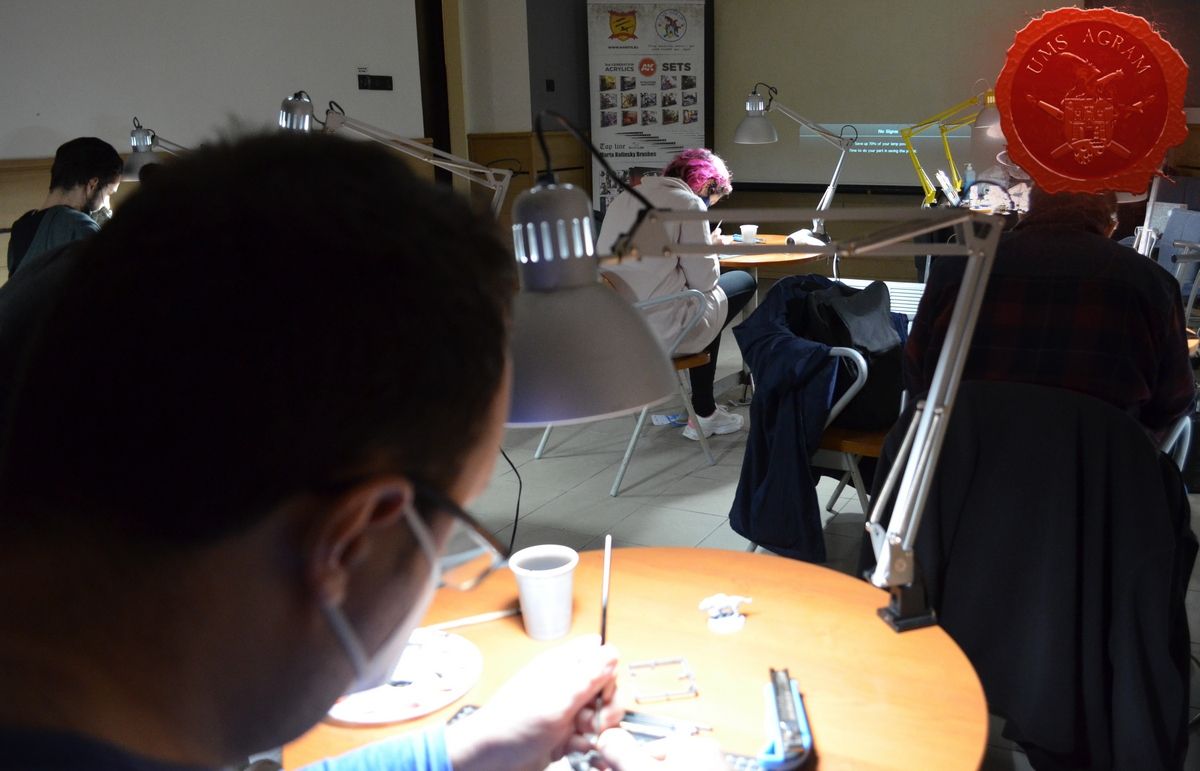
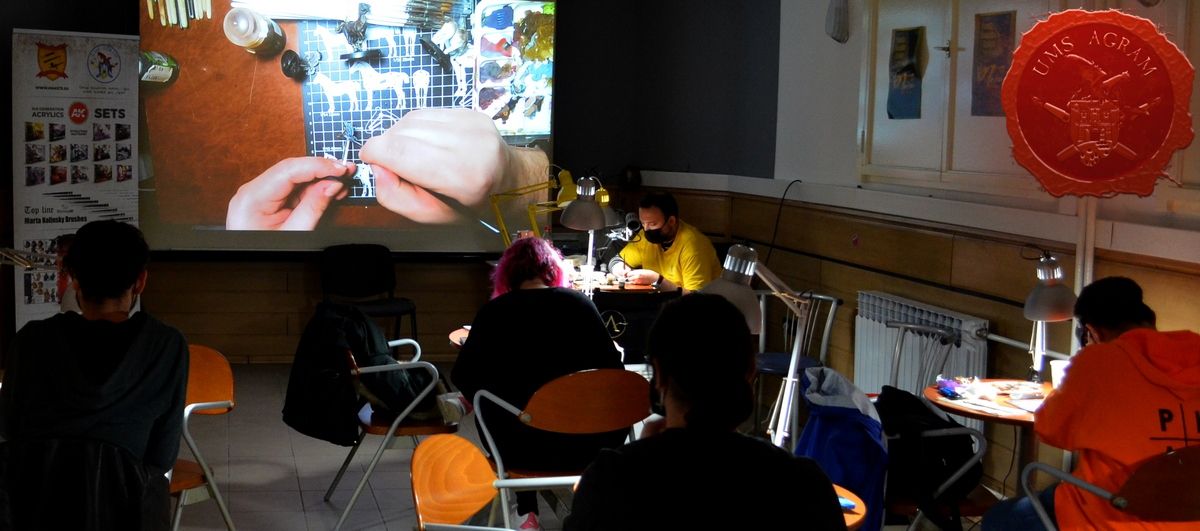
Due to the pandemic, the following epidemiologic measures were enforced:
Correct wearing of masks was obligatory. The Disinfectant was at hand for all to use freely. Camera nad projection screen was used to ensure the social distancing while lecturing and separate tables for all the participants moved 2m apart to ensure the social distancing while the pupils paint.
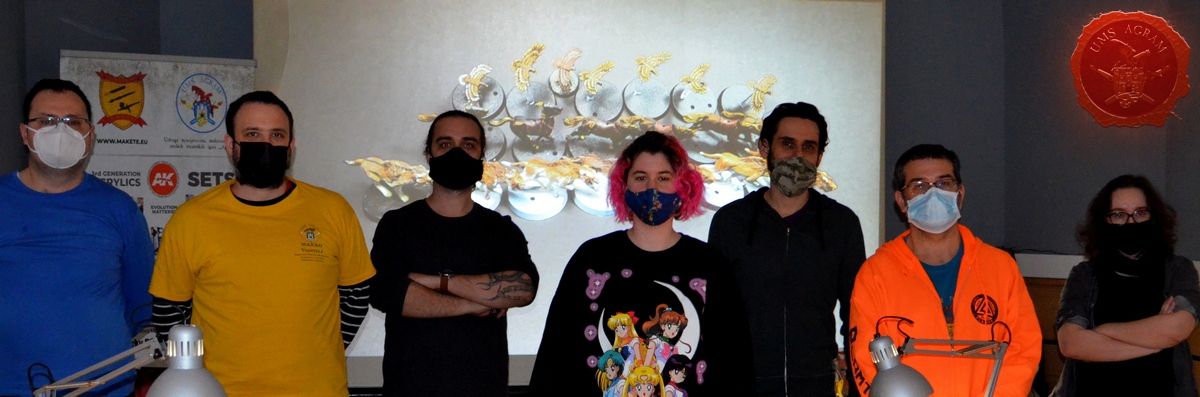
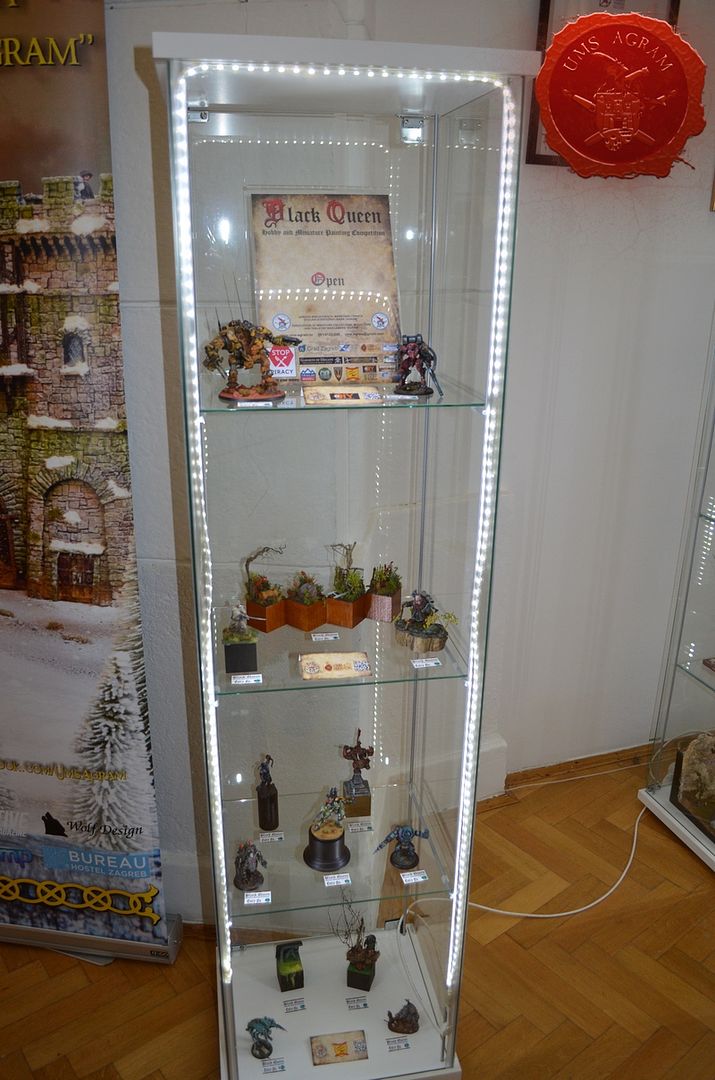
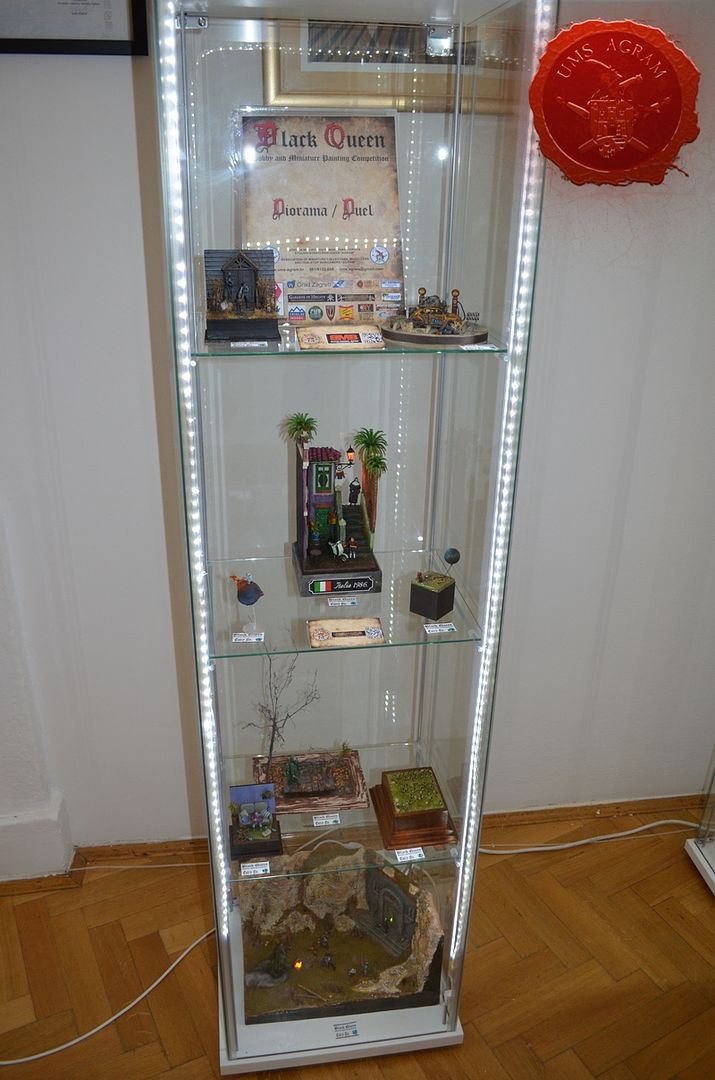
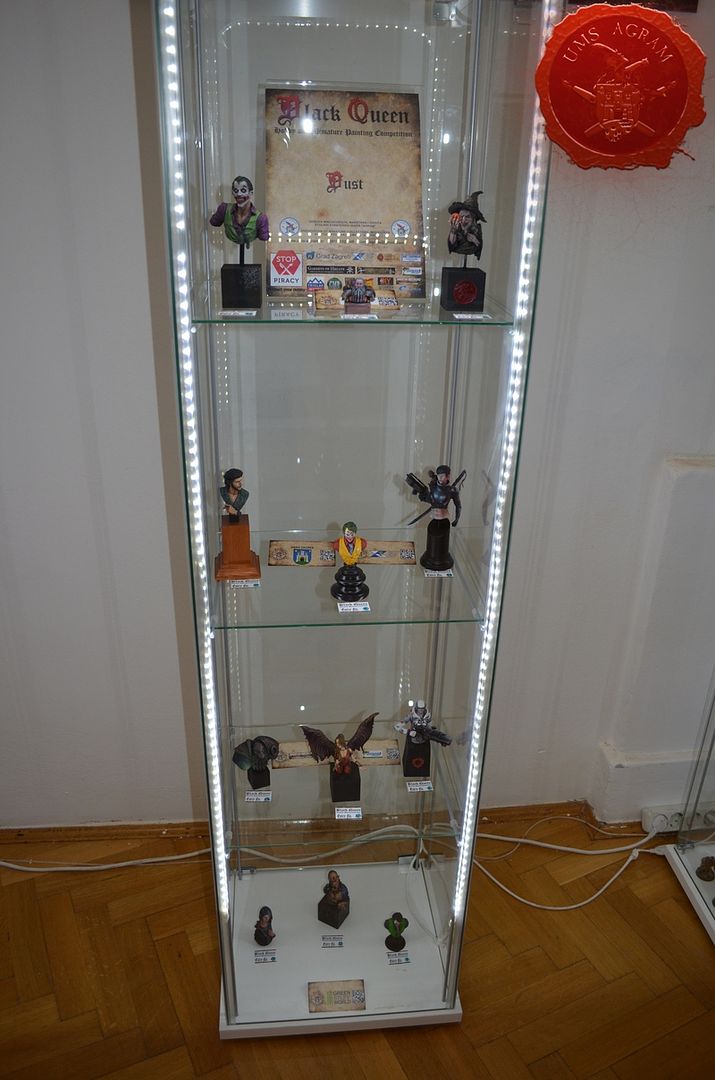
During the weekend of 27.-28.02. as a part of the Exhibition, we held our 15th annual Black Queen Hobby and Miniature Painting Competition!
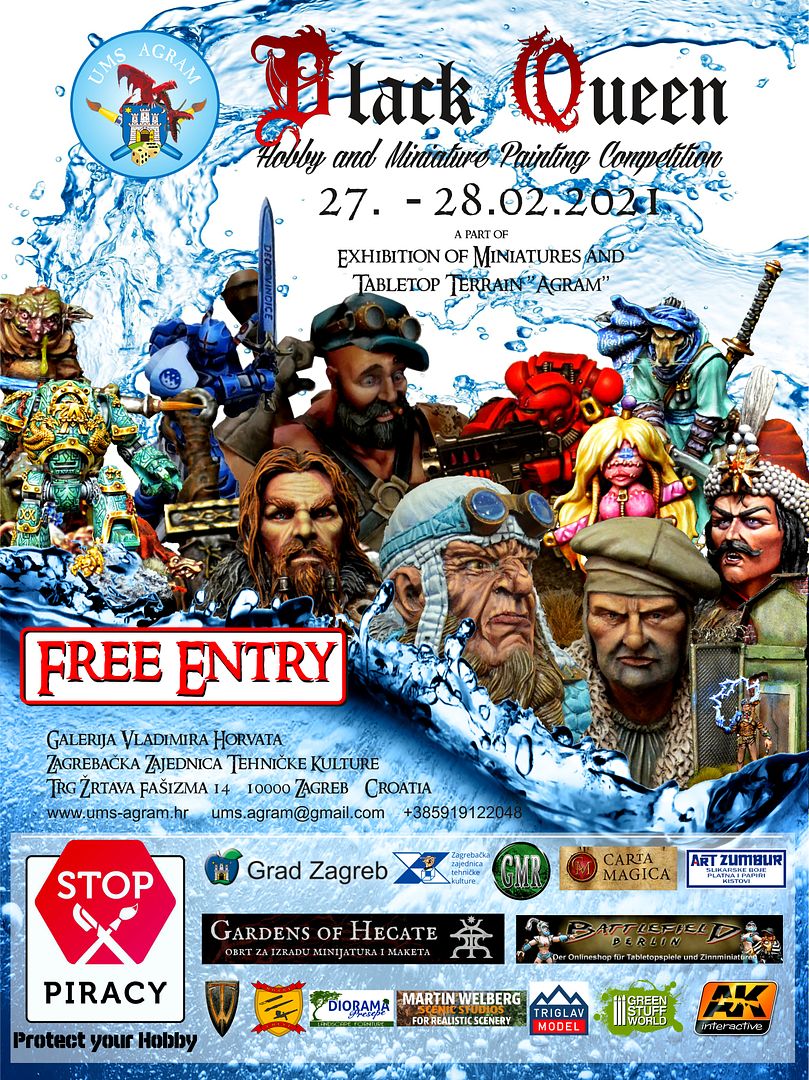
In 2021 due to the Covid-19 epidemic, we had some changes in the format of the Black Queen Hobby and Miniature Painting Competition. For the first time, the contestants had to pre-register for the event via e-mail. They then received the exact time when to register at the event (from 8:30 until 11:00). This was to limit the number of people at the venue at the same time.
Here is a quick run down through categories at this year's event:
1. Single Miniature (any 28-35mm single miniature)
2. Mounted and Large Miniature (mounted or large miniatures in 28-35mm scale)
3. Unit / Squad (unit of 5+ minis (28-35mm), or exceptionally 3+ minis (trolls, ogres etc))
4. Masterclass (our most prestigious category, anything goes as long as it's a single entry. Previous Masterclass winners can not compete in the first three categories.)
5. Diorama / Duel (self explanatory, two or more minis locked in combat or in any other interaction on a single base (no limit to the size of the base, if you can bring it, we'll display it!))
6. Open (anything that isn't covered in the categories above – primarily reserved for dragons, monsters, warmachines, but also scenery etc)
7. Bust (busts of any size can go in here)
8. Junior (under 18. The Junior entries will be assigned in the categories above as applicable and will compete with the rest of the entries. However, best three Junior entries in the whole competition will be awarded in Junior category.)
9. BEST OF SHOW (this is a new category which will be sponsored by UMS „Agram“. All of the entries will be judged by our own Ana Polanšćak and the best entry will be awarded a special prize!)
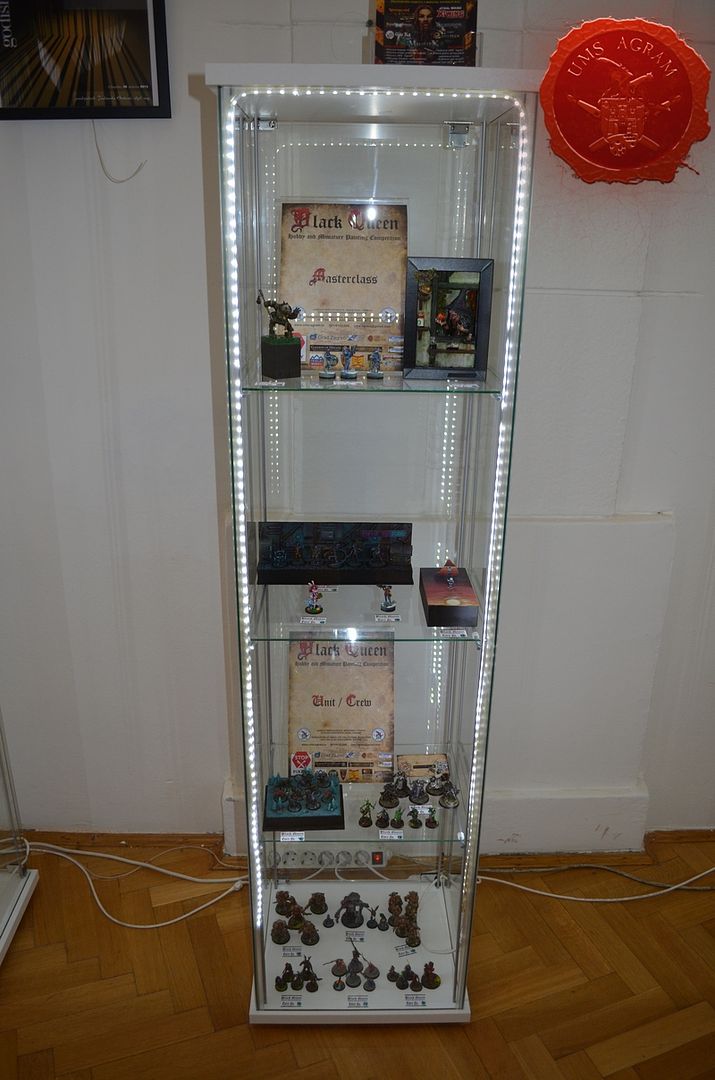
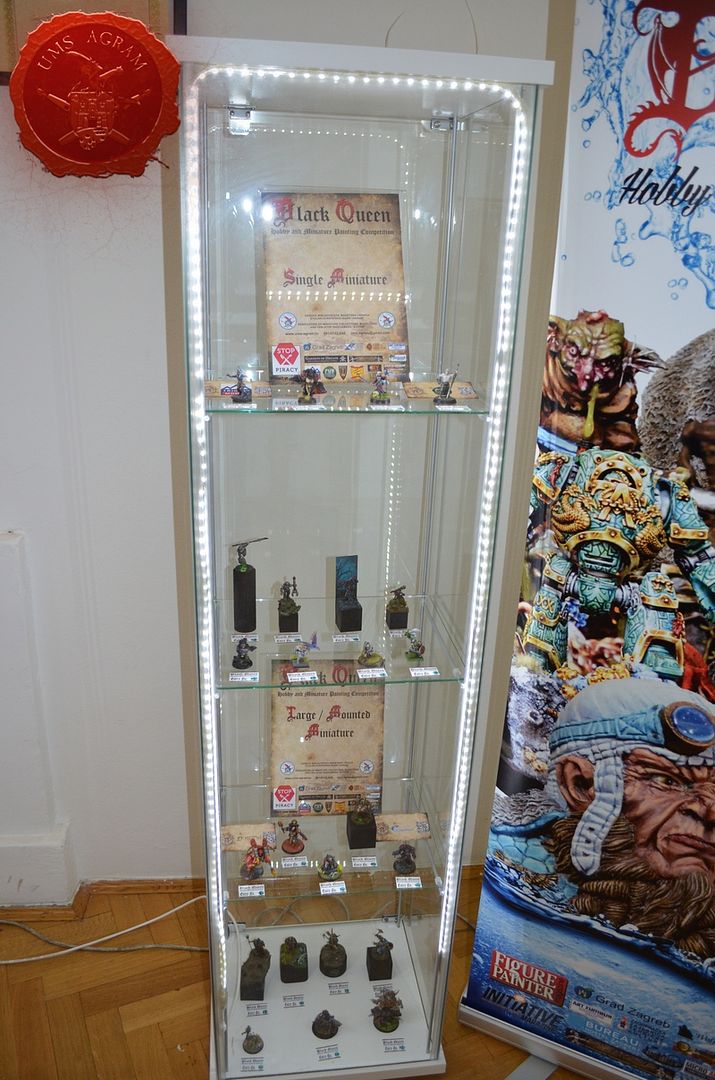
Painting Workshops
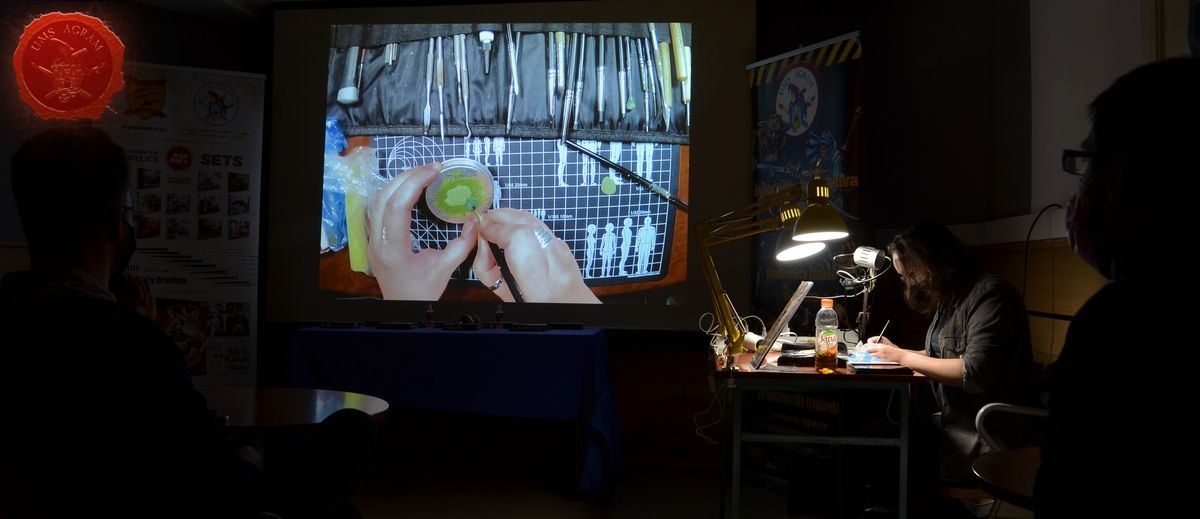
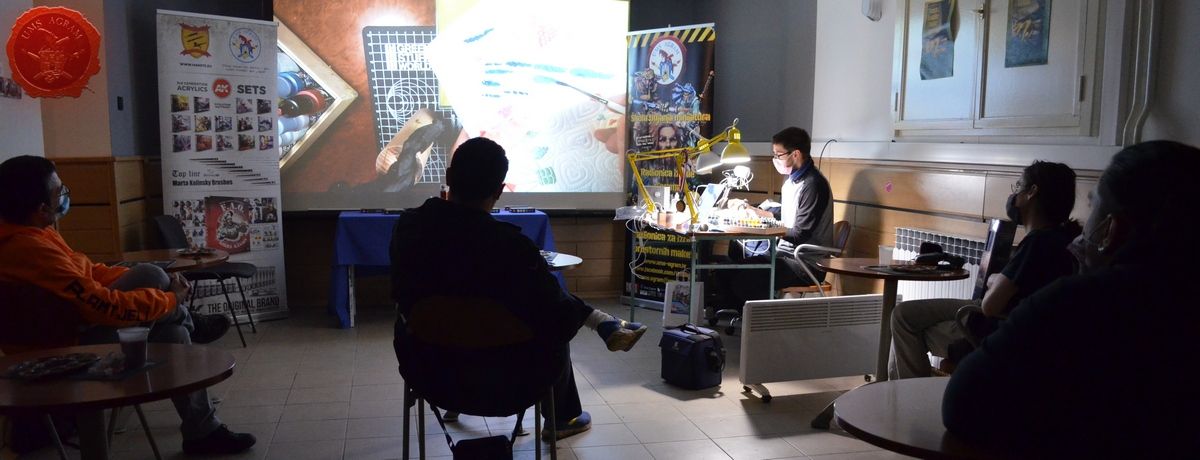
The layout of the venue at the Vladimir Horvat Gallery makes it possible to hold several workshops throughout the weekend. Therefore, there were three one-hour workshops on Saturday after the official opening of the competition and three on Sunday before the awards ceremony. This year, the workshops were held in the cinema hall in the basement of the venue. The tutor's work was filmed with a camera and projected on the projection screen in the hall. That way the social distancing could have been maintained. Also, this setup means the workshops were capped at 10 people so registrations for the workshops also took place.
SCULPTING 101 WORKSHOP
Date and time: Saturday 27. February 2021, 12:30-13:30
TUTOR:Ana Polanšćak
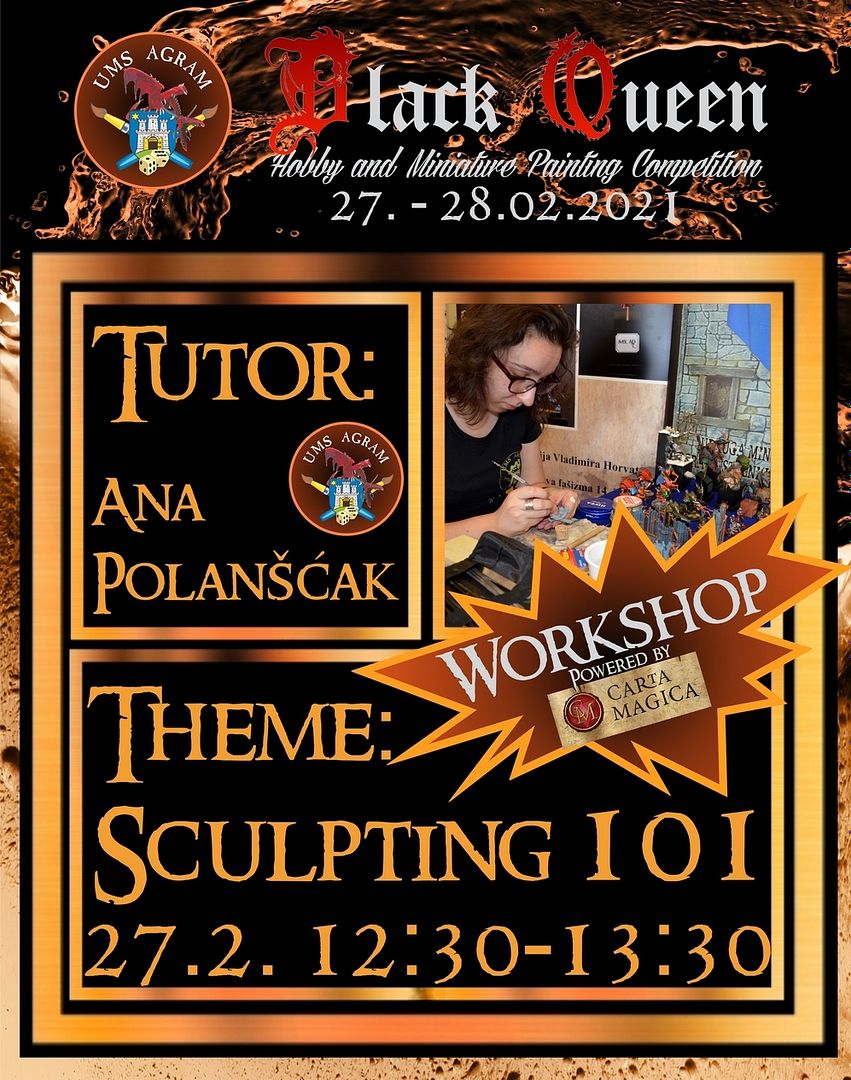
CONTENT:
The Workshop will cover modelling of three separate textures:chainmailfurscalesThose three textures are the most common when converting or even assembling your fantasy, SF and historical miniatures. Ana will show her method using two-component epoxies (like Green Stuff, Miliput etc.).
ABOUT THE TUTOR:
ANA POLANŠĆAK - Born in 1991 in Zagreb. Member of UMS Agram since 2007. She has been the project manager of the club's Terrain Workshop since 2013 and the club librarian since 2014. She used to write for the miniature magazines Figure Painter Magazine and Initiative Magazine (UK) and has been the editor of miniature magazine 28 Mag since 2018. She has won numerous medals at the Black Queen Hobby and the Miniature Painting Competition, the Zagreb Modeler Cup Crna Kraljica, and the second and third place (2013 and 2015) at the Rotten Harvest Competition. She is the author of the blog Gardens of Hecate.
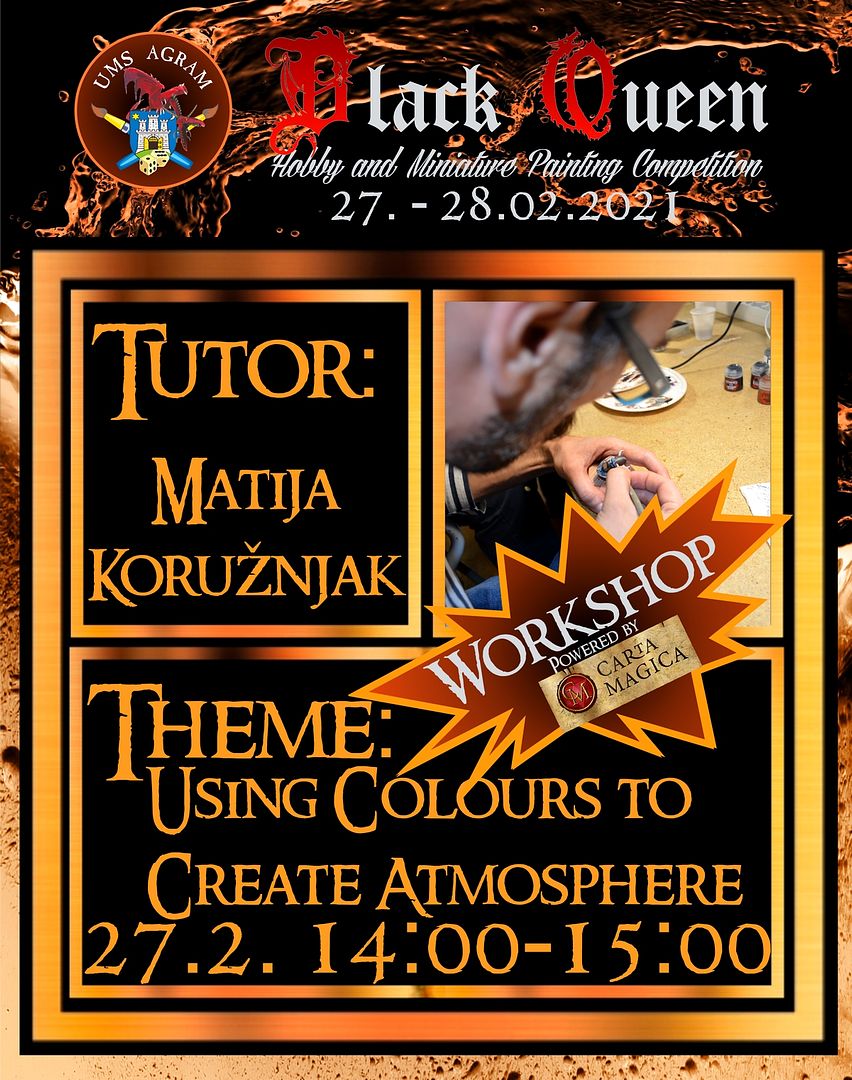
USING COLOURS TO CREATE ATMOSPHERE
Date and time: Saturday 27. February 2021, 14:00-15:00
TUTOR: @Matija Koružnjak
CONTENT:
The workshop deals with the process of selecting, mixing and using colour in order to create an ambient atmosphere using miniatures in 28-32mm scale. The theoretical part covers the reasoning behind the selection of a specific palette with regard to the colour theory, the concept of saturation and ambient lighting as the main postulates of practical application, while through the practical part of the sketching process we show how to turn an idea into realisation.
ABOUT THE TUTOR:
MATIJA KORUŽNJAK - has been involved in miniature painting since 1998, where, like many, he stepped through the fantasy world of Warhammer. Although painting was an integral part of the hobby, play and socializing were the main motivators for doing miniatures. After a long yawn during college and early youth, he returns to the world of miniatures in 2017 with a desire to reactivate an old hobby. Encouraged by the work of the FB group Miniature Painters Croatia and the lack of organizational opportunities for meetings with like-minded people, the focus of the hobby shifts from the gaming to painting where the last few years he paints regardless of the scale, system or theme of miniatures.
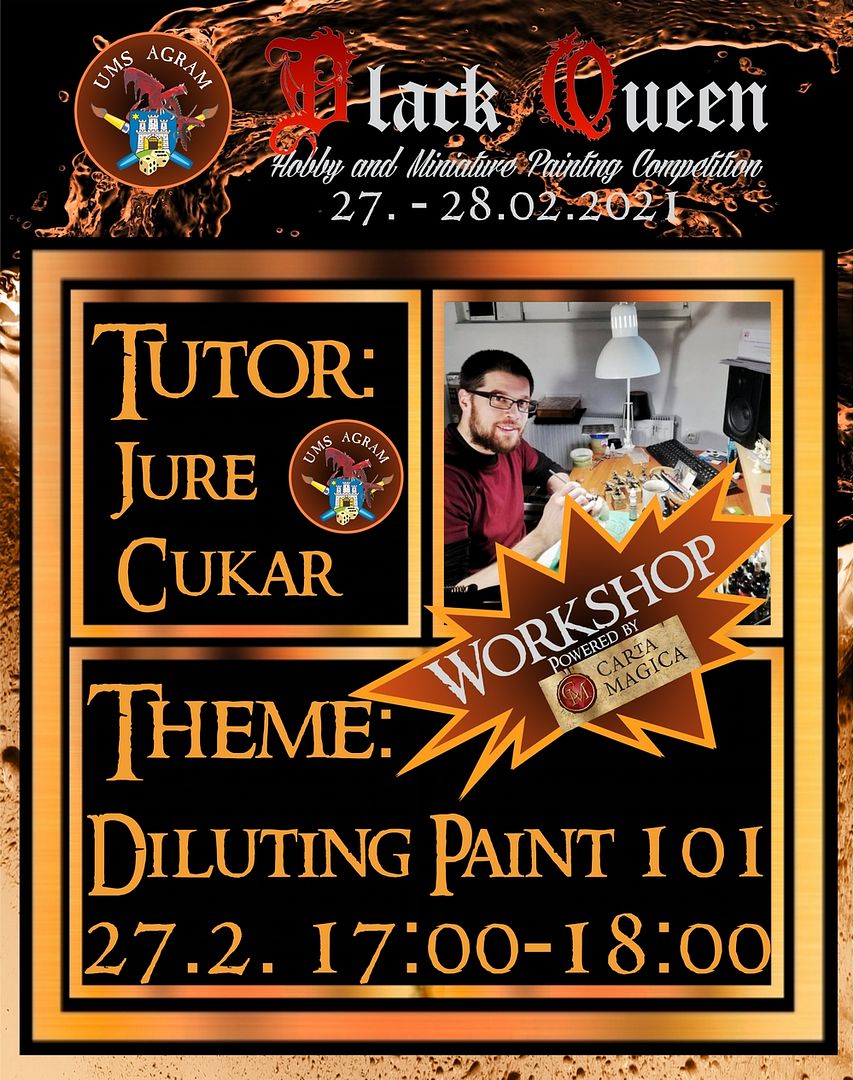
DILUTING PAINT 101
Date and time: Saturday 27. February 2021, 17:00-18:00
TUTOR: Jure Cukar (aka @John Alton)
CONTENT:
This workshop will cover the basic ways to manipulate paint. How to prepare out-of-the-bottle acrylic paint, using various diluting ratios, to be used for layering, washing and glazing techniques as well as how to properly use those techniques on your miniatures. The tutor will use the Lord of the Cats bust by Michael Kontraros Collectibles.
ABOUT THE TUTOR:
JURE CUKAR - Member of UMS Agram. In the world of miniatures since 2003. Playing Warhammer he discovered painting miniatures can go way beyond just batch-painting for tabletop games. Although active SF tabletop Infinity player, he has always been more of fantasy and history fan. In 2018 he competed in Black Queen Hobby and Miniature Painting Competition for the first time.
VEGETATION 101 WORKSHOP
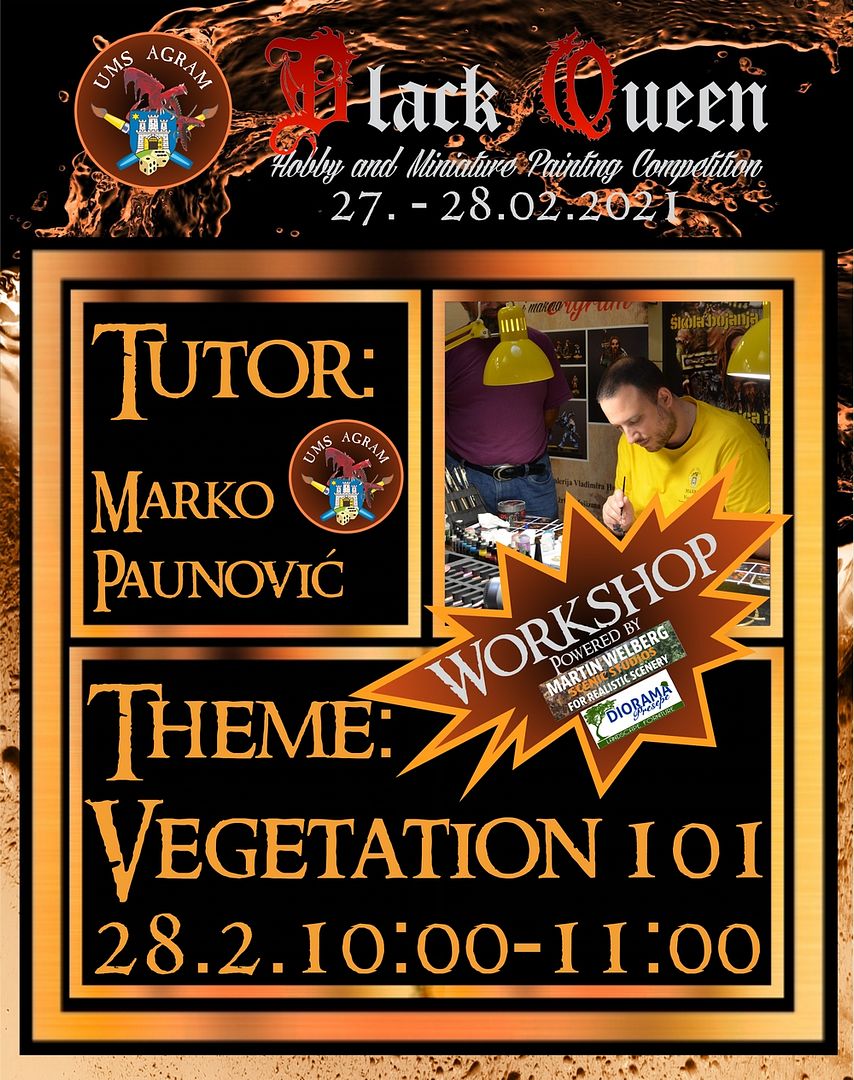
Date and time: Sunday 28. February 2021, 10:00-11:00
TUTOR: @Marko Paunovic
CONTENT:
The workshop will cover the process of making a simple base/terrain. The focus will be on recreating life-like vegetation where the tutor will show how to use various types of vegetation. The vegetation used will be from @Martin Welberg Scenic Studios and @Diorama Presepe.
ABOUT THE TUTOR:
MARKO PAUNOVIC, mech.eng. - was born in 1979 in Zagreb. He is one of the founders of @UMS Agram and is a longtime project manager of the club's Terrain Workshop. He became the President of UMS Agram in 2009. He is the recepient of the following state and city prizes: - Annual award of the Zagreb Community of Technical Culture “Dr. Oton Kucera ” 2011 - State award for technical culture Faust Vrancic 2012 - Annual award of the Croatian Community of Technical Culture 2017 He started writing miniature reviews for the Portal (UK) miniature magazine in 2011. In 2013 he became the content editor for the esteemed miniature e-zine Figure Painter Magazine (UK). In 2015, he started writing a column about terrain building for the bi-monthly e-zine, Wyrd Chronicles (USA) and in 2016 he began writing for the Initiative Magazine (UK). He eventually became the editor-in-chief of Initiative Magazine in 2018. He has received numerous international miniature awards and honors at competitions in Mitterdorf and Vienna and Topor Hobby Coompetition, Zagreb Cup, Zagreb Modeling Cup Crna kraljica as well as Black Queen Hobby and Miniature Painting Competition. He also participates in online miniature painting competitions where he won a third place at the 2011 Rotten Harvest International Competition in the United States, second place at Wyrd 2013 International Competition by Wamp from the UK, second place at the Infamy 2013 International Competition of the same company and two fifth place in the prestigious Iron Painter Competition (USA) in the competition of over 220 competitors (2011 and 2015). In addition, he led the UMS "Agram" team in designing the winning City of Death 2006 model.
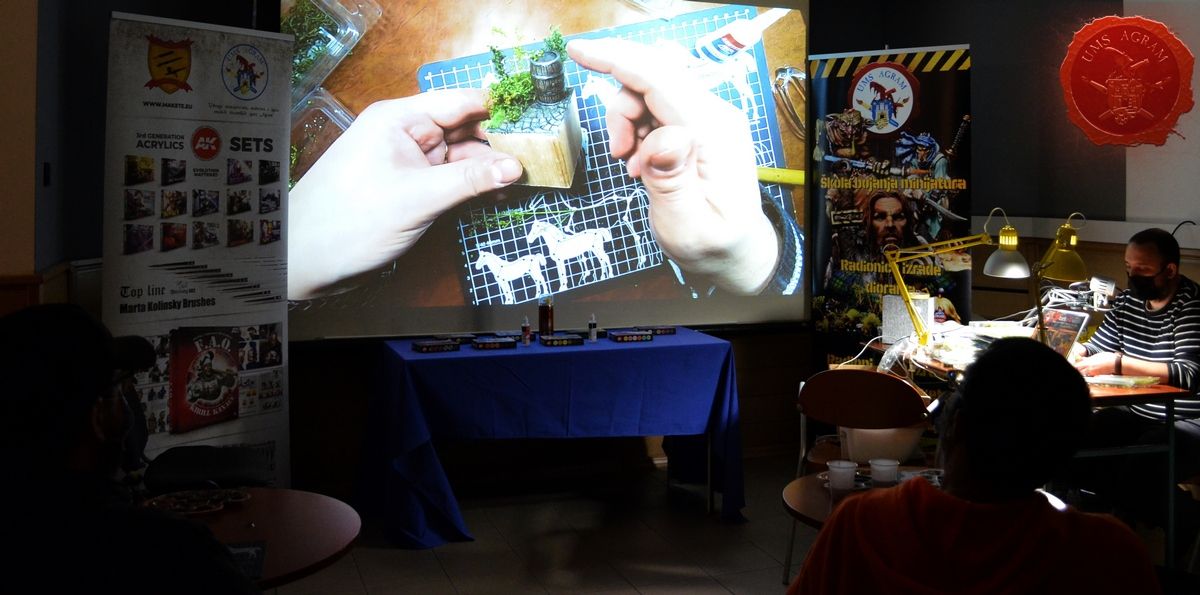
HISTORIC MINIATURES 101 WORKSHOP
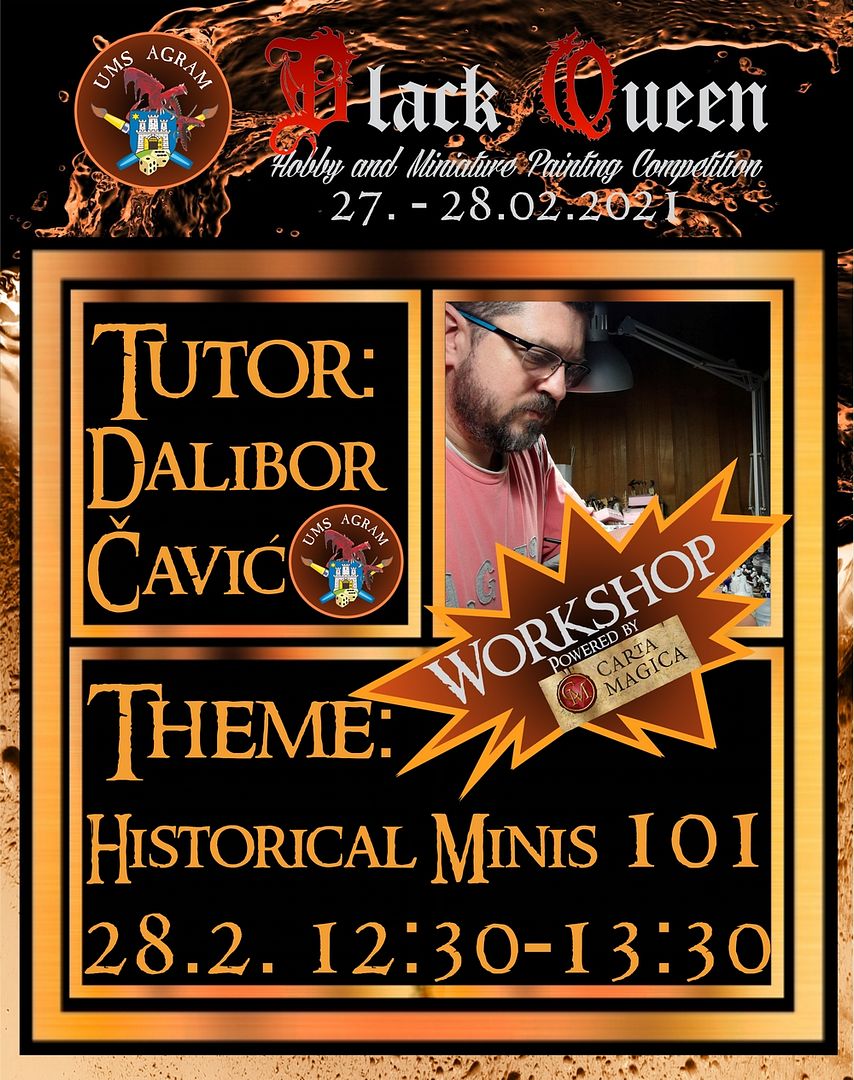
Date and time: Sunday 28. February 2021, 11:30-12:30
TUTOR: @Dalibor Čavić
CONTENT:
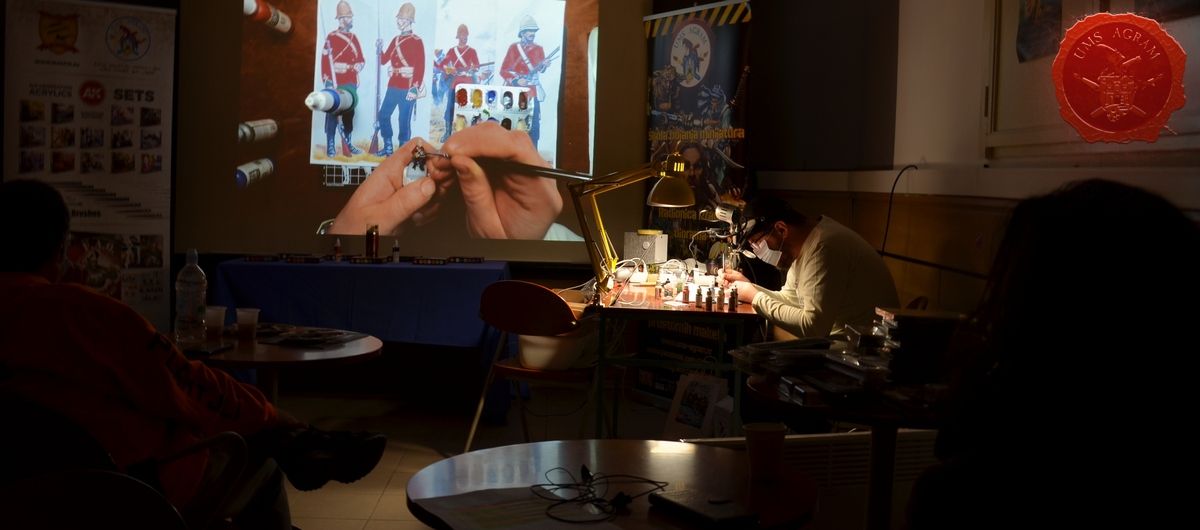
This workshop will cover the process of painting 28mm historical miniatures. The tutor has chosen British colonial infantry from Anglo-Zulu wars (1879) by Perry Miniatures to explain the theory behind finding historic sources for uniforms as well as practical application using various techniques like basecoating, washing, highlighting and detailing with acrylic paints.
ABOUT THE TUTOR:
DALIBOR ČAVIĆ – has entered the world of miniaturism in 2011. His first area of interest were historic miniatures in 1/72 scale, especially from the Napoleonic Era. His hobby interest widened to larger miniatures (28mm, 32mm and 54mm) as well as to different themes like fantasy and SF. He also enjoys making vignettes and dioramas. In the last several years he has participated in several domestic competitions as well as several abroad (Slovenia, Hungary and Austria) where he sometimes wins medals. He has been a prolific member of Miniarure Painters Croatia FB group since 2018. and in 2021 he became an UMS “Agram” member.
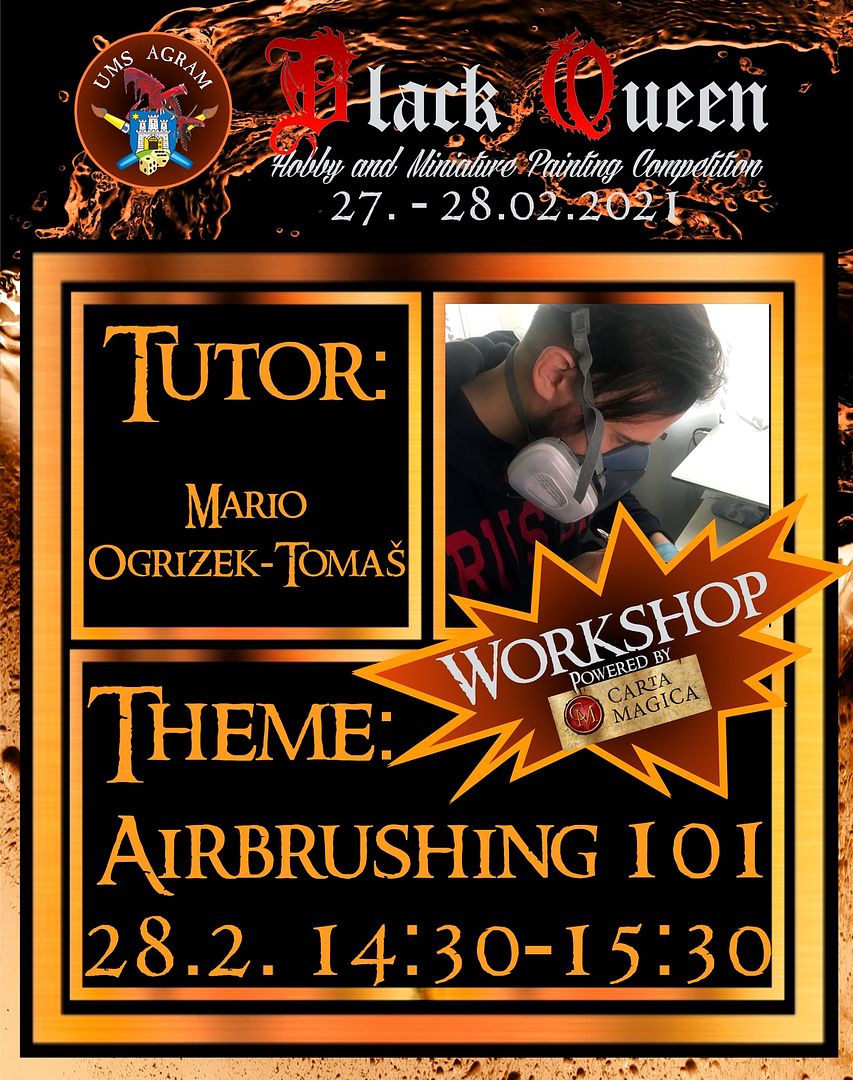
AIRBRUSHING 101
Date and time:Sunday 28. February 2021, 14:30-15:30
TUTOR: Mario Ogrizek-Tomaš (aka @Cuvar Boja)
CONTENT:
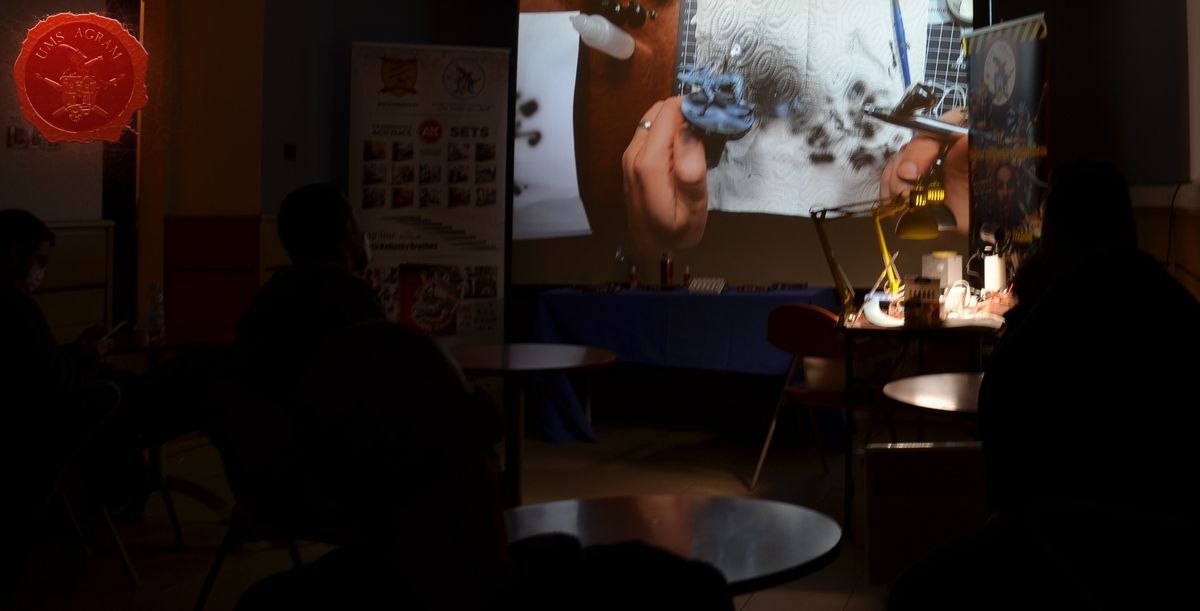
The workshop will cover the basic techniques for working with an airbrush. Topics we will address: • myths and legends about miniature painting with an airbrush (mythbusting) • airbrush anatomy, • which compressor settings to use, • basics of using dual action airbrush (trigger control), • colour consistency and troubleshooting, • zenithal undercoat, • precision spraying, • cleaning, • safety at work.
ABOUT THE TUTOR:
MARIO OGRIZEK-TOMAŠ aka Guardian, has been in this hobby for over 15 years, and he has been using the airbrush for 5 years. He has gone through many battles with this tool and will be happy to share his experiences and tips on how to make the first steps and venture into the painting a miniature with an airbrush easier.
Speed Painting Contests
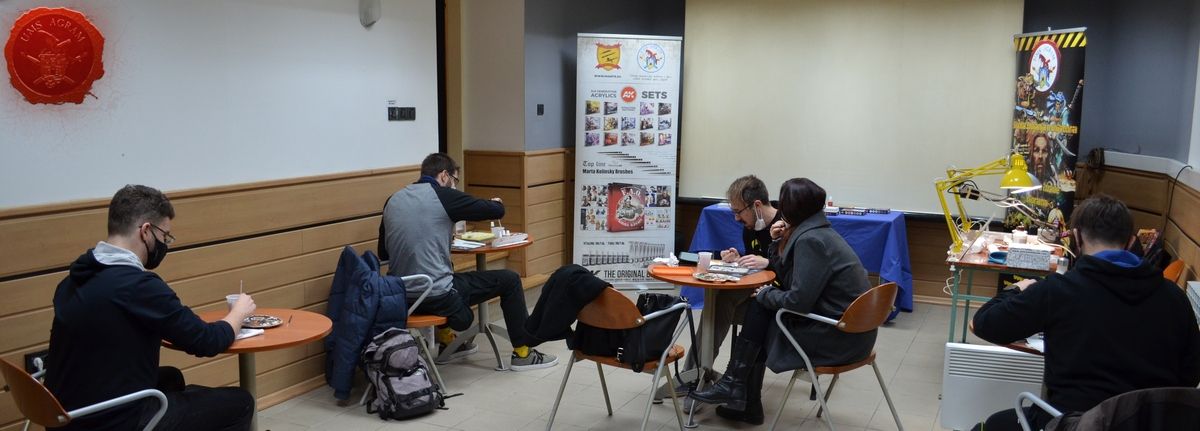
There was a speed painting contest organised on Saturday. Participants (up to 10) had an hour to paint a single miniature. Thanks to our sponsor Hobby Chest who secured a huge donation of painting materials by AK Interactive, we were able to hold a Speed Painting Contest with the following rules: - contestants had an hour to paint a miniature - all contestants painted the same (type of) miniature - we provided the paints by AK Interactive - we provided the brushes by AK Interactive
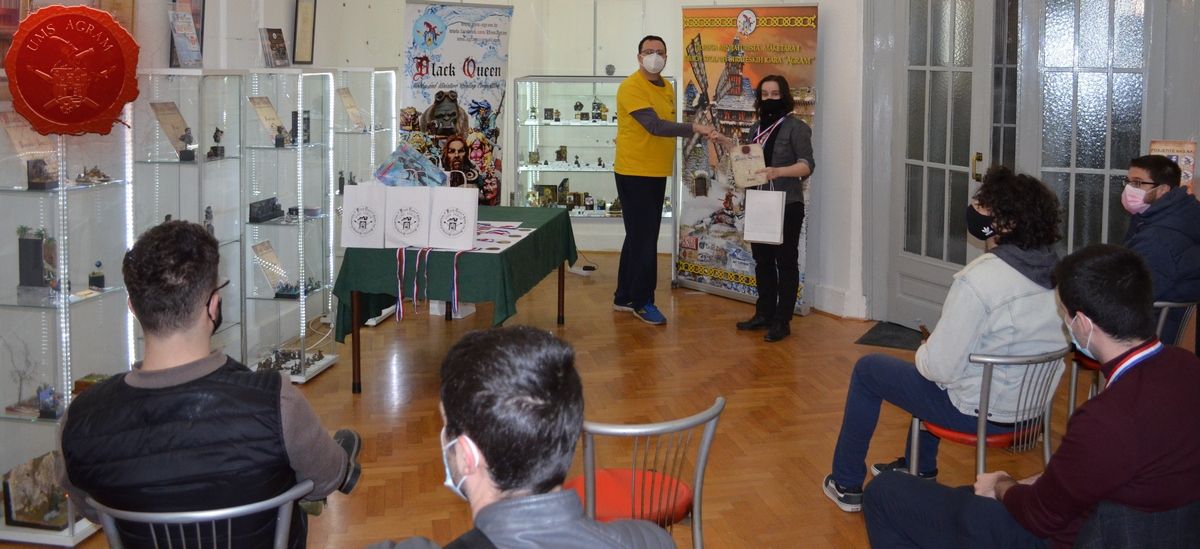
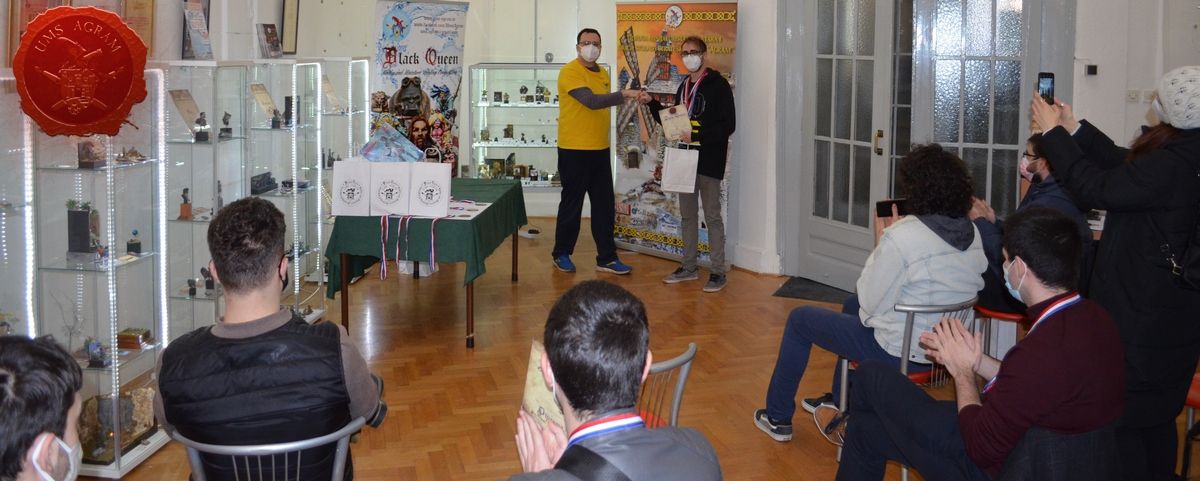
After all the events of the weekend it was time to award our winners with prizes supplied by our generous sponsors: Carta Magica, Art Zumbur, DIY Connect, Hobby Chest, Battlefield Berlin, Buco Model Base, Grey Mountain Review, Triglav Model. Gardens of Hecate i Green Stuff World. An extensive gallery of entries in this year's competition can be viewed here.
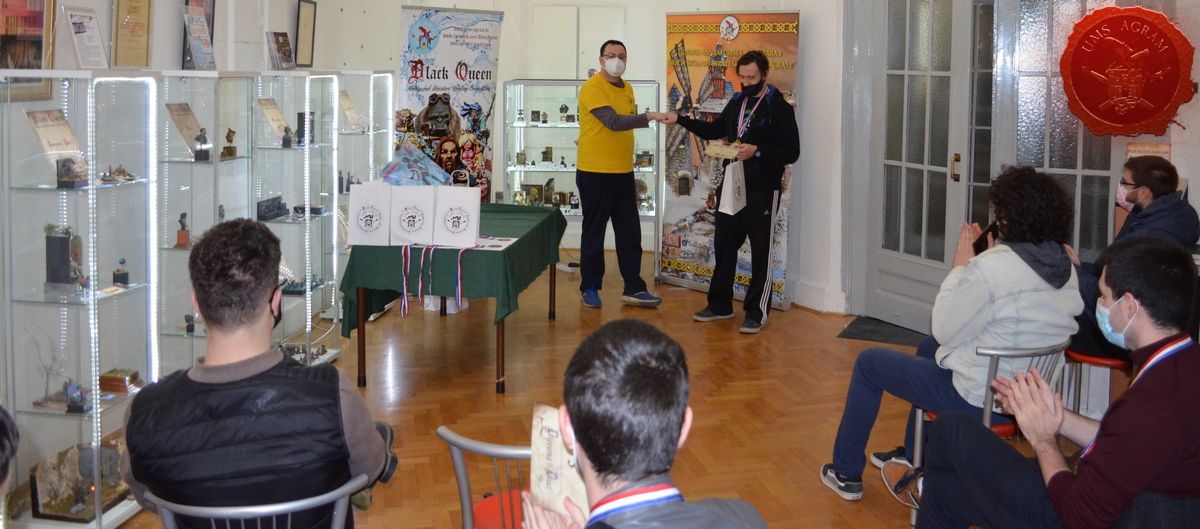
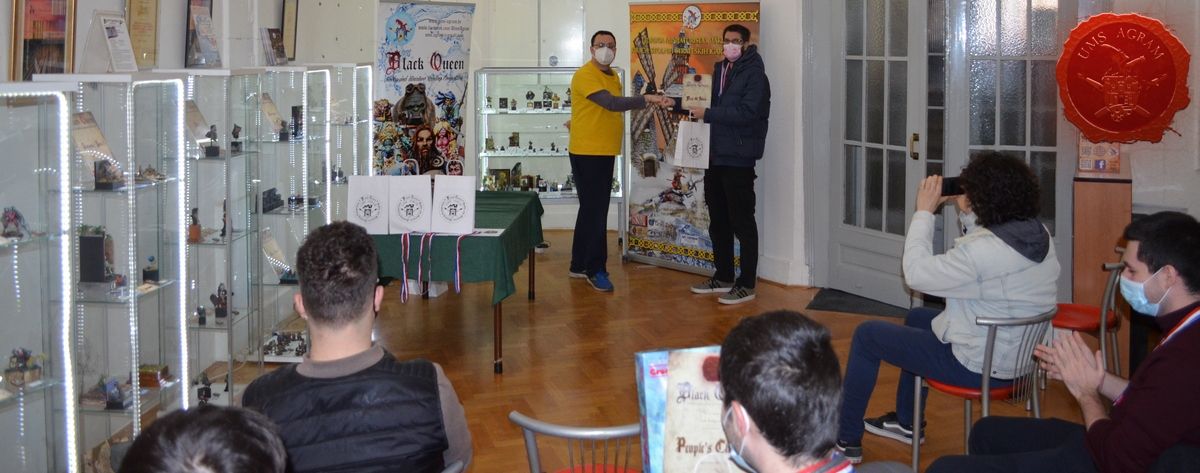
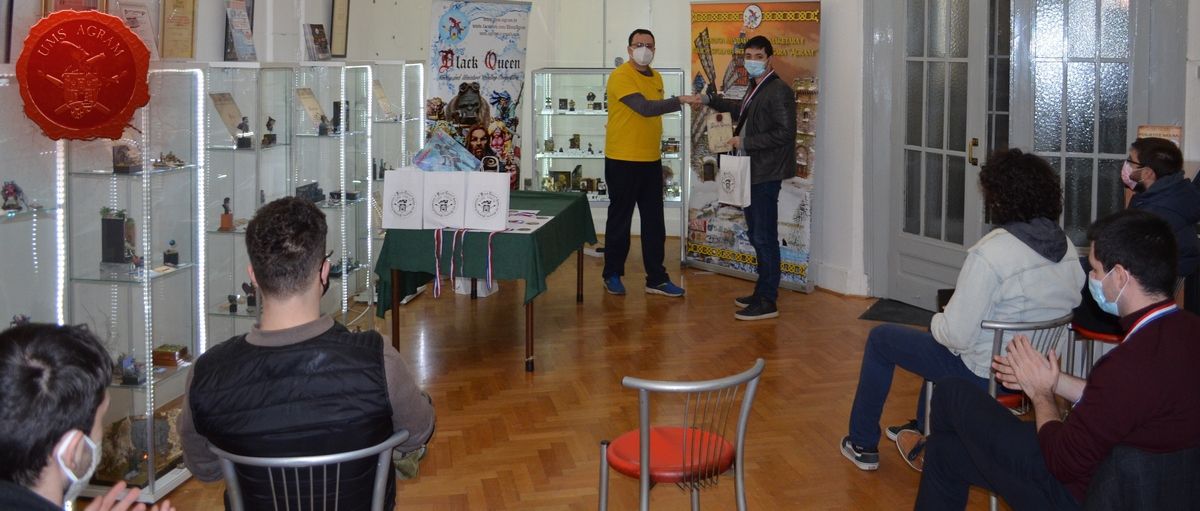
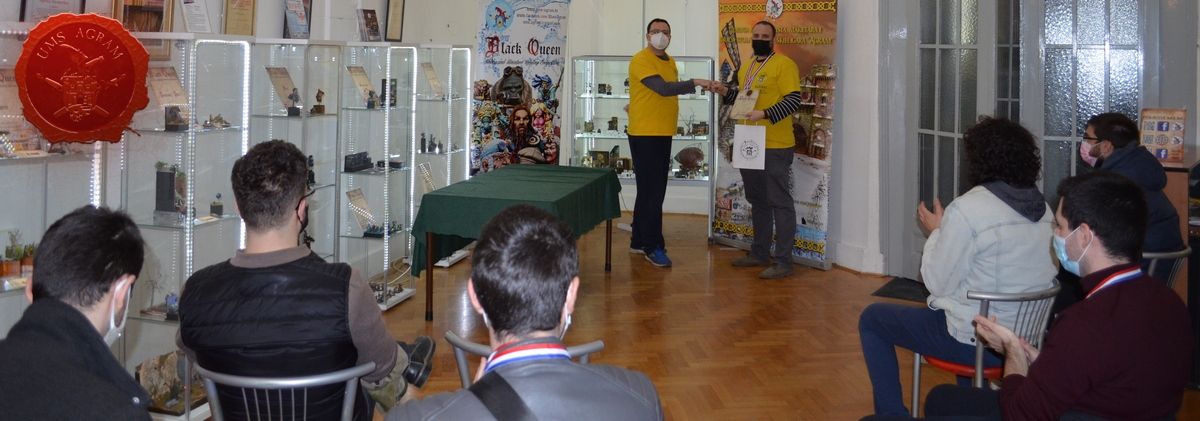
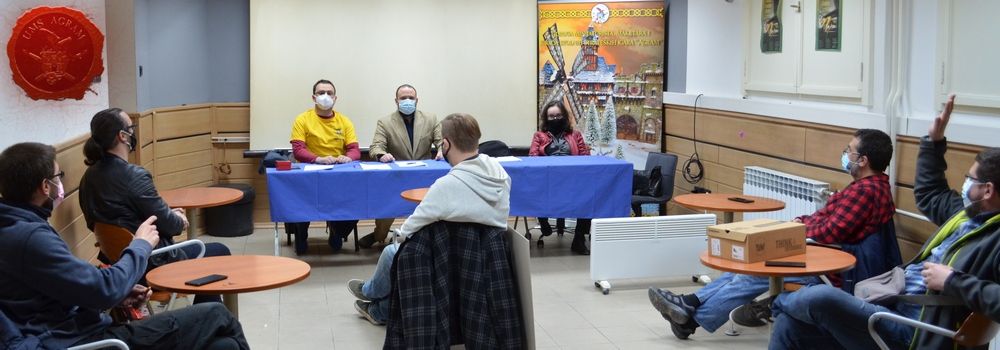
On Wednesday 03.03.2021. we held our annual General Assembly where the club members voted for a new leadership, changed the address of the club and made some changes in the Statute of the Association.

Latest articles
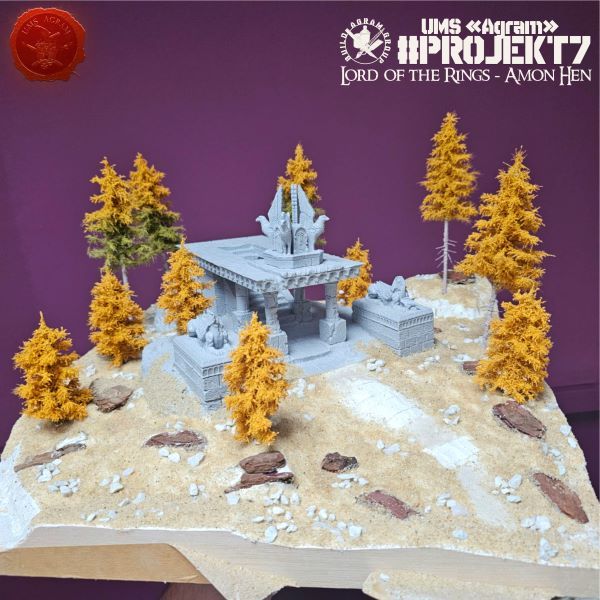
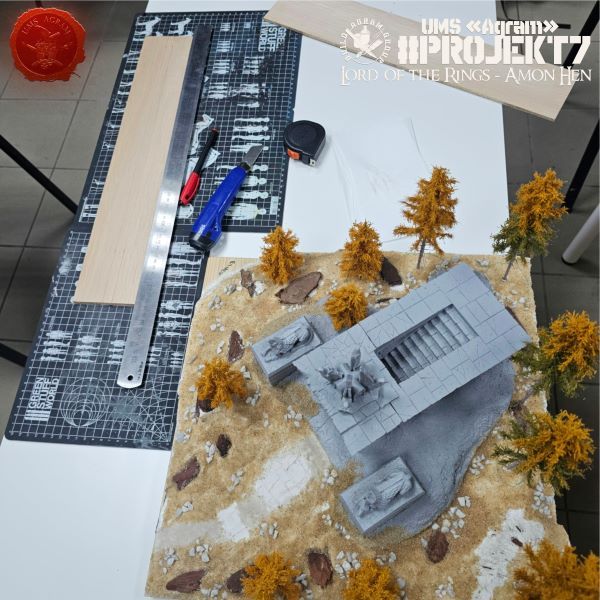
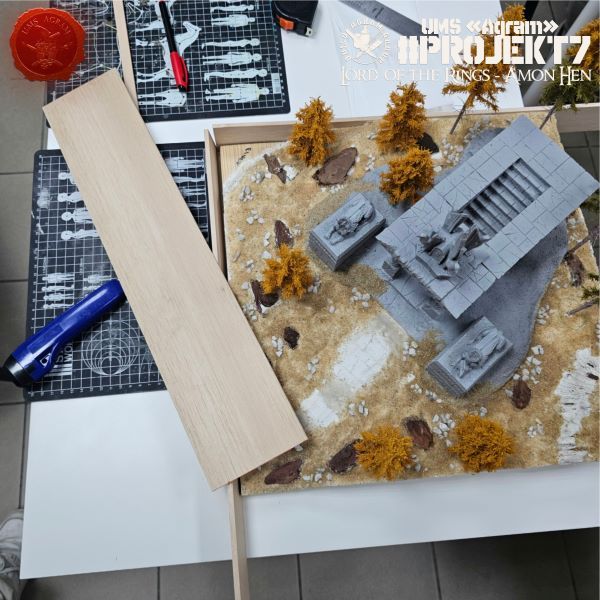
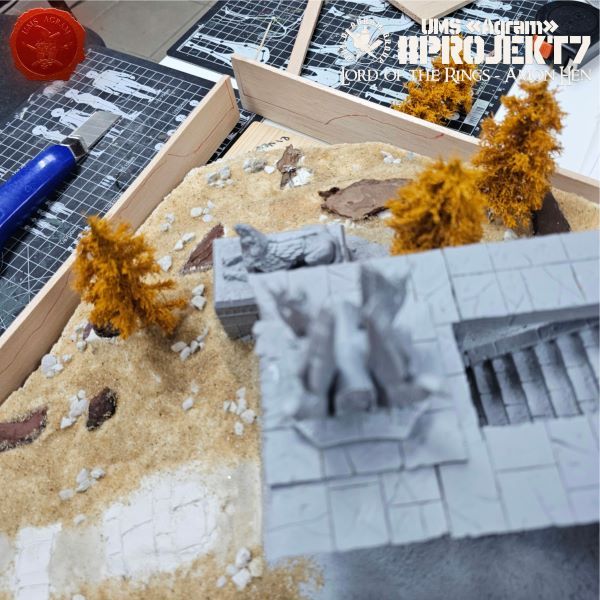
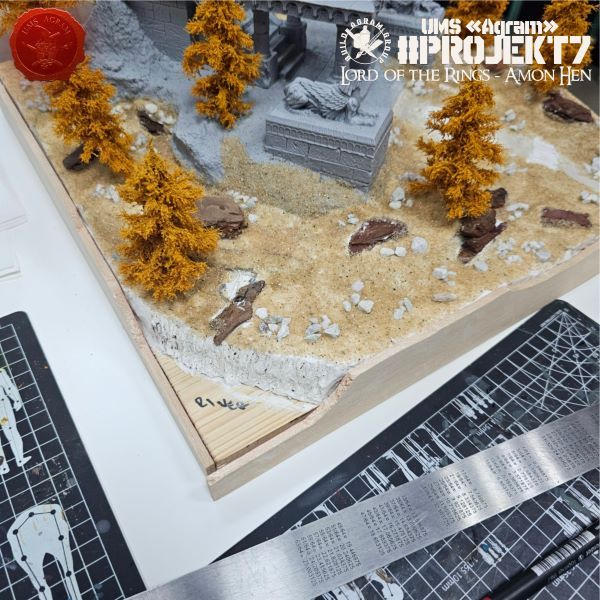
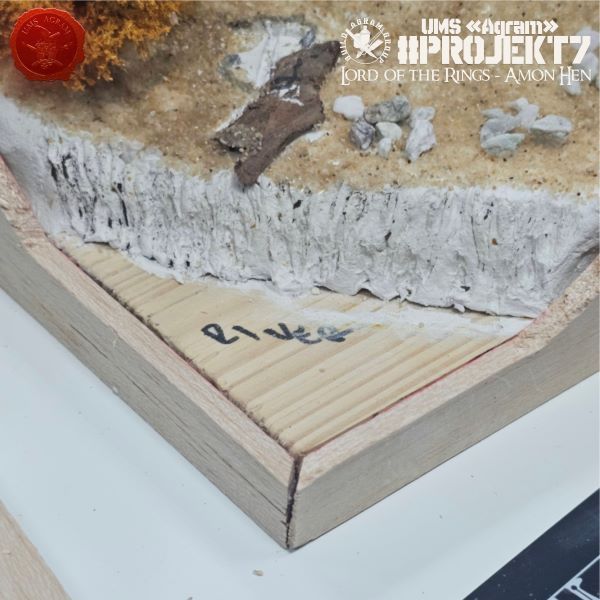
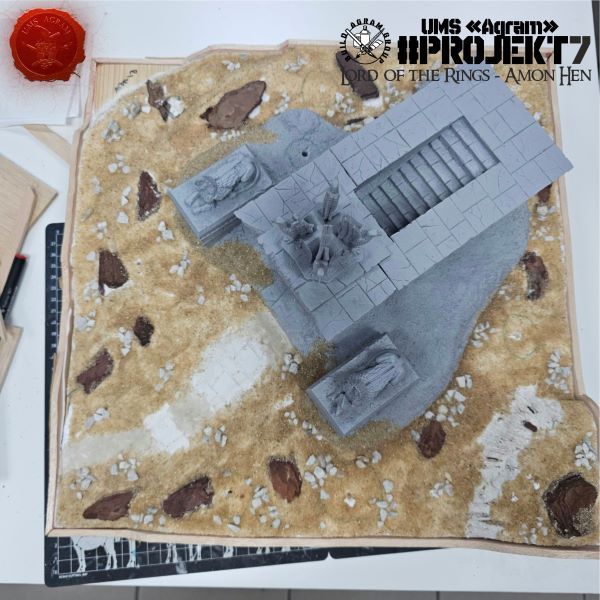
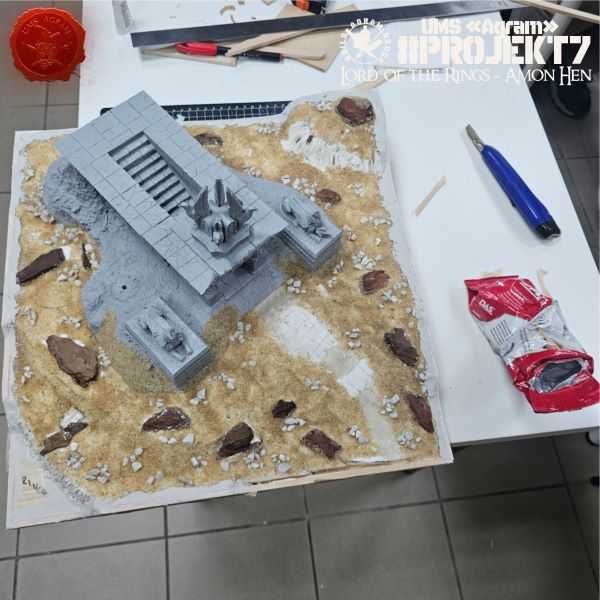
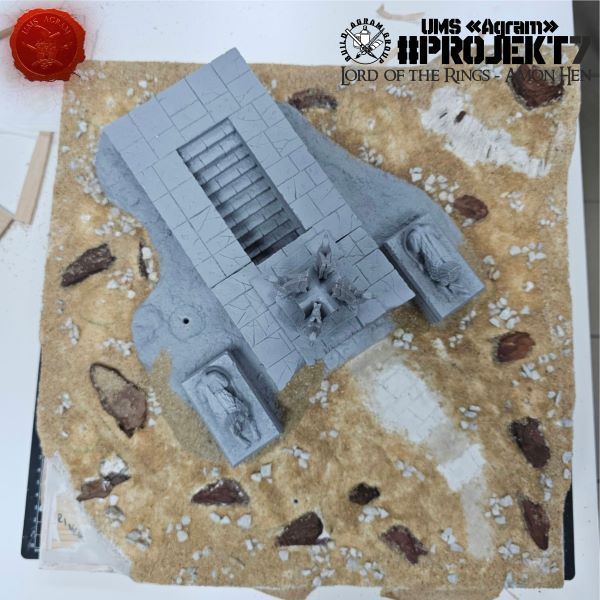
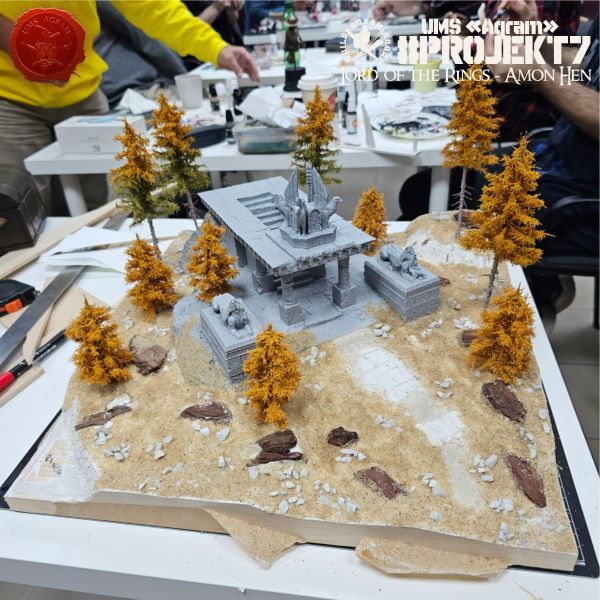
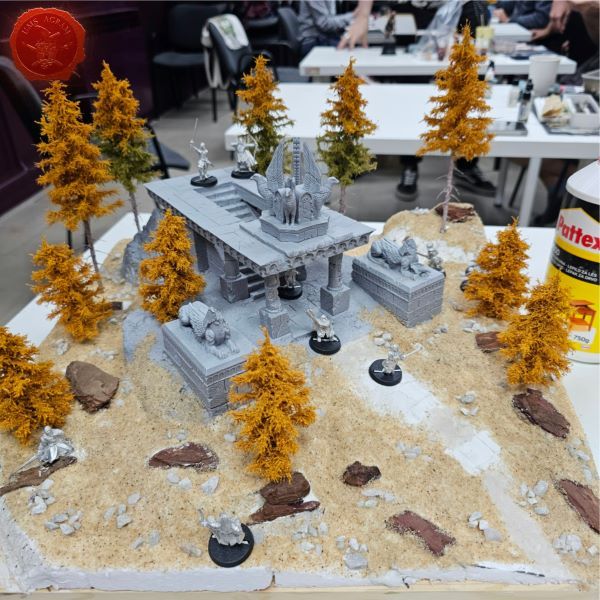
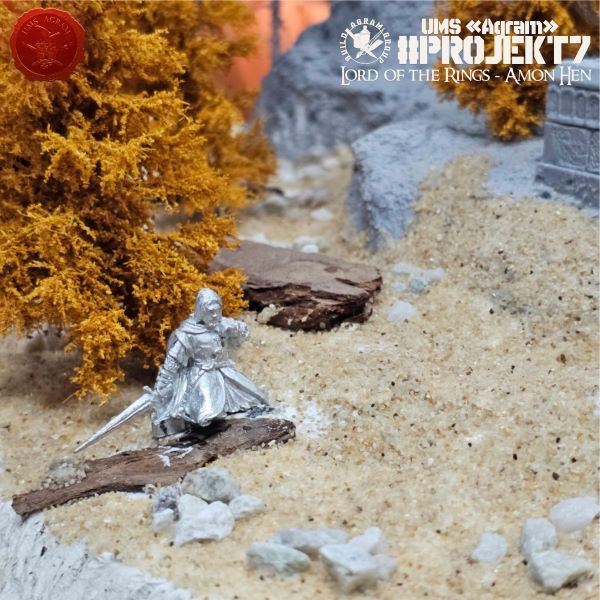
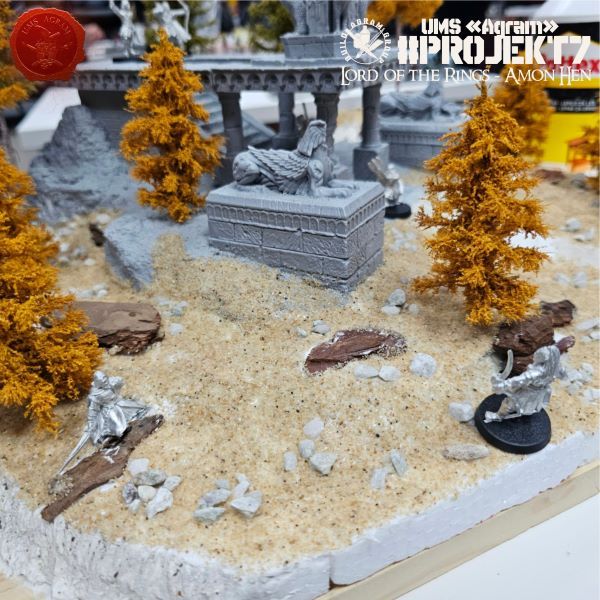
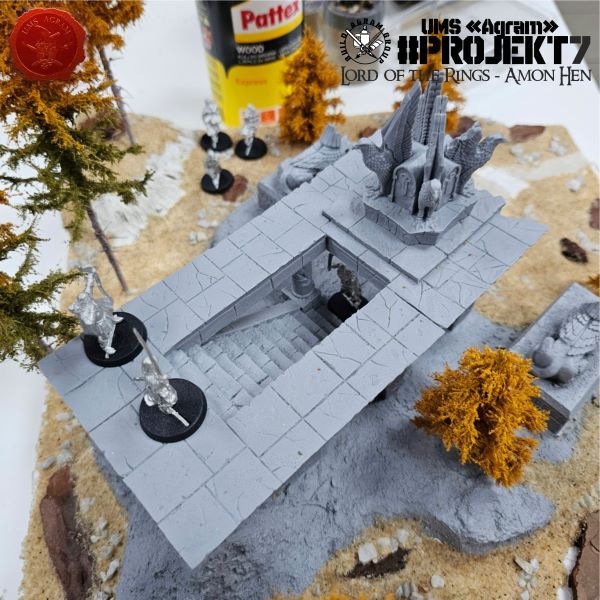
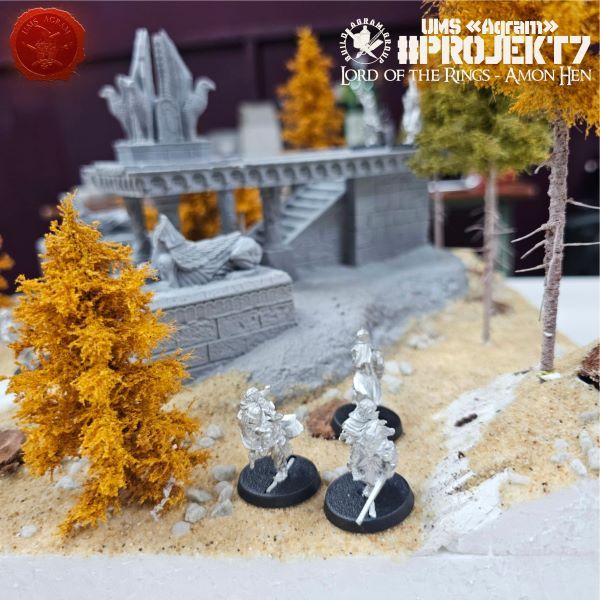
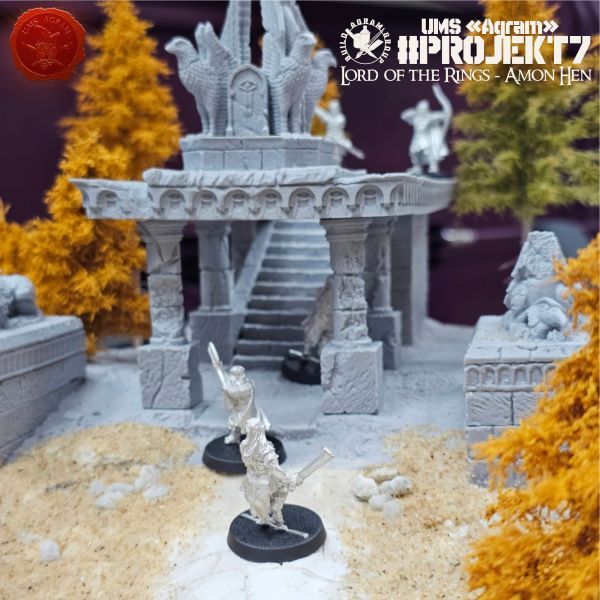
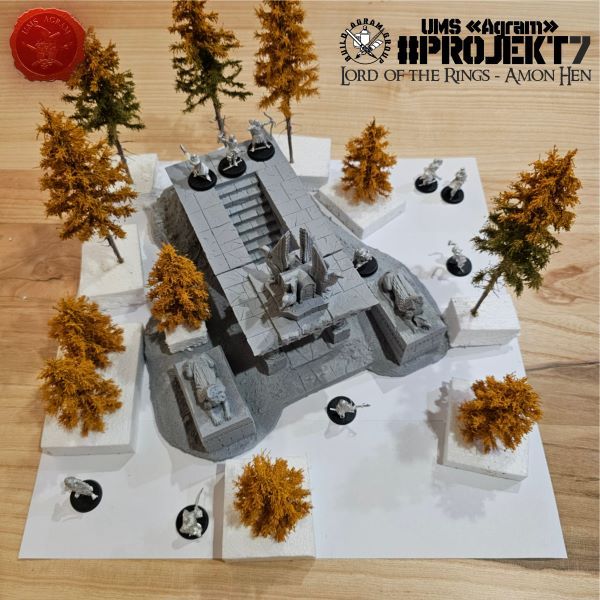
- Agram Group Build #7 – Amon Hen, pt.5 Krunoslav Belinić, 15th October 2026
- Agram Group Build #7 – Amon Hen, pt.4 Marko Paunović, 8th October 2026
- Agram Group Build #7 – Amon Hen, pt.3 Krunoslav Belinić, 1nd October 2026
- Agram Group Build #7 – Amon Hen, pt.2 Marko Paunović, 24th September 2026
- Signs for your plinths Marko Paunović, 24th September 2026




Latest battle-reports
- Kill Team - Blooded vs. Vespid Stingwings 28th February 2025, GW - Warhammer 40.000, and Antoni Pastuović (Imperial Guard)
- 22nd April 2022, GW - Warhammer 40.000, Borna Pleše (Space Marines) and Kristijan Kliska (Tau Empire)
- 17th November 2021, GW - Warhammer 40.000, and Nino Marasović (Space Marines)