Agram 2023 – A Year In Review
The year 2023 has also come to an end. The year in which we celebrated our 20th birthday and were faced with various challenges, mostly of an economic nature. For the first time since 2004, the City of Zagreb has decided not to co-finance any of our projects. Despite this, with the great commitment of our members and leadership, we have fully implemented all the programs we envisioned, without realizing a lack of funds!
Partnership with Back to Basics
Despite these difficulties in work, we ended the year with fantastic cooperation and education of our members for conducting miniaturist/maquette workshops using the Back to Basics method. Our Ana, Kruno and Marko were educated in Kranj, Slovenia, and thus we became one of the international partners in that project, so get ready for 2024 when our first Back to Basics workshops await you!
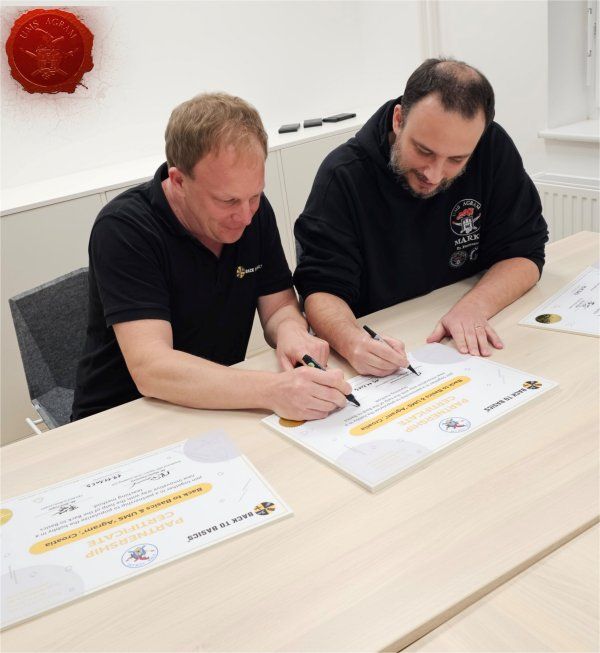
But let's go back to the beginning of the year, which started like every time with our traditional Exhibition...
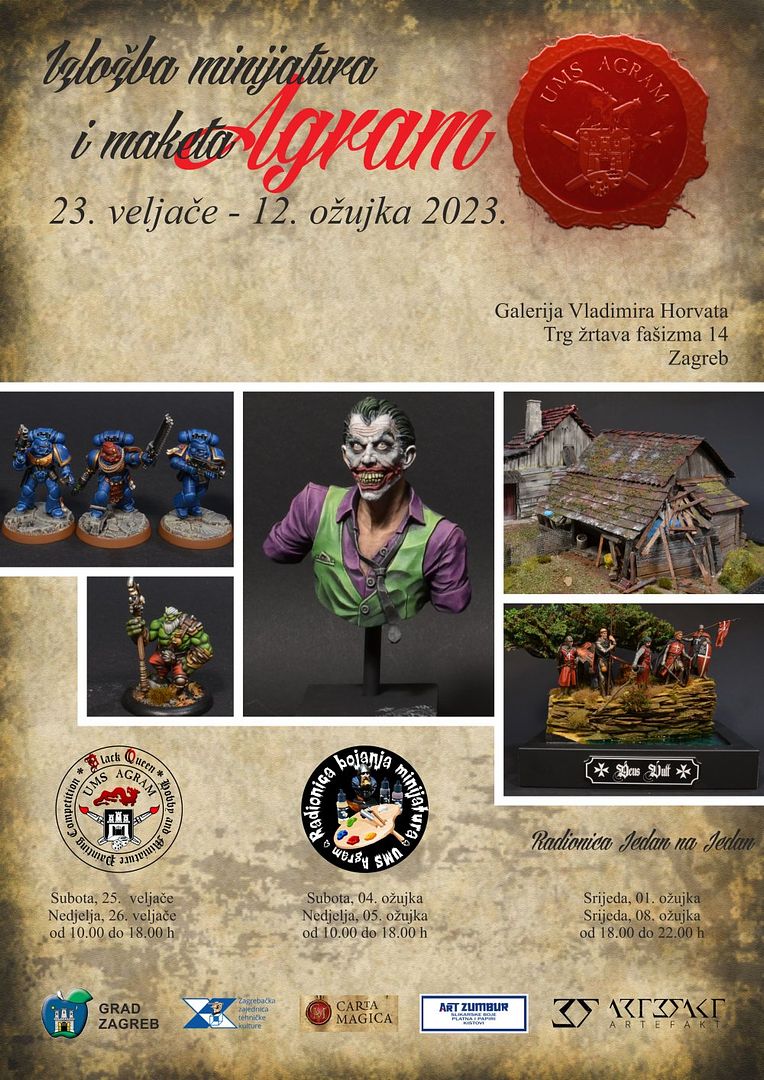
EXHIBITION OF MINIATURES AND TABLETOP SCENERY AGRAM 2023
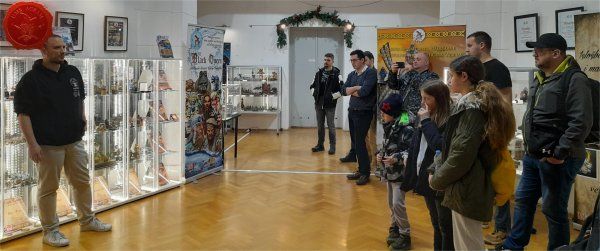
We started the year with preparations for our annual Exhibition of miniatures and models, during which we also organized a weekend painting workshop for miniatures and, for the fourth time this term, our international competition in painting miniatures Black Queen Hobby and Miniature Painting Competition. As always, the Exhibition presented a cross-section of the work of the Association, its members, participants of its courses and workshops, and members of the FB group Miniature Painters Croatia. In a large number of display cases, there were numerous miniatures for tabletop strategy games, board games, and an entire display case was dedicated to award-winning exhibits from previous miniature competitions. Several showcases were devoted to projects that the Association has been implementing for 20 years, such as the UMS "Agram" Library and Reading Room, the Workshop for creating spatial models and the Miniature Painting Workshop. The works of our friend, the academic sculptor prof., had a special place in the showcases. Winton Afrić.
The opening of the Exhibition took place on Thursday, February 23, 2023. starting at 6 p.m.
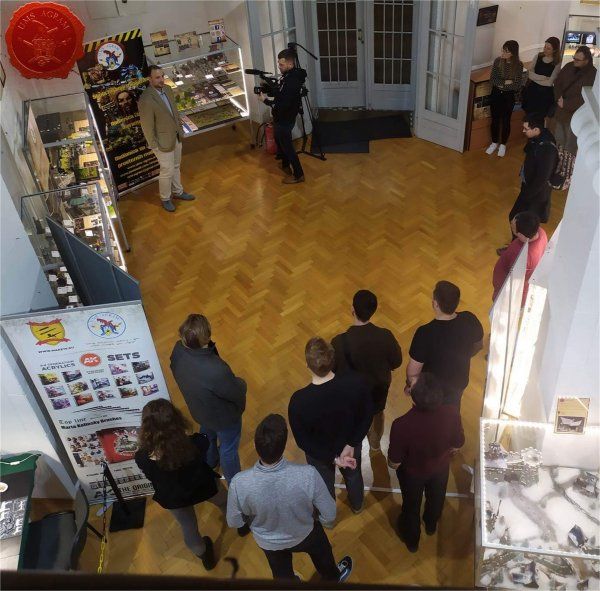
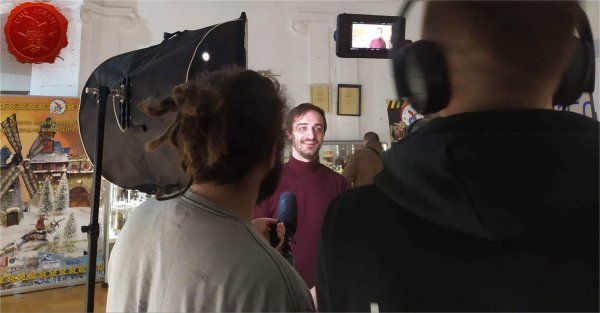
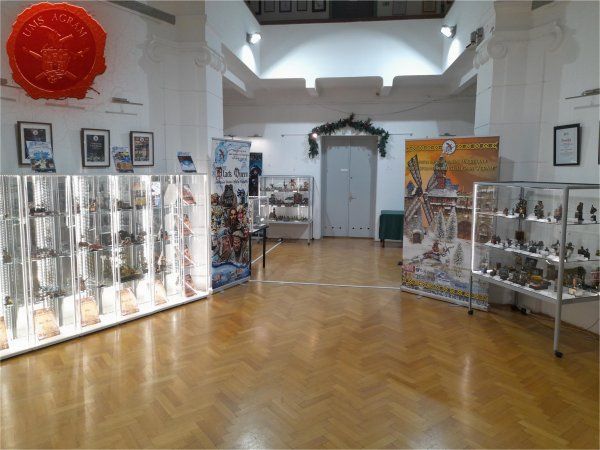
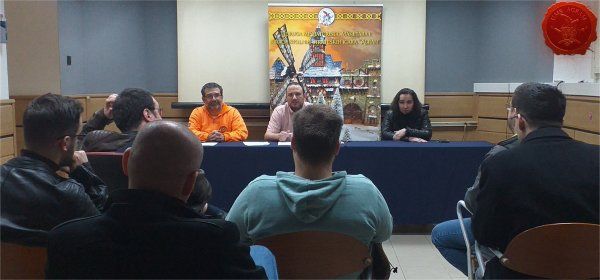
In addition, during the Exhibition, we also held a session of the UMS "Agram" Assembly.
BLACK QUEEN HOBBY AND MINIATURE PAINTING COMPETITION 2023
During the weekend of 25.-26.02. as a part of the Exhibition, we held our 16th annual Black Queen Hobby and Miniature Painting Competition!
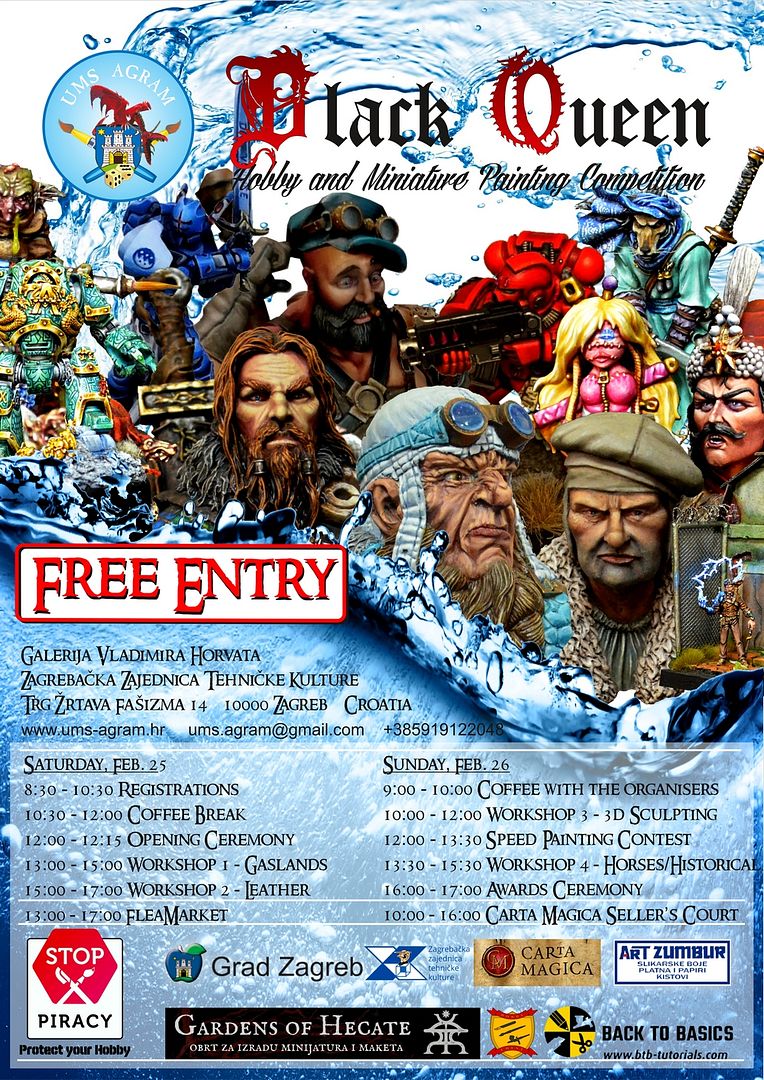
We have kept the changes in the format of the registration process. Contestants had to register via email. Then they were given the exact time when they should come for registration (Saturday from 8:30 to 11:00). This limited the number of people at the scene at the same time.

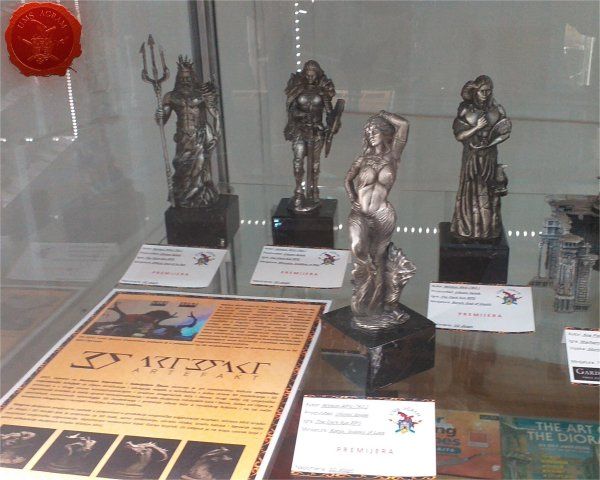
This year we've had two guest exhibitors. The first one was Winton Afrić with his project Artefact. Four of his digital sculpts were premiered at out Exhibition that were a part of a commission for The Dark Eye RPG by Ulisses Spiele.
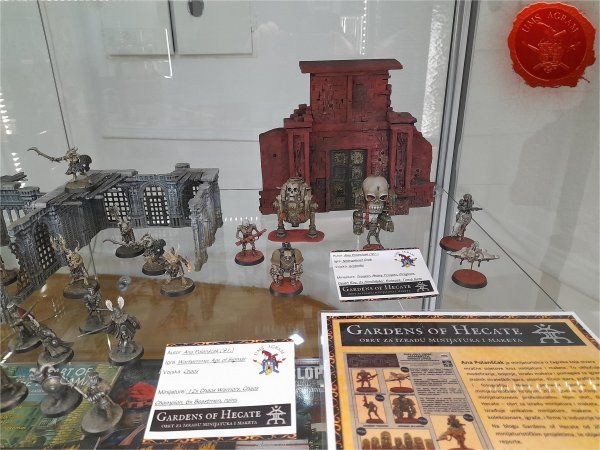
The other guest was Gardens of Hecate. A Zagreb-based craft run by Ana Polanšćak that specialises in making and painting custom miniatures, terrain as well as developing rules sets.
Painting Workshops/Demonstrations
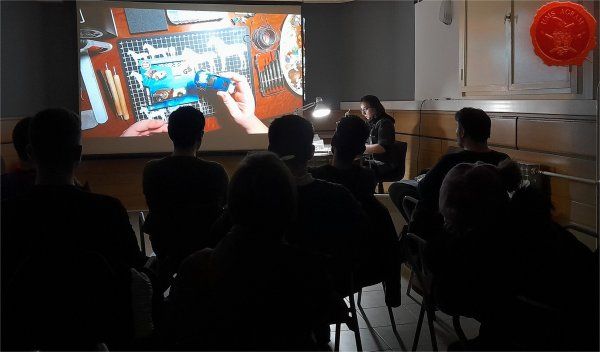
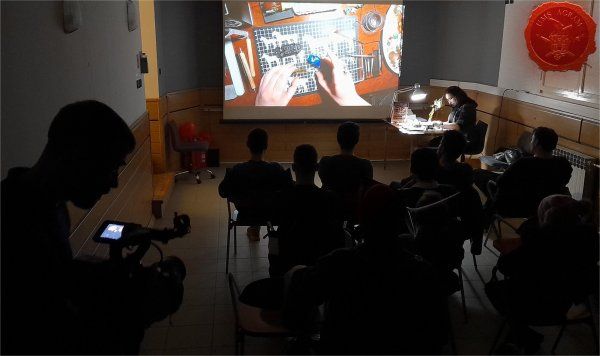
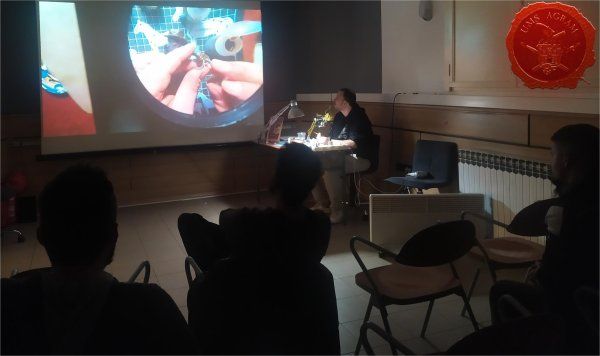
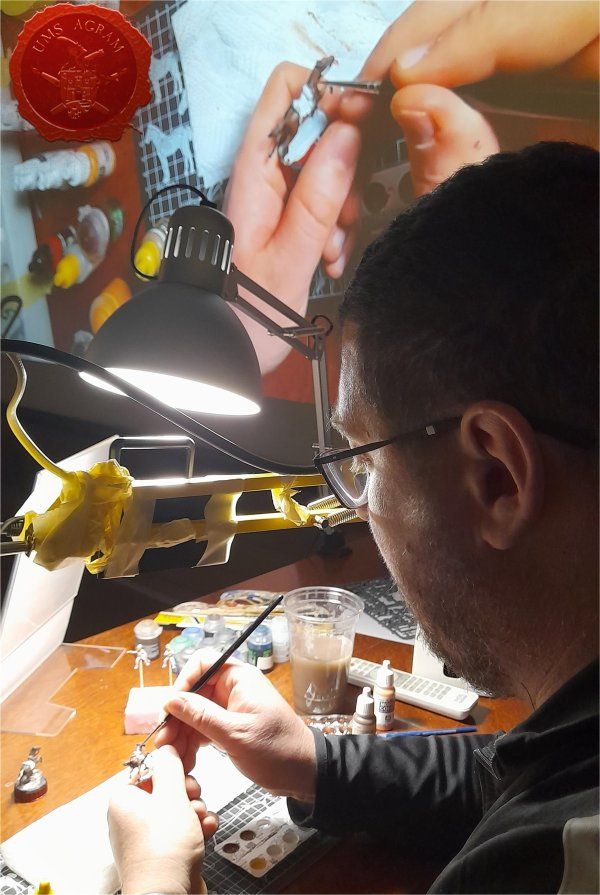
The layout of the venue at the Vladimir Horvat Gallery makes it possible to hold several workshops throughout the weekend. Therefore, there were two two-hour workshops on Saturday after the official opening of the competition and two on Sunday before the awards ceremony. This year, the workshops were held in the cinema hall in the basement of the venue. The tutor's work was filmed with a camera and projected on the projection screen in the hall.
GASLANDS KITBASH WORKSHOP
Date and time: Saturday 25. February 2023, 13:00-15:00
TUTOR:Ana Polanšćak
CONTENT:
The workshop demonstrated the conversion of diecast cars into figures for Gaslands - a tabletop game of vehicle racing and combat on a post-apocalyptic Earth. It included disassembly, surface preparation, and adding weapons, armor, damage, and other details.
LEATHER 101 WORKSHOP
Date and time: Saturday 25. February 2023, 15:00-17:00
TUTOR: Marko Paunović
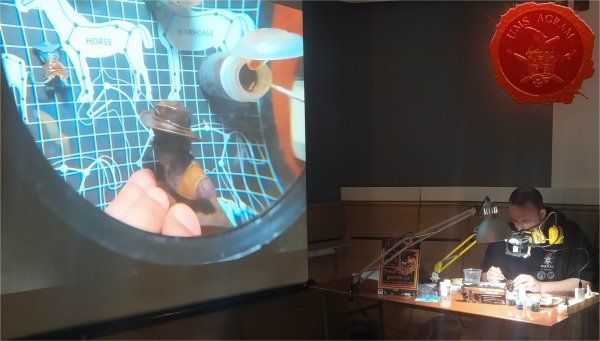
CONTENT:
The workshop covered different methods of painting leather surfaces, ranging from basic for tabletop and/or beginners up to advanced methods for painting busts and other display miniatures. The tutor has chosen several various miniatures/busts to show his creative process.
3D SCULPTING 101 WORKSHOP
Date and time: Sunday 26. February 2023, 10:00-12:00
TUTOR: Winton Afrić
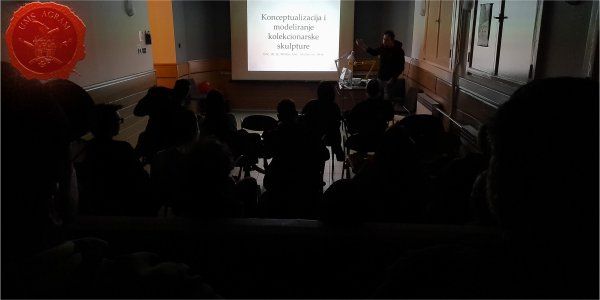
CONTENT:
The workshop covered the process of 3D digital sculpting, from the idea to realisation and preparation for casting.
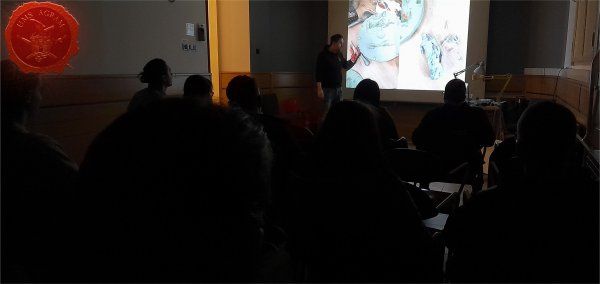
HORSES / HISTORICAL WORKSHOP
Date and time: Sunday 26. February 2023, 13:30-15:30
TUTOR: Dalibor Čavić
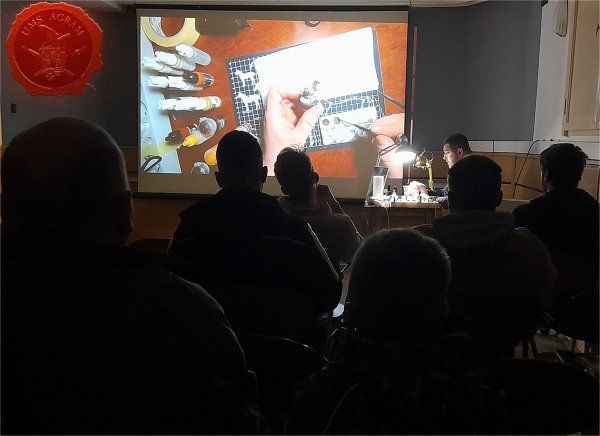
This workshop covered the process of painting 28mm cavalry historical miniatures. The tutor has chosen suitable Black Husars of Frederic the Great by Zvezda to explain the theory as well as practical application using various techniques like basecoating, washing, highlighting and detailing with acrylic paints.
SPEED PAINTING COMPETITION
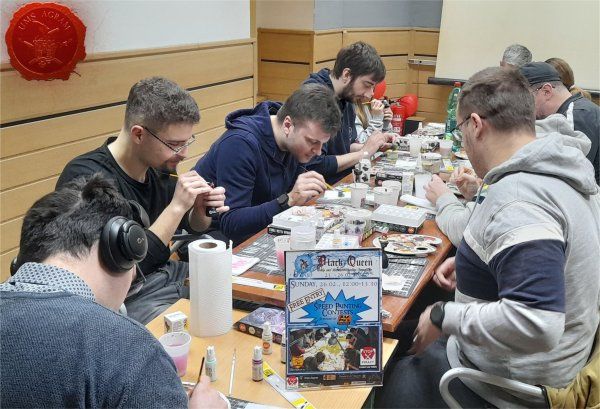
On Sunday afternoon, a competition in quick painting of miniatures was held. Participants had 90 minutes to color one miniature. Previous applications were also required. Thanks to ourš sponsor Hobby Chest, who provided us with a large donation of coloring materials from AK Interactive, we organized a quick miniature coloring contest according to the following rules:
- contestants have 60 minutes to color the miniature
- all contestants paint the same (same type) miniature
- we provided colors from AK Interactive
- we provided brushes from AK Interactive.
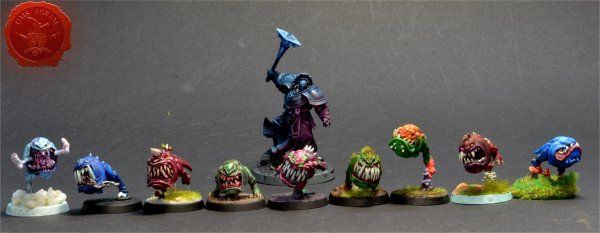
WEEKEND MINIATURE PAINTING WORKSHOPS
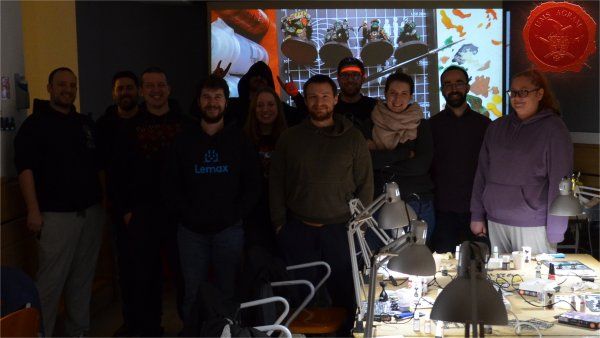
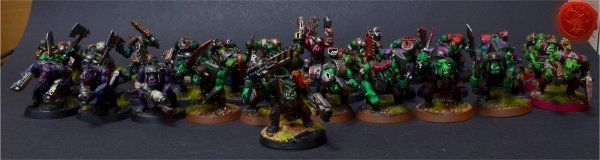
During the second weekend of the Exhibition, March 4-5, we organized a MINIATURE PAINTING WORKSHOP – Batchpainting Ork Boyz.
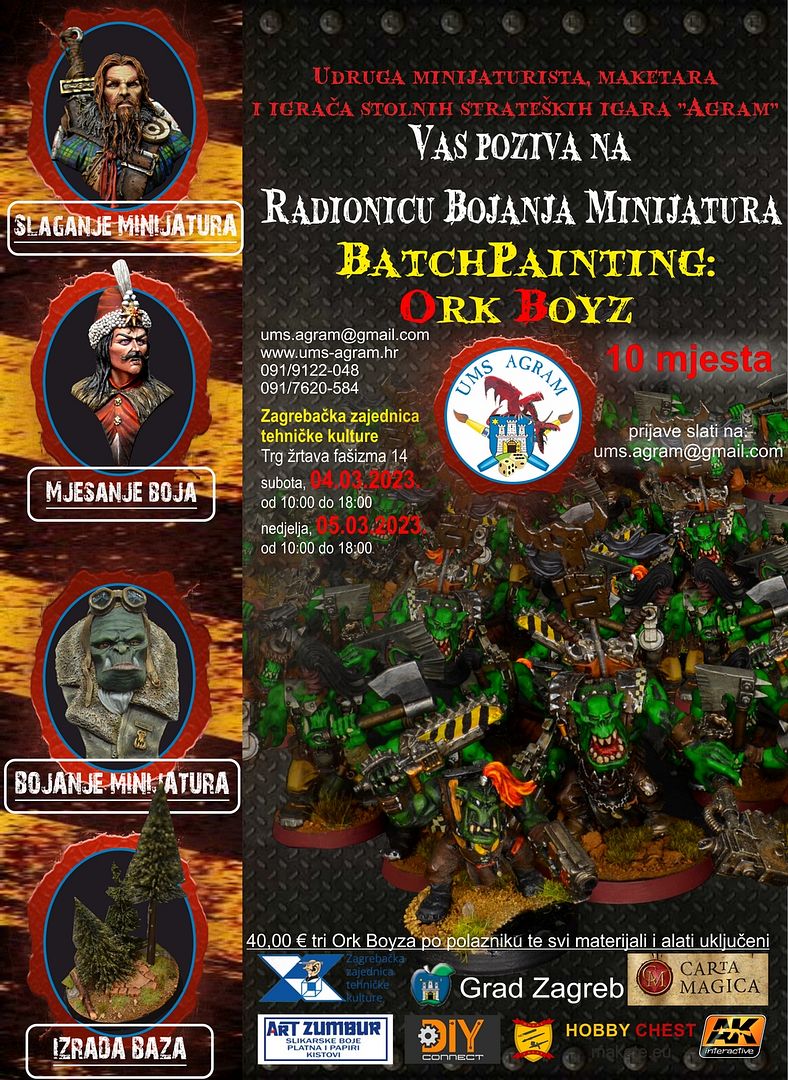
The workshop was held over two days (the whole weekend) and the participants painted Ork Boyz figures from the Warhammer 40,000 board strategy game. The focus of these lectures was coloring several miniatures at once, but the knowledge from the workshop is equally applicable to coloring armies for boardgames and a collection of figures for pen&paper rpgs. The workshop presented paints and accessories, preparation of figures, several techniques for coloring miniatures from basic to more advanced, and techniques and tricks for quickly and efficiently coloring large quantities of figures at once. As part of the workshop, water-based acrylic paints were used. The lectures were adapted so that the leader devoted equal time to all participants and could adapt to all categories of miniaturists (from beginners to slightly advanced).
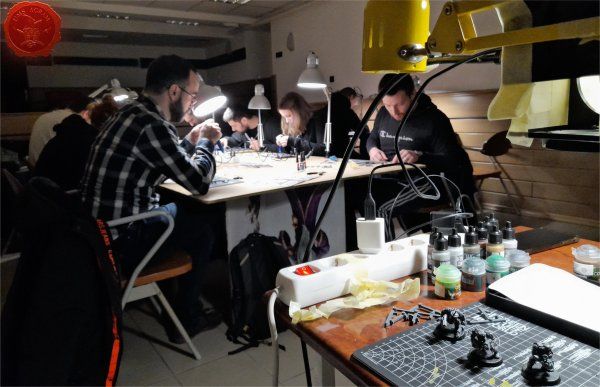
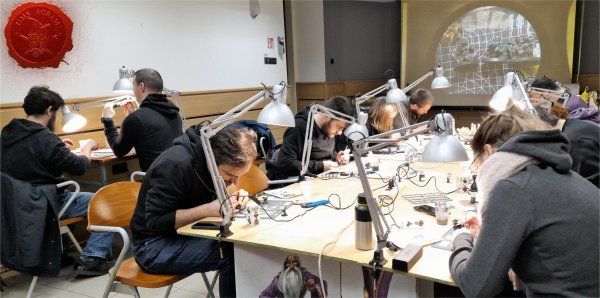
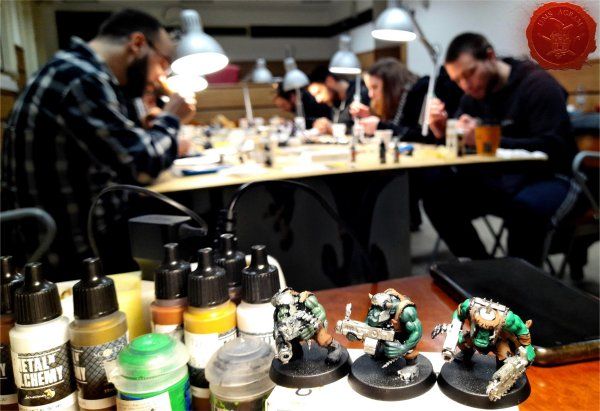
First, the lecturer sits at his desk and explains and demonstrates each step in painting a miniature/mockup on his specimen. His work is shown on a screen through a camera and projector, which the participants listen to, look at, and ask questions about. Afterwards, the participants sit at their desks and apply the acquired knowledge. Leaders circulate between participants and check how each participant is doing. In this way, they can be adapted to each student individually. The workshop included the following thematic units
1. Planning and preparation and assembly of miniatures 2. Processing of miniatures before painting 3. Basic colors 4. Shading and highlighting techniques 5. Batch Painting 6. Subsequent elevation of the finished paintjob to a higher level 7. Basing the miniatures
The association provided all the necessary materials and tools, lighting, scalpels, PVA and superglue, brushes of different sizes and one set of paints..
During the weekend, May 20-21, 2023, we held a new diorama-making weekend workshop called Vignette in a frame. Over the course of two days, the participants created a stage display of the haustor/entrance according to their own choice from about 10 offered designs, some historical and some fantasy / SF themes. The subject of the workshop was the creation of a diorama with elements of stone, wood, metal, concrete/plaster. In a frame with internal dimensions of 10 x 15 cm, they placed a representation of the entrance to a building.
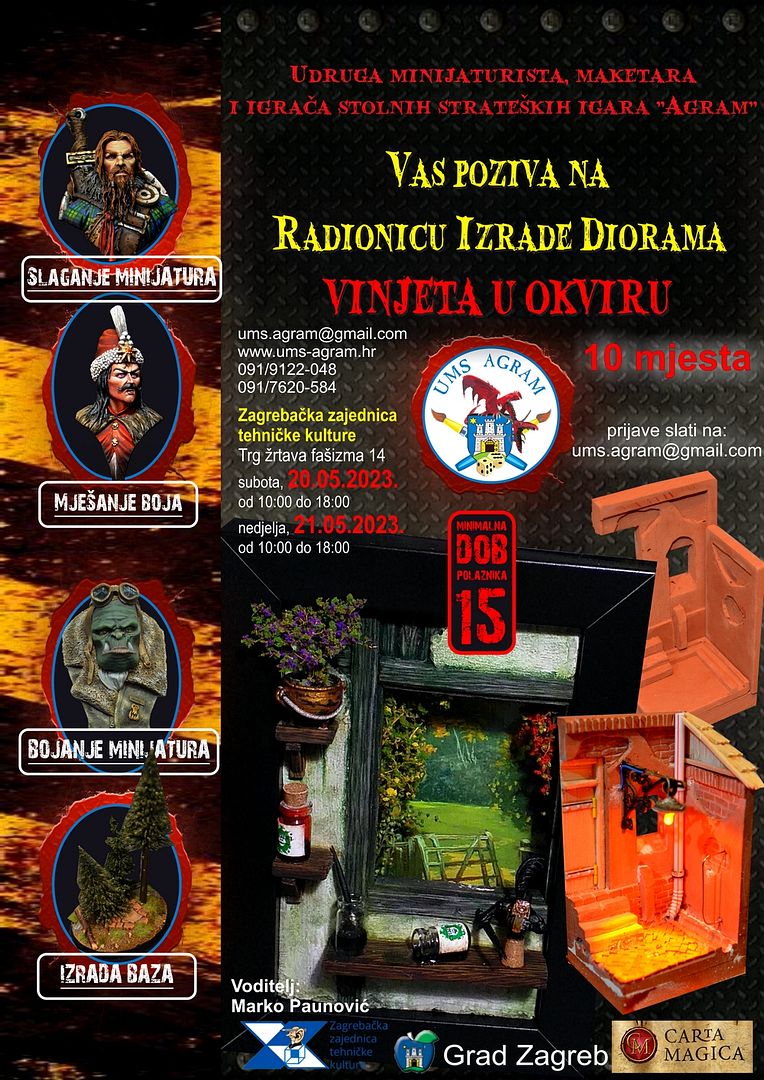
The main focus of these lectures was the creation of stage bases from easily available and cheap materials. Guided by this, the presenters chose/designed suitable bases placed in a fantasy/historical setting, which all participants made. The lectures were adapted so that the presenters devoted equal time to all participants and could be adapted to all categories of miniaturists (from beginners to slightly advanced).
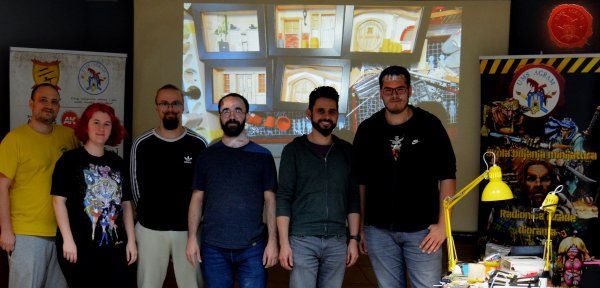
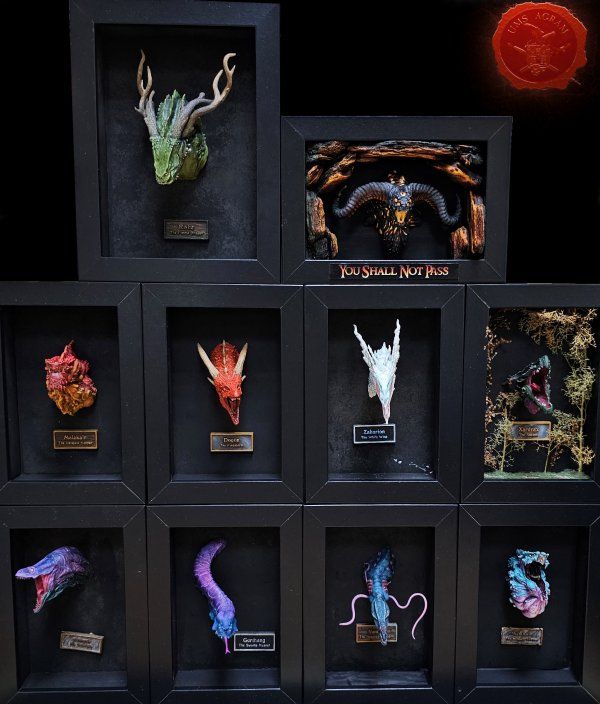
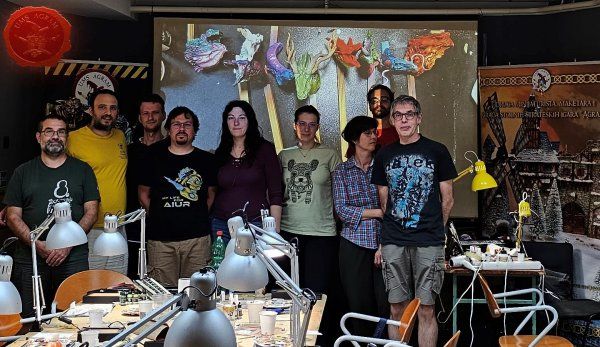
During the weekend, September 16-17, 2023, we held a new miniature painting weekend workshop called Busts of Dragons. Guided by this, the organizers chose suitable busts of dragons by the famous miniaturist Karol Rudyk, which all participants painted. Each attendee received a unique bust from his set of busts limited to 100 copies. As part of the workshop, acrylic paints were primarily used, but oil effects could also be used.
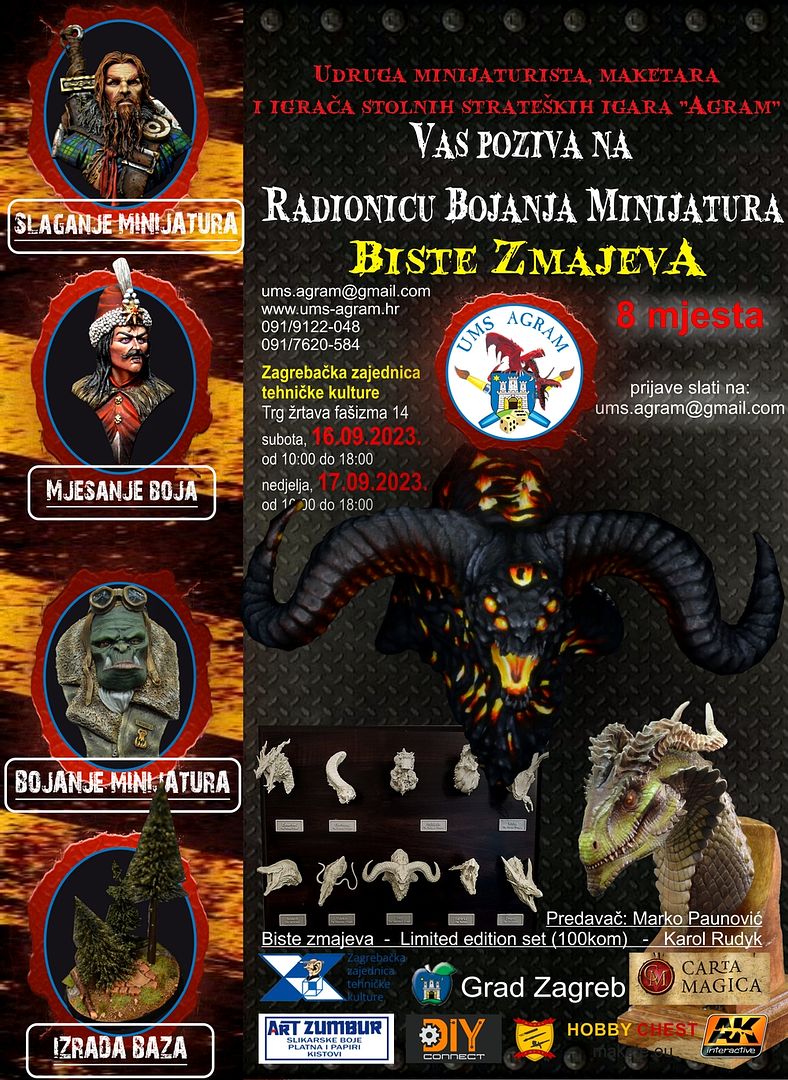
The participants learned how to properly prepare a resin figure/bust before painting, and then they made an inner base from balsa for the frame in which they placed their dragons at the very end of the workshop. This time, each participant could explore various effects at their own discretion through their coloring. The choice of "color scheme" or whether he wants to use OSL effects or anything else is up to the participant.

On our FB group Miniature Painters Croatia, we organized two online miniature painting competitions: Summer Painting Competition and Winter Painting Competition.
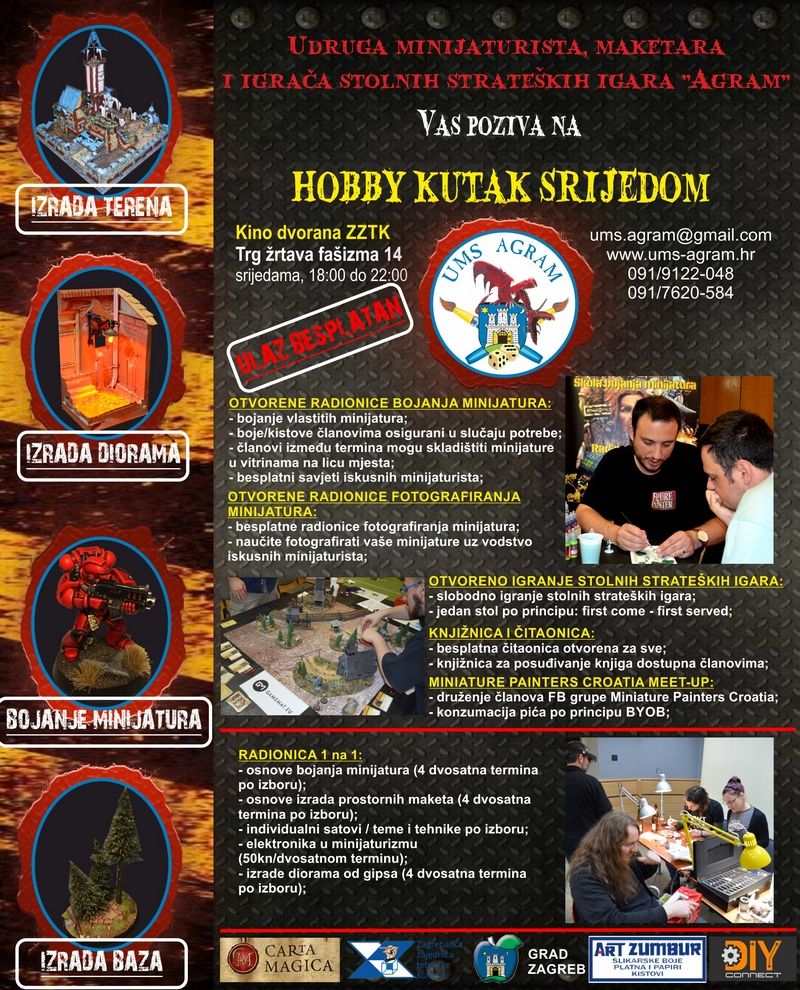
WEDNESDAY'S HOBBY CORNER
Hobby Corner on Wednesdays is designed as a sum of free activities in the space used by UMS "Agram" on Wednesday evenings. Most activities are open to everyone, with some benefits for UMS "Agram" members, such as storing miniatures in display cases between appointments or borrowing books from our rich Library.
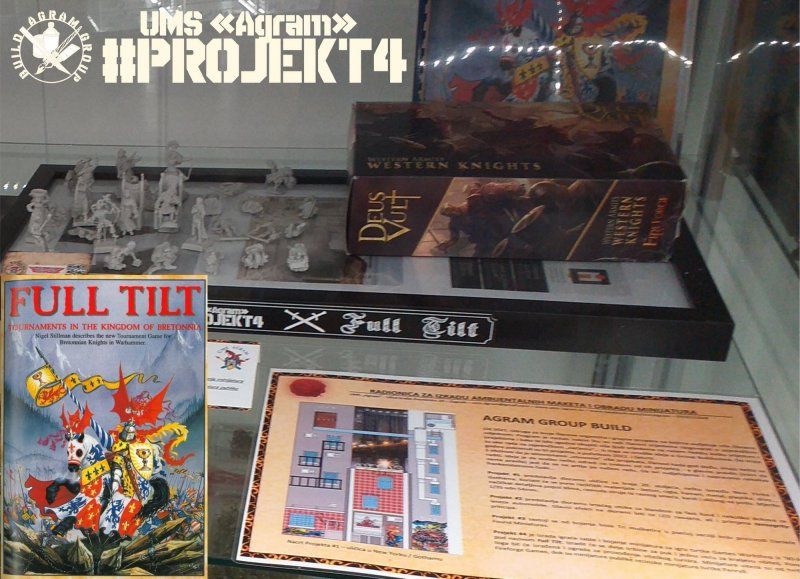
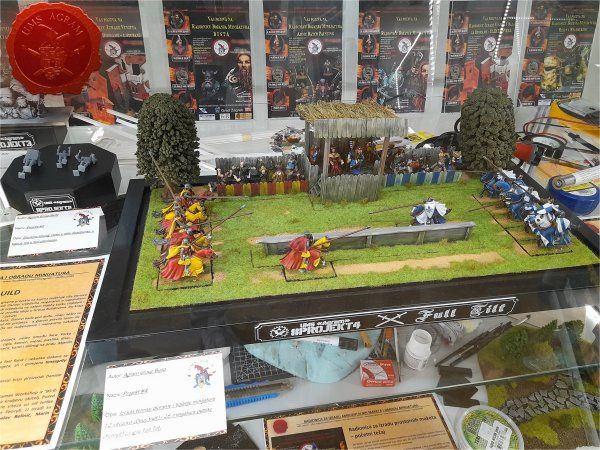
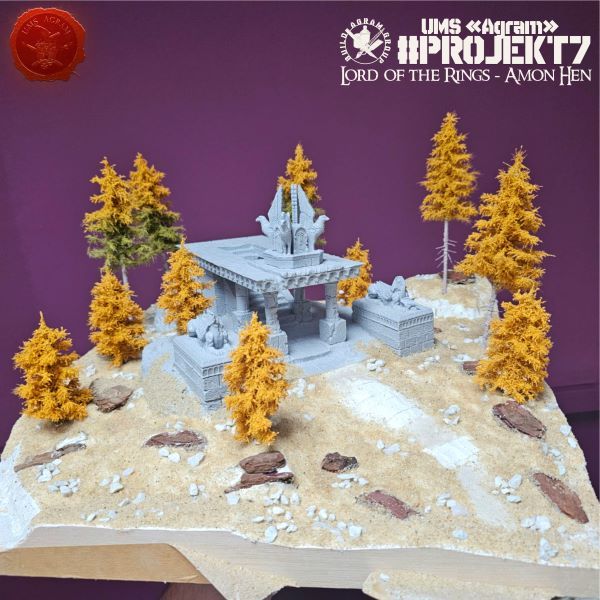
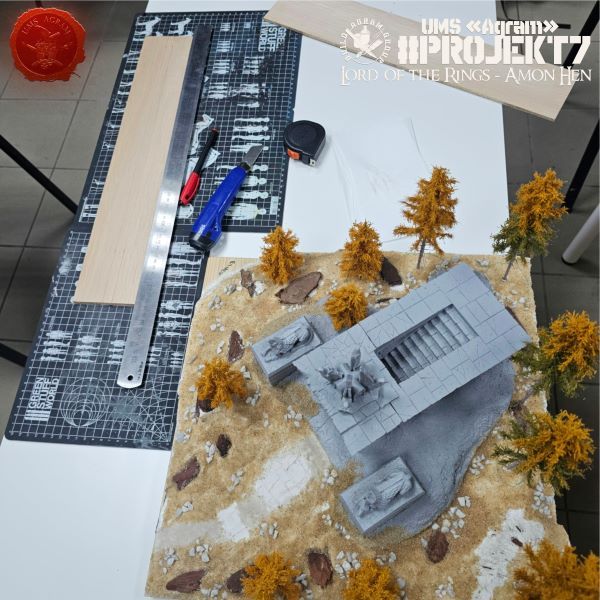
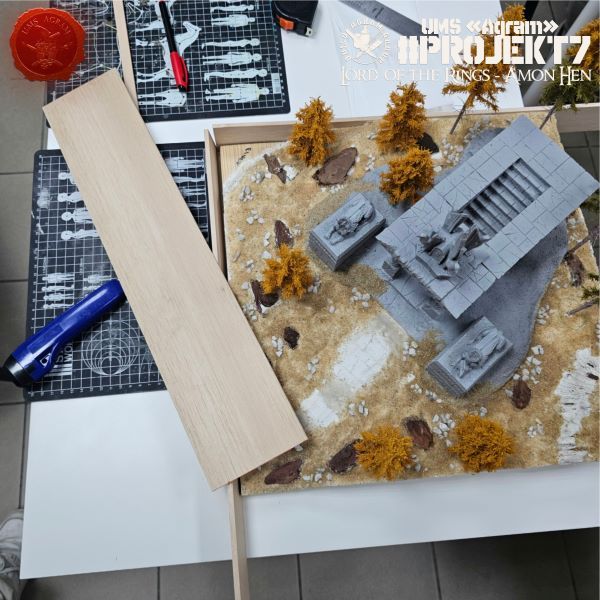
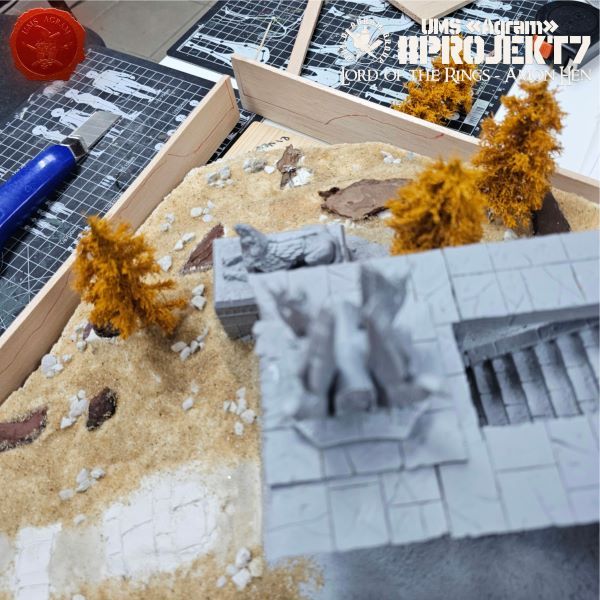
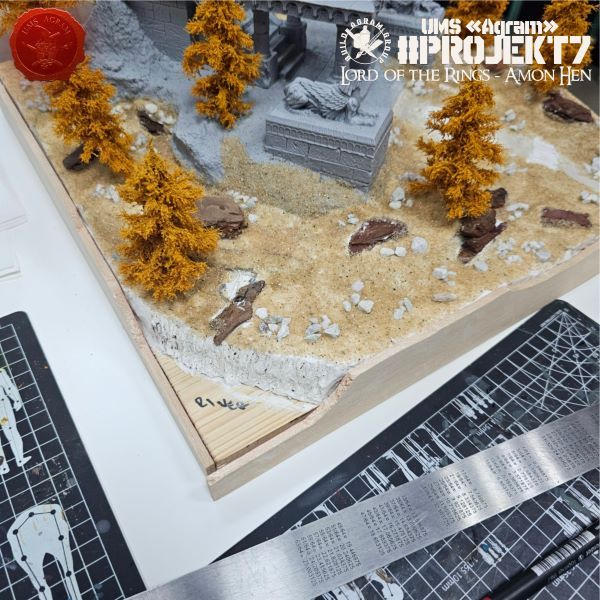
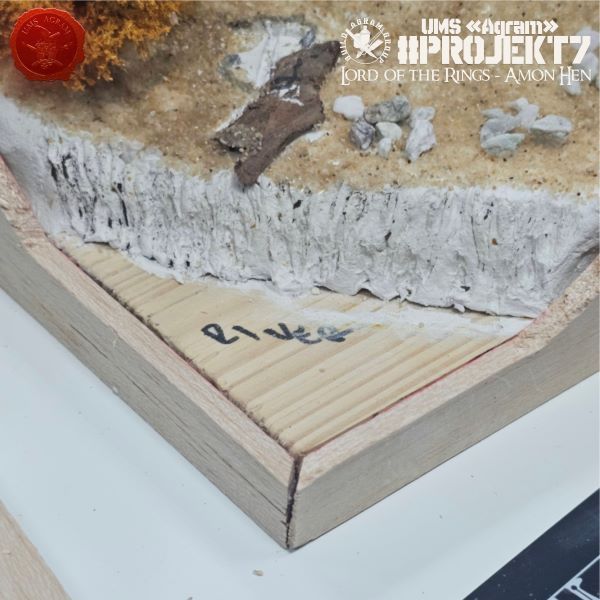
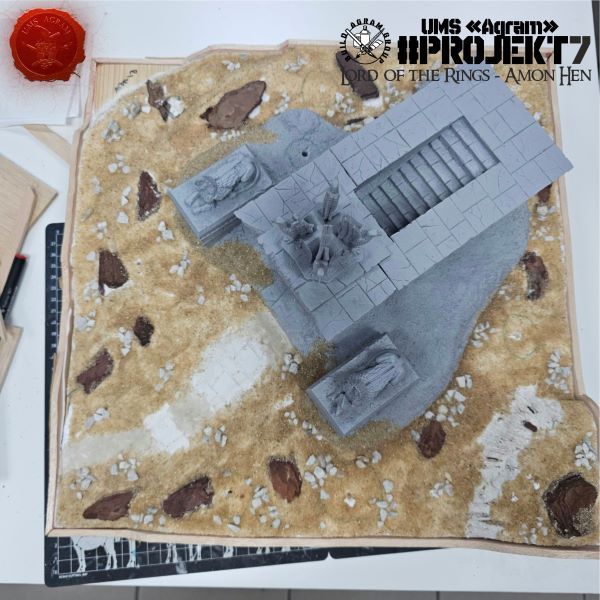
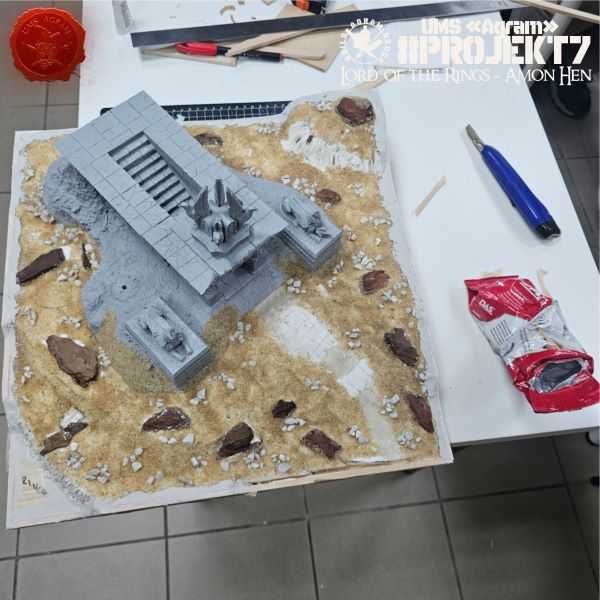
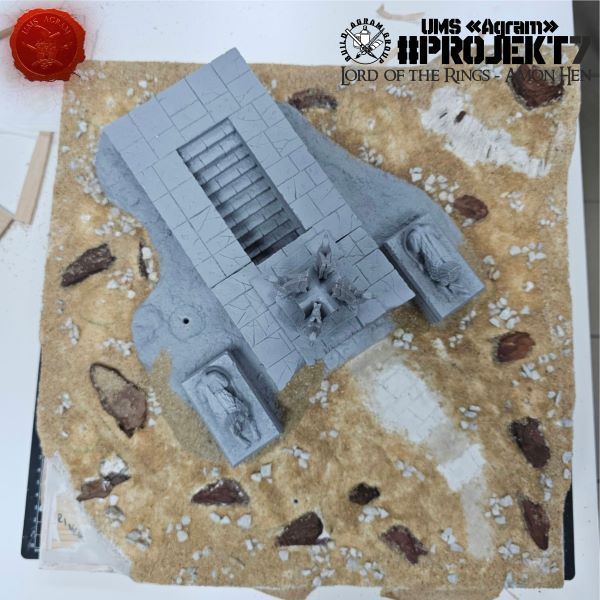
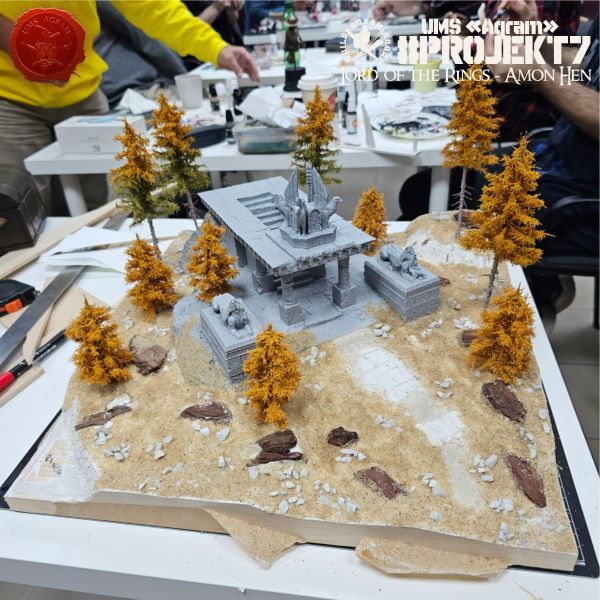
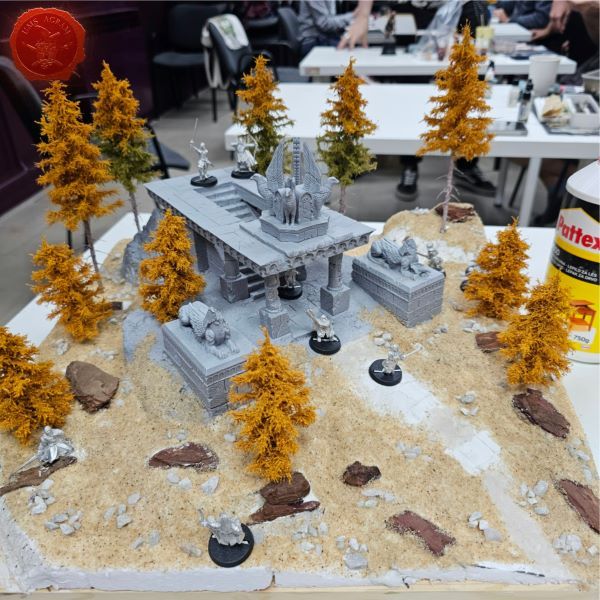
As part of this UMS "Agram" project called Agram Group Build, which was created after Kruno and Marko discussed joint projects on Wednesdays and how it would be cool to gather more people on Wednesdays to work on something together. From this, the idea of Group Builds was born. In 2023, the creation of the diorama / game board for the companion game Full Tilt from the 90s was completed.
ADVENT IN AGRAM
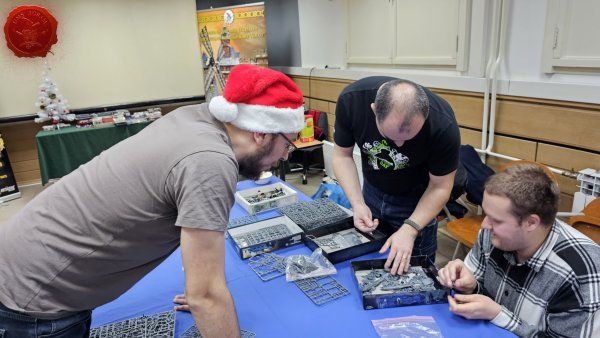
During November and December, we organized a program called Advent in Agram, which consisted of interactive workshops for making spatial models and shorter demonstration workshops during December. Interactive workshops mean that the participants make their own models according to the instructions and under the supervision of the leader. No registration is required for the sample workshops in December, and they consist of a number of separate topics that deal with modeling methods, effects and materials related to the winter period, such as making snow, ice and the like, which the lecturer demonstrates in class. As part of Advent, we organized:
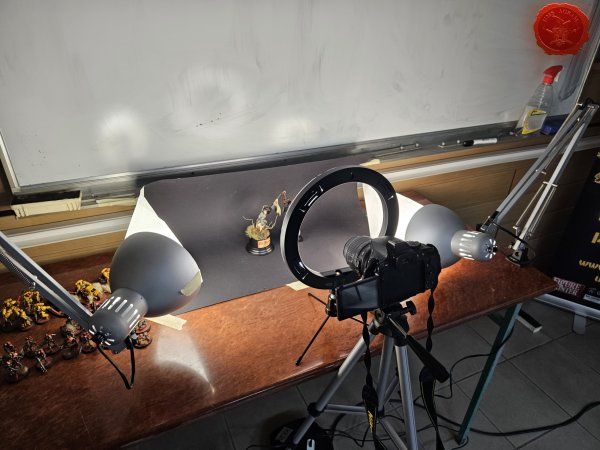
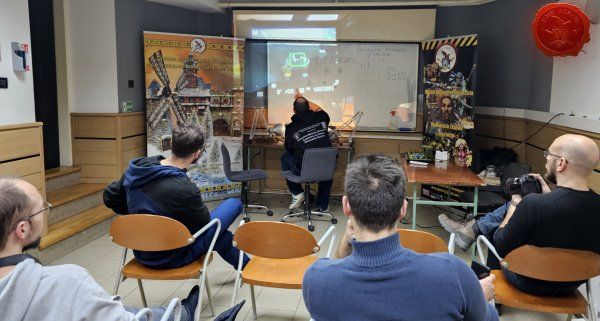
Miniature photography workshop
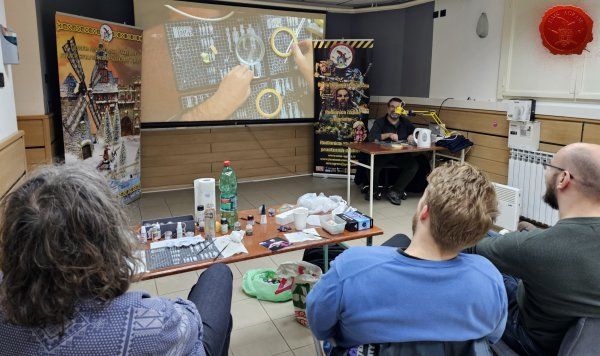
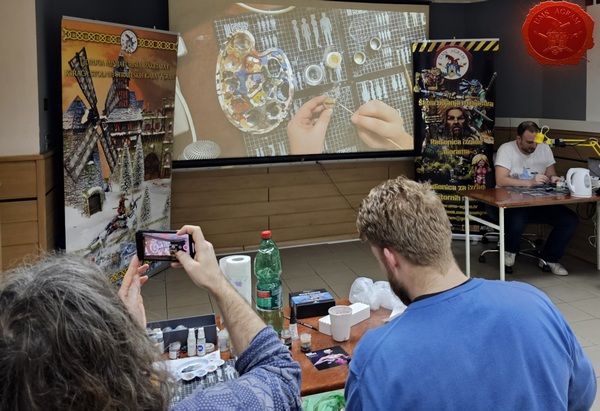
Demonstration workshops of modeling techniques (plasticard and pigments)
Award ceremony for the winners of our online painting competitions
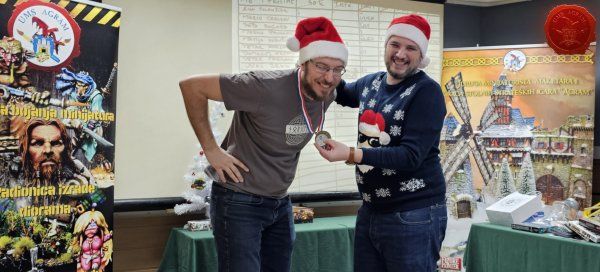
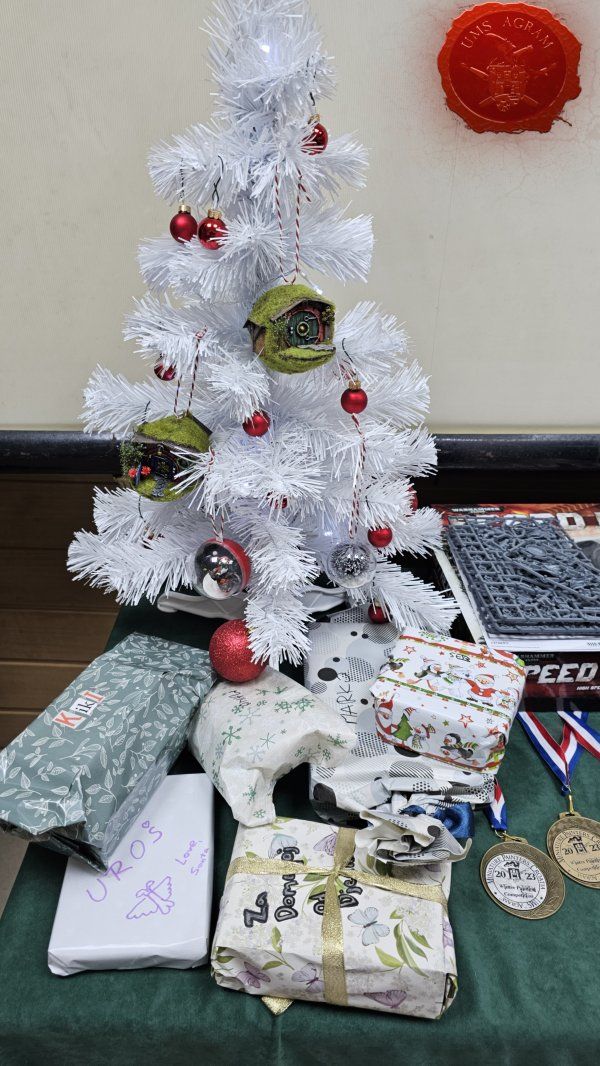
Secret Santa
Miniatures Fair
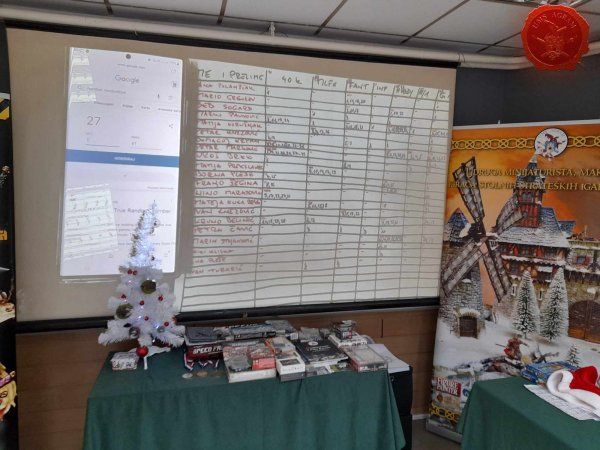
Tombola
AGRAM ARENA SUMMER – TURM2023
Turm 2023, part of Agram Arena Summer, organized by UMS "Agram" and Gardens of Hecate, took place in July 2023 in Zagreb.
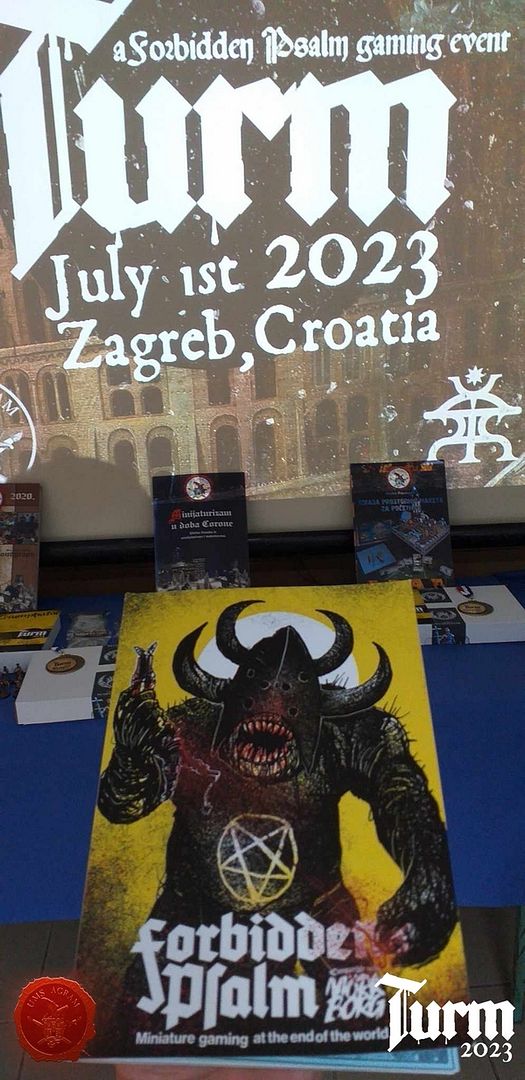
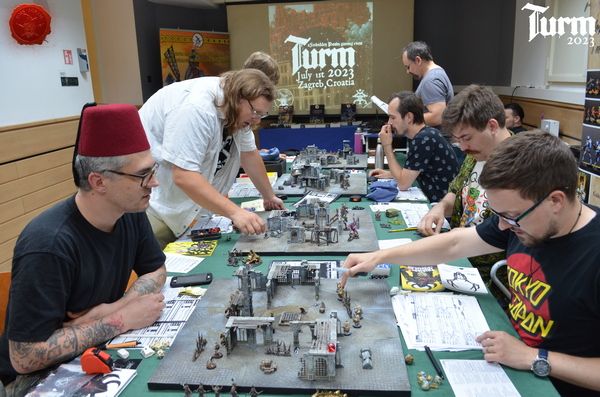
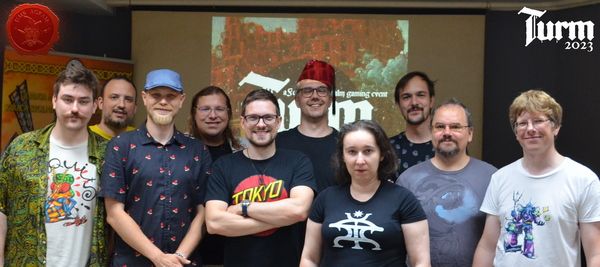
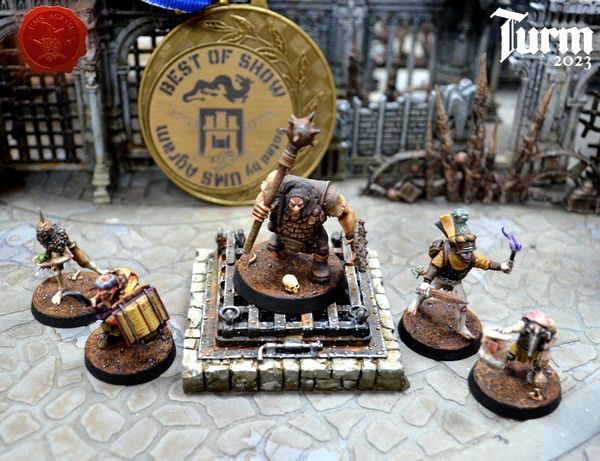
UMS "Agram" has a tradition of awarding the best painted models/armies at our events, which we couldn't miss at this visually stunning event.
APPEARANCES AT COMPETITIONS, CONVENTIONS, EXHIBITIONS AND OTHER EVENTS
On Saturday 13.5. Agram's delegation went to Slovenia to participate again in the model competition in Pivka. The 15th Svet v Malem festival was held again this year at the Museum of Military History in Pivka, and that environment again proved to be perfect for such a competition and gathering. This year's Festival of Miniatures SVM 2023 also left a good impression. Our Marko helped future partners from Back to Basics to hold workshops for the youngest!
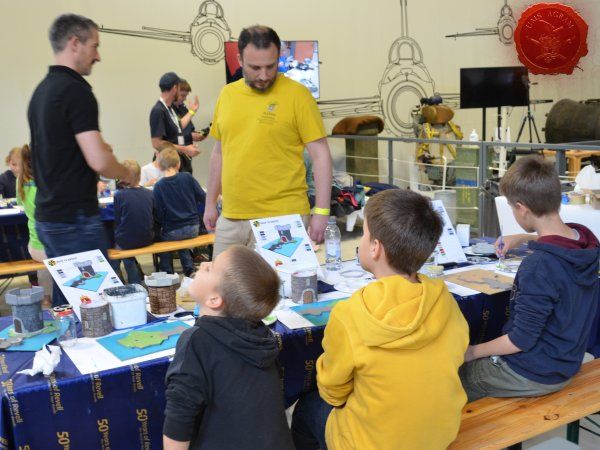
Under the auspices of the City of Zagreb, organized by the Zagreb Association of Technical Culture, the XII Days of Technical Culture were held on October 14, 2023. UMS Agram presented the work of our various programs such as Advent in Agram, Agram Group Build and UMS "Agram" Library and Reading Room. In addition to the presentations, we also organized two demo/exhibition workshops on making bases for miniatures for the Warhammer 40,000 tabletop strategy game
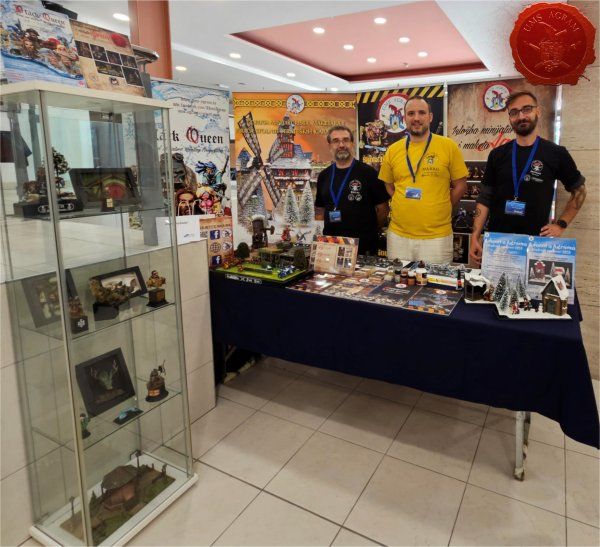
On Saturday 04.11.2023. Photo Video Show & ModelMania Zagreb took place at Hotel Academia in Tkalčićeva, starting at 10 a.m. UMS Agram presented the work of our various programs such as Advent in Agram, Agram Group Build and UMS "Agram" Library and Reading Room.
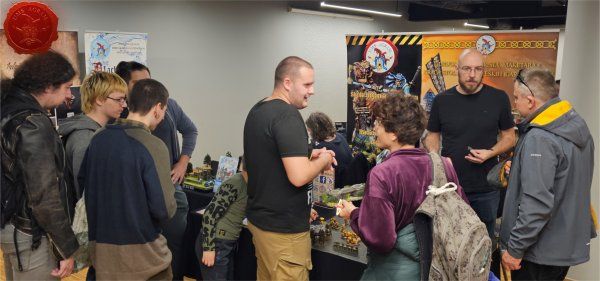
From 10.11. until 12.11.2023. we performed again at the gaming fair Infogamer by Reboot at the Zagreb Fair. In cooperation with our long-time sponsor Carta Magic, we held demonstrations of the basics of painting miniatures for interested fair visitors. For many, it was the first encounter with the miniaturist hobby and the world of board strategy games.
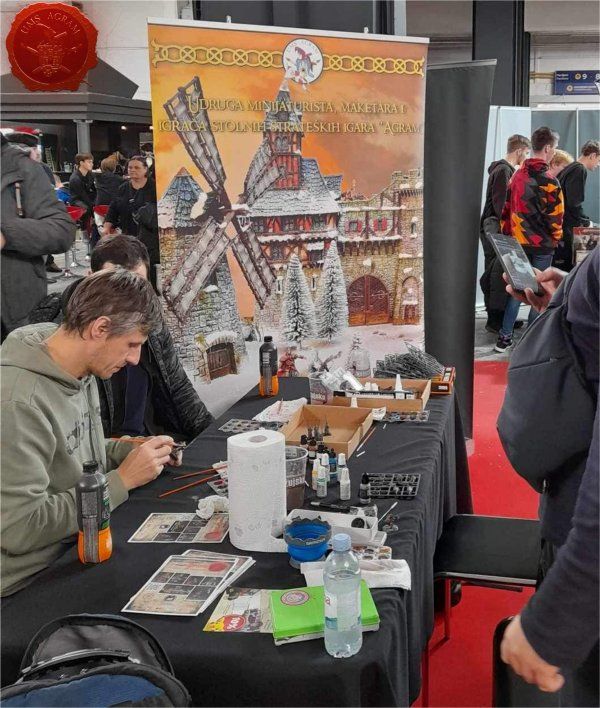
On Saturday 18.11. we visited the DP of Slovenia - model competition in Ljubljana. Our Ana met again with her Slovenian hobby friends who participated in our Turm 2023 in July. Luka and Vane held wargaming demos as side content at the competition, which was an opportunity for some gameplay. They played a game of the tabletop game Forbidden Psalm: Last War.
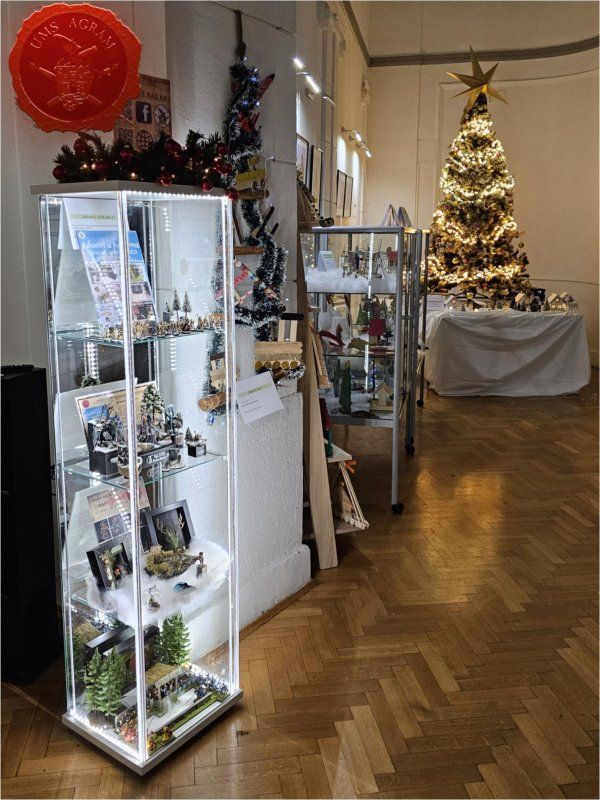
This year we also participated in the traditional Christmas exhibition of ZZTK, from 18.12.-08.01. in the Vladimir Horvat Gallery, Trg žrtava fašizma 14. At the Community's invitation, we gladly responded to participate in the Exhibition itself with our illuminated showcase full of winter-themed figures, as well as announcements of our programs for 2024.
VISITS TO EXHIBITIONS, COMPETITIONS AND OTHER EVENTS
As part of the Kup Zagreb model competition, on June 3 and 4, the 3rd solo exhibition of Roland Vlahović's model ships took place..
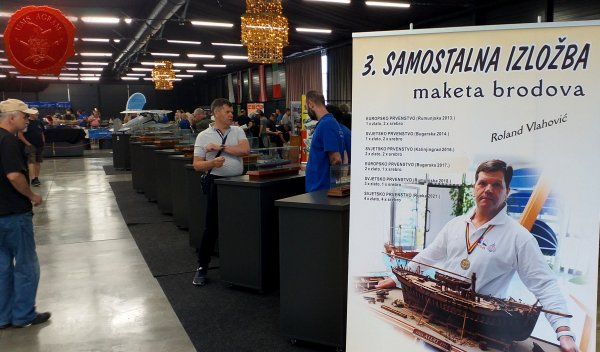
On the weekend of June 3 and 4, we visited (and competed in) the 18th model-making competition Cup Zagreb, organized by the Zagreb Model-Making Association. This time, for the first time at a mock-up competition in Croatia, the organizer decided on a two-day format that UMS "Agram" has been using in its competition since the beginning of 2007.
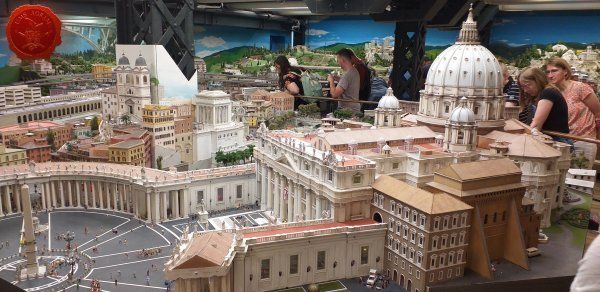
According to the Guinness Book of World Records, Miniatur Wunderland, which means "miniature wonderland" in German, is the largest model railway in the world and is located in the historic Speicherstadt in Hamburg, Germany.
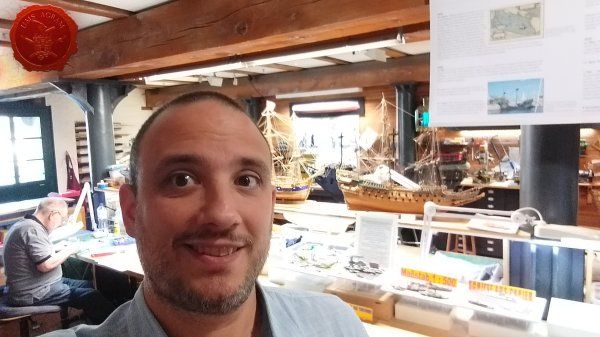
Internationales Maritimes Museum Hamburg, German for International Maritime Museum, is a private museum in the Speicherstadt (warehouse district) of Hamburg, Germany. The museum houses Peter Tamm's collection of model ships, building plans, uniforms and naval art, numbering more than 40,000 items and more than a million photographs. It was opened in a former warehouse in 2008.
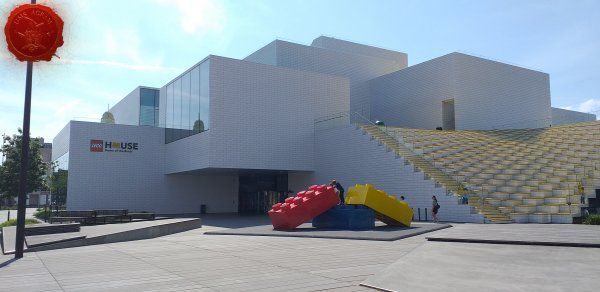
The Lego House is a 12,000 square meter building filled with 25 million Lego bricks in Billund, Denmark, located near Legoland and the headquarters of The Lego Group. It is also known as the Home of the Brick in reference to Billund, where Lego originates from. Visitors can experience a variety of activities during their visit, including physical and digital building with Lego bricks, programming robots and animating models. The center's visitor experience includes four experience zones, two exhibitions and the Lego Museum, which showcases the history of the Lego brand and company.
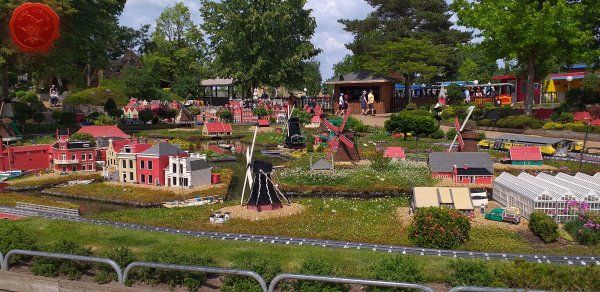
Legoland Billund Resort, the original Legoland park, opened on June 7, 1968 in Billund, Denmark. The park is located next to the original Lego factory and Billund Airport, the second busiest airport in Denmark. Since its opening, the park has been visited by over 50 million guests. This makes Legoland the biggest tourist attraction in Denmark outside of Copenhagen. Legoland parks that have since been built around the world are modeled after Legoland Billund, the most notable being the Miniland area, which consists of millions of plastic Lego bricks.
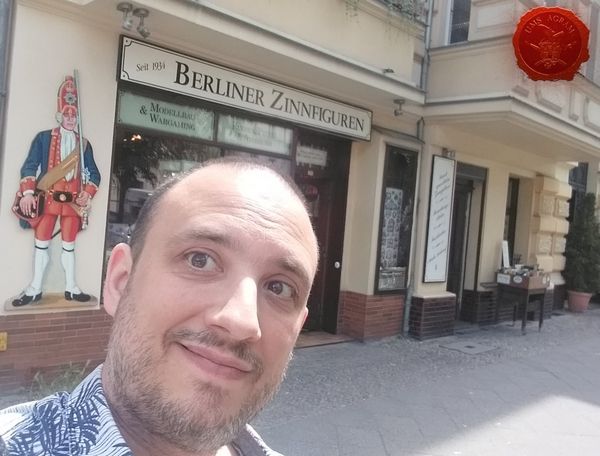
We also visited numerous model and hobby shops in Austria, Germany, Holland, Belgium, France and Italy...
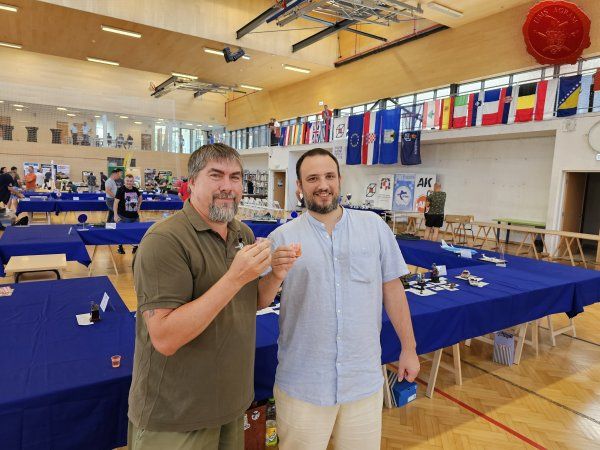
The second Saturday in September means a new edition of the Zagreb Modeling Cup CK 2023, organized by the HUVM, where we traditionally performed in "our" categories.
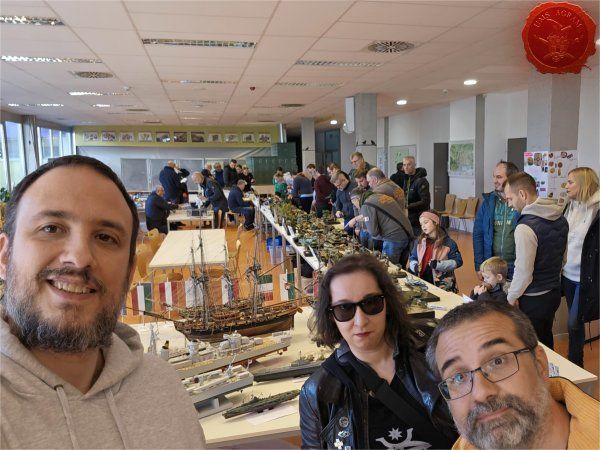
The ship model exhibition Rijeka 2023, organized by the Croatian Association of Ship Model Makers and the Center of Technical Culture Rijeka, which was held this year from October 9 to 20 in the educational and exhibition space of the Ship House at Strossmayerova 13B in Rijeka, was also the 28th national ship model competition. as well as the 15th Croatian evaluation exhibition of ship models.

On Saturday, 18.11.2023. in Ljubljana, the Slovenian National Championship in plastic modeling was held. Our delegation performed in several categories and in a wargaming demonstration.
ARTICLES IN MINIATURISM AND MODEL ART
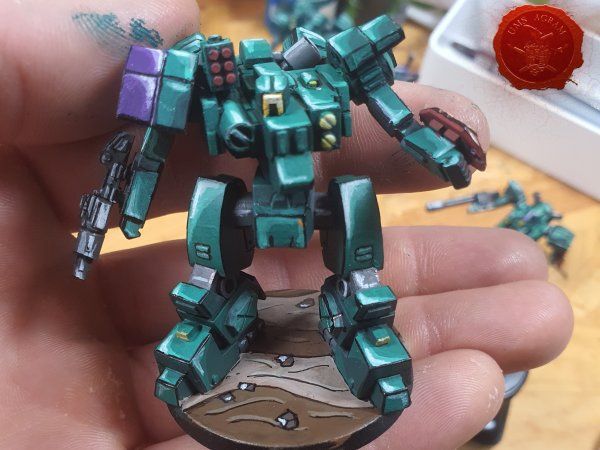
And finally, our most comprehensive program should be mentioned. The online publication of articles from miniatures and model making that started in 2020 continued in the following years and also in 2023 with over 50 published articles this year. We would like to thank all members for their efforts and efforts in making miniatures and mockups, but especially for taking the time to photograph work in progress and write articles for our site.
UMS "Agram" wishes you all the best in the new year 2024! See you next year!
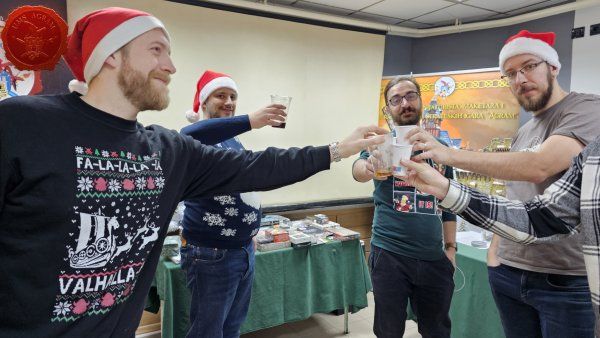
Latest articles
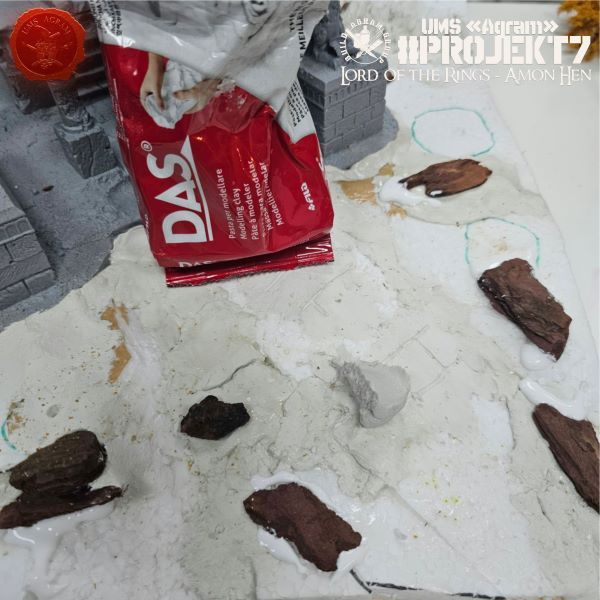
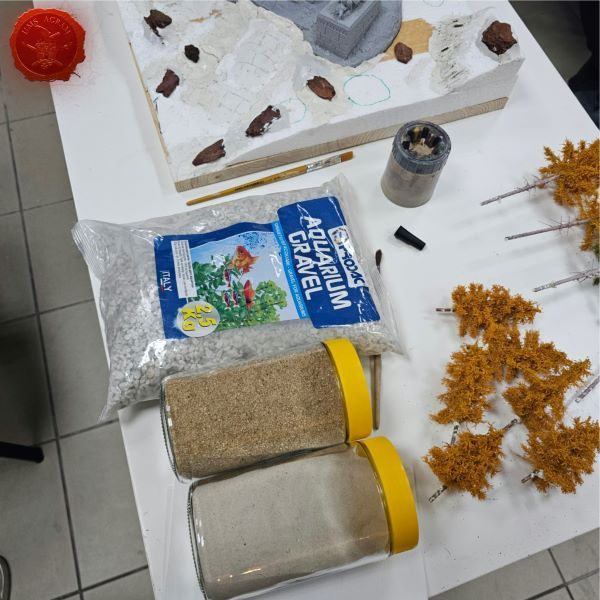
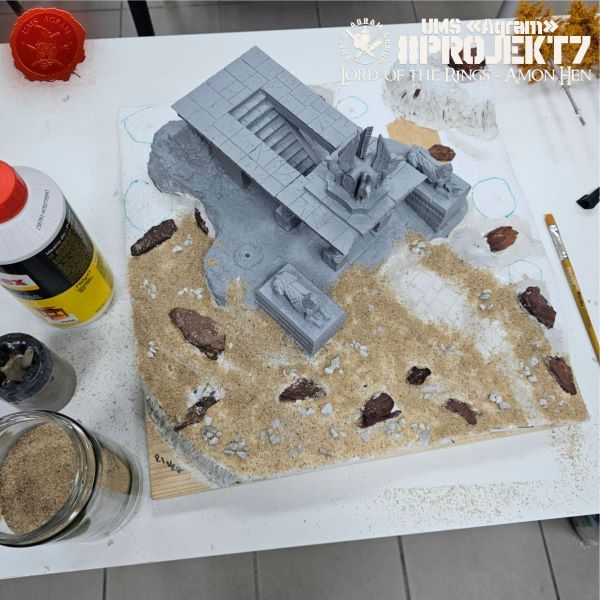
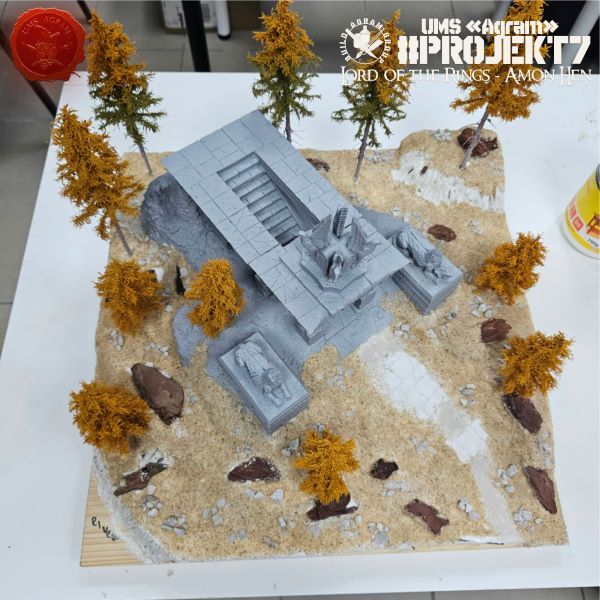
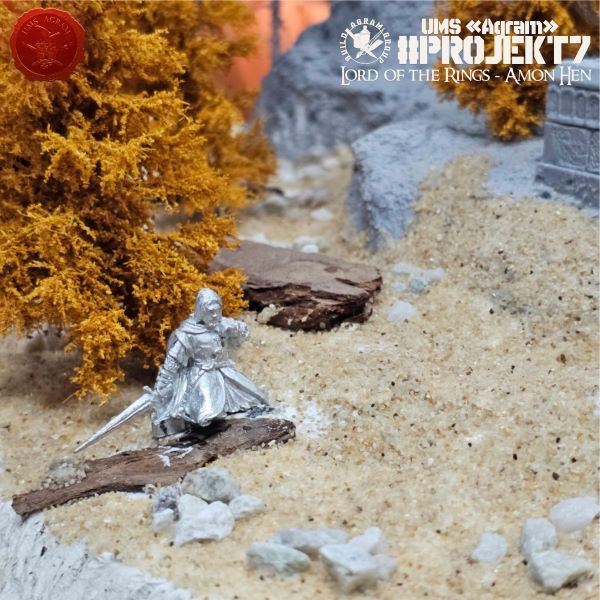
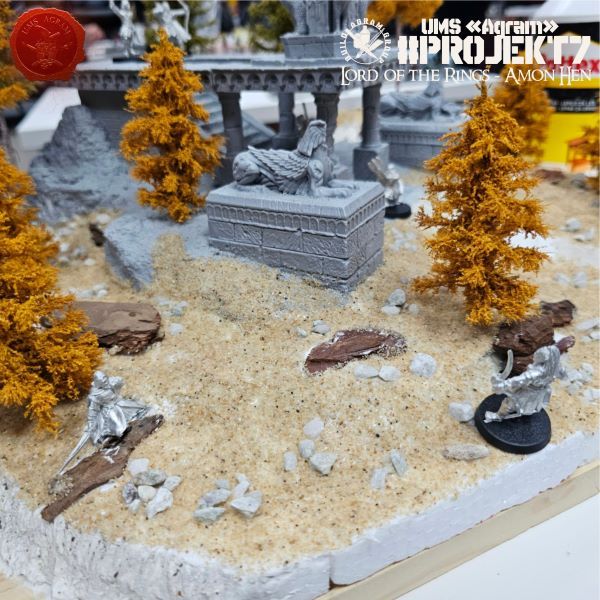
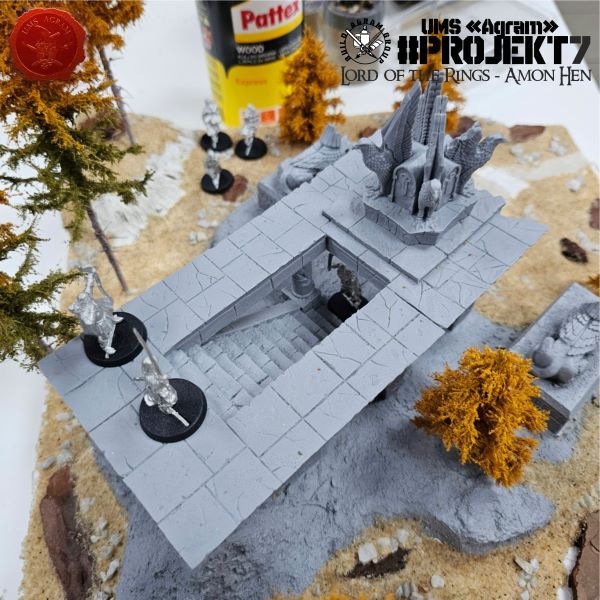
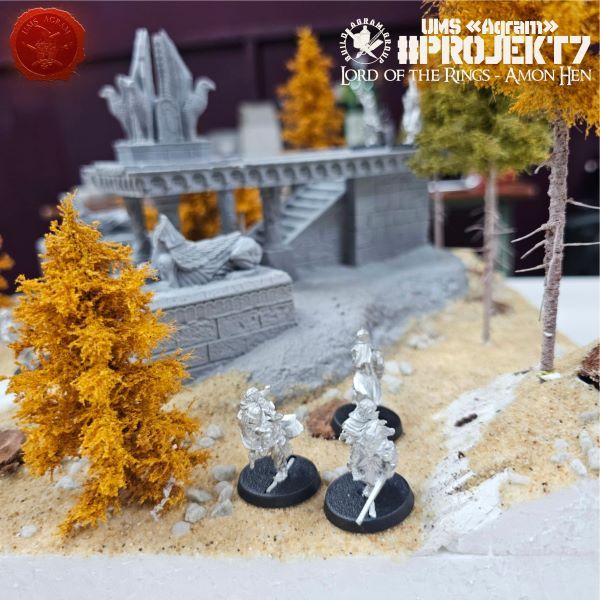
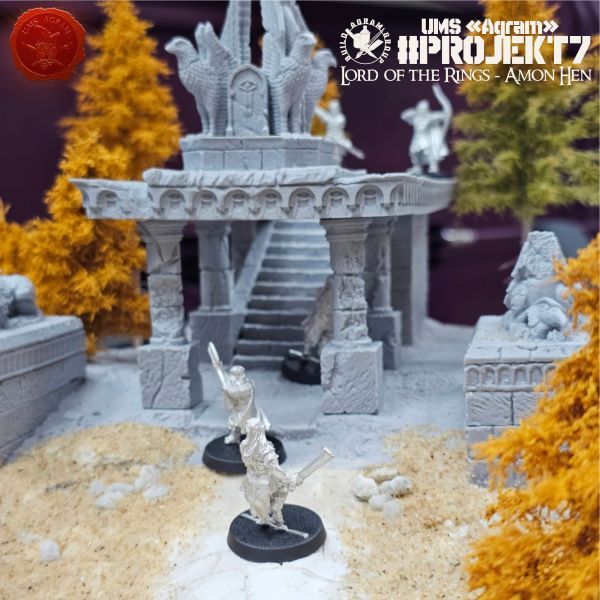
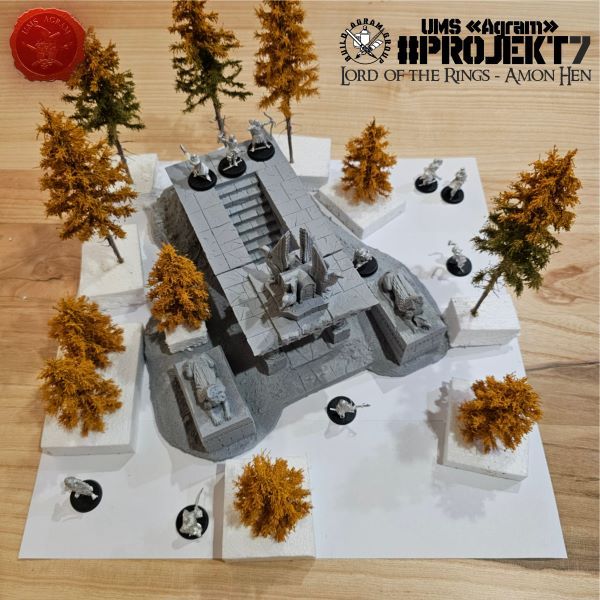
- Agram Group Build #7 – Amon Hen, pt.5 Krunoslav Belinić, 15th October 2026
- Agram Group Build #7 – Amon Hen, pt.4 Marko Paunović, 8th October 2026
- Agram Group Build #7 – Amon Hen, pt.3 Krunoslav Belinić, 1nd October 2026
- Agram Group Build #7 – Amon Hen, pt.2 Marko Paunović, 24th September 2026
- Signs for your plinths Marko Paunović, 24th September 2026




Latest battle-reports
- Kill Team - Blooded vs. Vespid Stingwings 28th February 2025, GW - Warhammer 40.000, and Antoni Pastuović (Imperial Guard)
- 22nd April 2022, GW - Warhammer 40.000, Borna Pleše (Space Marines) and Kristijan Kliska (Tau Empire)
- 17th November 2021, GW - Warhammer 40.000, and Nino Marasović (Space Marines)