Agram 2024 – A Year In Review
The end of this year 2024 has come, in which after the chaotic 2023, things have returned to normal again, and in which, in addition to traditional programs, we introduced two new programs and published two new books! The first program builds on the 2023 partnership with Back to Basics and consists of miniature coloring workshops for the youngest that we conducted in the City of Zagreb Libraries, while the second program is the Agram Lego Section. Read about all of this, as well as the two new books, below.
I n s t A G R A M
Another novelty is that since 2024, UMS Agram has its own Instagram profile . During 2024, we published around 150 posts and gathered almost 200 followers!
But let's go back to the beginning of the year, which, like every year, began with our traditional Exhibition...
E X H I B I T I O N O F M I N I A T U R E S A N D T A B L E T O P S C E N E R Y
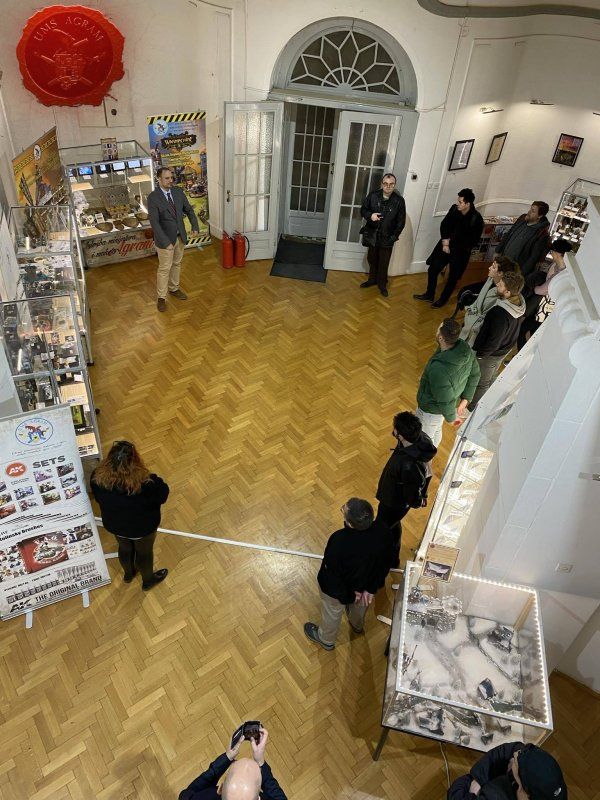
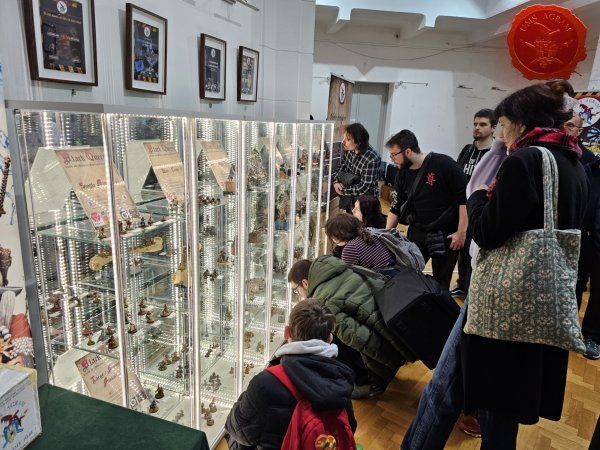
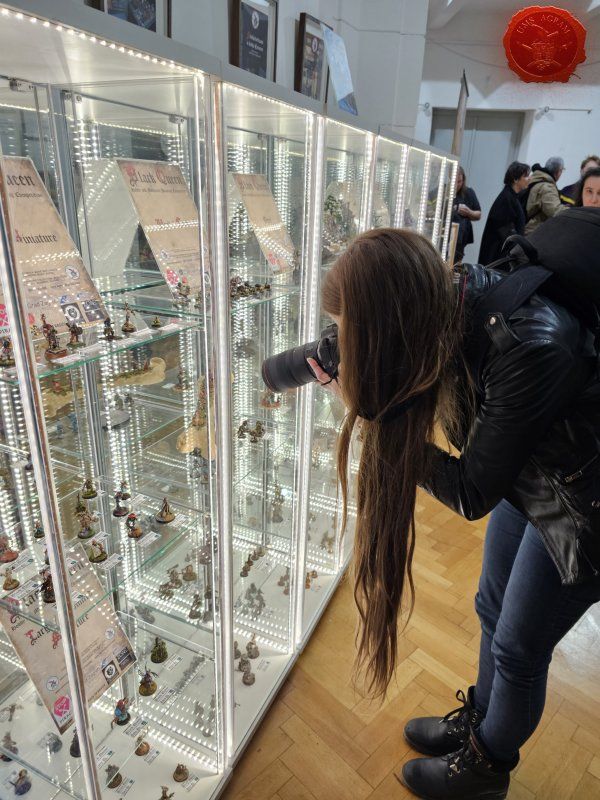
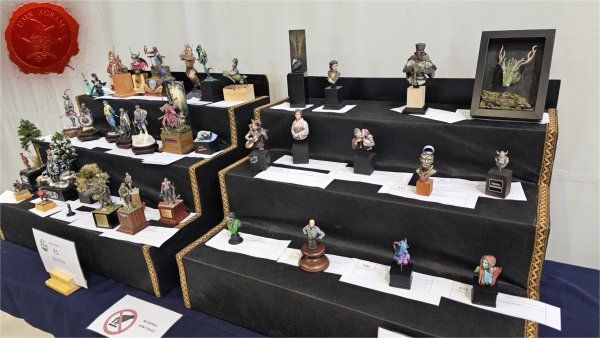
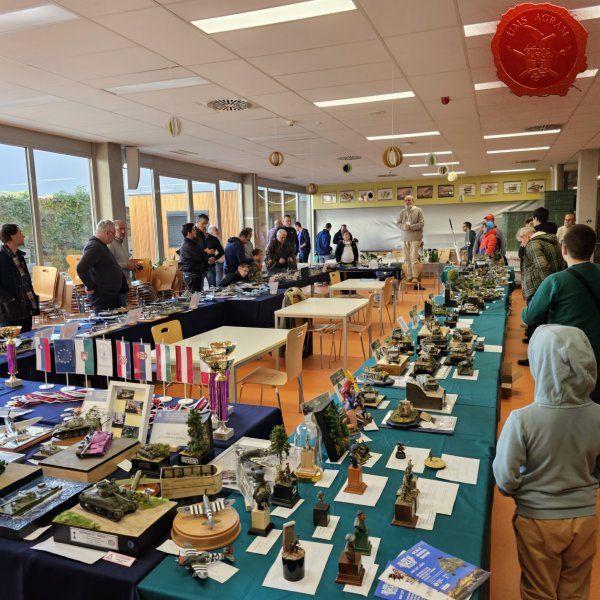
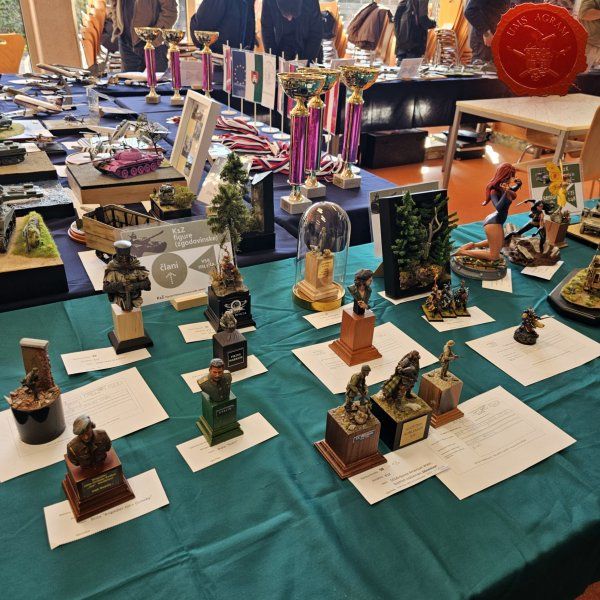
We started the year with preparations for our annual Miniatures and Models Exhibition, during which we also organized a weekend miniature painting workshop and, for the fifth time this term, our international miniature painting competition, the Black Queen Hobby and Miniature Painting Competition. As always, the Exhibition presented a cross-section of the work of the Association, its members, participants of its courses and workshops, and members of the Miniature Painters Croatia FB group. In a large number of showcases, there were numerous miniatures for tabletop strategy games, board games, and an entire showcase was dedicated to award-winning exhibits from previous miniature competitions. Several showcases were dedicated to projects that the Association has been implementing for 21 years, such as the UMS "Agram" Library and Reading Room, the Spatial Model Making Workshop, and the Miniature Painting Workshop. The works of our member Ana Polanšćak had a special place in the showcases.
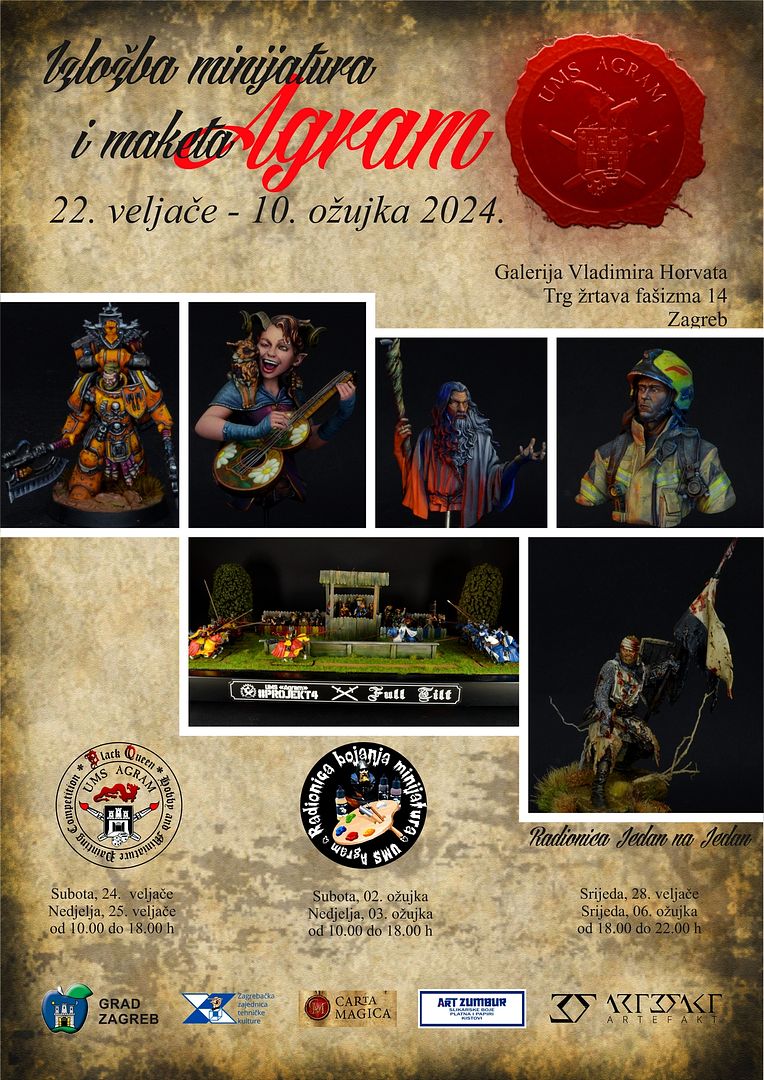
Exhibition of Miniatures and Tabletop Scenery Agram 2024 was held this year from 22.2. to 10.03. 2024. The exhibition was held on Wednesday 21.2. in the afternoon and was attended by a large number of members and friends of the Association who exhibited their works.
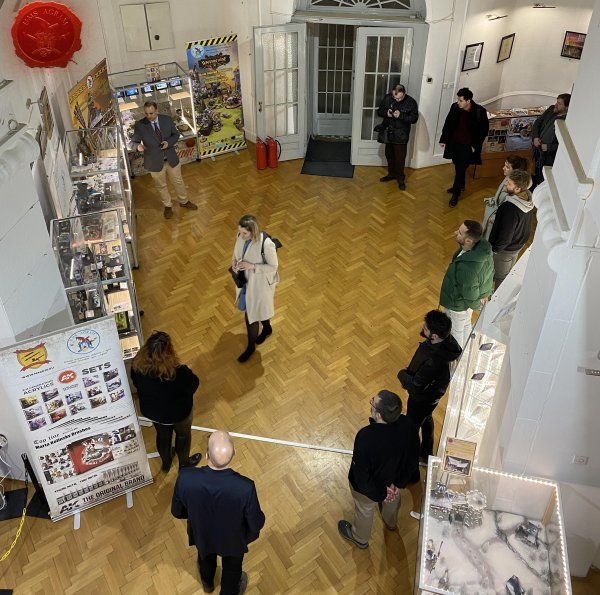
As always, the Exhibition presented a cross-section of the work of the Association, its members, participants of its courses and workshops, and members of the Miniature Painters Croatia FB group. A large number of showcases contained numerous miniatures for tabletop strategy games, board games, and an entire showcase was dedicated to award-winning exhibits from previous miniature competitions. Several showcases were dedicated to projects that the Association has been implementing for 21 years, such as the UMS “Agram” Library and Reading Room, the Workshop for Making Spatial Models, and the Miniature Painting Workshop.
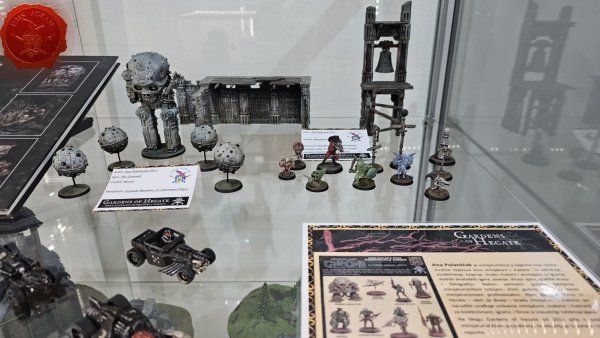
This year we hosted a special exhibitor, Gardens of Hecate. A Zagreb-based craft that makes and paints miniatures and terrains for tabletop strategy games.
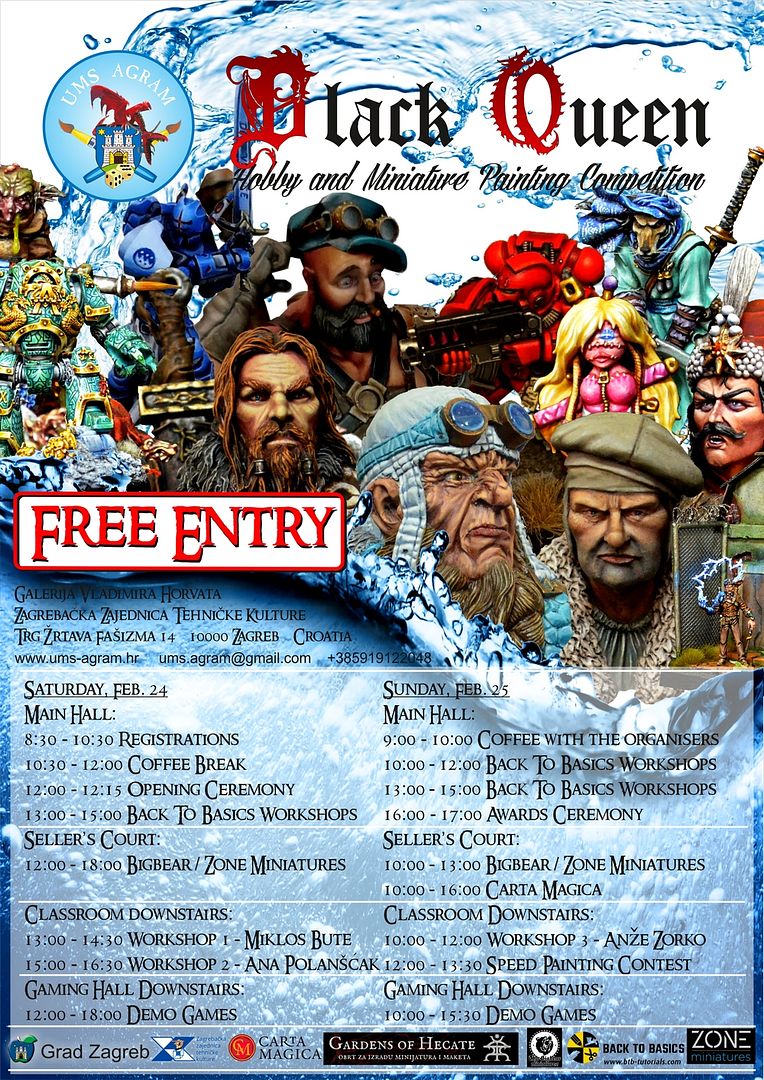
During the first weekend of the Exhibition, February 24-25, we held the 18th annual international miniature painting competition Black Queen Hobby and Miniature Painting Competition!
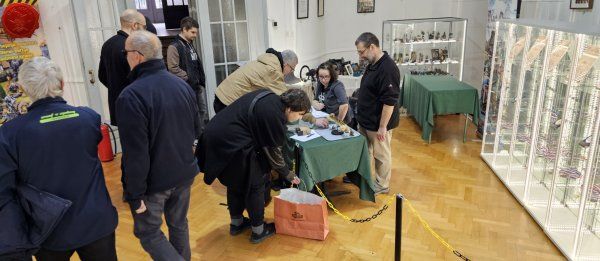
As contestants arrived and registered for the competition, our hardworking staff photographed all the exhibits before sorting them into categories and carefully placing them in glass cases.
WARGAMING DEMOS
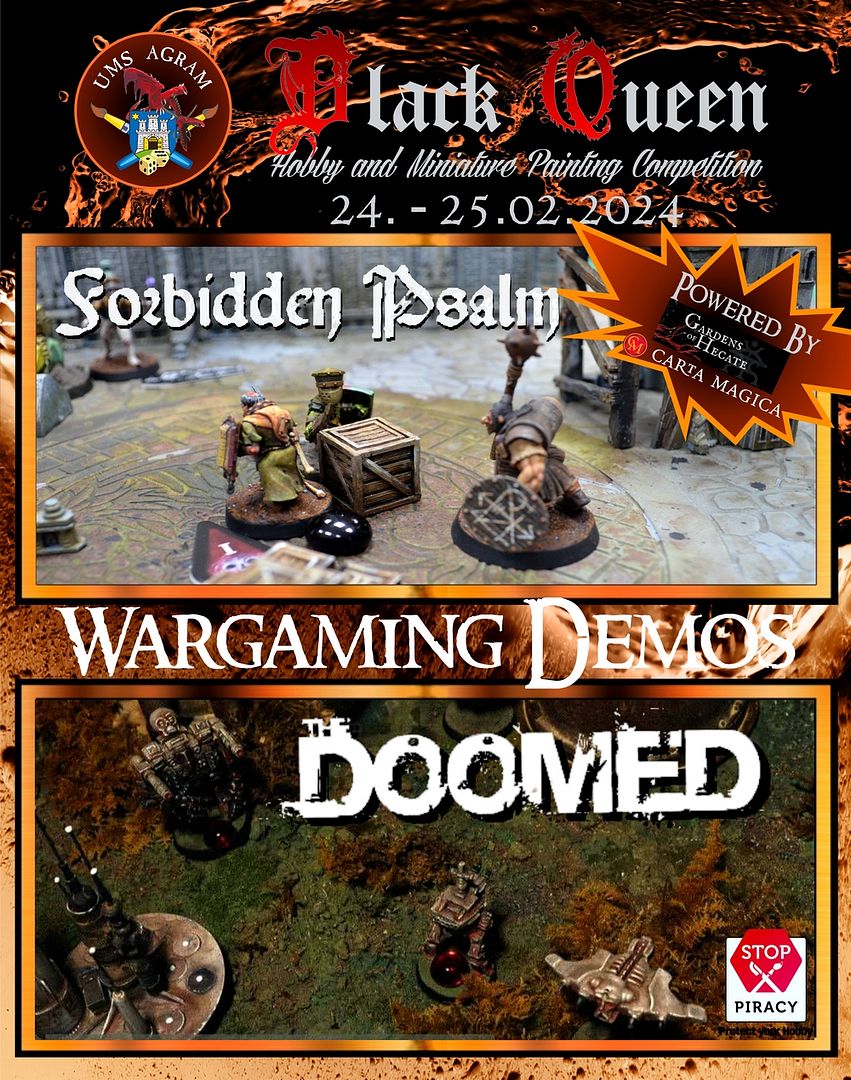
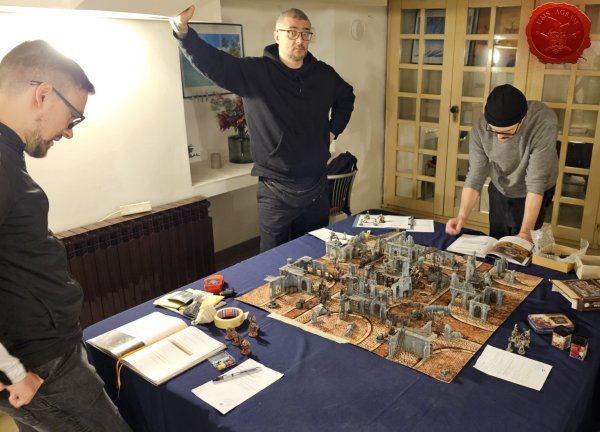
This year, for the first time, we organized demonstrations of the tabletop strategy games Forbidden Psalm and The Doomed. Over the course of both days, a handful of games were played on beautiful terrain!
SELLERS' COURT
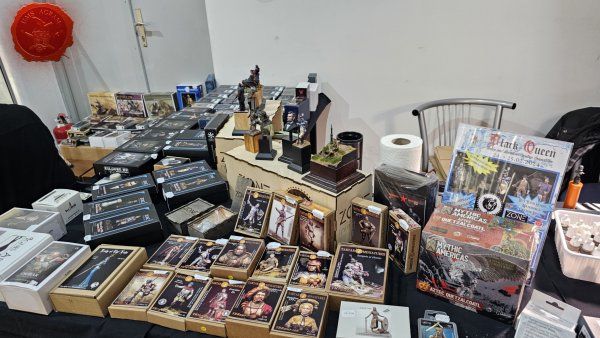
During the weekend our sponsors were present with their sellers' booths: The Bigbear Miniatures, The Zone Miniatures i Carta Magica.
MINIATURE PAINTING DEMONSTRATIONS
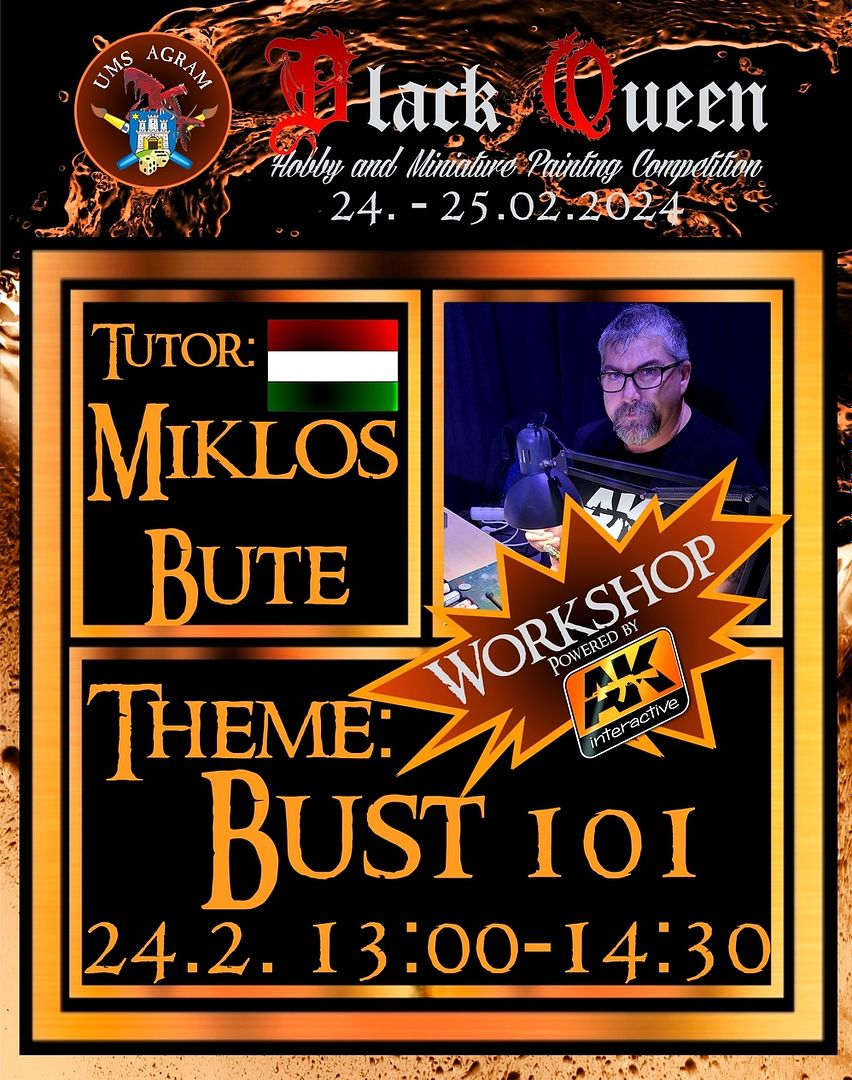
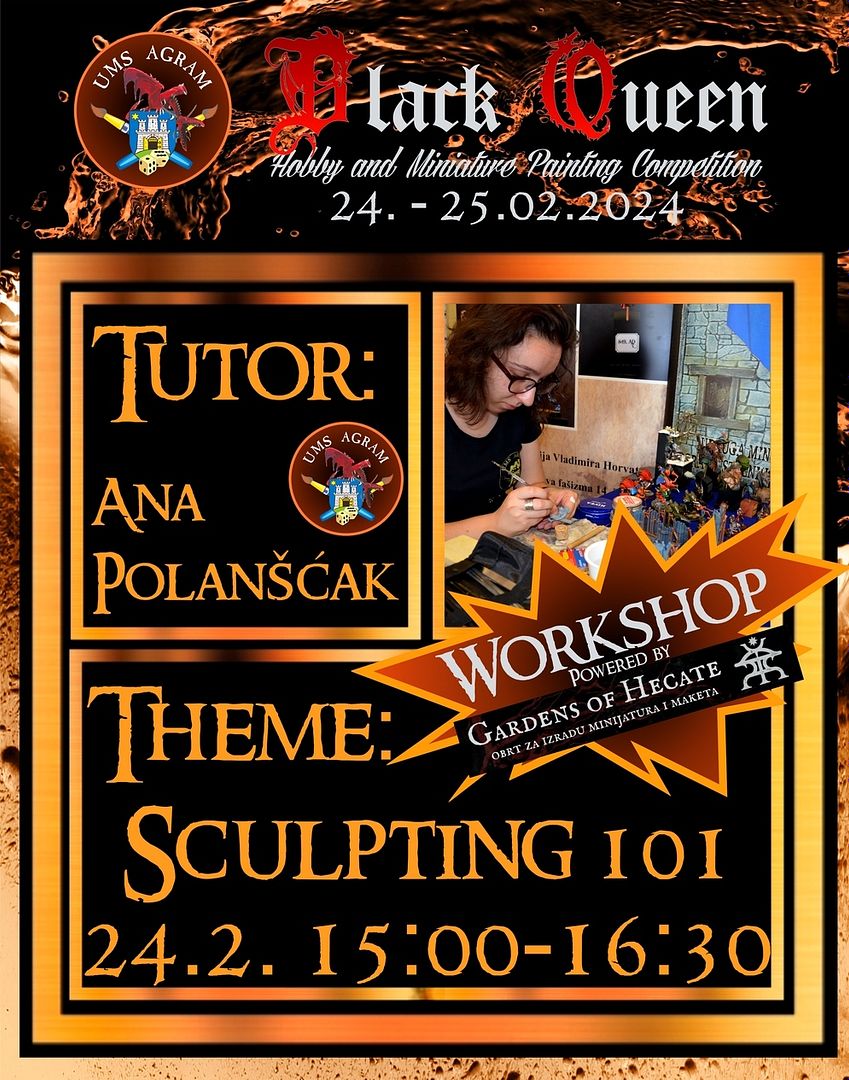
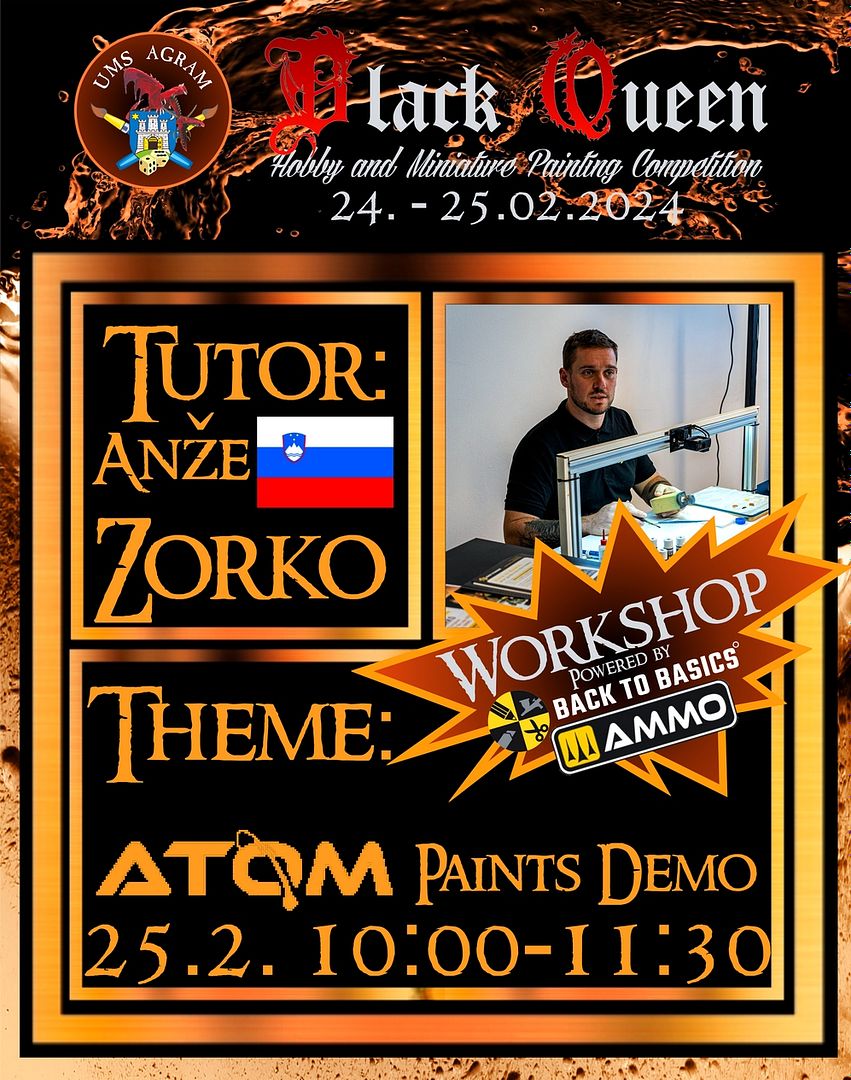
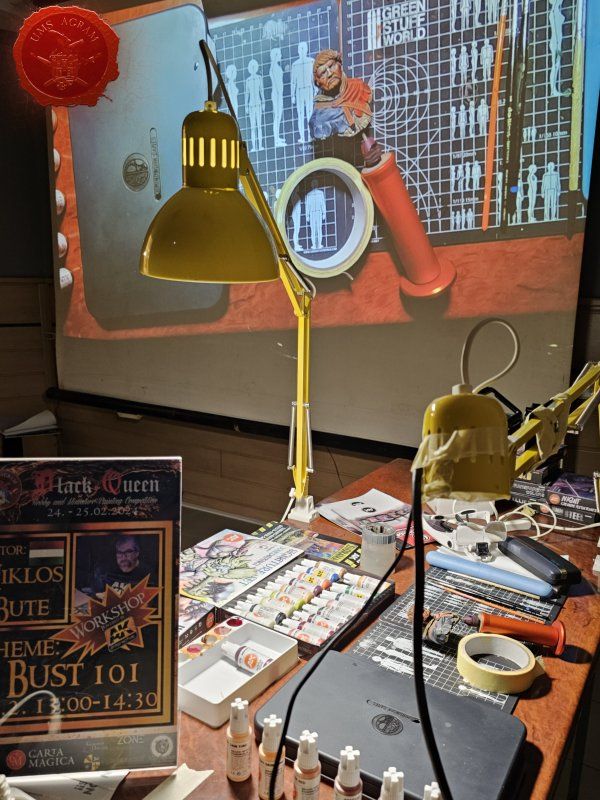
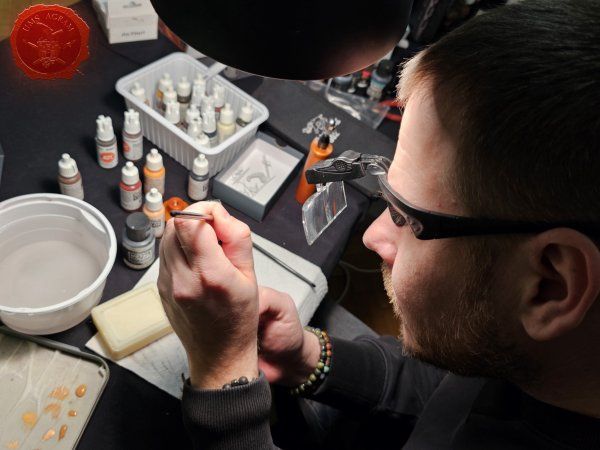
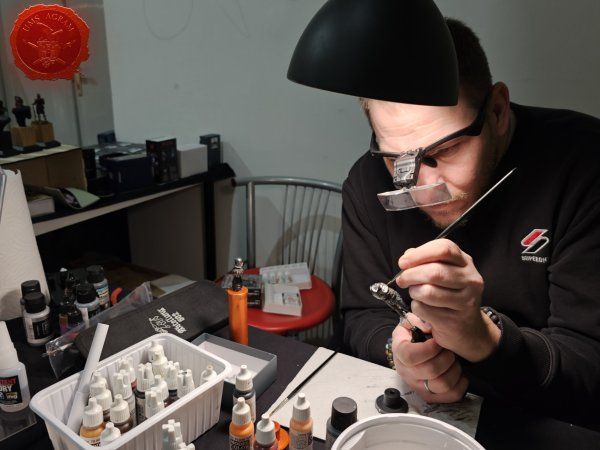
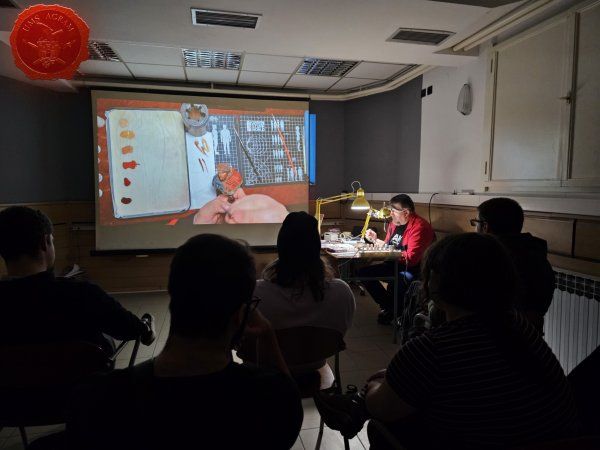
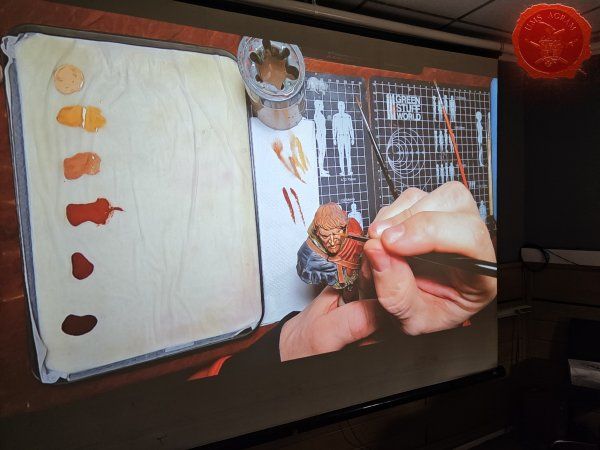
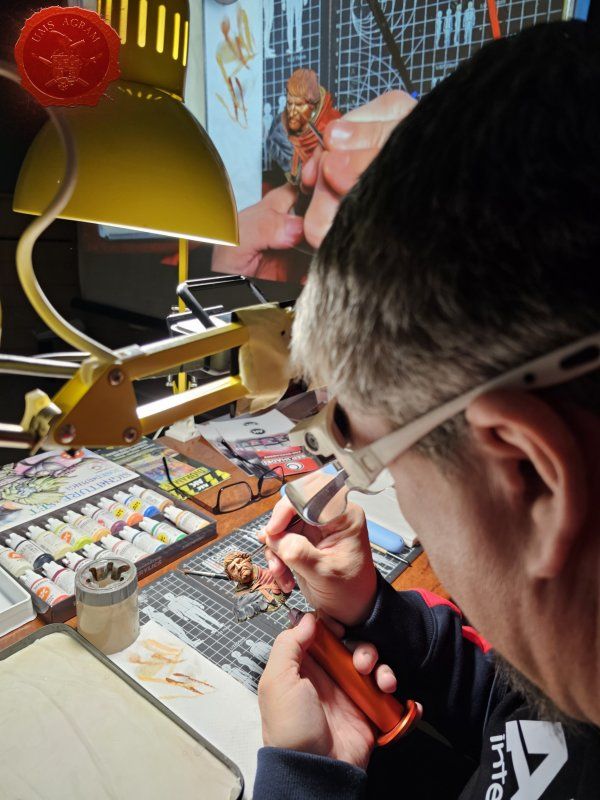
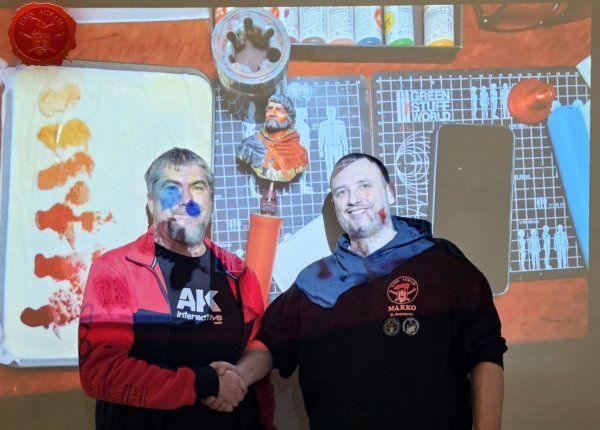
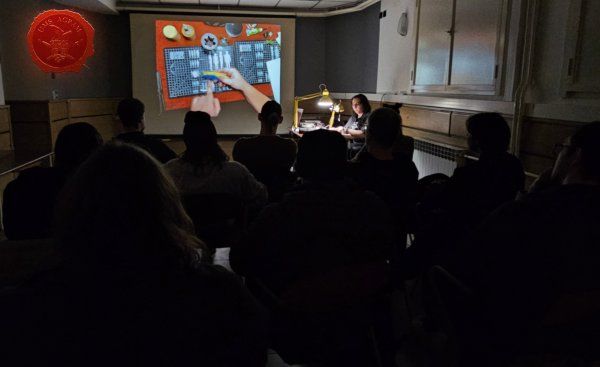
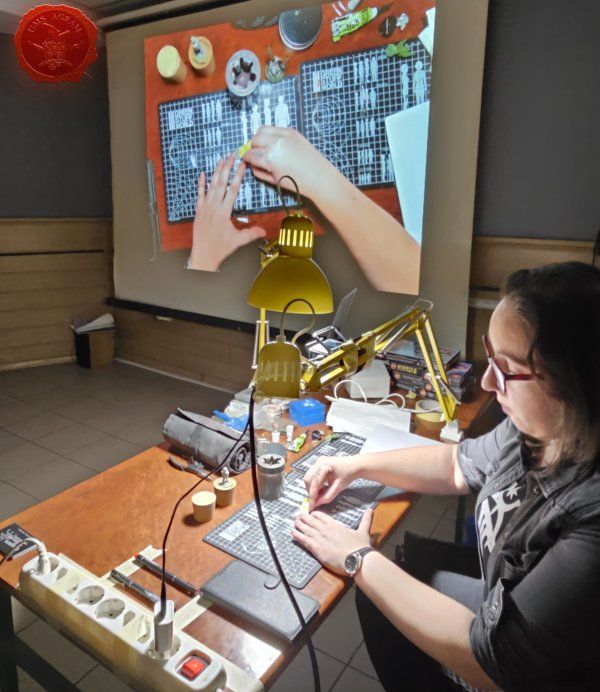
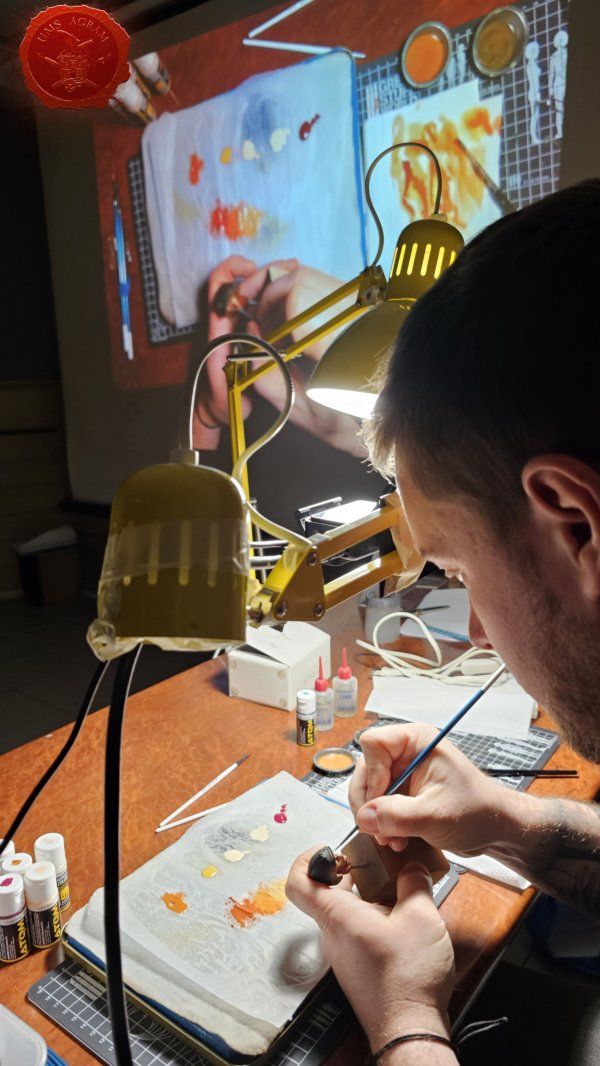
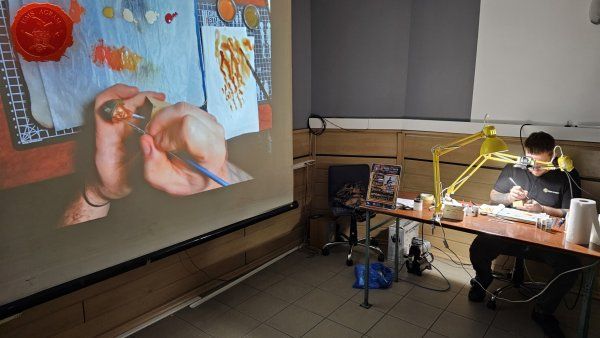
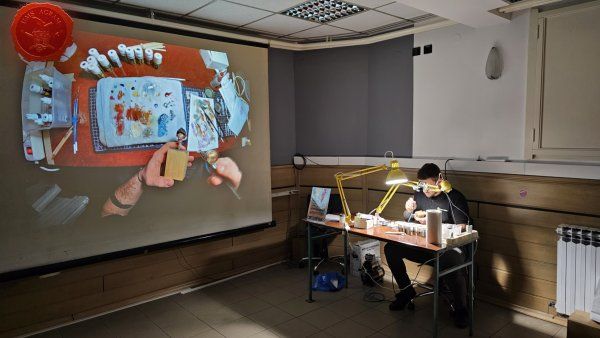
The Vladimir Horvat Gallery space allows for workshops to be held over the weekend. Therefore, we organized three demonstration workshops over the weekend. This year, the workshops were held in a cinema hall. The lecturers' work was recorded with a camera and projected onto a projection screen in the hall.

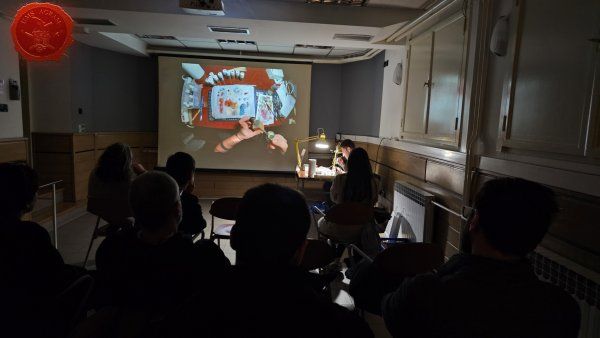
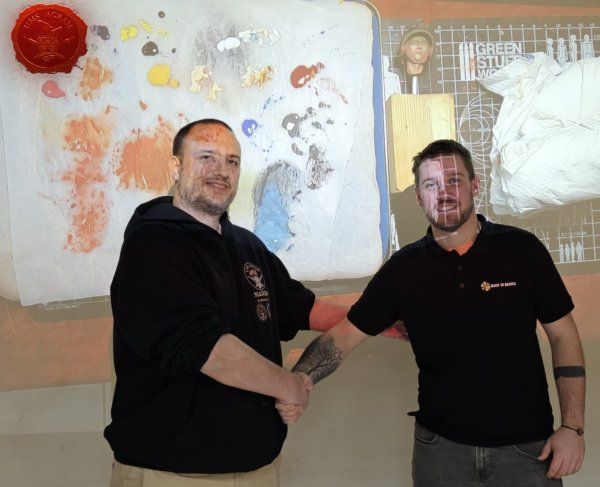
BACK TO BASICS PAINTING WORKSHOPS FOR THE YOUNGEST
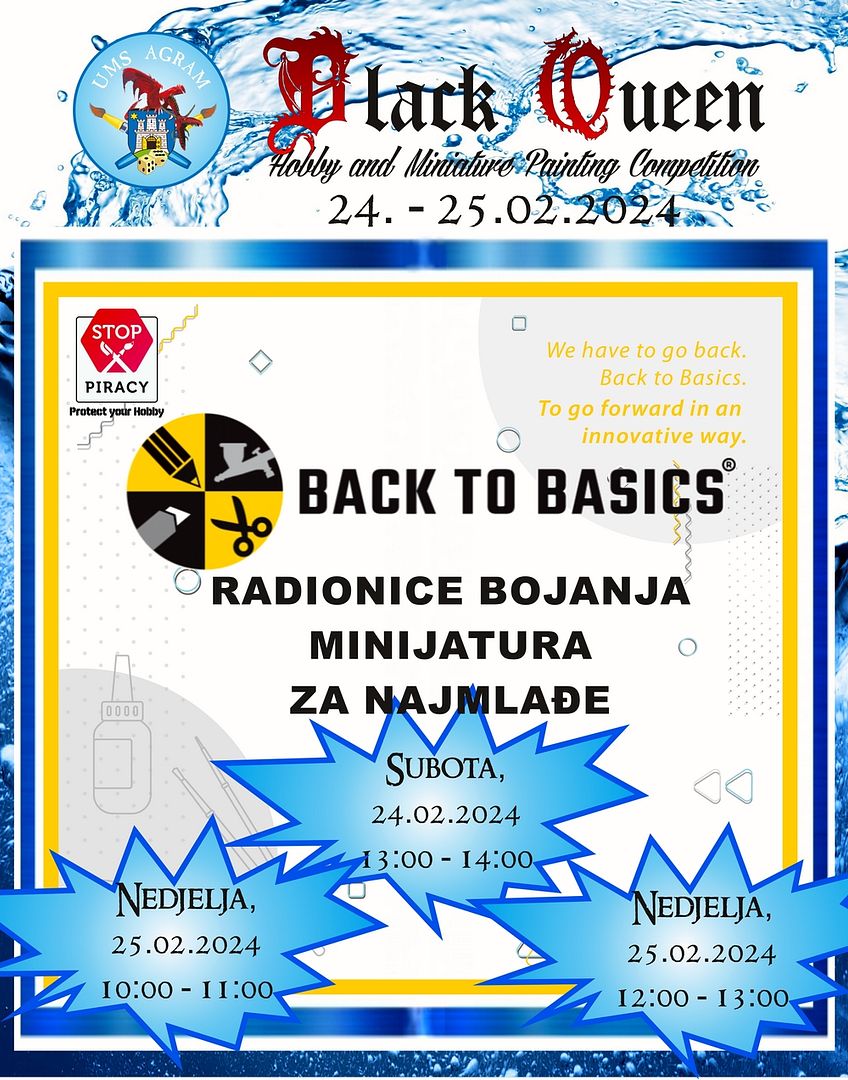
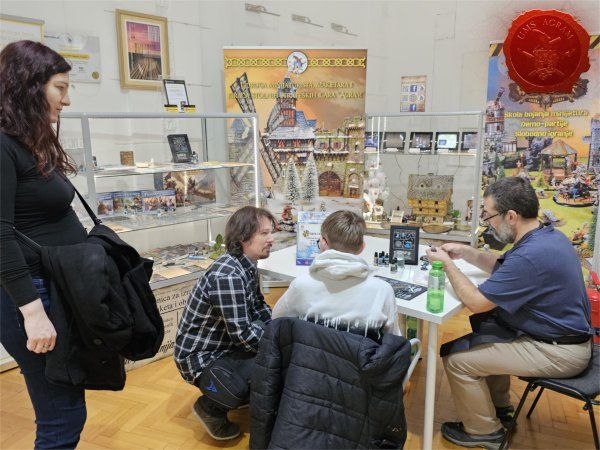
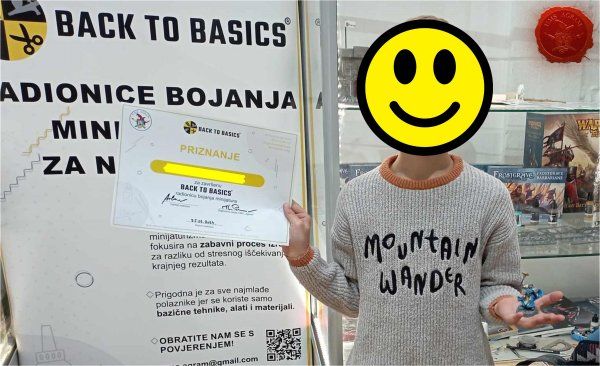
Throughout the weekend, we held our new workshops for the youngest, in which our youngest participants painted their first miniatures.
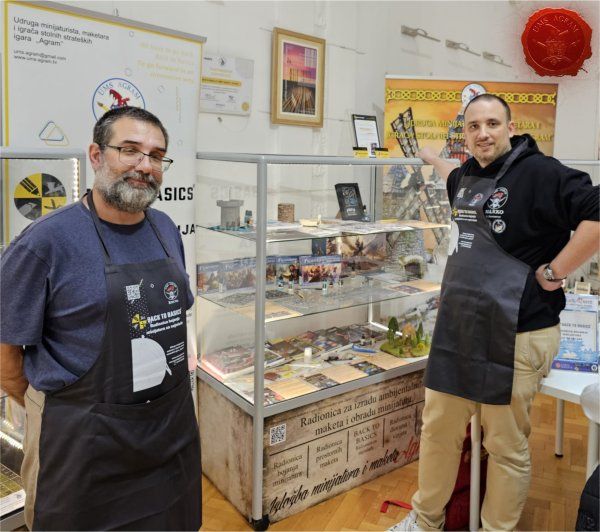
SPEED PAINTING CONTEST
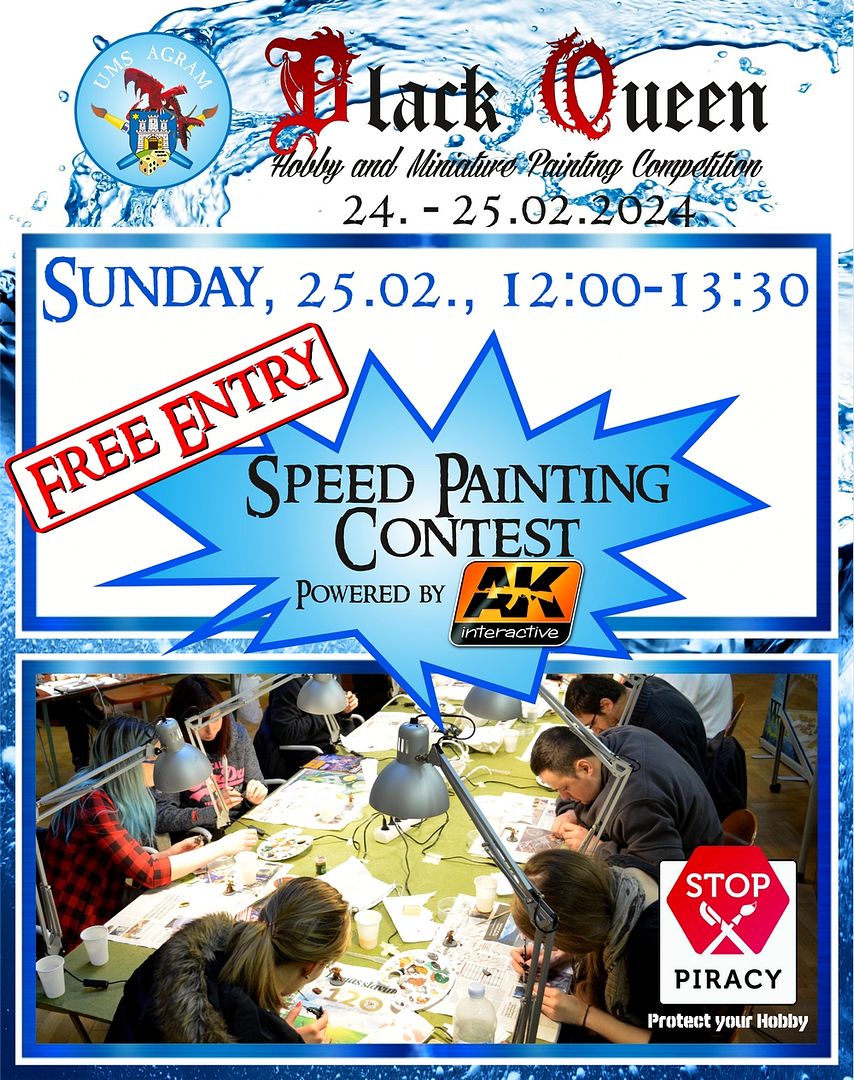
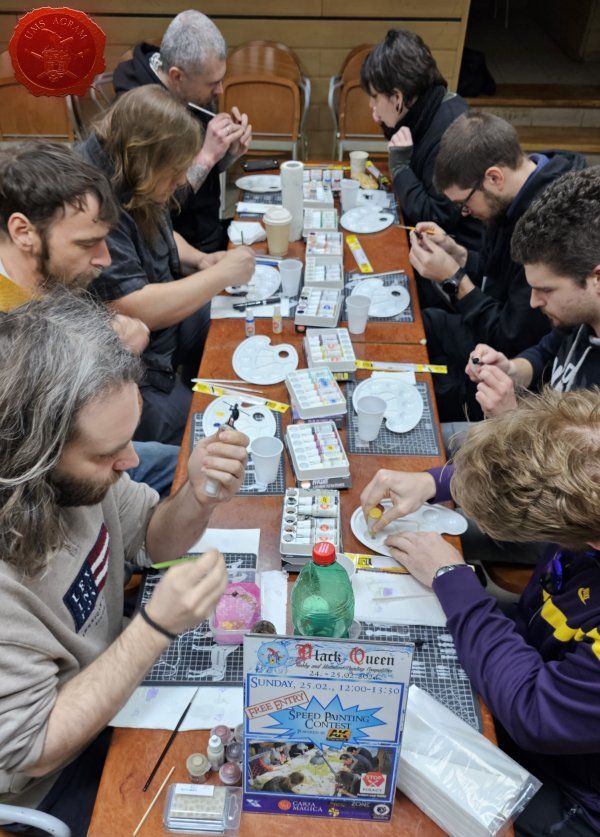
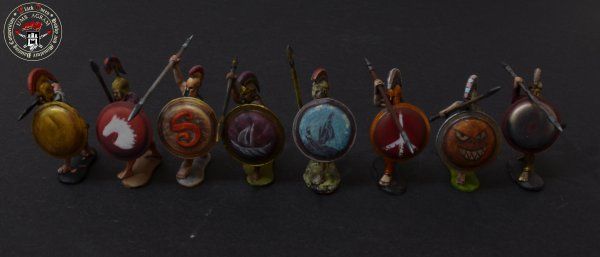
On Sunday afternoon, a miniature speed painting competition was held. Participants had 90 minutes to paint one miniature. Thanks to our sponsor Hobby Chest, who provided us with a large donation of painting materials from AK Interactive, we organized a miniature speed painting competition.
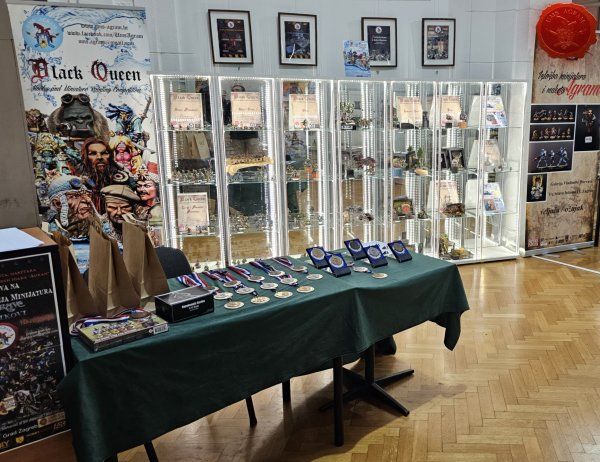
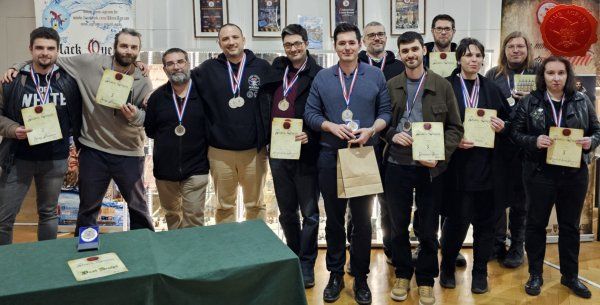
With that, we came to the very end of this wonderful weekend and all that remained was the distribution of prizes and awards to the winners.
OPEN MINIATURE PAINTING WORKSHOPS
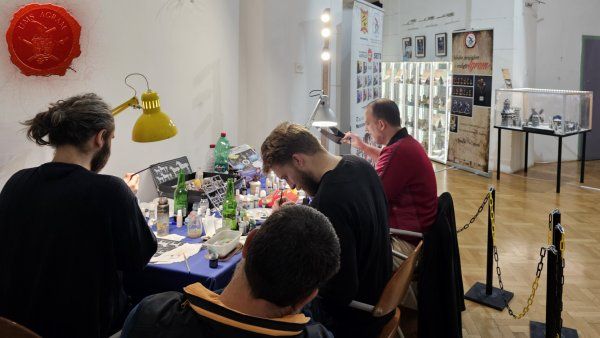
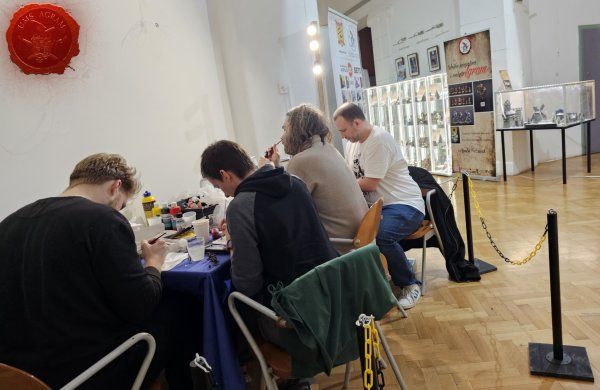
Over the next two weeks, our volunteers held open miniature painting workshops on weekdays from 4:00 PM to 8:00 PM. Miniature painting workstations were set up where our visitors could paint miniatures we had prepared (or their own if they had brought them) using our materials and tools.
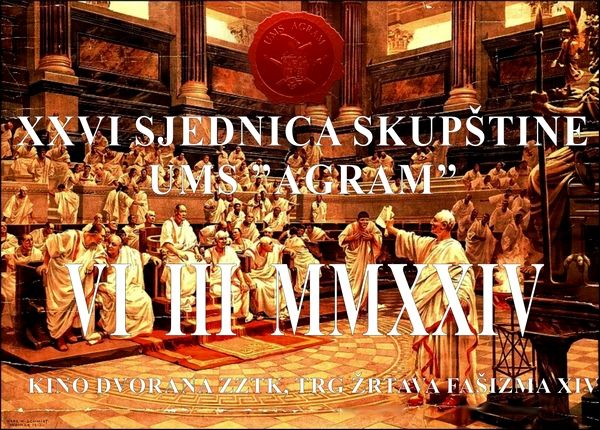
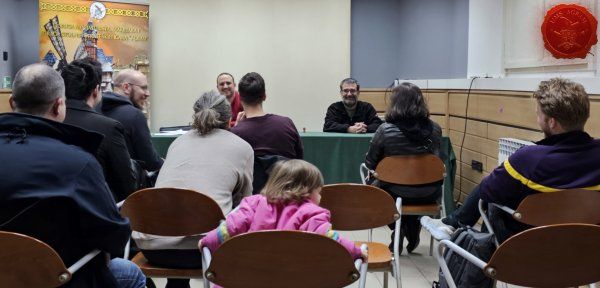
On Wednesday 06.03.2024. the annual session of the Assembly was held, where we determined the guidelines for work in 2024..
W E E K E N D M I N I A T U R E P A I N T I N G W O R K S H O P S
During the second weekend of the Exhibition, March 4-5, we organized a MINITURE PAINTING WORKSHOP – Frostgrave.
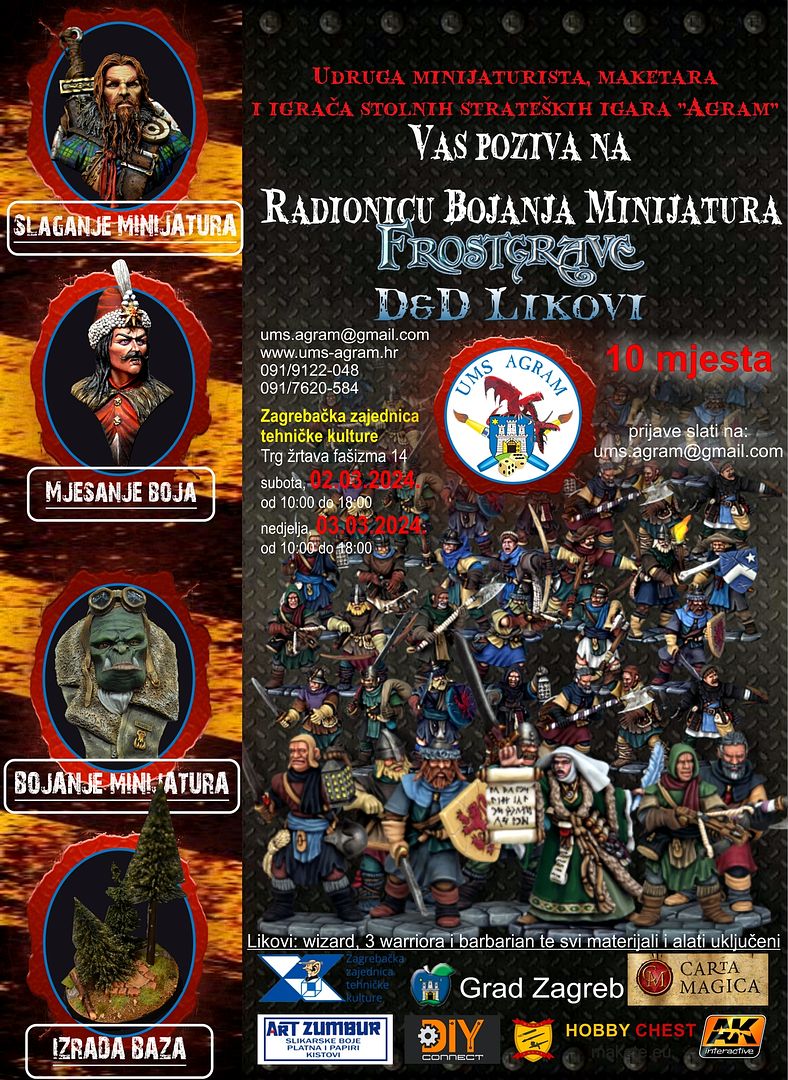
The workshop was held over two days (the whole weekend) and participants painted five different figures for the Frostgrave game, which can also be used for DND sessions. The focus of these lectures is coloring several miniatures at once, but the knowledge from the workshop is equally applicable to coloring armies for boardgames and a collection of figures for pen&paper rpgs. Each participant received 1 wizard (male/female), 3 warriors (2 male and 1 female or 2 female and 1 male) and 1 male barbarian. The workshop presented paints and accessories, preparation of figures, several techniques for coloring miniatures from basic to more advanced, and techniques and tricks for quickly and efficiently coloring large quantities of figures at once. As part of the workshop, water-based acrylic paints were used. The lectures are adapted so that the leaders devote equal time to all participants and can be adapted to all categories of miniaturists (from beginners to slightly advanced).
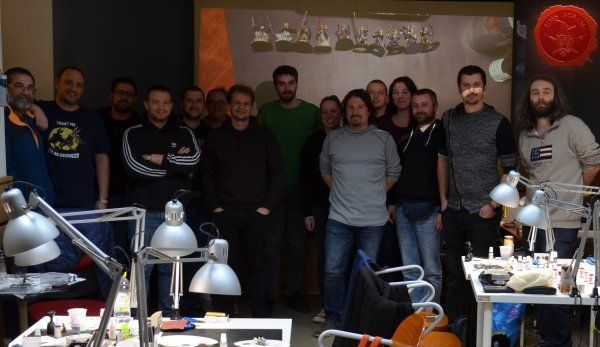
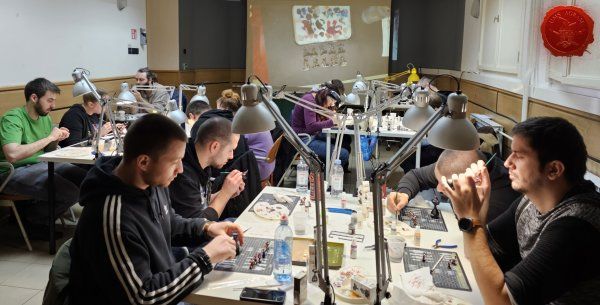
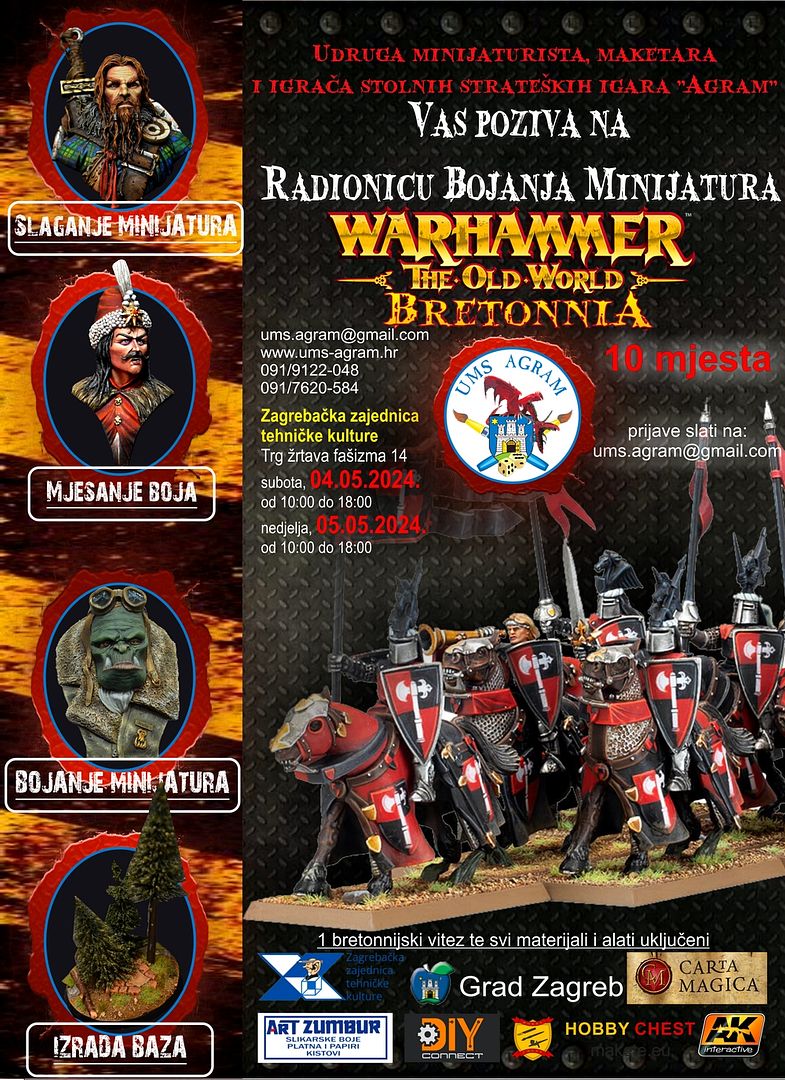
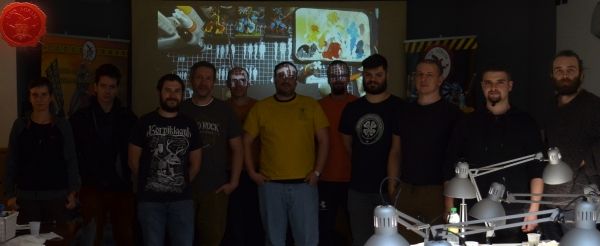
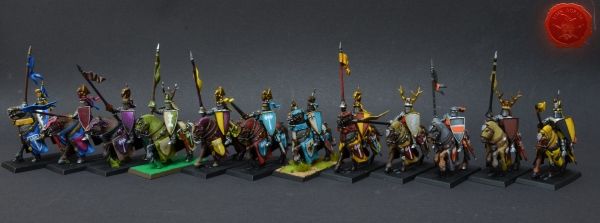
During the weekend, May 4th-5th, we organized a MINITURE PAINTING WORKSHOP – Bretonnia.
The workshop was held over two days and the participants painted a Bretonnian knight on horseback for the tabletop strategy game Warhammer The Old World. The focus of these lectures was painting multiple miniatures at once, but the knowledge from the workshop is equally applicable to painting armies for board games and collections of figures for pen&paper RPGs. Each participant assembled their own knight with a spear, shield and ornamental helmet as well as a horse according to their own wishes. The workshop presented paints and accessories, figure preparation, several techniques for painting miniatures from basic to advanced, as well as techniques for applying stickers, and finally basing the figure. Water-based acrylic paints were used as part of the workshop..
The workshop included the following thematic units: 1. Planning and preparation and assembly of miniatures 2. Processing miniatures before painting 3. Basic colors 4. Shading and highlighting techniques 5. Placing matte stickers 6. Freehand basics
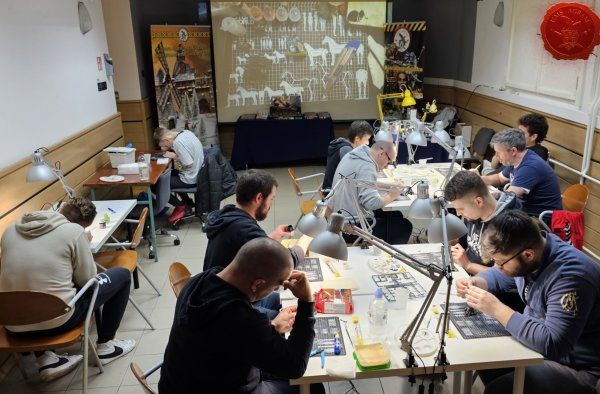
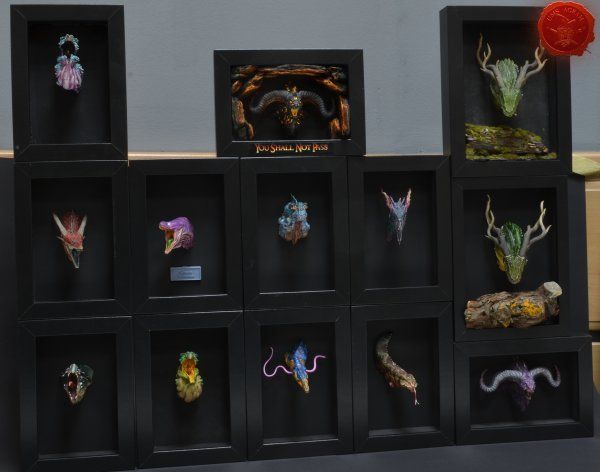
During the weekend, 21-22.9.2024, we held a new weekend miniature painting workshop called Dragon Busts. Guided by this, the organizers selected suitable dragon busts by the famous miniaturist Karol Rudyk, which all participants painted. Each participant received a unique bust from his set of busts limited to 100 copies. As part of the workshop, acrylic paints were primarily used, but oil effects could also be used.
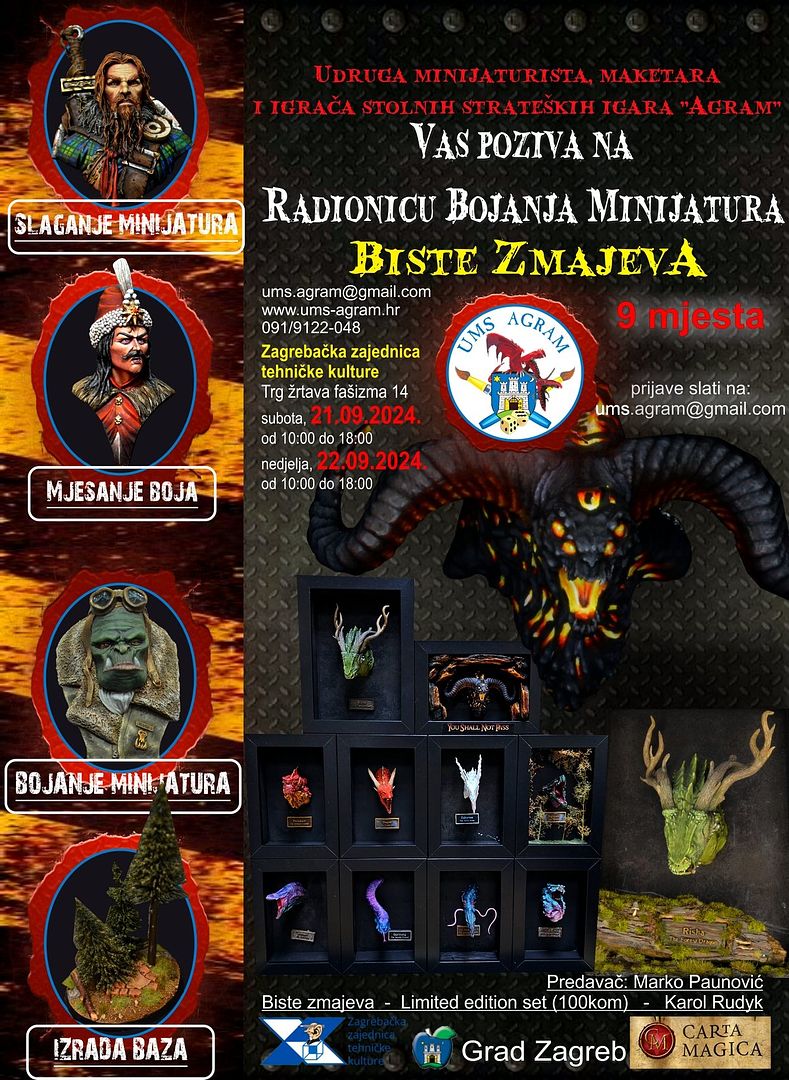
The participants learned how to properly prepare a resin figure/bust before painting and then made an inner base for the frame from balsa, into which they placed their dragons at the very end of the workshop. This time, each participant was able to explore various effects through their painting at their own discretion. The choice of “color scheme” or whether they want to use OSL effects or anything else is left to the participant.

B A C K T O B A S I C S Miniature Painting Workshops
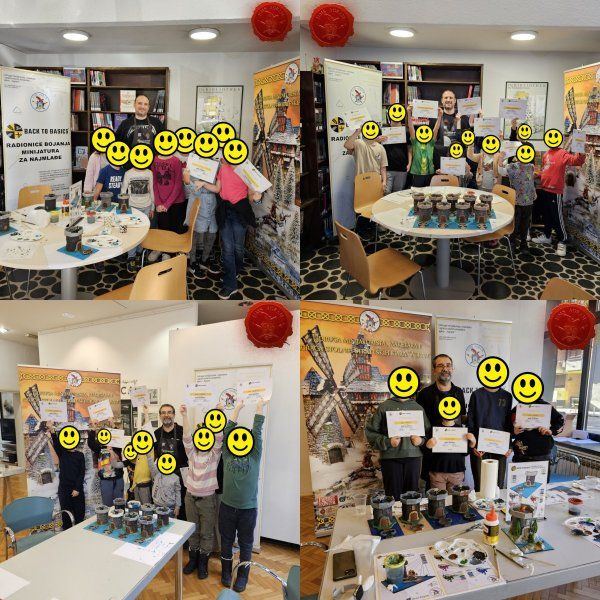
In 2024, we started a new program called Back to Basics miniature painting workshops for the youngest in collaboration with the Zagreb City Libraries. We held a total of four workshops during October and November with 29 participants, our youngest fellow citizens.
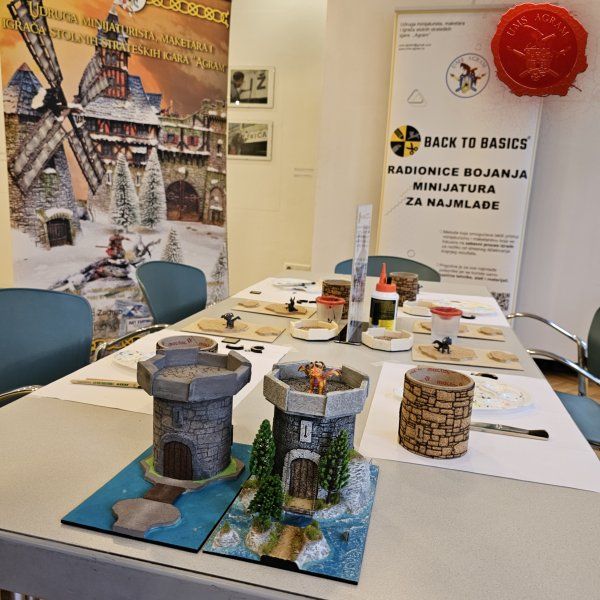
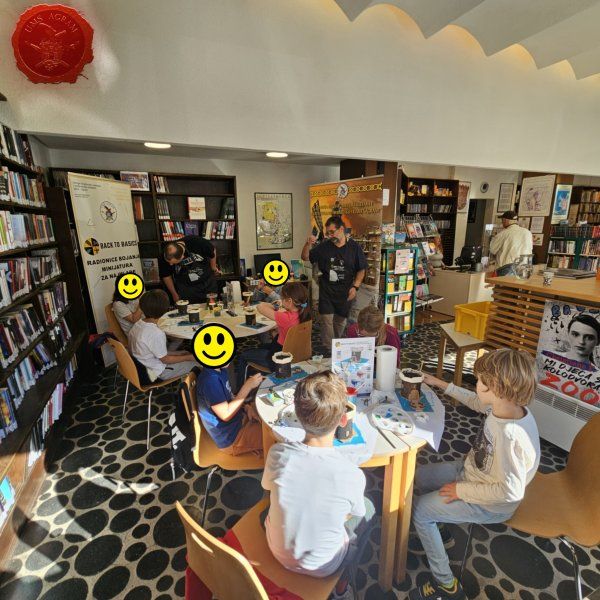
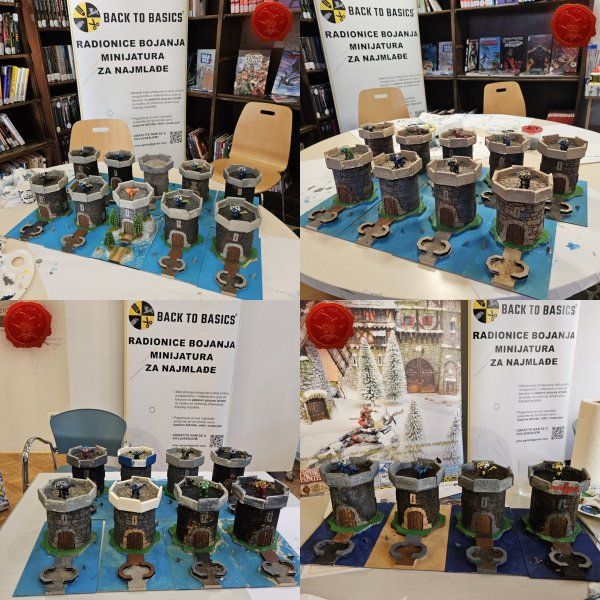
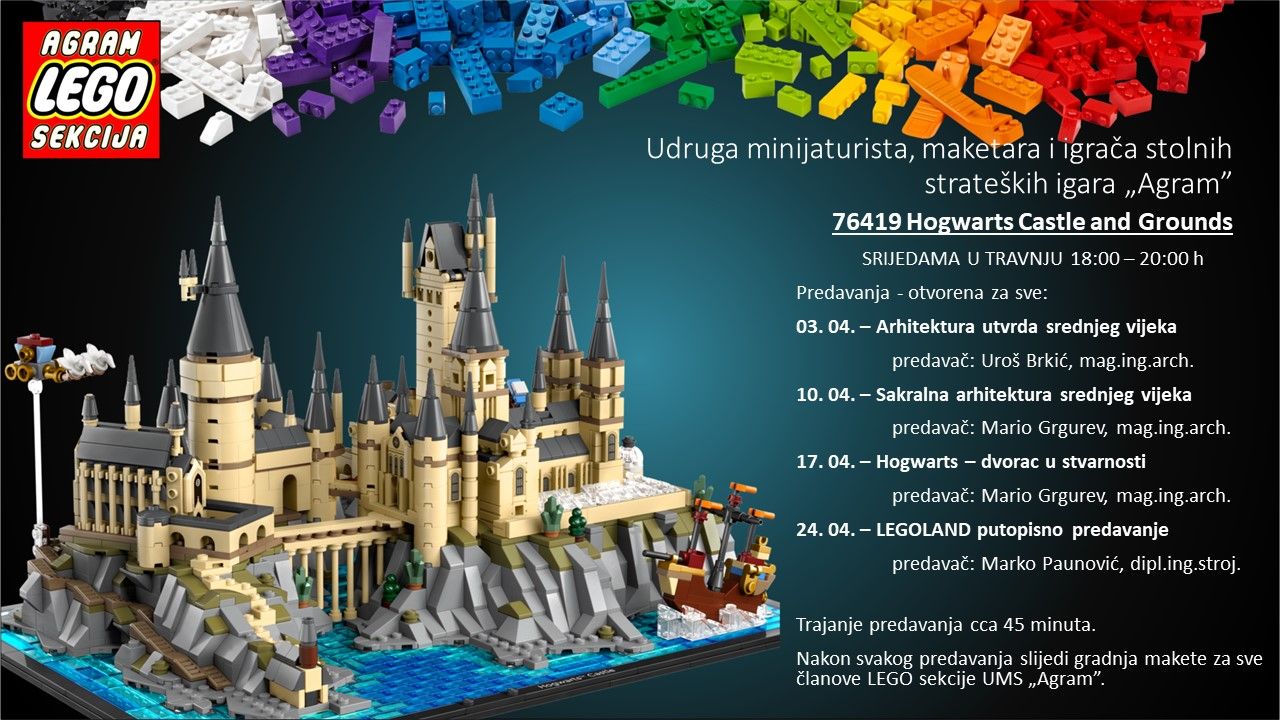
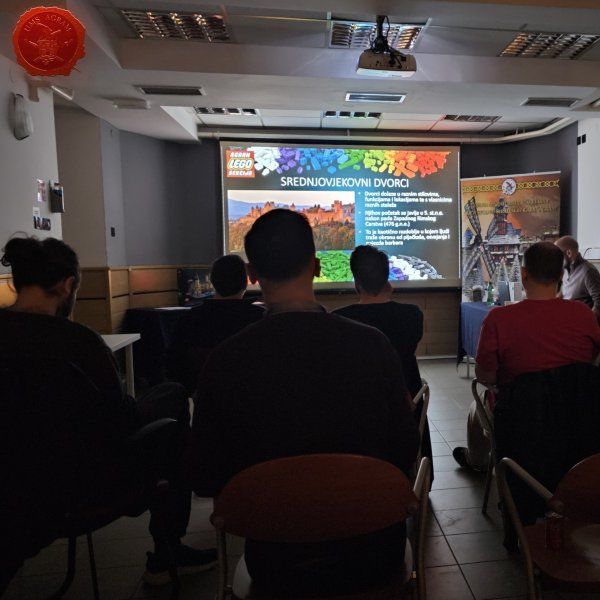
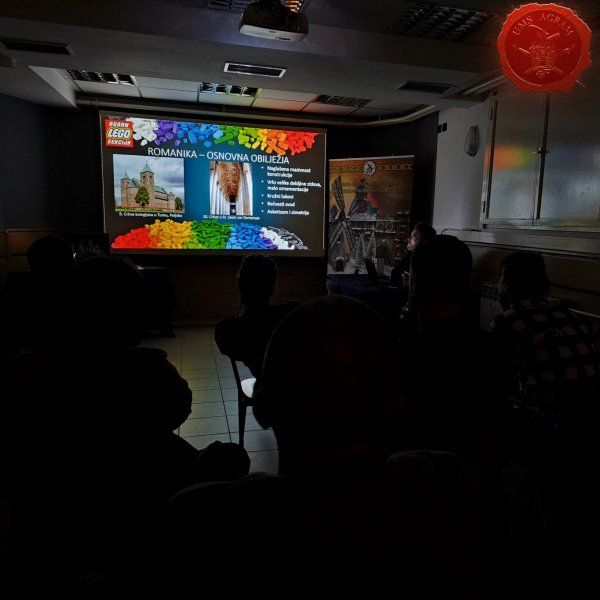
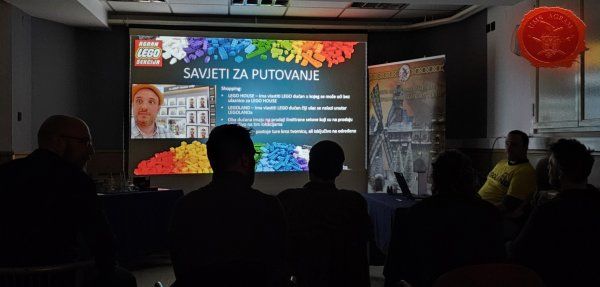
A G R A M L E G O S E C T I O N
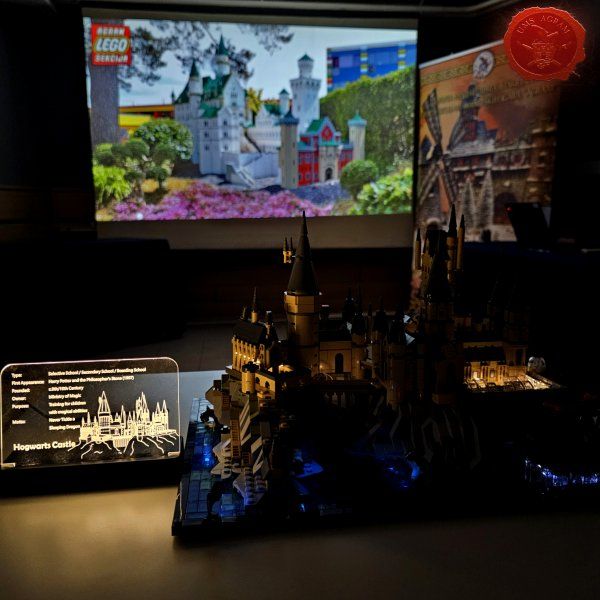
As part of our Agram Lego Section, we have been organizing a series of expert lectures related to our current group LEGO project since 2024. Our experts lead lectures in various fields such as architecture, mechanical engineering, naval architecture, sculpture, etc. In 2024, we covered the topic of Hogwarts – sacral and fortification architecture of the Middle Ages.
A G R A M G R O U P B U I L D
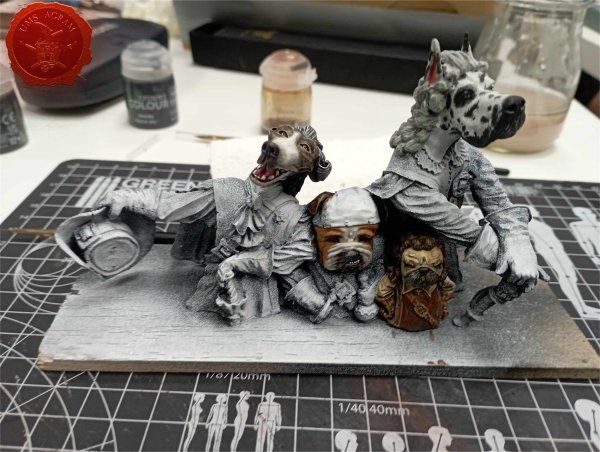
As part of this UMS "Agram" project called Agram Group Build which was created after Kruno and Marko talked about joint projects on Wednesdays and how cool it would be to bring more people together on Wednesdays to work on something together. From that came the idea of Group Builds. In 2024 we worked on a series of busts of Musketeers .
W E D N E S D A Y' S H O B B Y C O R N E R
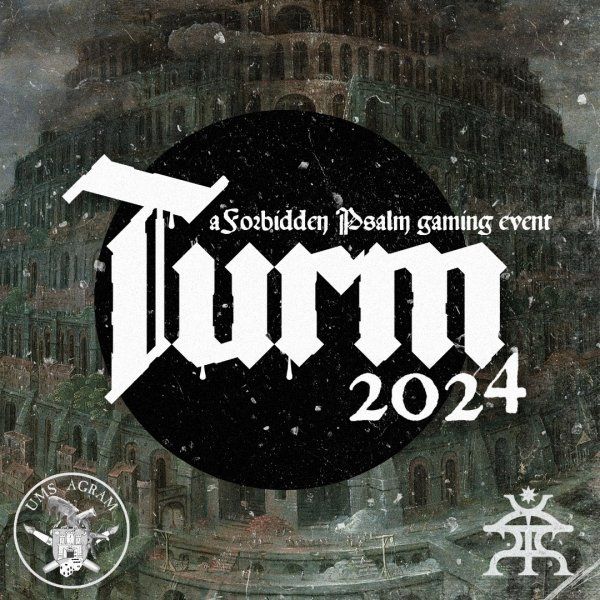
Wednesday's Hobby Corner is conceived as a collection of free activities in the space used by UMS "Agram" during Wednesday evening sessions. Most activities are open to everyone, with some benefits for UMS "Agram" members, such as storing miniatures in display cases between sessions or borrowing books from our extensive Library.
A G R A M A R E N A S U M M E R – T U R M 2 0 2 4
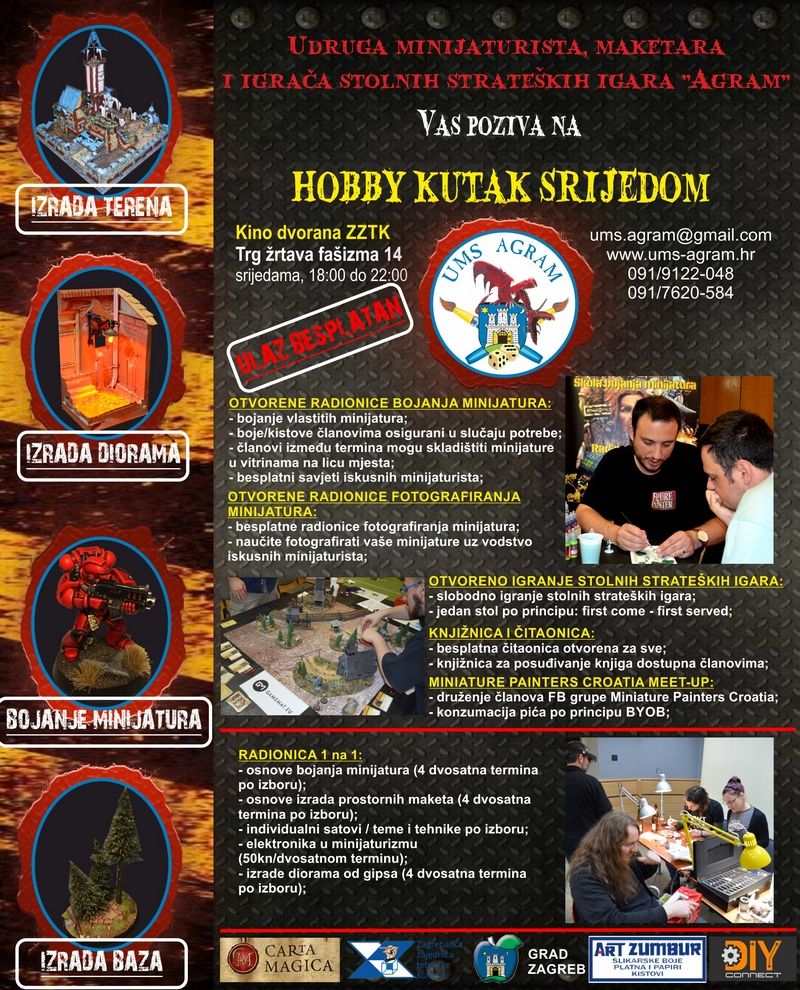
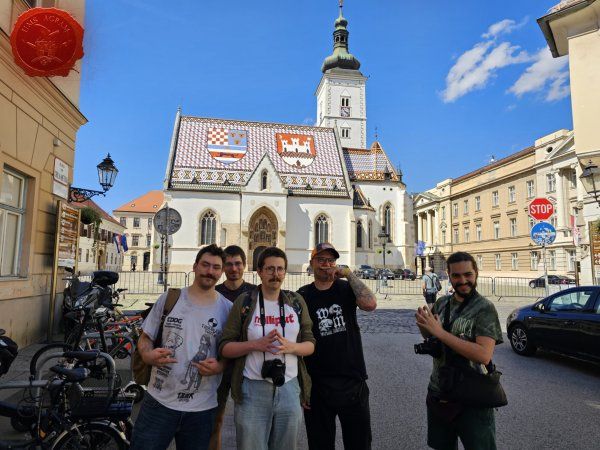
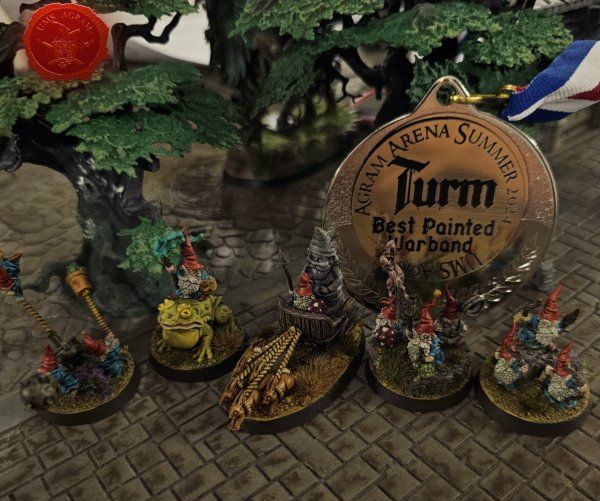
Turm 2024, part of Agram Arena Summer, organized by UMS "Agram" and Gardens of Hecate, took place in July 2024 in Zagreb.

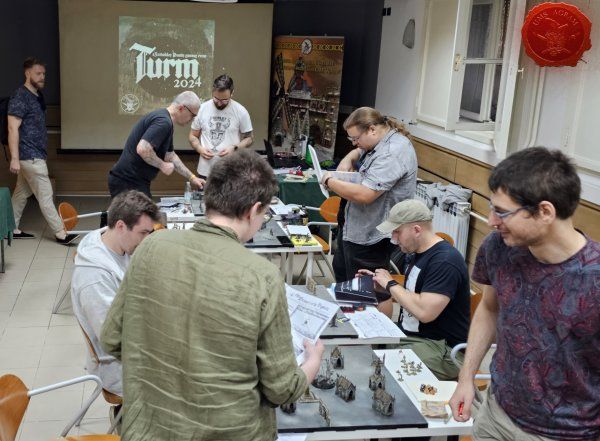
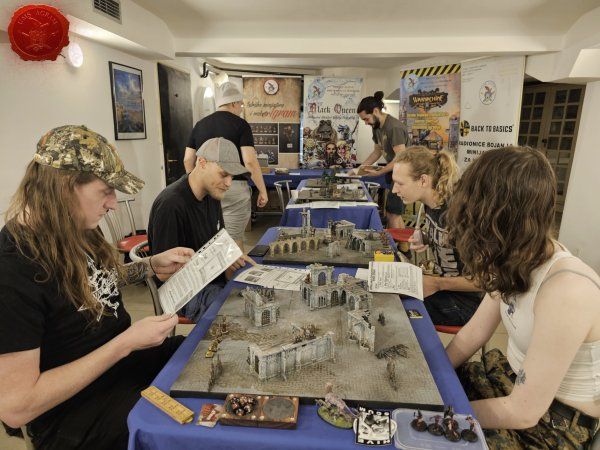
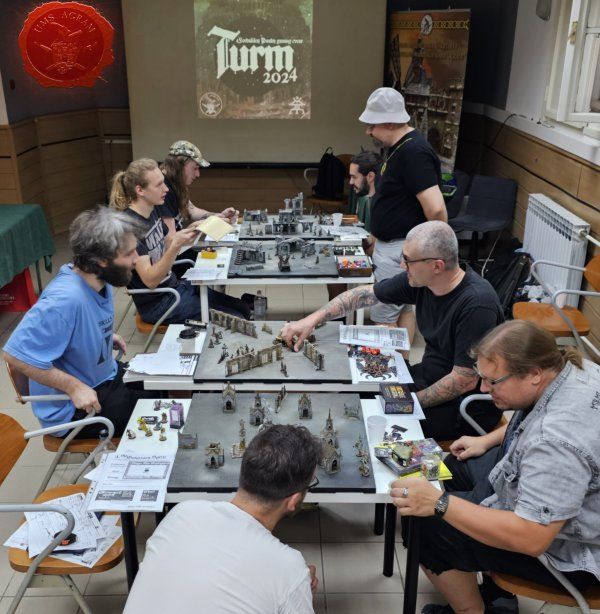
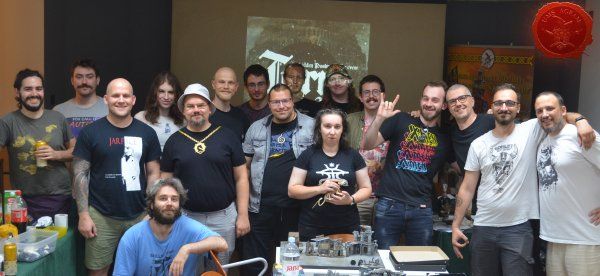
UMS “Agram” has a tradition of awarding the best painted models/military at our events, which we could not miss at this visually stunning event.
A D V E N T I N A G R A M U
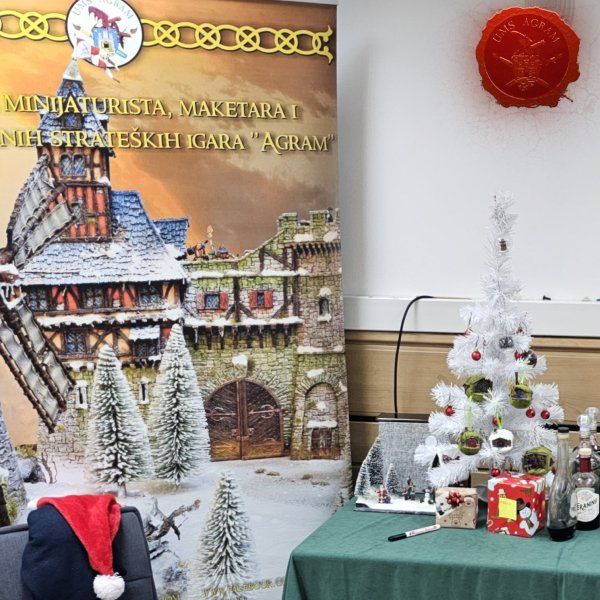
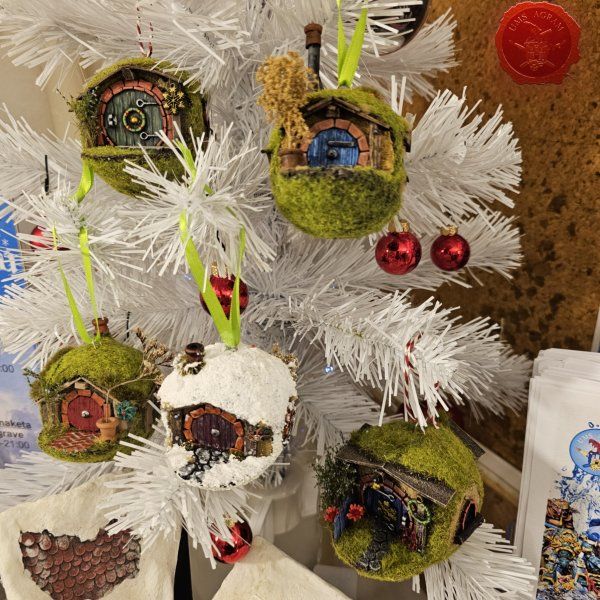
During November and December, we organized a program called Advent in Agram, which consisted of interactive workshops on making Christmas balls and shorter demonstration workshops during December. Interactive workshops involve participants making their own models according to instructions and under the supervision of a leader. No registration is required for the demonstration workshops in December, and they consist of a series of separate topics that cover model-making methods, effects, and materials related to the winter period, such as making snow, ice, and the like, which the lecturer demonstrates from behind the desk. As part of Advent, we organized:
Miniature Photography Workshop
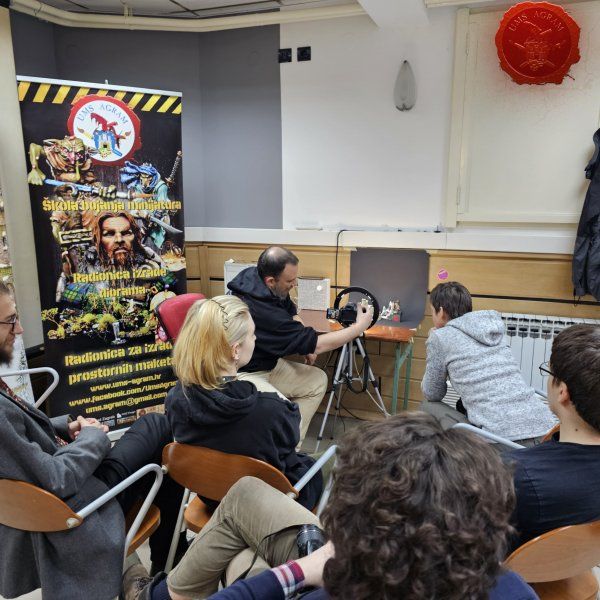
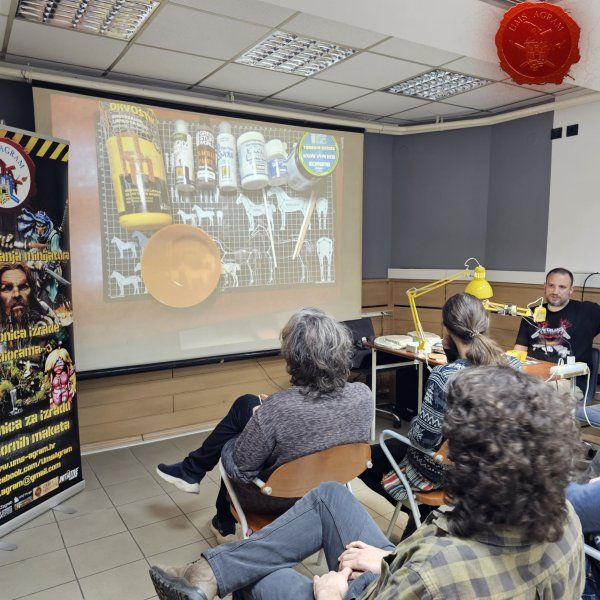
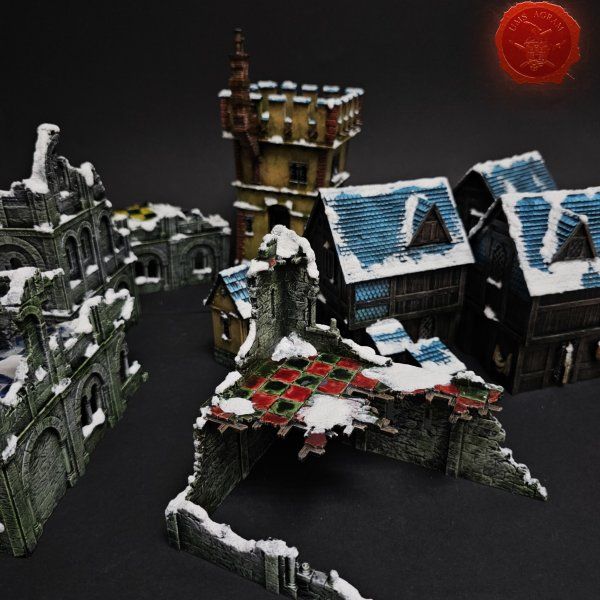
Demonstrations In Making Winter Terrain

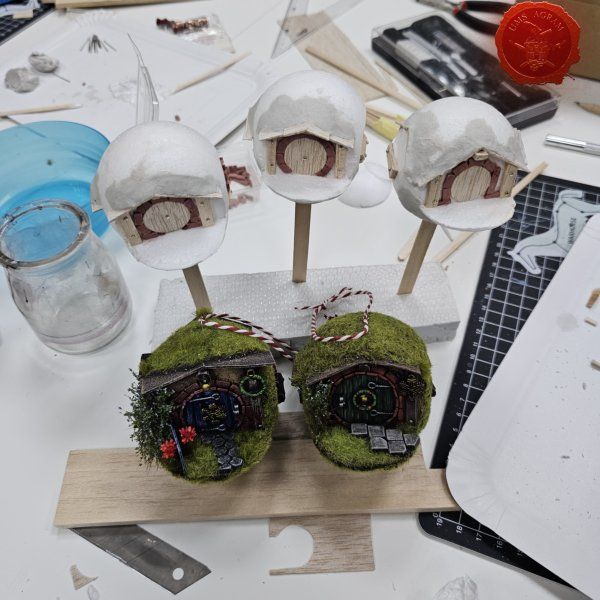
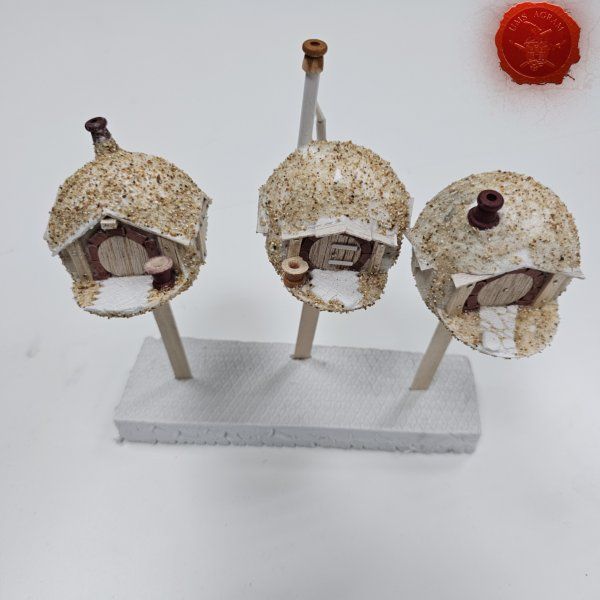
Workshop for making Christmas decoration in shape of a Hobbit Hole

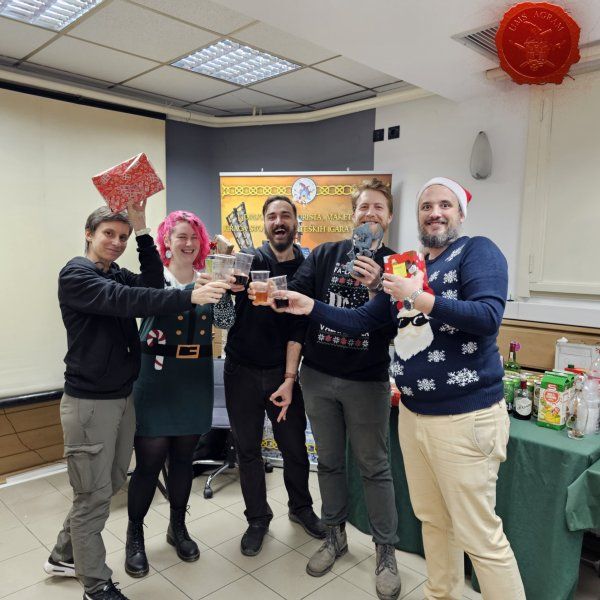
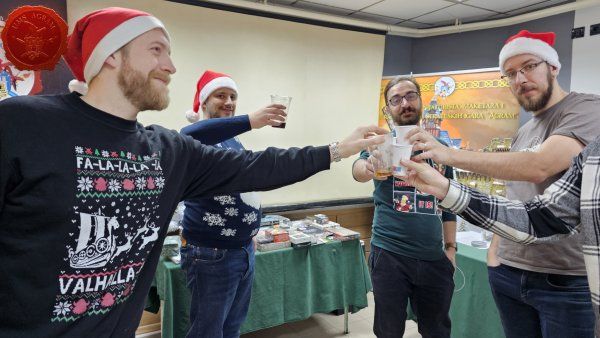
Secret Santa
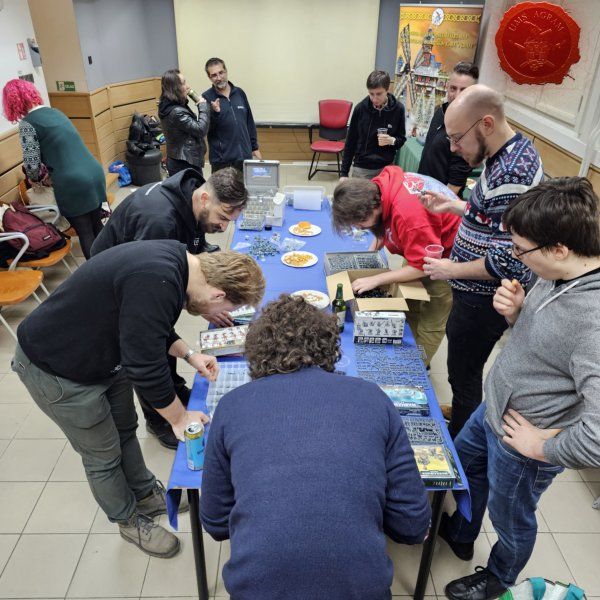
Bits and Miniatures Fleamarket
APPEARANCES AT COMPETITIONS, CONVENTIONS, EXHIBITIONS AND OTHER EVENTS
Kup Zagreb
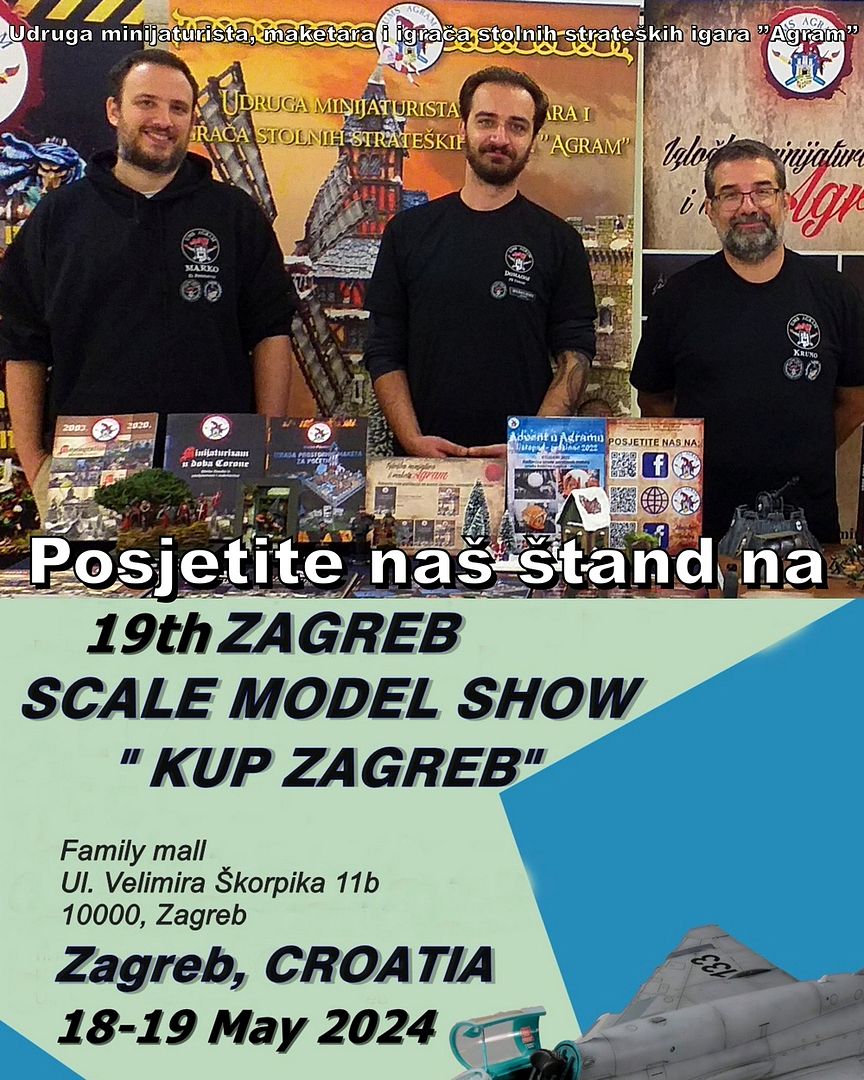
The Zagreb Cup, a model-making competition organized by ZMMS, was held this year over two days on May 18-19, 2024, at Family Mall. The organizer asked us to participate by presenting our programs and projects, which we were happy to do.
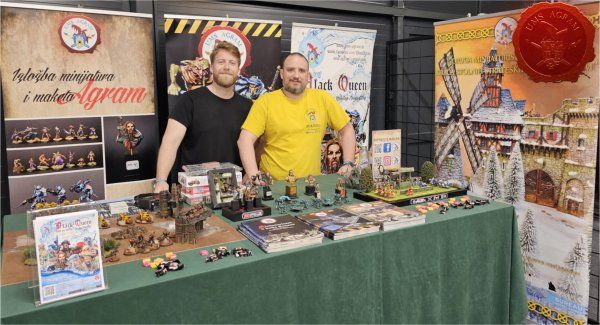
Svet v Malem, Pivka, Slovenija
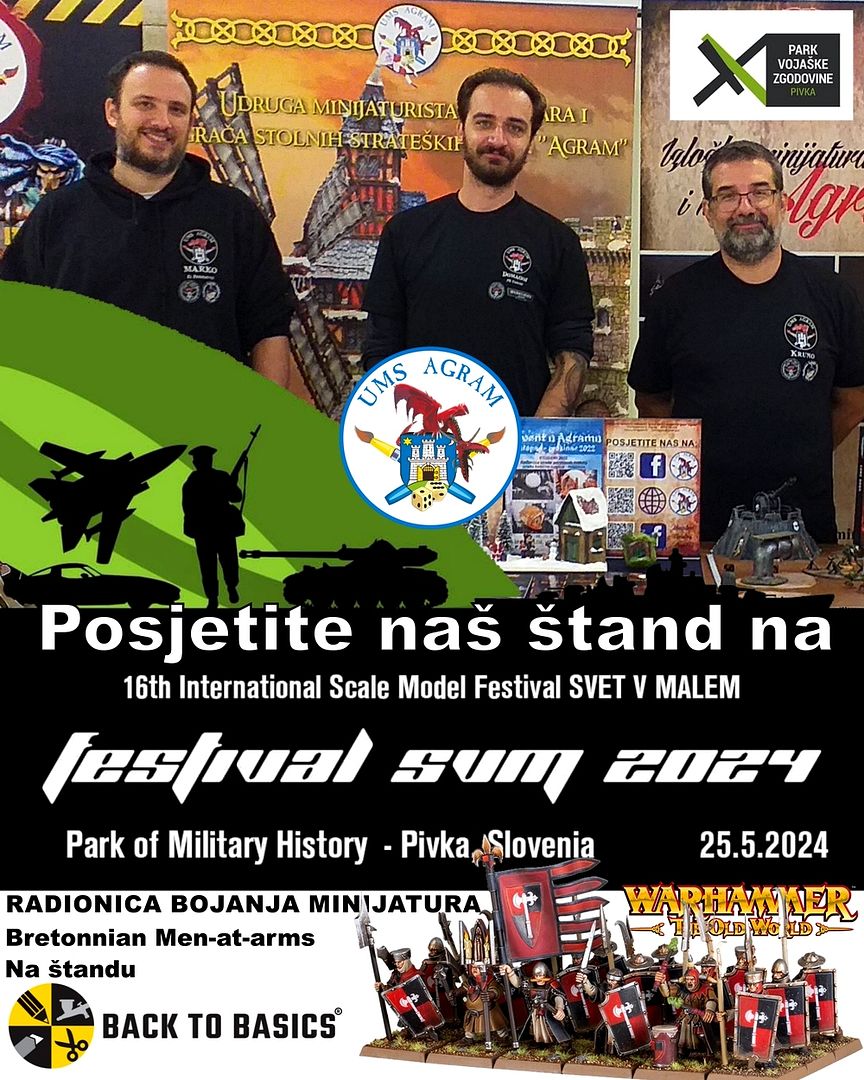
Svet v Malem, a model-making competition, was held at the Museum of Military History in Pivka, Slovenia, on May 25, 2024. We also presented our programs and activities at this competition. For the first time, our Norwegian member, Sebastian, came with us, for whom this was also the first competition abroad in which he participated. In addition to the competition, as is tradition, our Slovenian partner Back to Basics and Miniatures.si organized demonstration workshops on painting miniatures. Our Marko was also invited to hold one – on quick painting of the Bretonnian Man-at-Arms.
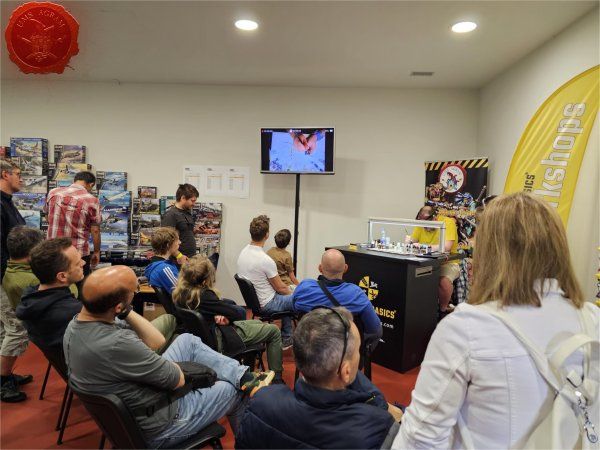
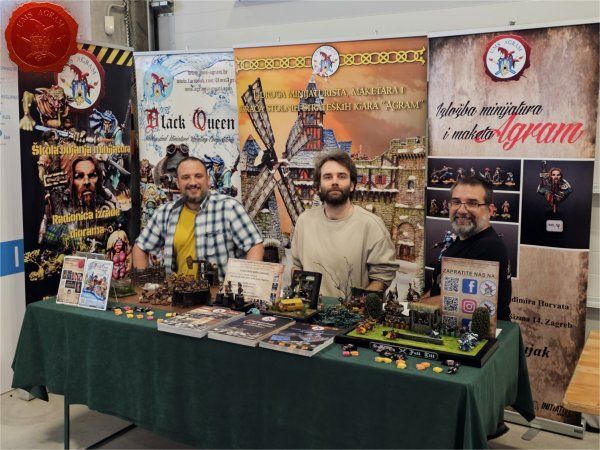
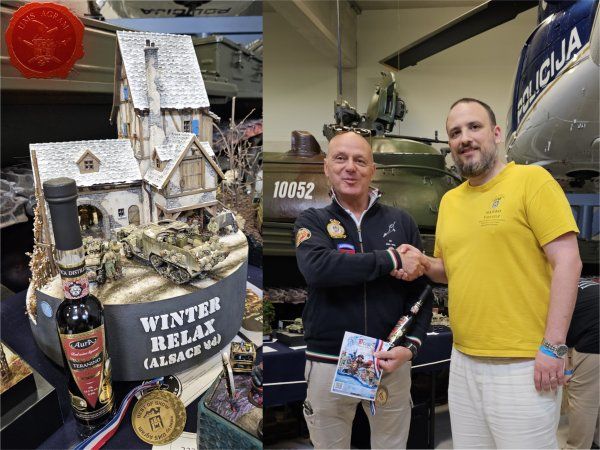
“First of all, the venue is perfect for a miniature convention. The Military History Park in Pivka has an interesting story, and learning about its historical and geographical importance, as well as Yugoslav military history in their museum, was certainly interesting, although for me the best part of the place were the large planes, helicopters, tanks and cars hanging or standing around the venue. This provides a perfect complement and contrast to all the tiny miniatures on display. The exhibition mostly consisted of military and historical vehicles, dioramas or displays, but the three of us entered in the slightly smaller categories of "Wargaming", "What If (Sci-fi)", "Movie Scenes", "Bust" and "Figures of All Scales". Even here, there were some pretty good entries. But most impressive of all were some of the dioramas depicting historical military events (also complementing the museum exhibits and several historical artifacts housed there), such as Winter Relax, Alsace 1944, a "Best of Show" from Moson. This large rotating diorama, complete with well-lit interiors and a completely realistic winter scene of vehicles, soldiers and equipment, was so impressive to me that we also awarded it the BEST OF SHOW by UMS AGRAM award and presented it to the author, Giampiero Bianchi.”
International TableTop Day 2024, Jalžabet
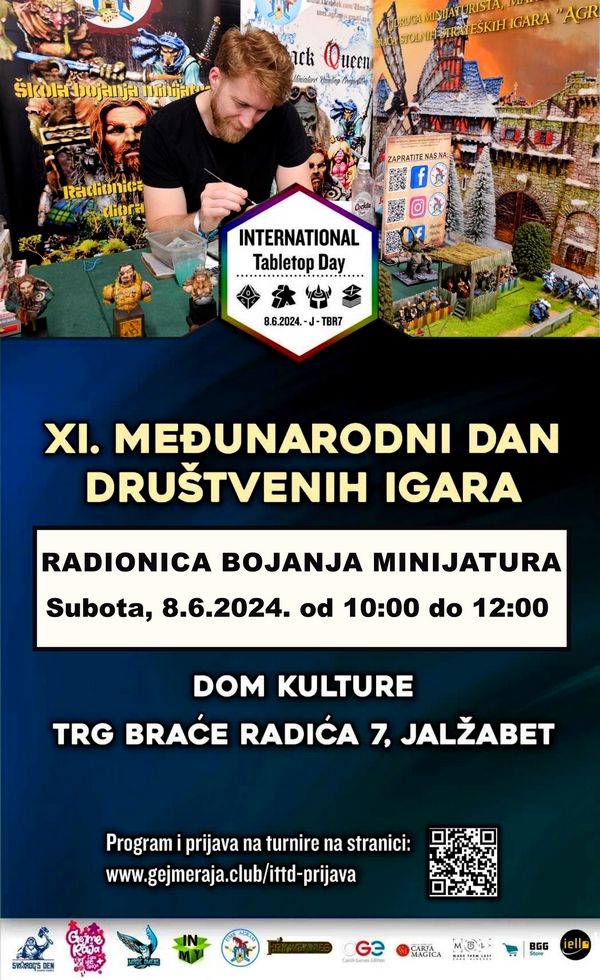
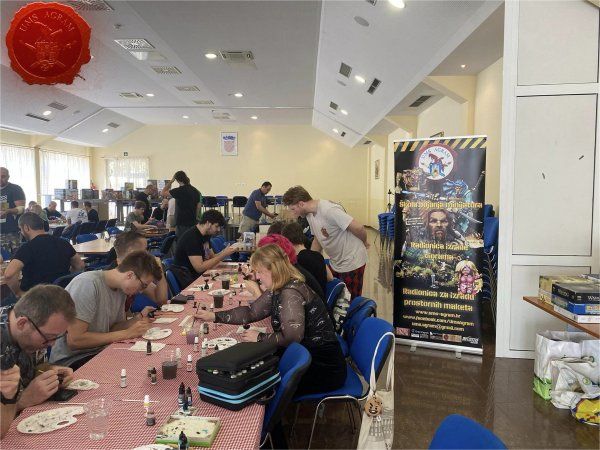
On June 8th, we organized an interactive miniature painting workshop as part of International Tabletop Day 2024 in Jalžabet near Varaždin.
Our Mario, with the help of local Viking Sebastian, led a miniature painting workshop that was supposed to last two hours, from 10 am to 12 pm. However, due to great interest, the duration was extended to almost 5 pm.
PSMK 2024, Budapest, Hungary
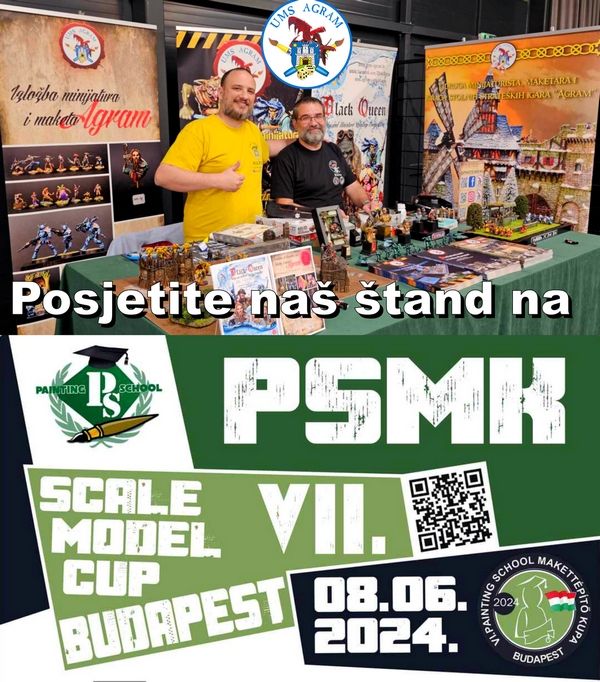
In parallel with the workshop in Jalžabet, our second delegation headed to Budapest to represent UMS Agram at the international model-making competition PSMK 2024. Our team, Kruno and Marko, headed there on Friday and stayed until Sunday, even though the competition itself was a one-day event.
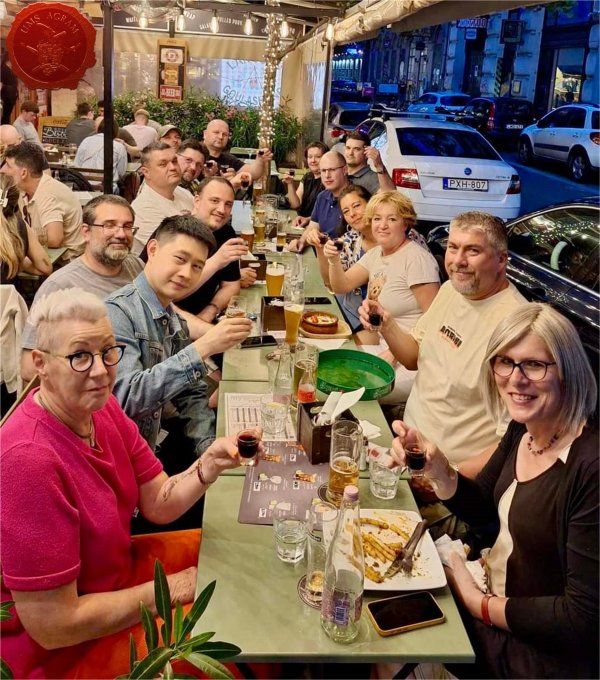
Upon arrival in Budapest, we joined the miniaturist team for a welcome dinner with Hungarian specialties. Throughout the weekend, it was a pleasure to exchange experiences and knowledge with world-class figures such as Margot Crombeecke, Chloe Plattner, James Zhou and Miklos Bute.
On Saturday morning, we arrived at the competition and set up our stand (which later won a “We Like It” souvenir from the organizers). We then placed the exhibits in the corresponding categories and the competition could begin.
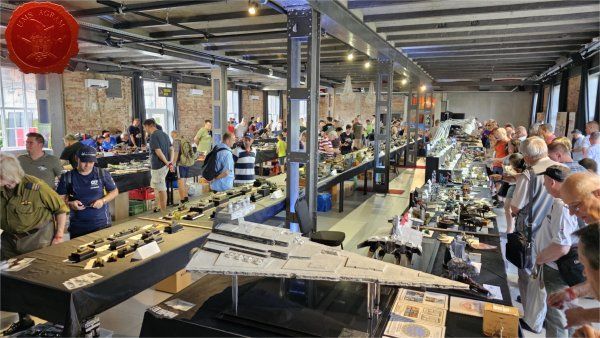
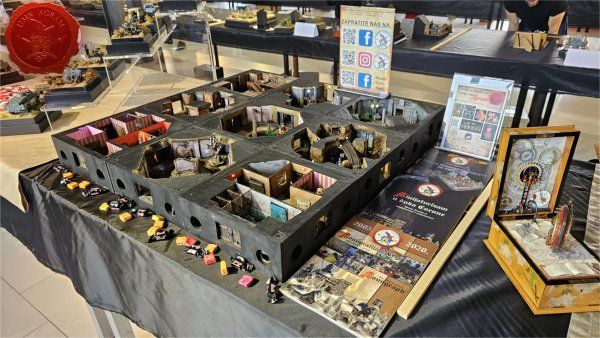
After a short deliberation, the decision to award the BEST OF SHOW by UMS AGRAM was easy to award to Chloe Plattner's wonderful display.
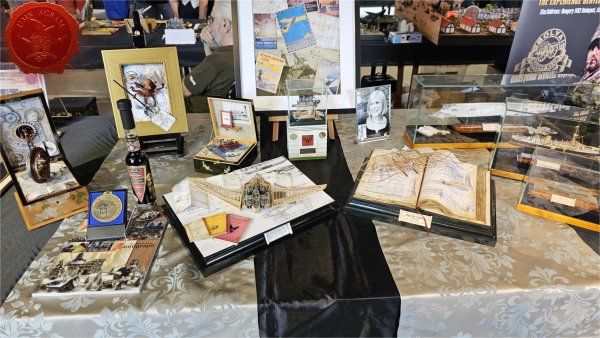
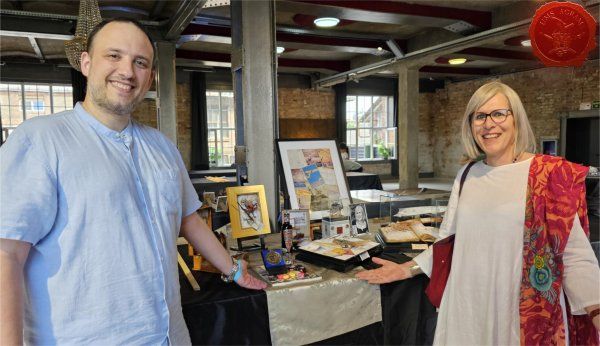
Kamping Kitbash
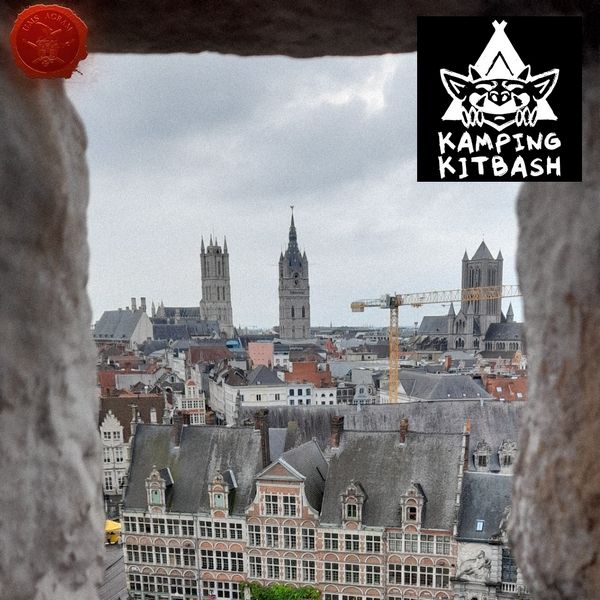
Kamping Kitbash is a three-day event dedicated to indie board games and miniatures making. This is the first edition of Kamping Kitbash, and it took place at BROEI - a converted old factory near the center of Ghent, and was organized by Nerdlab, a local collective dedicated to promoting the fusion of fine art and technology.
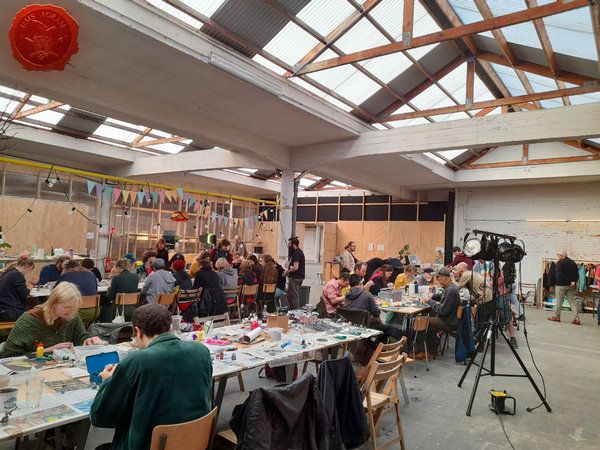
Throughout the weekend, there were large tables where we could all model and paint miniatures, as well as piles of figures, parts, paints, tools, brushes and kitbashing supplies.
There was at least one workshop every day of the Kitbashing Camp. On the first day, Helge (@wilhelminiatures) led a workshop on polymer clay modeling, and Terran (@conjuredcraft) on face modeling for beginners. On Saturday, there was a workshop on experimental painting led by our own Ana, and Arjan (@atelier.ag) on silicone mold making and resin casting of miniatures. On Sunday, Tara (@manglingminis) had a workshop on tabletop game design.
Modelling Cup Crna Kraljica 2024
On 05.10.2024. we performed at the Black Queen organized by HUVM. In addition to the presentation stand, our members competed and achieved notable success (all our competitors won at least a medal). Congratulations!
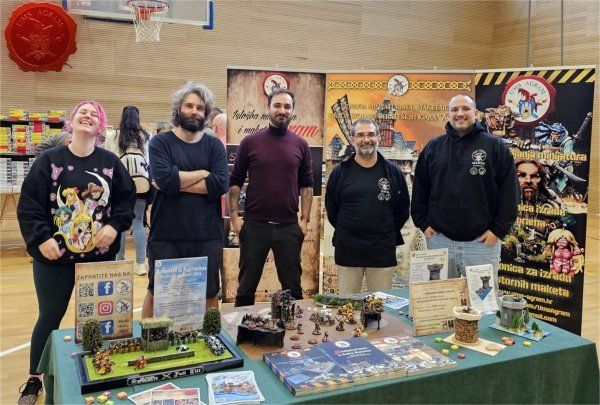
XIII DAYS OF TECHNICAL CULTURE 2024
On October 18th and 19th, 2024, we participated in the XIII Days of Technical Culture organized by the Zagreb Technical Culture Association.
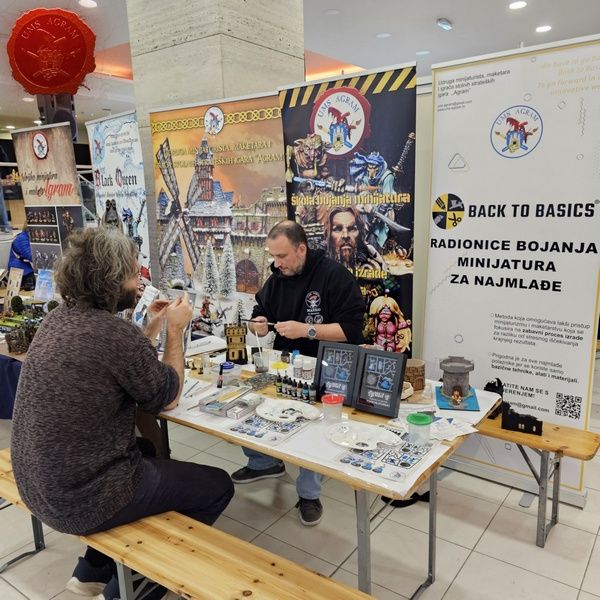
On Friday, we held three demonstrations of model-making and miniaturist techniques (Ana, Marko and Sebastian) and participated in the Forum organized by SUPTK and DPTK with a presentation about the miniaturist and model-making workshops we organize.
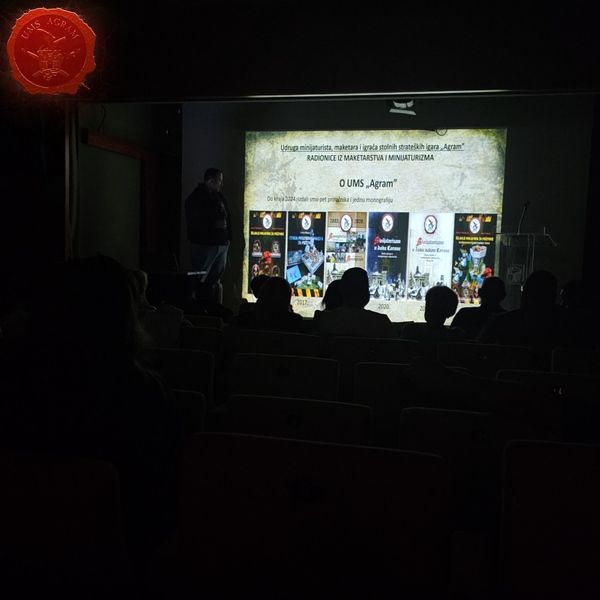
On Saturday, after the official opening ceremony, we presented a new book published by UMS Agram - Miniaturism in the post-Corona era and held two series of Back to Basics workshops. The participants painted their first figures! After both days, it's time for our volunteers to have some well-deserved relaxation!
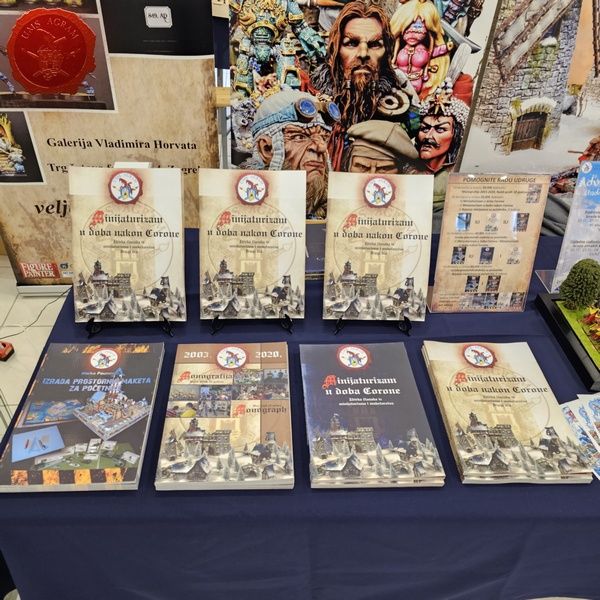
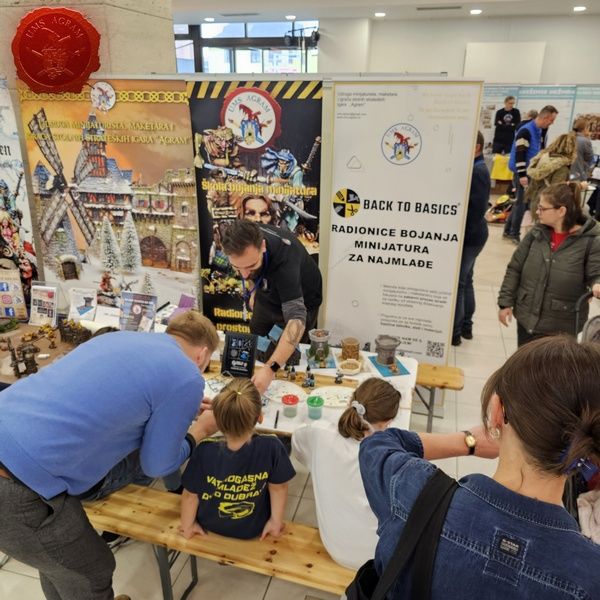
MODELMANIA @ FOTO VIDEO SHOW ZAGREB 2024
26.10. we performed at Model Mania Zagreb with the presentation of our programs:
- Advent in Agram
- Back To Basics miniatures coloring workshop for the youngest in the Reading Room and VN Gallery, 09.11.2024.
- Exhibition of miniatures and models Agram 2025
- Black Queen Hobby and Miniature Painting Competition by UMS Agram
and for the youngest we organized Back To Basics miniature painting workshops.
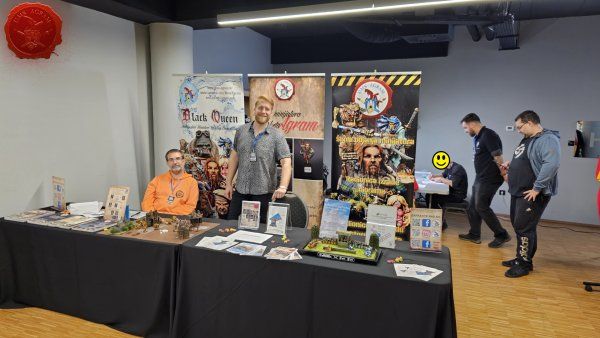
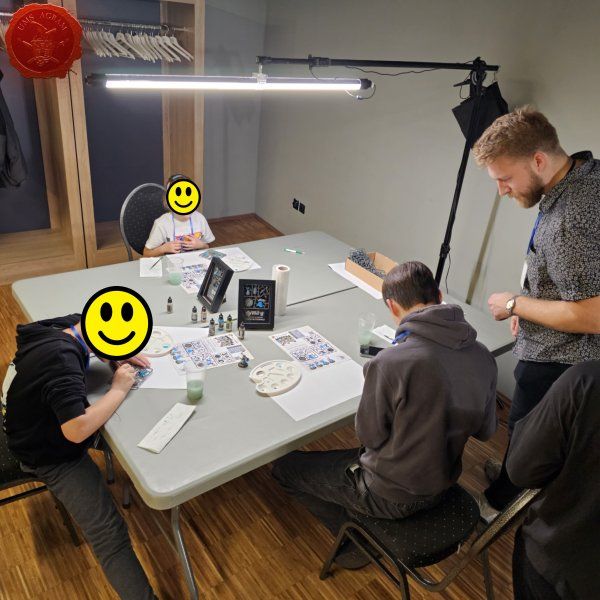
VISITS TO EXHIBITIONS, COMPETITIONS AND OTHER EVENTS
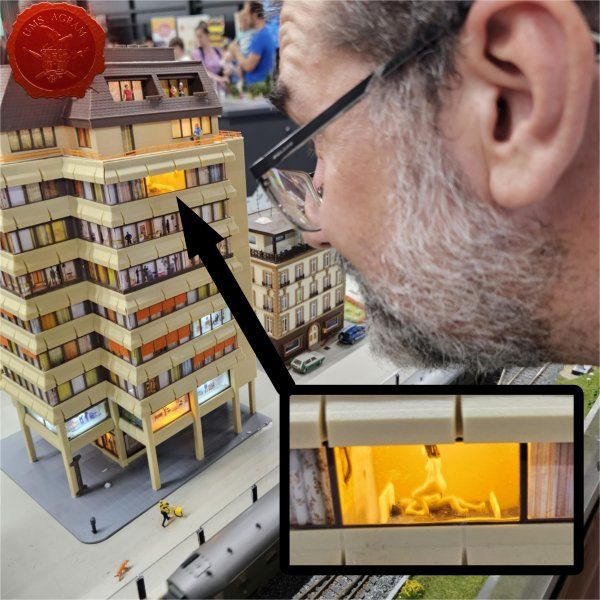
KZMZ Train Exhibition
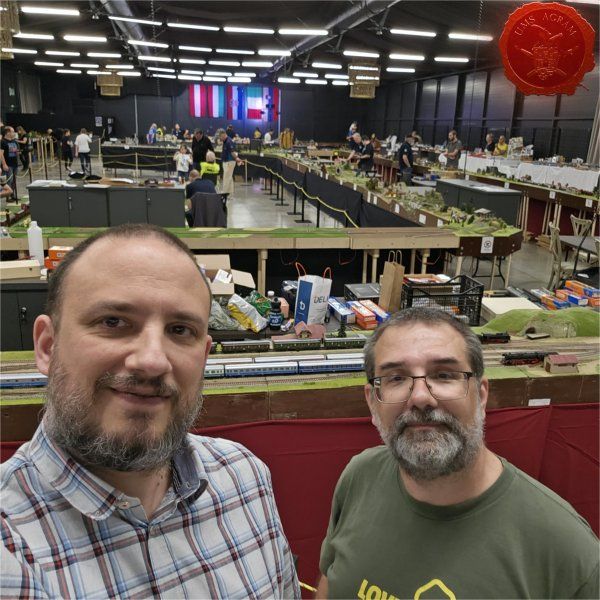
On Friday, May 24th, at the invitation of the organizers of KZMZ, we visited the Train Exhibition held at the Family Mall.
FESTUNG CUP in Slavonski Brod
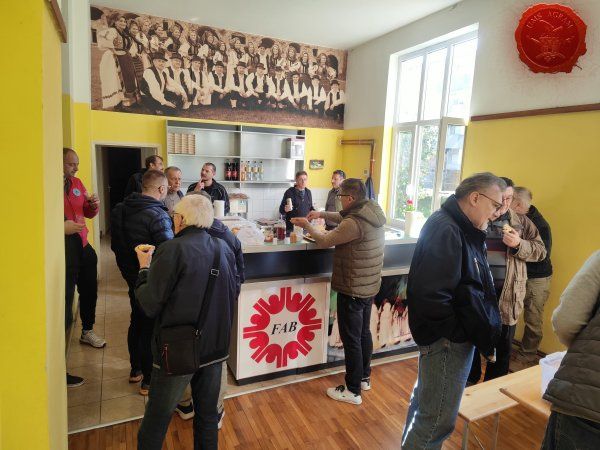
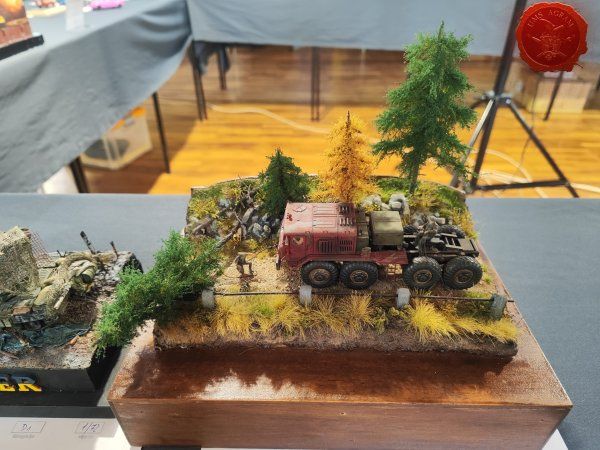
Our Vanja Ilijev performed at this year's FESTUNG CUP in Slavonski Brod.
National championship of Slovenia in plastic modeling
On Saturday, 16.11.2024. in Ljubljana, the Slovenian National Championship in plastic modeling was held. Our delegation performed in several categories.
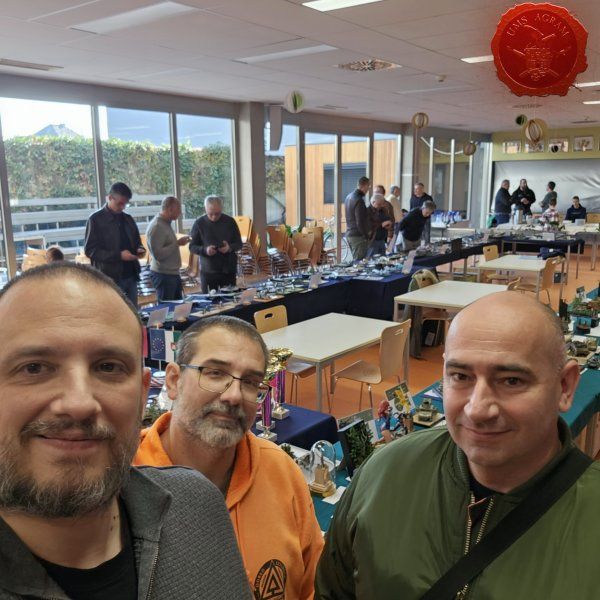
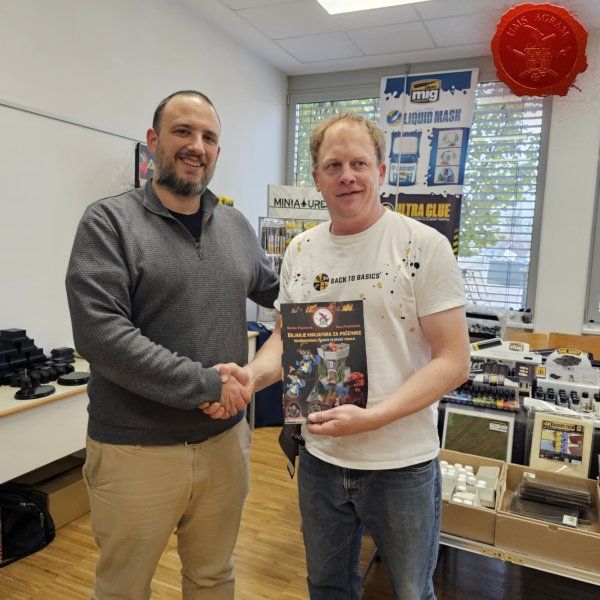
It was a special pleasure for us to present and give away several copies of our latest issue to our partners and friends from Back to Basics!
Big Panda and Tiny Dragon, Character Drawing Workshop
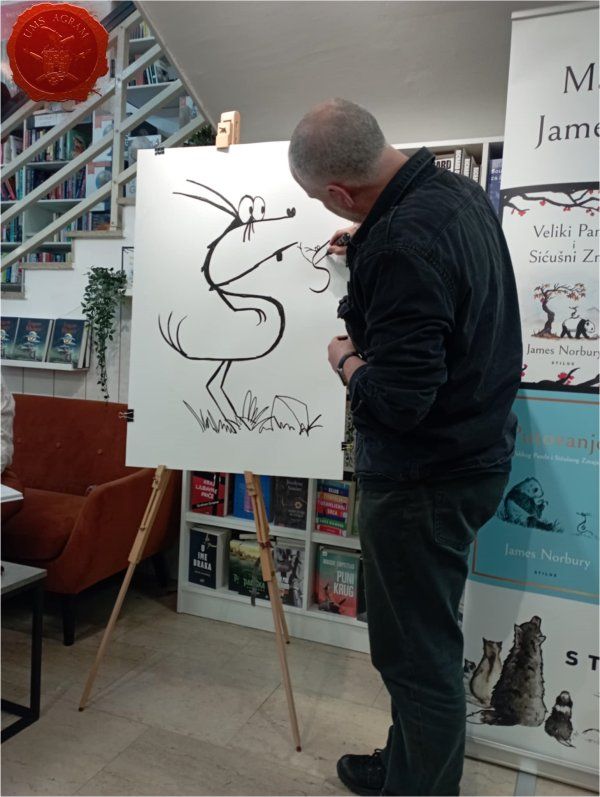
During this year's Interliber, James Norbury, author of the books about the Big Panda and the Tiny Dragon, held several different events and meetings with readers. On Friday, November 15th, I had the opportunity to participate in a workshop on drawing characters from his books. Since James is an illustrator and his works include abstract landscapes, fantasy art, SF and cyberpunk comics, drawings and graphics, it was interesting for me to see how the panda and dragon characters are created using the technique of Japanese Zen painters.
ARTICLES IN MINIATURISM AND MODEL ART
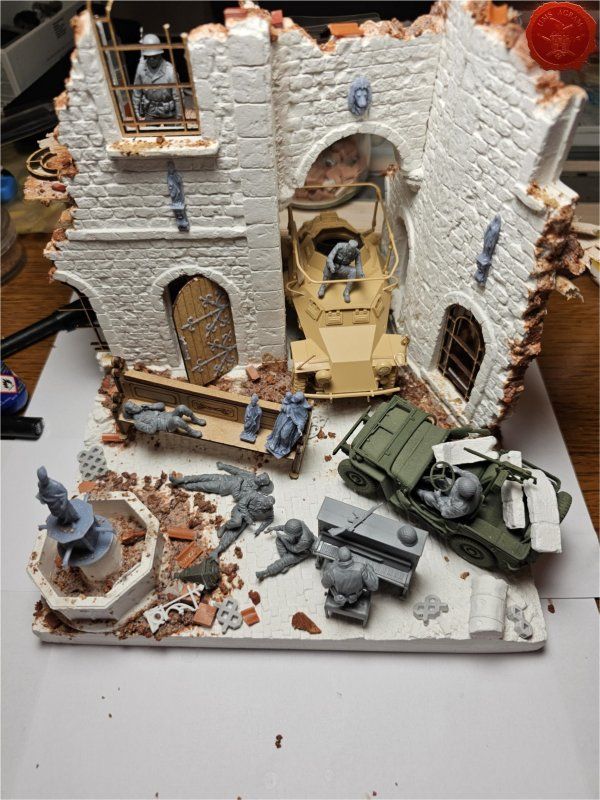
And finally, our most comprehensive program should be mentioned. The online publication of articles from miniatures and model making that began in 2020 continued in the following years, including in 2024, with over 50 published articles this year. Hereby we would like to thank all members for their effort and commitment in making miniatures and models, but especially for taking the time to photograph work in progress and writing articles for our site.
B O O K S P U B L I S H E D B Y U M S „A G R A M“

During 2024, we published two books. The first is a Collection of Articles on Miniaturism and Modeling, the second part of which is called Miniaturism in the Post-Corona Era. The second book is the second, expanded Back to Basics edition of the Miniature Painting for Beginners manual.
UMS „Agram“ wishes you a happy New Year! See you in 2025!
Latest articles
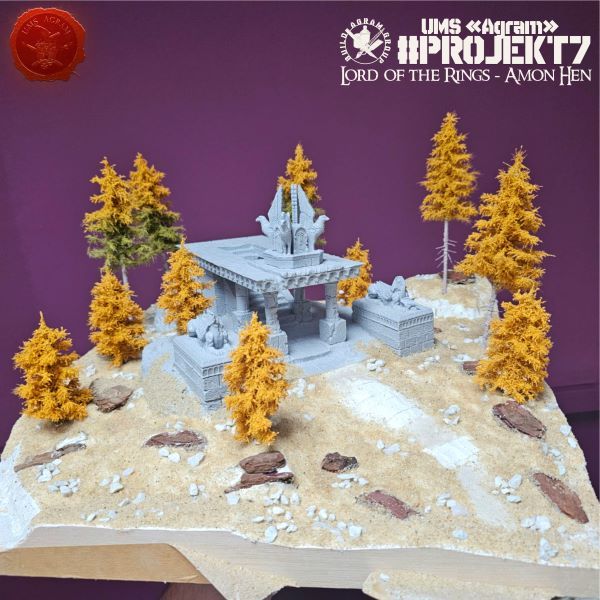
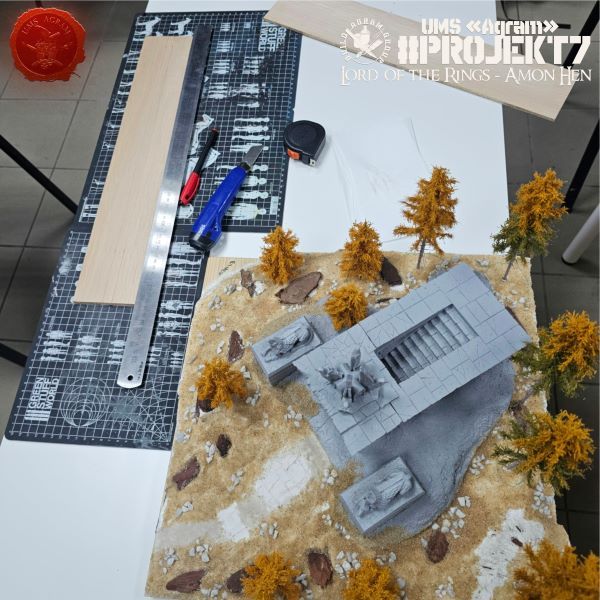
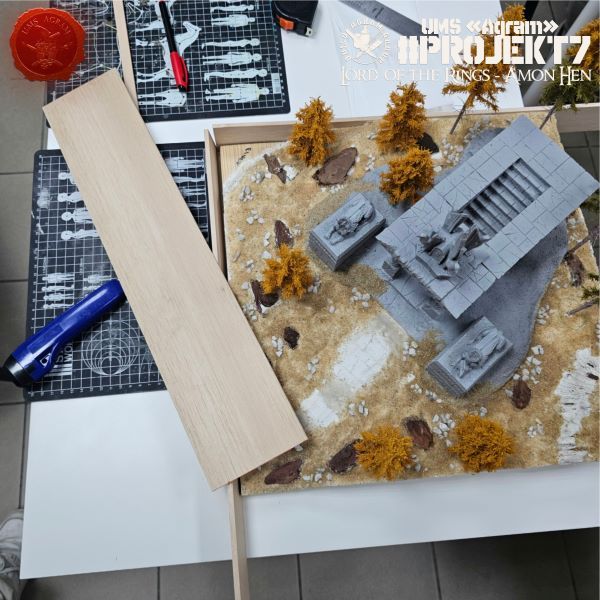
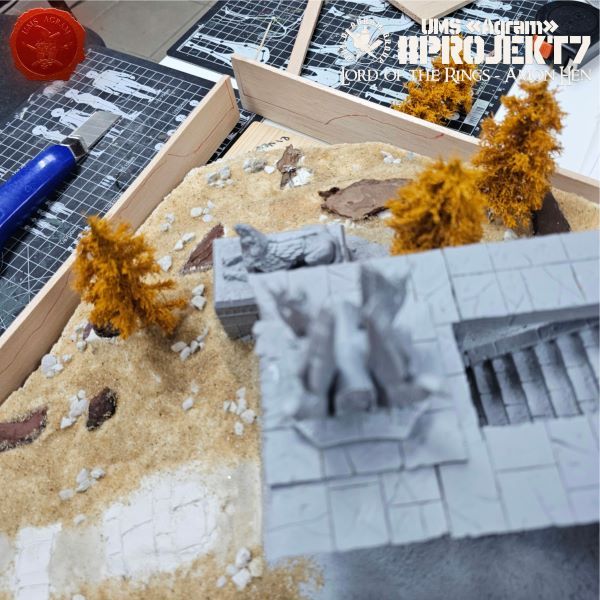
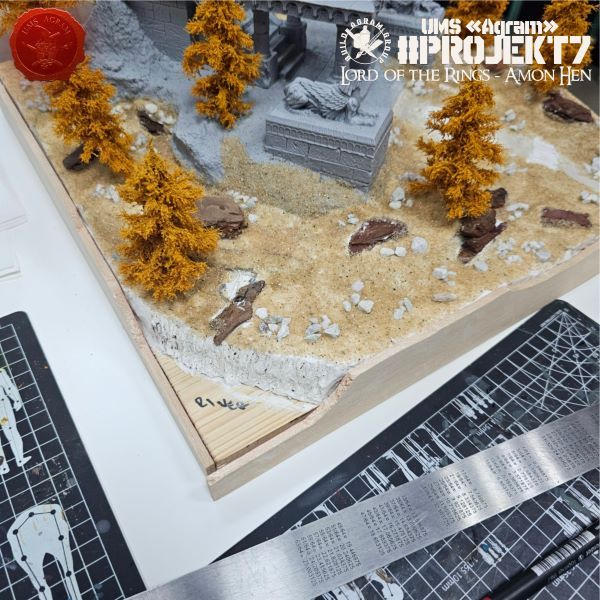
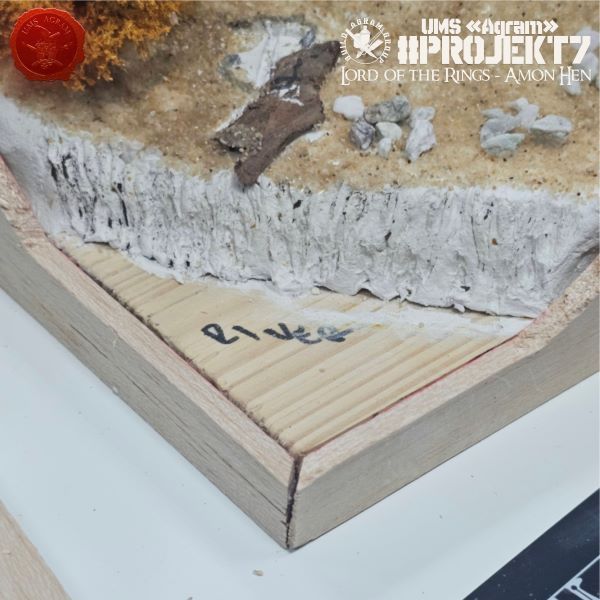
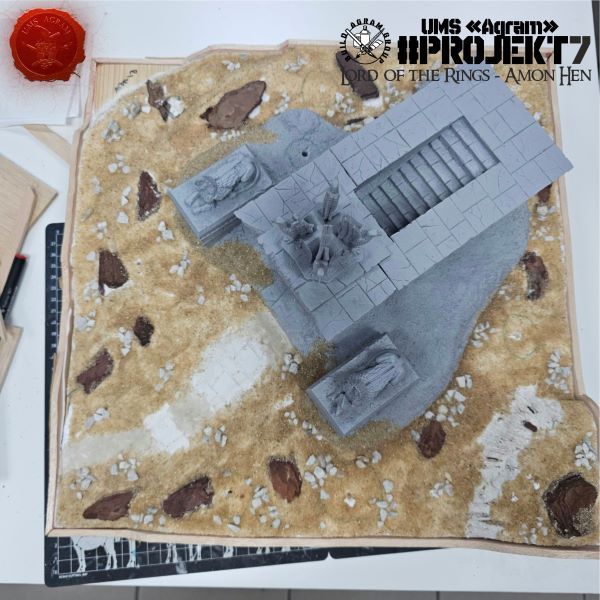
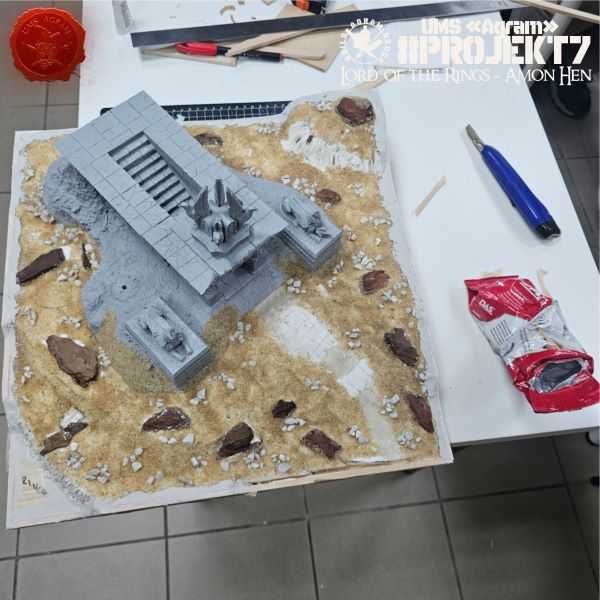
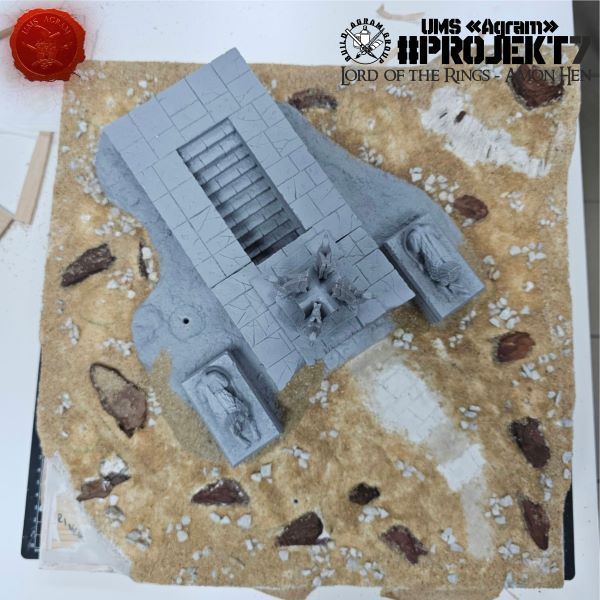
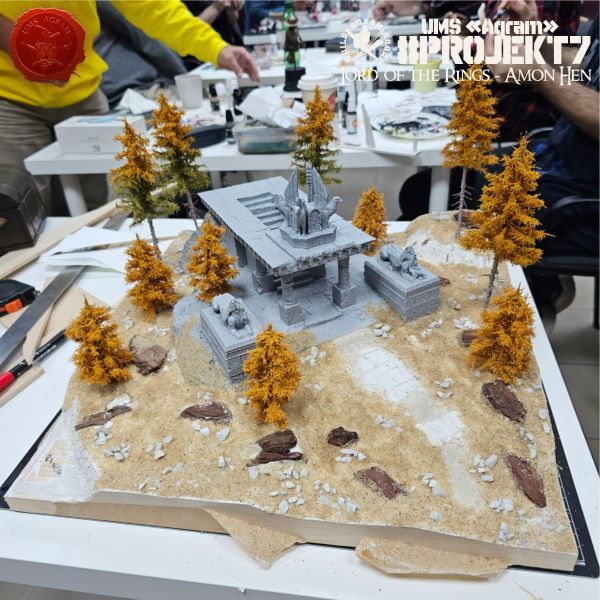
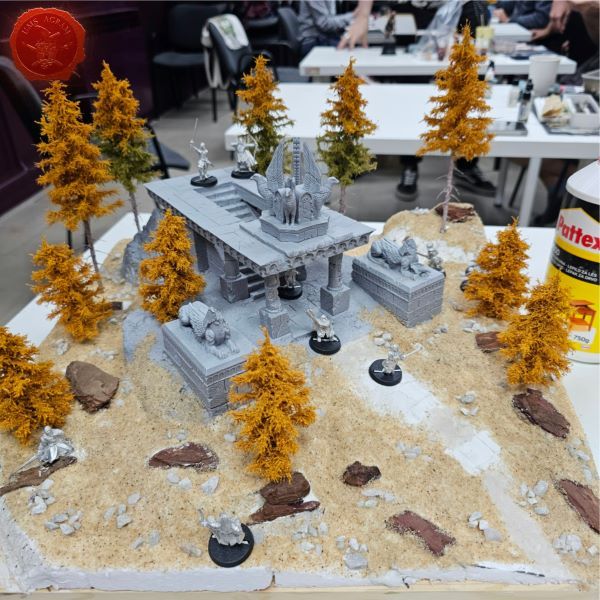
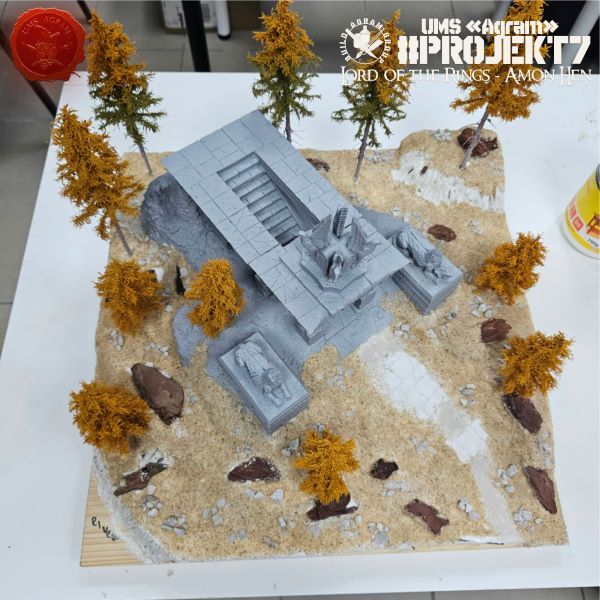
- Agram Group Build #7 – Amon Hen, pt.5 Krunoslav Belinić, 15th October 2026
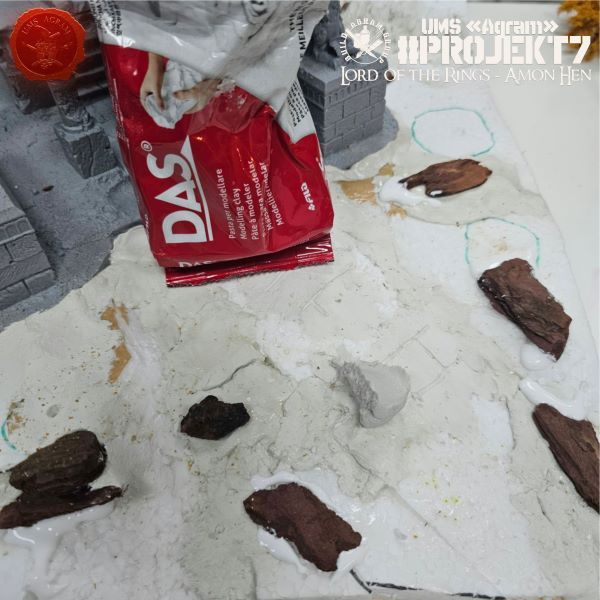
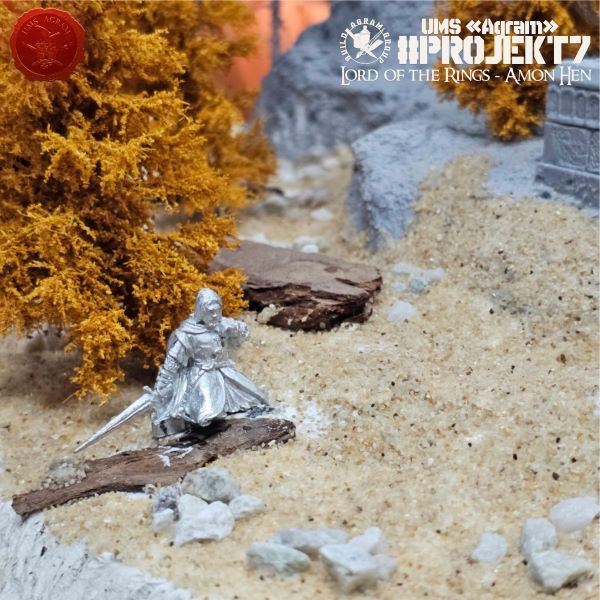
- Agram Group Build #7 – Amon Hen, pt.4 Marko Paunović, 8th October 2026
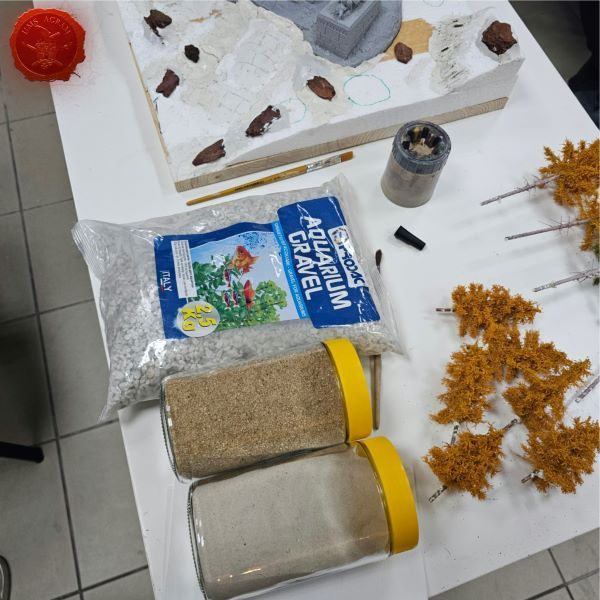
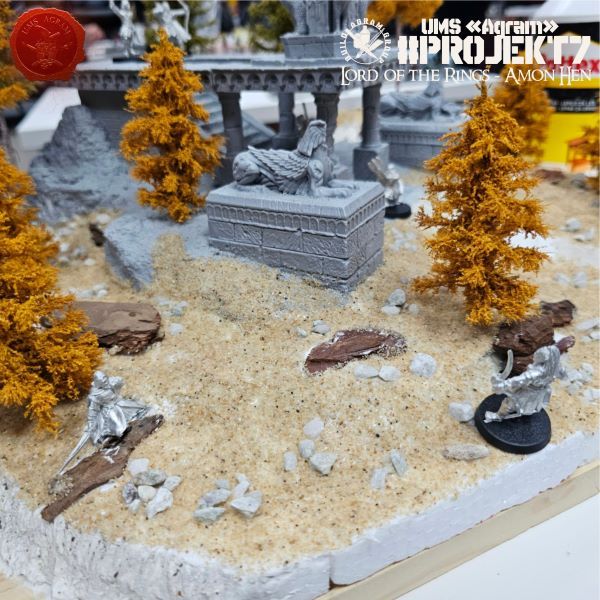
- Agram Group Build #7 – Amon Hen, pt.3 Krunoslav Belinić, 1nd October 2026
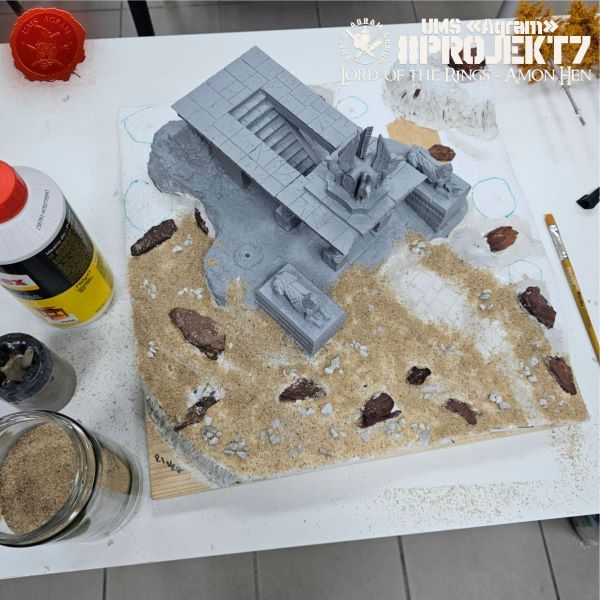
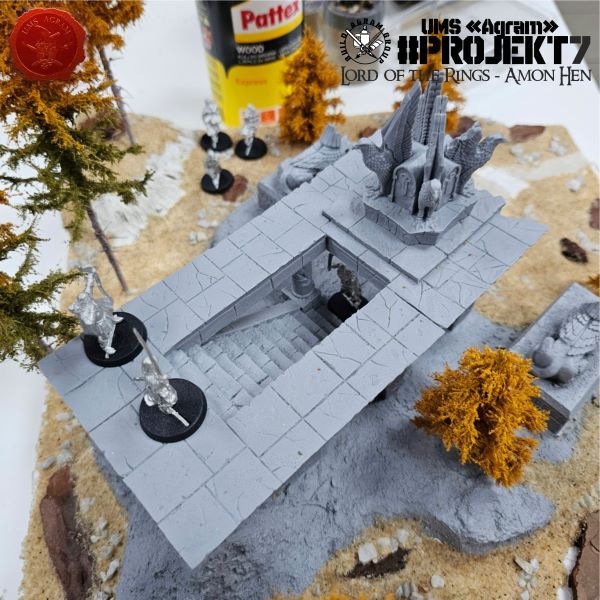
- Agram Group Build #7 – Amon Hen, pt.2 Marko Paunović, 24th September 2026
- Signs for your plinths Marko Paunović, 24th September 2026




Latest battle-reports
- Kill Team - Blooded vs. Vespid Stingwings 28th February 2025, GW - Warhammer 40.000, and Antoni Pastuović (Imperial Guard)
- 22nd April 2022, GW - Warhammer 40.000, Borna Pleše (Space Marines) and Kristijan Kliska (Tau Empire)
- 17th November 2021, GW - Warhammer 40.000, and Nino Marasović (Space Marines)